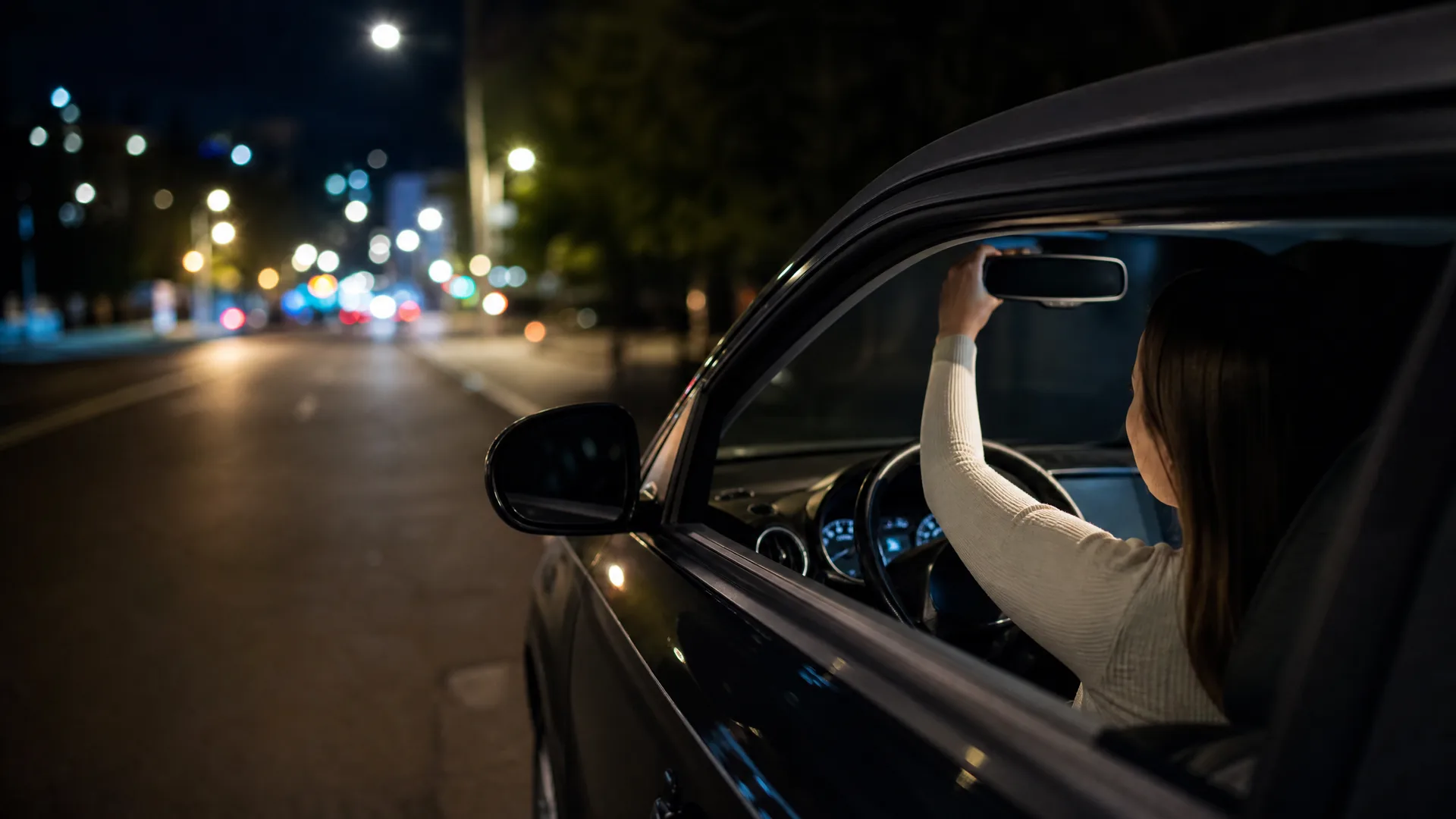
MN Child Support Reinstatement Costs for Rideshare Drivers
Free to compare
What Minnesota's child support reinstatement actually costs
Minnesota's Driver and Vehicle Services charges a $30 base reinstatement fee after child support compliance is verified. This fee applies regardless of how long your license was suspended. SR-22 insurance filing is not required for child support arrears suspensions in Minnesota.
The compliance process itself carries no DVS fee. Your county child support office (administered by DCSS, the Department of Child Support Services) determines when you have met payment obligations or entered an approved payment plan. Once DCSS issues a compliance notice, that notice is transmitted to DVS electronically.
Most drivers pay the $30 expecting immediate reinstatement. DVS processes the reinstatement within 3-5 business days after receiving the DCSS compliance notice—but DCSS typically transmits that notice 7-14 days after your court or administrative hearing confirms compliance. The gap between paying your arrears or signing your payment plan and DVS showing your license as reinstated is 10-19 days on average. For rideshare drivers, platform background check timing adds another layer of delay.
How rideshare platform reactivation timing compounds the delay
Uber and Lyft run continuous background checks on active drivers, but deactivated drivers re-enter a separate queue. When your Minnesota license shows as suspended in the state's public record database, both platforms deactivate your account automatically. Reinstatement does not trigger automatic reactivation.
You must manually request reactivation through the platform's driver support portal after DVS processes your reinstatement. Uber's third-party background check provider (Checkr) typically refreshes Minnesota driving records within 2-5 business days of your reactivation request. Lyft uses Sterling and the timeline is similar. However, both platforms require manual review if your suspension lasted longer than 90 days or if other violations appear on your record during the suspension period.
The manual review adds 5-10 business days beyond the background check refresh. Most Twin Cities rideshare drivers report total platform reactivation timelines of 7-15 days after DVS shows the license as reinstated. If you drove for both platforms, you are running two separate reactivation timelines with no coordination between them. Income loss during this window often exceeds the direct reinstatement cost by a factor of 10 or more.
What DCSS compliance documentation looks like and why timing varies
DCSS issues a compliance notice when you have either paid your arrears in full, entered a court-approved payment plan and made the required initial payments, or received a court order modifying your obligation. The compliance notice is an administrative document routed to DVS—you do not receive a physical copy in most counties unless you request one.
Compliance timing varies by county. Hennepin and Ramsey counties transmit notices to DVS within 5-7 business days after your payment or hearing. Smaller counties may take 10-14 days because compliance notices are batched and transmitted weekly rather than daily. If your payment plan hearing was held on a Thursday, and your county transmits notices on Mondays, you lose an extra 4 days before DVS even receives notification.
You can check your license status directly through DVS Online Services at dps.mn.gov rather than waiting for mail confirmation. The portal updates within 24 hours of DVS processing the reinstatement. Check daily starting 7 days after your compliance hearing or final payment. Once the portal shows "valid" status, submit your platform reactivation request immediately—waiting even two days extends your income gap unnecessarily.

Line Up Coverage Before Your License Comes Back
Get Back on the RoadHow SR-22 filing affects rideshare insurance requirements separately
Child support arrears suspensions do not require SR-22 filing in Minnesota. However, if you had other violations during the suspension period—a DWI, uninsured driving citation, or reckless driving charge—those violations may trigger separate SR-22 requirements when you reinstate.
Rideshare platforms require you to carry your own personal auto liability policy that meets Minnesota's minimum coverage requirements: 30/60/10 (thirty thousand per person for bodily injury, sixty thousand per accident, ten thousand for property damage). The platform's commercial policy covers you only while you are actively transporting a passenger or en route to a pickup. Personal coverage gaps during Period 1 (app on, waiting for a ride request) remain your responsibility.
If an SR-22 filing is required due to a separate violation, expect monthly premiums to increase by $40-$90 compared to standard liability rates. Non-owner SR-22 policies are available if you no longer own a vehicle and plan to rent or use a family member's car for rideshare driving, but confirm with your platform that a non-owner policy satisfies their insurance verification requirements before purchasing—some platforms reject non-owner policies for active drivers.
Cost itemization: what you pay and when
DVS reinstatement fee: $30, paid at the time of reinstatement. You can pay online through DVS Online Services, in person at a DVS office, or by mail. Online payment posts immediately; mail payment adds 5-7 business days to processing.
Child support arrears or payment plan down payment: varies by your case. DCSS and the court determine this amount. It is not a DVS fee and does not appear on your reinstatement invoice. If you entered a payment plan, the initial payment is typically 10-25% of total arrears or a court-set minimum, whichever is higher.
Rideshare platform reactivation: no fee from Uber or Lyft, but background check delays cost you 7-15 days of potential earnings. If you were averaging $800-$1,200 per week before suspension, the reactivation gap costs you $400-$850 in lost income even after your license is valid.
Insurance reinstatement: if you canceled your policy during suspension, expect a lapse surcharge when you reinstate coverage. Minnesota carriers typically add $15-$40 per month for 6-12 months after a lapse longer than 30 days. If SR-22 is required due to a separate violation, that surcharge is $40-$90 per month for the duration of the SR-22 filing period, typically three years.

What to do right now if your platform account is deactivated
Check your DVS record status at dps.mn.gov before paying any fees. If your license shows as suspended for child support, contact your county child support office immediately to confirm your arrears balance and payment plan eligibility. Do not wait for a court summons—proactive contact shortens the compliance timeline.
Once you have paid arrears or signed a payment plan and made the initial payment, request a compliance hearing date or written confirmation from DCSS that they will transmit a compliance notice to DVS. Ask the caseworker for the expected transmission date. This is not guaranteed information, but most counties provide an estimate.
Pay the $30 DVS reinstatement fee online as soon as your license status changes to eligible for reinstatement. Do not mail payment. Online payment posts within 24 hours; mail adds a week. Check your DVS record daily after payment until status shows valid.
The moment DVS shows valid status, submit reactivation requests to Uber and Lyft simultaneously through each platform's driver app. Do not assume one platform will process faster than the other. Upload your current insurance card and any other requested documents immediately—incomplete submissions restart the background check queue. Follow up every 3 business days if you do not receive status updates.
Frequently Asked Questions
Does Minnesota require SR-22 filing after a child support suspension?
No. Child support arrears suspensions in Minnesota do not require SR-22 filing. You need only pay the $30 DVS reinstatement fee and provide proof of current liability insurance that meets state minimums. SR-22 is required only if you had other violations during the suspension period, such as DWI or uninsured driving citations.
How long does Uber take to reactivate my account after Minnesota reinstates my license?
Uber's background check provider typically refreshes Minnesota driving records within 2-5 business days after you request reactivation. If your suspension lasted longer than 90 days or other violations appear on your record, manual review adds 5-10 business days. Total reactivation timeline averages 7-15 days after DVS shows your license as valid.
Can I drive for Lyft with a non-owner insurance policy in Minnesota?
Non-owner policies satisfy Minnesota's legal insurance requirement, but Lyft's platform may reject non-owner policies for active drivers who use a vehicle regularly. Confirm with Lyft driver support that a non-owner policy will pass their insurance verification before purchasing. Most rideshare drivers need a standard personal auto policy listing the vehicle they drive.
What happens if I request platform reactivation before DVS processes my reinstatement?
Background check providers pull your current license status from DVS records. If DVS still shows suspended status when the check runs, your reactivation request will be denied and you must resubmit after reinstatement posts. Wait until DVS Online Services shows valid status before submitting reactivation requests to avoid wasting 5-7 days on a failed background check cycle.
How do I know when DCSS sent my compliance notice to DVS?
DCSS does not send individual confirmation when they transmit compliance notices to DVS. Check your DVS record status daily at dps.mn.gov starting 7 days after your compliance hearing or final payment. The portal updates within 24 hours of DVS receiving the notice. Hennepin and Ramsey counties typically transmit within 5-7 business days; smaller counties may take 10-14 days.
Do I need to notify my insurance company when my license is reinstated?
Yes. Notify your carrier immediately after DVS processes reinstatement so they can update your policy status and remove any suspension-related restrictions. If you canceled coverage during suspension, you will need to purchase a new policy before DVS allows reinstatement. Most carriers require proof of valid license status before issuing coverage.
Related Articles
MN Child Support Reinstatement Costs & Real Fees
5/3/2026

MN Rideshare Suspension Costs: Unpaid Tickets + Fees
5/3/2026
MN DWI Reinstatement for Rideshare: DVS Timing
5/3/2026
MN Child Support Suspension: Reinstatement Process
5/3/2026
MN Child Support Reinstatement Costs: Full Fee Stack
5/3/2026
MN Rideshare Reinstatement: Court & DVS Timing Guide
5/3/2026