
Michigan Child Support License Suspension: SR-22 & Reinstatement
Free to compare
Does Michigan require SR-22 insurance for child support suspensions?
No. Michigan does not require SR-22 filing for license suspensions triggered by child support arrears. The suspension is purely administrative, issued by the Secretary of State (SOS) after notification from the Michigan State Disbursement Unit or Friend of the Court (FOC). Because the suspension is not tied to a moving violation, DUI, or insurance lapse, you do not need to file proof of financial responsibility.
You still need a valid Michigan no-fault insurance policy if you own a vehicle or plan to drive after reinstatement. Michigan law requires all registered vehicles to carry no-fault coverage meeting minimum limits: $50,000 bodily injury per person, $100,000 per accident, $10,000 property damage, and Personal Injury Protection (PIP) at the tier you selected during the 2020 reform opt-in period. If you don't own a vehicle but plan to drive someone else's car occasionally, non-owner liability insurance satisfies Michigan's proof-of-insurance requirement without triggering SR-22 filing obligations.
The confusion arises because Michigan does require SR-22 for certain other suspension types—particularly Operating While Intoxicated (OWI) convictions under MCL 257.625, uninsured driving violations under MCL 257.328, and some repeat traffic offenses. Child support suspensions fall outside that category. Your insurance carrier will not be asked to monitor or report your policy status to the SOS beyond the standard electronic verification system Michigan uses for all drivers.
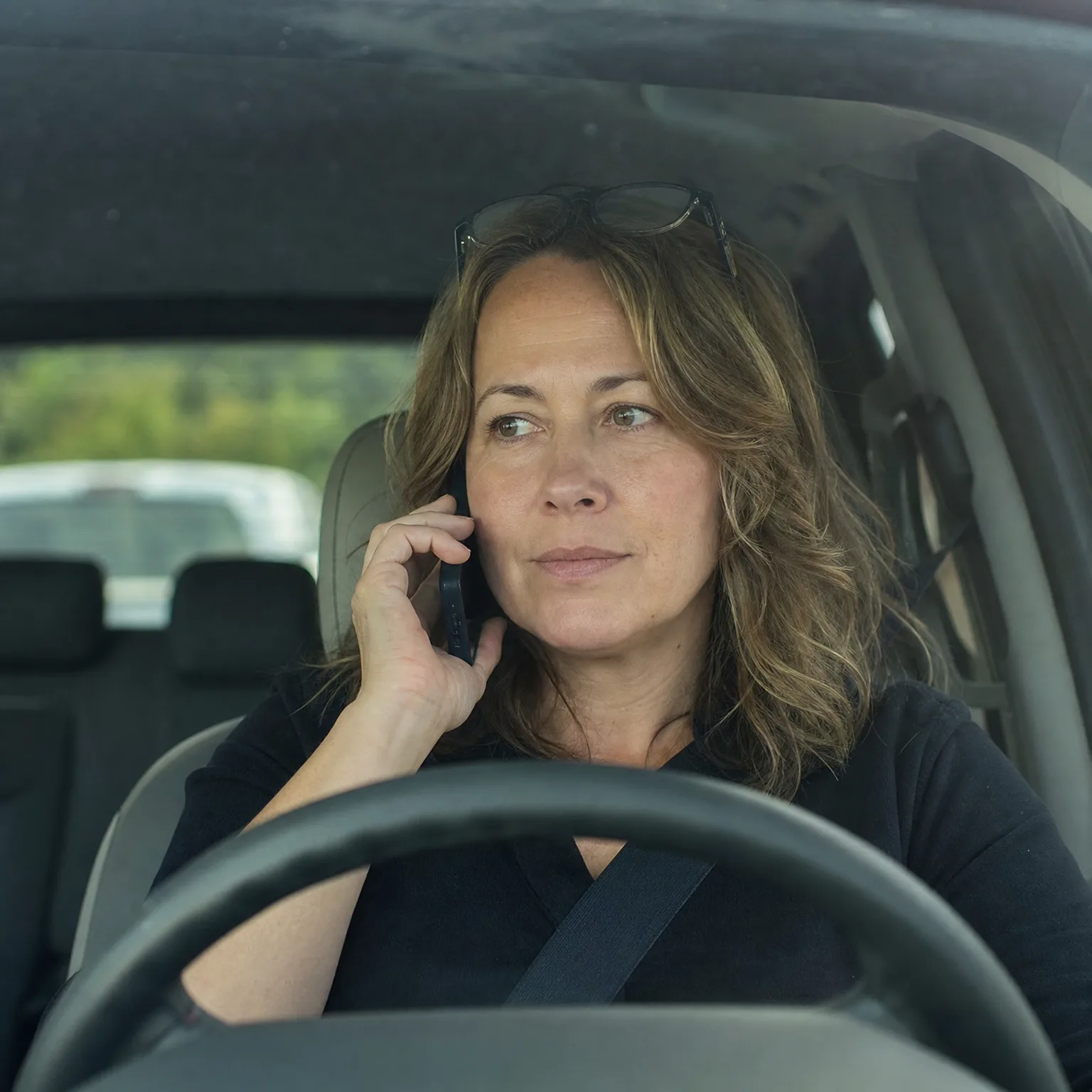
How Michigan's child support suspension process works: FOC, SDU, and SOS coordination
Michigan's child support enforcement system operates through three separate entities that do not automatically coordinate in real time. The Michigan State Disbursement Unit (SDU) processes all child support payments statewide. The local Friend of the Court (FOC) office attached to the family court in your county manages your case, tracks compliance, and issues notices. The Secretary of State administers driver licensing and processes suspension and reinstatement requests.
When you fall behind on child support payments, the FOC or SDU notifies the SOS that you are in arrears exceeding the statutory threshold or that you are not complying with a court-ordered payment plan. The SOS then issues a suspension notice, typically mailed to your last known address. The suspension takes effect 30 days after the notice date unless you request a hearing or enter a payment arrangement during that window.
Once suspended, your license remains invalid until the FOC or SDU sends a compliance notice to the SOS confirming that you have either cleared the arrears, established and maintained a payment plan for a minimum period (typically 90 days of on-time payments), or obtained a court order modifying your support obligation. The SOS will not process your reinstatement until that compliance notice is received. This is the gap most drivers miss: paying the arrearage or making your first three monthly payments does not automatically clear your suspension. The FOC must generate and transmit the compliance documentation, which operates on a separate timeline from your actual payments.


The 30-60 day documentation gap between payment compliance and SOS clearance
After you satisfy the FOC's compliance requirements, expect a 30- to 60-day delay before the SOS receives and processes the clearance documentation. The FOC does not send compliance notices in real time. Most offices batch-process these notices weekly or biweekly, and the notice must then be transmitted through Michigan's inter-agency electronic system or mailed directly to the SOS Lansing headquarters.
Once the SOS receives the compliance notice, additional processing time is required to match the notice to your driver record, verify the suspension reference number, and update your eligibility status. During periods of high volume—particularly after tax refund intercepts or stimulus payment intercepts when many drivers make lump-sum payments—the SOS backlog extends processing times further. Your online driver record will show "suspension pending clearance" or "awaiting compliance documentation" during this window, which means the SOS has not yet received or processed the FOC notice even though you have satisfied the underlying payment obligation.
You cannot expedite this process by visiting an SOS branch office in person. Branch staff do not have authority to override the electronic compliance verification system. Calling the SOS customer service line will confirm whether the compliance notice has been received, but it will not accelerate processing. The only intervention that shortens the timeline is contacting your FOC caseworker directly and requesting confirmation that the compliance notice was sent, including the date transmitted and the method used. If the FOC has no record of sending the notice despite your compliance, you may need to request a compliance hearing before the family court to obtain a court order directing the FOC to issue the clearance immediately.
Can you apply for a restricted license during a child support suspension in Michigan?
No. Michigan does not issue restricted licenses (sometimes called hardship or occupational licenses) for child support suspensions. Restricted license eligibility in Michigan is limited to specific offense categories defined by statute: Operating While Intoxicated (OWI) convictions under MCL 257.323, certain repeat moving violations, and medical suspensions where the driver can demonstrate controlled condition improvement.
Child support suspensions are classified as administrative sanctions for non-compliance with a court order, not driving-related offenses. The Michigan Legislature has not authorized restricted driving privileges for this suspension type because the remedy is payment compliance, not demonstration of driving need. Even if you can prove employment hardship, school enrollment, or medical treatment needs, the SOS has no statutory authority to grant driving privileges during an active child support suspension.
The only path to legal driving during this suspension period is full compliance with FOC requirements followed by formal reinstatement. Some drivers attempt to argue that restricted license provisions under MCL 257.904 apply broadly to all suspensions, but Michigan courts have consistently held that restricted licenses are offense-specific, not a general hardship remedy. Driving on a suspended license during a child support suspension carries the same penalties as any other suspended-license violation: misdemeanor charges under MCL 257.904, fines up to $500, possible jail time up to 93 days, and extension of your suspension period by an additional 30 to 90 days depending on whether this is your first or subsequent offense.

Line Up Coverage Before Your License Comes Back
Get Back on the Road
Michigan reinstatement fees and proof-of-insurance requirements after clearance
Once the SOS processes your FOC compliance notice, you must pay a $125 reinstatement fee before your license is reactivated. This fee is statutory under MCL 257.320a and applies to all administrative suspensions, including child support cases. The fee is per suspension event, not per year suspended. If your license was suspended multiple times for separate child support arrears periods, you owe $125 for each distinct suspension.
You must also provide proof of current Michigan no-fault insurance at the time of reinstatement. If you own a vehicle, the vehicle must be registered and insured under a policy meeting Michigan's minimum no-fault limits. The SOS verifies insurance electronically through Michigan's real-time insurance reporting system, which means your carrier must have already reported your active policy to the state database before you attempt reinstatement. Policies purchased the same day you visit the SOS branch often have not yet been transmitted to the state system, which delays reinstatement by 24 to 48 hours.
If you do not own a vehicle, you can satisfy the insurance requirement with a non-owner liability policy. This policy type covers you when driving vehicles you do not own—borrowed cars, rental cars, or employer vehicles. Non-owner policies in Michigan must include the same no-fault liability minimums as standard auto policies but do not require Personal Injury Protection (PIP) coverage because PIP follows the vehicle, not the driver. Expect to pay $30 to $60 per month for non-owner coverage depending on your age, county, and whether you have prior violations on your record beyond the child support suspension.

What happens if you let your insurance lapse after reinstating from a child support suspension
Michigan operates a strict no-fault insurance enforcement system under MCL 257.328. If your insurance carrier cancels or non-renews your policy after reinstatement and reports the lapse to the SOS electronic verification system, the SOS will suspend your vehicle registration immediately. If you continue driving an uninsured vehicle, you face a separate license suspension for operating without insurance, which does trigger SR-22 filing requirements upon reinstatement.
This creates a compounding problem: you cleared your child support suspension without needing SR-22, but a subsequent insurance lapse during the reinstatement period converts your situation into a financial responsibility suspension that requires SR-22 filing for three years from the date you reinstate the second time. The SR-22 filing period in Michigan runs from the reinstatement date, not the suspension date, which means delaying reinstatement after an insurance lapse extends your total high-risk insurance obligation.
Insurance lapse suspensions in Michigan carry harsher penalties than child support suspensions. Operating an uninsured vehicle is a misdemeanor under MCL 257.328(1) with fines up to $500, possible jail time up to one year, and mandatory vehicle immobilization or forfeiture for repeat offenses. The SOS also assesses driver responsibility fees for uninsured operation, which can add $200 to $400 annually for two consecutive years on top of your reinstatement fee. If you are struggling to afford continuous coverage after reinstating from a child support suspension, prioritize maintaining at least minimum liability limits over letting the policy lapse—even a basic non-owner policy is cheaper than the cumulative cost of a second suspension cycle.
How to verify your compliance notice was sent and received by Michigan SOS
Contact your local Friend of the Court office directly and request written confirmation that your compliance notice was transmitted to the Secretary of State, including the transmission date and method. FOC offices are required to maintain records of all compliance notices sent, but they do not proactively notify you when the notice is issued. You must request this information.
If the FOC confirms the notice was sent more than 30 days ago and your SOS driver record still shows an active suspension, call the SOS customer service line at 888-767-6424 and request a compliance verification trace. SOS staff can check whether the notice was received, whether it matched your driver license number correctly, and whether any data mismatches are preventing automatic processing. Common issues include misspelled names, transposed license numbers, or FOC offices transmitting notices using outdated SOS suspension reference numbers from prior suspensions.
If the SOS has no record of receiving the compliance notice despite FOC confirmation of transmission, you may need to request a duplicate notice or escalate through the family court. File a motion for compliance hearing in the county where your child support case is registered. Bring proof of payment compliance—bank statements, SDU payment history printouts, or receipts—and request a court order directing the FOC to issue an immediate compliance clearance to the SOS. Courts have authority under MCL 552.625 to compel FOC compliance documentation when administrative delays prevent reinstatement despite substantive compliance with payment obligations.
Frequently Asked Questions
How long does it take Michigan SOS to process a child support compliance notice after I pay off my arrears?
Expect 30 to 60 days from the date your Friend of the Court office sends the compliance notice to the Secretary of State. The FOC does not send notices in real time; most offices batch-process them weekly or biweekly. Once the SOS receives the notice, additional processing time is required to match it to your driver record and update your eligibility status.
Can I drive in Michigan while waiting for my child support compliance notice to clear my suspension?
No. Your license remains suspended until the SOS processes the FOC compliance notice and you pay the $125 reinstatement fee. Michigan does not issue restricted licenses for child support suspensions. Driving on a suspended license during this waiting period is a misdemeanor under MCL 257.904, carrying fines up to $500 and possible jail time up to 93 days.
Do I need SR-22 insurance to get my Michigan license back after a child support suspension?
No. Michigan does not require SR-22 filing for child support suspensions because the suspension is administrative, not tied to a moving violation or insurance lapse. You still need a valid Michigan no-fault insurance policy meeting minimum limits, but your carrier will not be asked to file SR-22 proof of financial responsibility with the state.
What if my FOC office says I'm compliant but my Michigan SOS record still shows suspended?
Request written confirmation from the FOC that your compliance notice was sent to the SOS, including the transmission date. Then call the SOS customer service line at 888-767-6424 to request a compliance verification trace. If the SOS has no record of receiving the notice, you may need to file a motion for compliance hearing in family court to obtain a court order directing the FOC to issue an immediate clearance.
How much does it cost to reinstate a Michigan license after a child support suspension clears?
The reinstatement fee is $125 under MCL 257.320a. This is a one-time fee per suspension event. You must also provide proof of current Michigan no-fault insurance meeting state minimum limits at the time of reinstatement, either through a standard auto policy if you own a vehicle or a non-owner liability policy if you do not.
Can I get a restricted license in Michigan to drive to work during a child support suspension?
No. Michigan law does not authorize restricted licenses for child support suspensions. Restricted license eligibility is limited to specific offense categories such as OWI convictions and certain repeat moving violations. The only path to legal driving during a child support suspension is full compliance with FOC requirements followed by formal reinstatement through the SOS.
What happens if I let my insurance lapse after reinstating from a Michigan child support suspension?
The SOS will suspend your vehicle registration immediately when your carrier reports the lapse. If you continue driving without insurance, you face a separate license suspension for uninsured operation under MCL 257.328, which does require SR-22 filing for three years from your second reinstatement date. This converts your situation into a financial responsibility suspension with significantly higher penalties and insurance costs.
Related Articles

MI Child Support Suspension Reinstatement Costs
5/3/2026
Michigan Child Support Suspension: Rideshare SR-22 Rules
5/3/2026

Michigan CDL Child Support Suspension Reinstatement
5/3/2026
MI Unpaid Ticket Suspension: SR-22 Timing Single Parents
5/3/2026

MI CDL Child Support Suspension: Real Costs
5/3/2026

Michigan Child Support Suspension Reinstatement Costs
5/3/2026