
Maine Child Support Suspension Reinstatement: Full Cost Stack
Free to compare
Why Maine's Child Support Suspension Doesn't Require SR-22 Filing
Maine suspends driver's licenses for child support arrears under administrative authority, not as a moving violation or insurance-related offense. The Bureau of Motor Vehicles processes these suspensions based on notifications from the Maine Department of Health and Human Services (DHHS), specifically the Division of Support Enforcement and Recovery (DSER).
Because the suspension stems from non-payment rather than unsafe driving or insurance lapses, Maine does not require SR-22 filing for reinstatement after child support compliance. You maintain the same liability insurance you carried before suspension—or if you let coverage lapse during suspension, you purchase standard liability coverage at standard rates for your risk profile.
This distinction matters for college students whose parents face suspension. If you're helping a parent navigate reinstatement, the cost stack is simpler than DUI or insurance-lapse cases: court clearance documentation, the BMV's $50 base reinstatement fee, and proof of current insurance. No SR-22 carrier markup, no high-risk pool assignment, no mandatory filing period stretching two or three years post-reinstatement.
The Three-Entity Coordination Gap That Delays Most Reinstatements
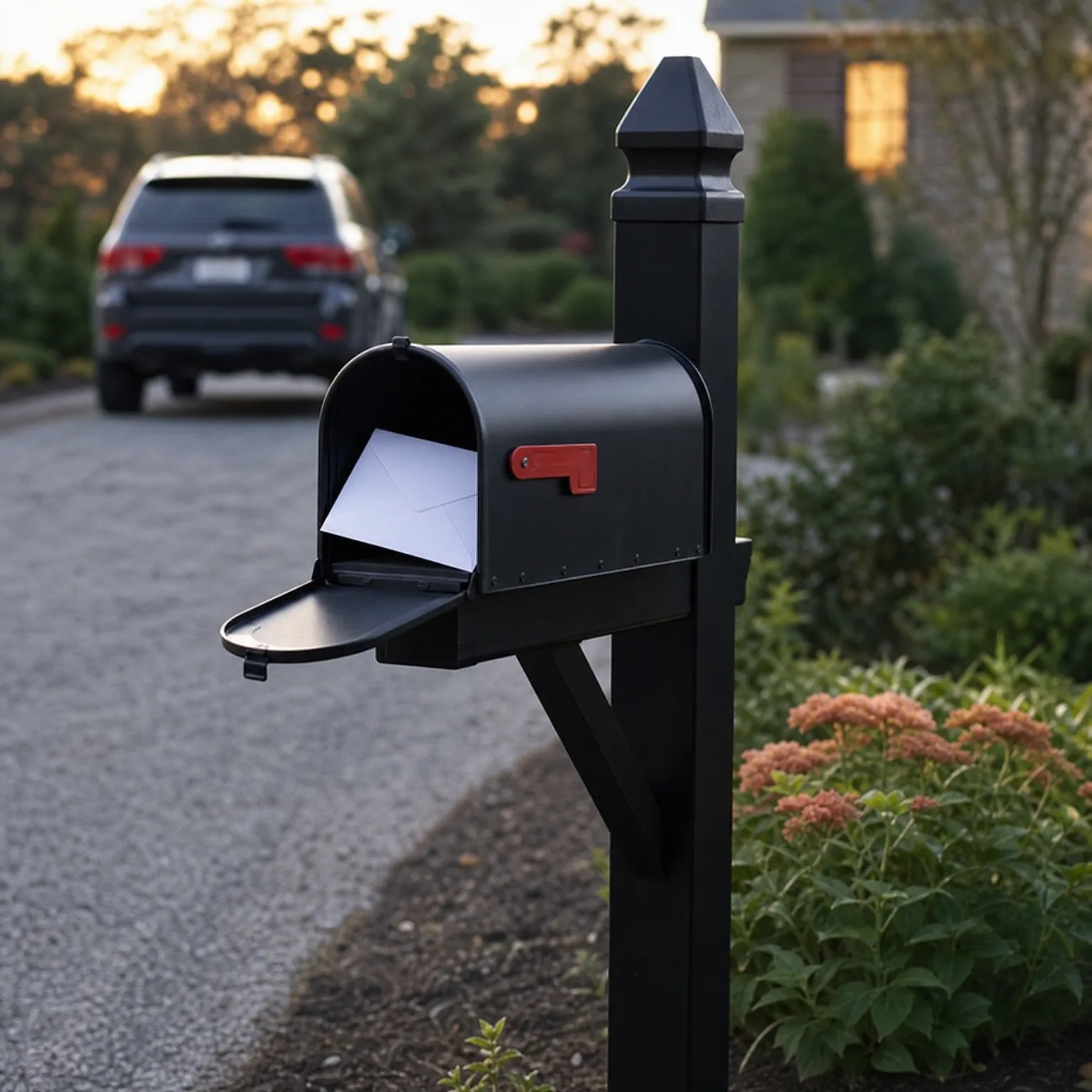
Maine's child support suspension reinstatement requires coordination between three separate agencies: the family court (or DHHS case worker), the Division of Support Enforcement and Recovery, and the Bureau of Motor Vehicles. Each assumes another has notified you of deadlines. None automatically shares clearance status with the others.
Most drivers follow this sequence and lose 30-45 days: they negotiate a payment plan with DSER, make the required catch-up payments, receive verbal confirmation their case is compliant, then drive to the BMV expecting immediate reinstatement. The BMV clerk searches the system and finds no clearance notice on file. The driver is told to contact DSER. DSER confirms compliance but explains the court must issue the clearance order. The court confirms the order was signed but not yet transmitted to BMV. The driver waits another billing cycle.
The missing step: after DSER confirms compliance, you must request a formal compliance certificate and hand-deliver or fax it to the BMV Enforcement Unit in Augusta. Verbal confirmation does not trigger the BMV's clearance queue. The compliance certificate is a single-page document stating your case number, the date compliance was achieved, and DSER's authorization to reinstate. Most drivers don't know this document exists because DSER does not automatically generate it—you must request it by name.


Maine Reinstatement Fee Structure for Child Support Cases
Maine's base reinstatement fee is $50, paid to the Bureau of Motor Vehicles once the clearance certificate posts to your driving record. This fee applies to most administrative suspensions, including child support arrears.
Unlike DUI or OUI reinstatements—which carry higher fees, require completion of the Driver Education and Evaluation Program (DEEP), and may trigger ignition interlock device requirements—child support reinstatements do not layer additional program fees onto the base amount. You pay the $50 reinstatement fee, show proof of current liability insurance, and receive your license back the same day if all clearances are in the BMV system.
Payment is accepted in person at BMV branch offices, by mail with a money order, or online through the Maine BMV reinstatement portal for eligible cases. Child support suspensions typically qualify for online reinstatement once the compliance certificate is processed, but verify your case status by calling the BMV Enforcement Unit at (207) 624-9000 extension 52114 before attempting online payment. If the clearance has not posted, the online system will reject your payment and you'll need to resubmit after the certificate processes.
Insurance Cost Impact: Why Standard Liability Rates Apply
Because Maine does not classify child support suspension as a moving violation or insurance-related offense, it does not appear on your motor vehicle record (MVR) as a risk factor. Carriers price your premium based on your driving history—accidents, speeding tickets, DUIs—not your child support payment status.
If you maintained continuous liability coverage during the suspension period, your rates remain unchanged post-reinstatement. If you canceled your policy during suspension because you weren't driving, expect to pay the same rate you would have paid at policy renewal, adjusted for any changes in your age, vehicle, or ZIP code.
For a college student's parent in Maine with a clean driving record, standard liability coverage meeting the state's minimum requirements (50/100/25: $50,000 bodily injury per person, $100,000 per accident, $25,000 property damage) typically costs $65-$95 per month. A driver with one prior at-fault accident might pay $85-$120 per month. Estimates based on available industry data; individual rates vary by carrier, vehicle, and location.
No SR-22 filing fee applies. No high-risk carrier assignment. No mandatory three-year filing period. You shop the standard market—State Farm, GEICO, Progressive, Allstate—on the same terms as any other Maine driver with your violation history.

Line Up Coverage Before Your License Comes Back
Get Back on the Road
Court Clearance Filing Fees and Payment Plan Costs
Maine family courts do not charge a separate reinstatement fee for child support compliance clearance. Once you satisfy the arrearage payment plan negotiated with DSER—or pay the full balance owed—the court issues the compliance order at no additional cost.
What does cost money: setting up the payment plan in the first place. If you negotiate a payment plan through a family court modification hearing, expect to pay a $120 filing fee for the motion to modify. If DSER handles the payment plan administratively without court involvement, no filing fee applies, but the plan's monthly payment amount may be higher than a court-ordered plan because DSER applies standard enforcement formulas rather than individualized hardship analysis.
For college students whose parents face suspension, the payment plan negotiation is the leverage point. If your parent's income dropped—job loss, medical leave, disability—or expenses spiked due to your tuition costs, a court hearing allows presentation of those hardship factors. DSER's administrative plans do not account for college expenses unless the original child support order specifically allocated education costs.
Once the plan is active, missed payments restart the suspension clock. Maine DSER typically allows one missed payment before re-suspending, but the second missed payment triggers automatic notification to the BMV. At that point, you're starting the clearance process over: another compliance certificate request, another BMV processing window, another $50 reinstatement fee if the license was reinstated and then re-suspended.

Total Cost Stack and Timeline for a Typical Case
A Maine driver whose license was suspended for child support arrears, who negotiates a court-supervised payment plan, completes six months of payments to achieve compliance, and reinstates with existing insurance intact faces this cost stack:
Court filing fee for payment plan modification: $120. DSER compliance certificate: $0 (administrative document, no fee). BMV reinstatement fee: $50. Insurance cost change: $0 if coverage was maintained, or standard liability rate at renewal if coverage lapsed. SR-22 filing fee: $0 (not required for this suspension type). Total one-time costs: $170, excluding any arrears payments made to satisfy the underlying child support obligation.
Timeline from final payment to driving legally: DSER processes compliance within 10-15 business days after receiving the last required payment. You request the compliance certificate the day DSER confirms compliance. DSER issues the certificate within 3-5 business days. You deliver the certificate to the BMV Enforcement Unit in Augusta by fax (207-624-9013) or in person. BMV posts the clearance within 5-7 business days if submitted by fax, same-day if submitted in person at the Augusta office. You pay the $50 reinstatement fee online or in person and receive your license.
Total elapsed time if you follow the correct sequence: 18-27 days from final payment to reinstated license. Most drivers lose an additional 30-45 days because they wait for automatic clearance notification that never comes, rather than requesting the compliance certificate proactively and hand-delivering it to the BMV.
What Happens If You Drive During Suspension
Maine treats operating after suspension (OAS) as a Class E crime when the underlying suspension was for child support non-payment. A first-offense OAS conviction carries a mandatory minimum $500 fine, up to 6 months in jail (rarely imposed for first offenses), and an additional suspension period of at least 30 days added to your existing suspension.
For a college student's parent, an OAS charge complicates the reinstatement timeline significantly. Even if you complete the child support payment plan and obtain the DSER compliance certificate, the BMV will not reinstate your license until the OAS suspension period is served and any OAS-related fines are paid. The two suspension types stack—they do not run concurrently.
If you're pulled over and cited for OAS, the officer may impound your vehicle. Maine law allows impoundment for up to 30 days for operating after suspension offenses. Impound fees run $150-$200 for towing plus $30-$50 per day storage at the impound lot. A 10-day impound adds $450-$700 to your total cost, beyond the OAS fine and extended suspension.
The safer path: if you need to drive for work, school drop-off, or medical appointments during the suspension period, petition the court for a restricted license. Maine allows restricted driving privileges during child support suspensions in some cases, though approval is not guaranteed and requires showing necessity and compliance with the payment plan.
Frequently Asked Questions
Do I need SR-22 insurance to reinstate my Maine license after child support suspension?
No. Maine does not require SR-22 filing for child support suspensions because they are administrative actions unrelated to driving behavior or insurance compliance. You need proof of standard liability insurance meeting Maine's 50/100/25 minimums, but no SR-22 certificate.
How long does it take Maine BMV to process a child support clearance certificate?
The BMV processes clearance certificates within 5-7 business days if submitted by fax to the Enforcement Unit, or same-day if you deliver it in person at the Augusta office. Most delays happen because drivers wait for automatic clearance instead of requesting and submitting the certificate themselves.
Can I get a restricted license in Maine while my child support case is being resolved?
Maine courts may grant restricted driving privileges during child support suspensions if you demonstrate necessity (work, medical appointments, school obligations) and active compliance with a payment plan. You must petition the court that issued the support order; the BMV does not grant restricted licenses administratively for child support cases.
What happens if I miss a payment on my Maine child support plan after reinstatement?
Missing one payment typically triggers a warning from DSER. A second missed payment results in automatic re-notification to the BMV and a new suspension. You'll need to request another compliance certificate and pay another $50 reinstatement fee once you're back in compliance.
Does a Maine child support suspension show up on my driving record for insurance?
No. Child support suspensions are administrative actions that do not appear on your motor vehicle record as violations. Insurance carriers rate your premium based on your driving history—accidents, speeding tickets, DUIs—not your child support payment status.
How much does it cost to reinstate a Maine license suspended for child support if I already paid the arrears?
If you've satisfied the arrearage and obtained a compliance certificate from DSER, the BMV charges a $50 reinstatement fee. You also need proof of current liability insurance. No SR-22 filing fee applies. Total one-time reinstatement cost is $50 plus any insurance premium if your coverage lapsed during suspension.
Related Articles
Maine Child Support Suspension: SR-22 & Reinstatement
5/3/2026

Maine Child Support Suspension: Real Reinstatement Costs
5/3/2026

Reinstate Maine License After Child Support Hold
5/3/2026

Maine CDL Reinstatement Costs: Child Support Path
5/3/2026

Maine Child Support Suspension Reinstatement Timeline
5/3/2026

MA Child Support Suspension Costs: Reinstatement Fees
5/3/2026