
Child Support Arrears Suspension in Louisiana: Rideshare Timeline
Free to compare
Why Louisiana Child Support Suspensions Don't Require SR-22 but Still Block Rideshare Work
Louisiana child support arrears suspensions are administrative actions issued by the Louisiana Office of Motor Vehicles (OMV) at the request of the Department of Children and Family Services (DCFS). No SR-22 filing is required because the suspension is unrelated to a driving violation, insurance lapse, or DUI conviction.
Rideshare platforms like Uber and Lyft conduct continuous background checks that flag license suspensions within 24-48 hours of the OMV posting the action to your driving record. Your account is deactivated automatically. Most drivers assume reinstatement is a single-step process once they satisfy the child support obligation, but Louisiana operates a three-party clearance system where timing gaps create unnecessary delays.
The OMV will not process your reinstatement application until DCFS notifies the family court of compliance and the court issues a formal clearance order. Filing reinstatement paperwork before that clearance order posts creates a rejection loop that adds 30-60 days to your timeline because OMV will not accept partial documentation or verbal confirmation from DCFS.

How the Three-Agency Timeline Actually Works in Louisiana
Louisiana's child support suspension reinstatement involves the Department of Children and Family Services, the family court that issued the original support order, and the OMV. Each agency operates independently with no centralized case tracking.
DCFS issues the initial suspension request to OMV when you fall behind on payments. Once you satisfy the arrears or enter a compliant payment plan, DCFS must notify the family court. The court then issues a compliance notice that formally clears you for reinstatement. That compliance notice is sent to OMV, but the transmission is not instantaneous and there is no tracking number or confirmation system linking the three agencies.
Most drivers pay the arrears, receive verbal confirmation from DCFS, and immediately drive to an OMV office expecting to reinstate. OMV rejects the application because the court clearance has not posted to their system yet. You leave without knowing whether the court has even been notified by DCFS. The compliance notice can take 15-30 days to generate after DCFS files, and OMV processing adds another 7-14 days after receipt.
Rideshare drivers lose 4-8 weeks of income during this gap because the suspension remains active on your driving record until OMV processes the final clearance. Platforms will not reactivate your account based on DCFS payment receipts or family court hearing dates—only a clear OMV driving record.

Why Filing OMV Reinstatement Before Court Clearance Posts Restarts Your Timeline
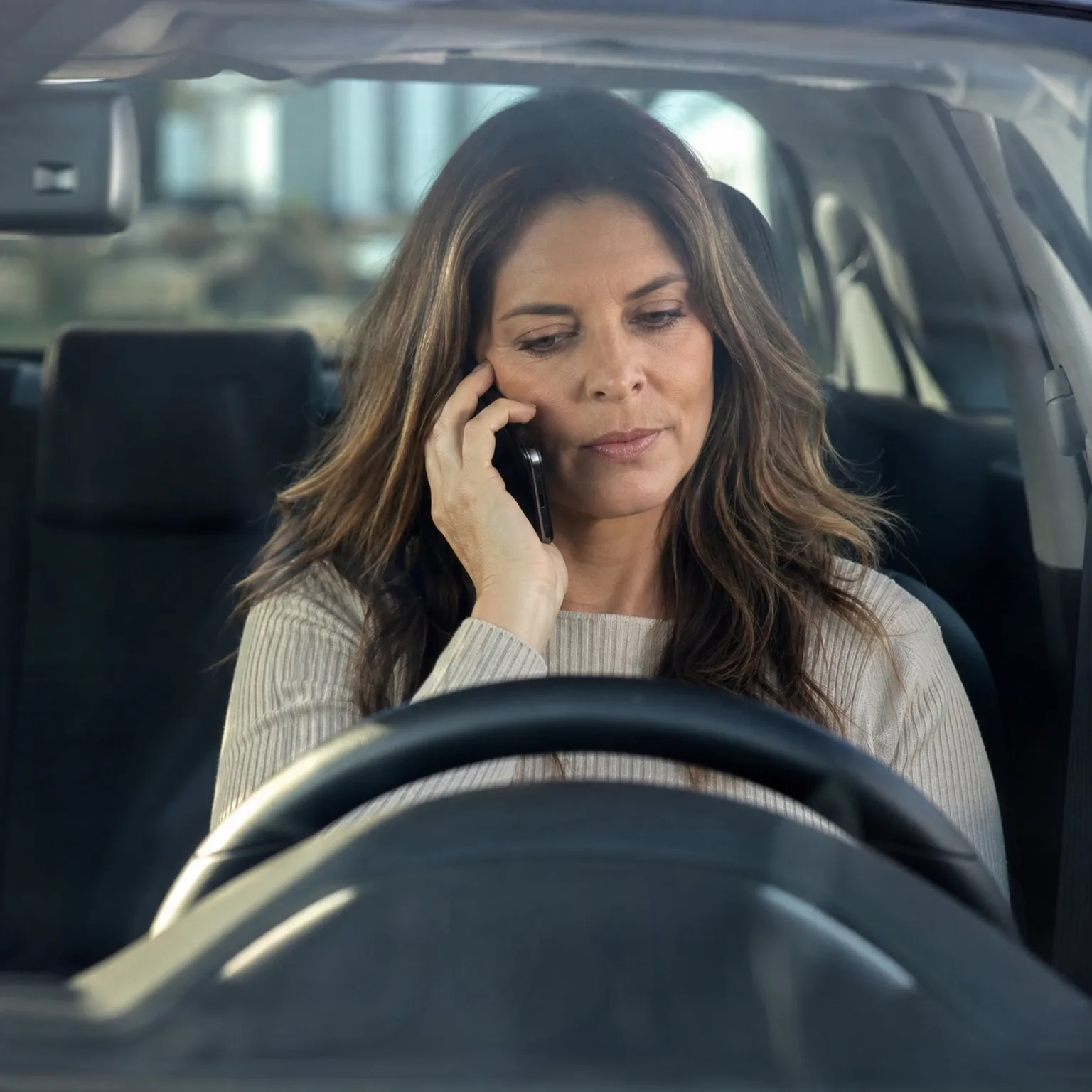
Louisiana OMV requires three documents to process a child support reinstatement: proof of compliance from DCFS, the family court compliance notice, and the $60 base reinstatement fee. If you submit your application before the court compliance notice has been transmitted to OMV, your application is rejected and you must resubmit after clearance posts.
The rejection does not preserve your application date. You start over. This matters for rideshare drivers because the suspension remains visible on background checks until OMV completes processing, which typically takes 7-14 business days after all required documents are received.
Drivers who attempt to expedite the process by filing early create a documentation mismatch. OMV sees the DCFS payment confirmation but no corresponding court order. The system flags the application as incomplete. You receive a rejection notice by mail 10-15 days later explaining the missing court clearance, but by then the court clearance may have already posted—and you still need to resubmit a new application with a new fee.
The correct sequence: confirm DCFS has notified the court, wait for the court to issue the compliance notice, confirm the notice has been transmitted to OMV, then file reinstatement. Most drivers skip the confirmation steps and pay twice.
What Rideshare Drivers Need to Document During the Gap Period
Rideshare platforms require continuous valid licensure. A lapse of even one day between suspension and reinstatement triggers account review. You cannot drive during the suspension period even if you have paid the arrears and are waiting for OMV clearance.
Document every step of the clearance process with dated receipts and case numbers. DCFS should provide a payment receipt or compliance letter showing the date arrears were satisfied. Request a case number from the family court clerk confirming when DCFS filed the compliance notification. Call OMV's suspension unit 7-10 days after the court filing to confirm whether the compliance notice has posted to your record.
Do not rely on verbal confirmation from any agency. Louisiana's civil-law administrative procedures do not treat verbal assurances as binding documentation. If OMV says they have not received the court clearance, your reinstatement application will be rejected even if DCFS and the court both confirm on the phone that paperwork was filed.
Rideshare drivers who maintain a timeline log with agency contact dates, case numbers, and supervisor names reduce their gap period by an average of 15-20 days because they can escalate delays with specific documentation rather than starting inquiries from scratch each time they call.

Line Up Coverage Before Your License Comes Back
Get Back on the Road
Louisiana Restricted License Availability During Child Support Suspensions
Louisiana offers a Restricted License program that permits limited driving during most suspension periods, but child support arrears suspensions are not eligible for restricted driving privileges under Louisiana Revised Statutes Title 32. The restricted license statute (La. R.S. 32:415.1) applies to DUI suspensions, points-related suspensions, and certain traffic violations, but family court support enforcement actions fall outside the scope of the hardship program.
Rideshare drivers cannot apply for a restricted license to maintain earnings while waiting for clearance. The suspension is binary: you either satisfy the arrears and complete the three-agency clearance process, or your license remains suspended. There is no provisional work-only license available during the gap period.
This creates significant financial pressure for drivers whose primary income depends on platform access. Unlike DUI suspensions where Louisiana allows restricted driving after a hard suspension period, child support cases offer no interim driving privileges. The only path forward is full reinstatement, which requires coordinating DCFS, family court, and OMV clearance in the correct sequence.
Why Insurance During Suspension Still Matters for Rideshare Reinstatement
Louisiana does not require SR-22 filing for child support suspensions, but letting your auto insurance lapse during the suspension period complicates reinstatement because rideshare platforms require continuous coverage history.
Uber and Lyft both verify insurance status during account reactivation background checks. A coverage gap of more than 30 days in the past 12 months flags your application for manual review even after your license is reinstated. Most drivers assume they can cancel insurance during suspension to save money, then restart coverage when reinstatement clears. This creates a lapse notation that delays platform reactivation by 5-10 business days while the rideshare compliance team reviews your case.
If you do not currently own a vehicle, consider a non-owner liability policy to maintain continuous coverage during the suspension period. Louisiana requires minimum liability coverage of 15/30/25, and non-owner policies typically cost $30-50/month for drivers with clean records. This is lower than comprehensive coverage on an owned vehicle and prevents the lapse notation that complicates platform reactivation.
Rideshare platforms do not accept arguments that insurance was unnecessary during suspension. The background check systems flag coverage gaps automatically, and manual review processes add 7-14 days to reactivation timelines. Maintaining low-cost liability coverage during the suspension eliminates this delay.
What to Do Right Now If Your License Was Suspended for Child Support Arrears
Contact DCFS immediately to confirm your current arrears balance and payment plan options. Request written confirmation of any payment agreement and ask for the case worker's direct contact information. Most DCFS offices process compliance notifications within 10-15 business days of arrears satisfaction, but the notification to family court is not automatic—you may need to follow up.
Call the family court clerk in the parish where your support order was issued. Confirm DCFS has filed the compliance notification and ask for the case number and expected issuance date for the court compliance notice. Louisiana family courts do not provide real-time status updates online for child support cases, so phone verification is the only reliable method.
Wait for confirmation that the court compliance notice has been transmitted to OMV before filing your reinstatement application. Call OMV's suspension unit at (225) 925-6388 to verify the clearance has posted to your record. Only after OMV confirms receipt should you submit the reinstatement application with the $60 fee.
If you need to resume rideshare work immediately, budget 45-60 days from arrears payment to platform reactivation. The three-agency clearance process cannot be accelerated by paying expedite fees or hiring an attorney—Louisiana does not offer emergency reinstatement for child support suspensions. Maintaining continuous insurance coverage during this period prevents the secondary delay most drivers encounter during platform background checks.
Frequently Asked Questions
Do I need SR-22 insurance to reinstate my license after a child support suspension in Louisiana?
No. Louisiana does not require SR-22 filing for child support arrears suspensions because the suspension is administrative, not tied to a driving violation or insurance lapse. You need proof of compliance from DCFS and a family court clearance notice to reinstate with OMV.
How long does it take OMV to process reinstatement after the family court clears my child support case?
OMV typically processes reinstatement applications 7-14 business days after receiving the court compliance notice and your $60 reinstatement fee. The compliance notice itself can take 15-30 days to transmit from the court to OMV after DCFS files the notification.
Can I get a hardship license in Louisiana while my license is suspended for child support?
No. Louisiana's Restricted License program under La. R.S. 32:415.1 does not apply to child support arrears suspensions. Restricted licenses are available for DUI and certain traffic violations, but family court support enforcement actions are not eligible for interim driving privileges.
Will Uber or Lyft reactivate my account as soon as my license is reinstated?
Platform reactivation typically takes 3-7 business days after your license is reinstated because rideshare companies run background checks that verify OMV clearance. If you had an insurance lapse during suspension, manual review can add another 5-10 business days to the process.
What happens if I file my OMV reinstatement application before the court compliance notice posts?
OMV will reject your application and you will need to resubmit with a new $60 fee after the court clearance posts. The rejection does not preserve your application date, so filing early adds 30-45 days to your total reinstatement timeline.
Should I keep my car insurance active during a child support suspension in Louisiana?
Yes. Rideshare platforms flag coverage gaps longer than 30 days during account reactivation background checks, which can delay your return to driving by 7-14 days. A non-owner liability policy costs $30-50/month and prevents lapse-related delays.
How do I confirm the family court has sent my compliance notice to OMV?
Call OMV's suspension unit at (225) 925-6388 and provide your driver's license number. OMV can confirm whether the court clearance has posted to your record. Do not file reinstatement until OMV confirms receipt—verbal confirmation from the court is not sufficient.
Related Articles

LA Child Support Suspension Costs for Rideshare Drivers
5/3/2026

LA Child Support Suspension: Rideshare Reinstatement
5/3/2026

LA Child Support Suspension: SR-22 & Insurance Timing
5/3/2026

Louisiana Child Support Suspension: SR-22 & College Gaps
5/3/2026

LA CDL Child Support Suspension: Reinstatement Timeline
5/3/2026
LA Child Support Suspension: Court to OMV Clearance Gap
5/3/2026