
Georgia Child Support License Suspension: Rideshare Cost Stack
Free to compare
Why Georgia DDS Conflates Child Support Suspensions With SR-22 Requirements
Georgia Department of Driver Services suspends licenses for child support arrears under O.C.G.A. § 19-11-9.3, an administrative action triggered by the Division of Child Support Services. The suspension is purely administrative—no moving violation, no crash, no lapse in coverage. Georgia law requires SR-22 filing only for insurance-related suspensions under O.C.G.A. § 33-34-12 or certain DUI and reckless driving convictions under O.C.G.A. § 40-5-57.1. Child support suspensions fall into neither category.
Yet when you call DDS or visit a customer service center in metro Atlanta, Savannah, or Augusta to ask about reinstatement requirements, front-line staff frequently say you need SR-22. The confusion stems from Georgia's Electronic Insurance Compliance System (GEICS), which monitors continuous coverage on registered vehicles statewide. DDS staff see the GEICS database and assume any suspension with an active vehicle registration requires SR-22 proof. This conflation adds $400–$700/year in unnecessary SR-22 carrier fees to a reinstatement process that already costs $200 in base reinstatement fees, plus court-ordered arrears payments.
The actual requirement: proof of current liability insurance. Not SR-22. Standard liability coverage meets Georgia's minimum coverage requirement of 25/50/25 ($25,000 bodily injury per person, $50,000 per accident, $25,000 property damage). If you own a vehicle and it's registered in Georgia, GEICS will verify your active policy electronically when DDS processes your reinstatement. If you don't own a vehicle, a non-owner liability policy satisfies the requirement without SR-22 endorsement.

What Triggers Reinstatement Eligibility After Child Support Arrears Suspension
Georgia Division of Child Support Services (DCSS) initiates the suspension when arrears reach a threshold set by the custodial parent's case or court order, typically $2,500 or 90 days delinquent, whichever comes first. DCSS sends notice to DDS, and DDS suspends your license 60 days after the notice date unless you arrange a payment plan or clear the arrears.
Reinstatement eligibility begins when DCSS issues a compliance notice to DDS. This happens in one of three scenarios: you pay arrears in full and DCSS confirms receipt, you enter a court-approved payment plan and make the first payment, or the custodial parent or IV-D agency withdraws the suspension request. DCSS does not notify you directly when the compliance notice is sent—you must request written confirmation from your local DCSS office. Most drivers assume DDS receives the notice immediately, but DCSS processing delays mean the compliance notice often doesn't reach DDS for 10–15 business days after your payment posts.
Once DDS receives the compliance notice, you can apply for reinstatement online at online.dds.ga.gov or in person at any DDS customer service center. The $200 reinstatement fee applies regardless of whether you apply online or in person. If you have an active vehicle registration, GEICS must show continuous liability coverage or you'll face a secondary uninsured motorist suspension on top of the child support reinstatement—adding another $200 fee and mandatory 3-year SR-22 filing requirement. If your policy lapsed during the suspension period, resolve the lapse before applying for child support reinstatement or you'll trigger the SR-22 pathway unnecessarily.
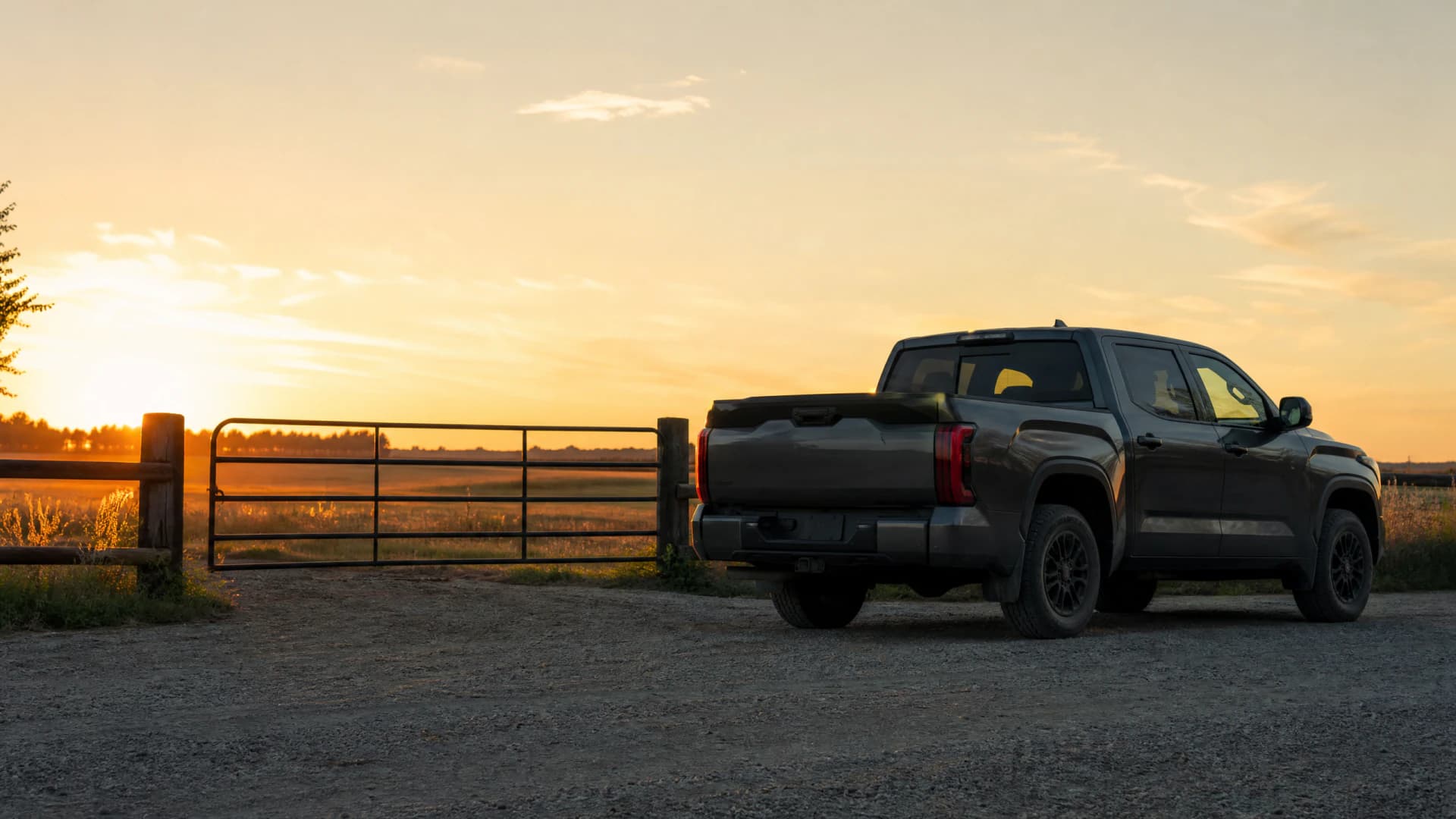

Actual Reinstatement Cost Stack for Georgia Rideshare Drivers
Base reinstatement fee: $200, paid to Georgia DDS at time of application. This fee is suspension-type-specific—child support suspensions fall into the administrative reinstatement category, not the higher-tier DUI or habitual violator fee structure.
Liability insurance premium: $85–$140/month for rideshare drivers with clean records, $140–$220/month for drivers with prior violations or gaps in coverage history. Rideshare activity increases premium cost 15–30% over personal-use-only policies because of higher exposure miles and third-party passenger risk. Carriers price rideshare endorsements separately—expect $20–$40/month added to your base personal liability rate. If you don't own a vehicle, non-owner liability policies cost $35–$60/month and satisfy Georgia's proof-of-insurance requirement without SR-22 filing.
SR-22 filing fee (if incorrectly required): $25–$50 one-time filing fee, plus $15–$25/month carrier processing fee for the 3-year filing period. Most Georgia carriers charge the processing fee monthly, not annually, which means you'll pay $540–$900 over three years in SR-22 surcharges alone—on top of the base liability premium increase.
Total first-month cost for correct reinstatement pathway (no SR-22): $285–$340 (reinstatement fee + first month premium). Total first-month cost if DDS incorrectly requires SR-22: $325–$415 (reinstatement fee + first month premium + SR-22 filing fee + first month SR-22 processing fee). Over 36 months, the SR-22 pathway costs an additional $540–$900 compared to standard liability coverage.

Line Up Coverage Before Your License Comes Back
Get Back on the RoadHow to Confirm SR-22 Is Not Required Before You File
Call Georgia DDS reinstatement unit directly at 678-413-8400 and ask for written confirmation of reinstatement requirements specific to suspension code 19-11-9.3. Front-line customer service staff at local DDS centers often provide generic answers pulled from the uninsured motorist reinstatement script. The reinstatement unit has access to your full suspension history and can confirm whether SR-22 filing is legally required or administratively recommended.
If DDS staff insist SR-22 is required, request the specific statute or administrative rule that mandates it for child support suspensions. O.C.G.A. § 19-11-9.3 governs child support license suspensions and contains no SR-22 filing language. O.C.G.A. § 33-34-12 governs SR-22 requirements and applies only to insurance-related suspensions and certain moving violations. If staff cannot cite a statute, ask to escalate to a supervisor and request the requirement in writing.
Before you pay a carrier for SR-22 filing, check your suspension notice letter from DDS. The notice lists specific reinstatement requirements by code. If the notice says "proof of insurance" without mentioning SR-22 or Certificate of Financial Responsibility, standard liability coverage is sufficient. If the notice lists "SR-22 filing" explicitly, verify the suspension cause—it's possible you have a secondary suspension (insurance lapse, uninsured motorist violation) stacked on top of the child support suspension, which would trigger the SR-22 requirement independently.

What Rideshare Platforms Require After License Reinstatement
Uber and Lyft run continuous MVR monitoring in Georgia. Your license suspension appears on your MVR within 24–48 hours of DDS processing the suspension notice. Both platforms deactivate drivers immediately when a suspension posts, regardless of cause. Reinstatement does not automatically trigger reactivation—you must upload your reinstated license and current insurance proof to the platform's driver portal and request a background recheck.
Uber's reactivation process takes 3–7 business days after you submit documentation. Lyft's process typically takes 5–10 business days. Neither platform notifies you when the background recheck is complete—you'll see your account status change from "suspended" to "active" in the app. If reactivation is delayed beyond 10 business days, contact driver support and request manual escalation. Delays most often occur when the uploaded license image doesn't show the reinstatement date clearly or when your insurance card lists a policy effective date that doesn't align with the DDS reinstatement date.
Both platforms require rideshare endorsement or commercial coverage in Georgia. Personal liability policies without rideshare endorsement will trigger a policy compliance flag during the background recheck. If you purchased a non-owner policy to satisfy DDS reinstatement requirements, you cannot drive for Uber or Lyft until you obtain a rideshare-endorsed personal policy or commercial policy tied to a specific vehicle. Most Georgia carriers offering rideshare endorsements require you to own or lease the vehicle listed on the policy—non-owner rideshare policies are not widely available in this state.

Limited Driving Permit Availability During Child Support Suspension
Georgia offers a Limited Driving Permit (LDP) for certain suspension types, issued by Superior Court judges rather than DDS. HB 205, effective July 1, 2024, expanded LDP eligibility to include some administrative suspensions, but child support suspensions under O.C.G.A. § 19-11-9.3 are explicitly excluded from LDP eligibility. The statute requires full compliance with child support obligations or an approved payment plan before driving privileges can be restored, even on a restricted basis.
If you have a secondary suspension stacked on your child support suspension—points accumulation, DUI, uninsured motorist violation—you may be eligible for an LDP to address the secondary suspension while the child support suspension remains active. The court evaluates each suspension cause independently. LDP petitions require proof of need (employment affidavit, medical appointment documentation, court-ordered program attendance), SR-22 filing for most suspension types, and payment of court filing fees ($150–$300 depending on county).
For rideshare drivers, LDP permits issued in Georgia typically restrict driving to employment purposes only, with court-defined time and route restrictions. Rideshare driving does not qualify as traditional employment for LDP purposes in most Georgia counties because routes vary by passenger request and cannot be pre-approved by the court. If you petition for an LDP to maintain W-2 employment or attend a court-ordered program, expect the court to deny rideshare activity as an approved purpose even if the permit is granted.
Frequently Asked Questions
Does Georgia require SR-22 filing to reinstate a license suspended for child support arrears?
No. Georgia law requires SR-22 filing only for insurance-related suspensions and certain DUI or reckless driving convictions. Child support suspensions under O.C.G.A. § 19-11-9.3 require proof of current liability insurance, but standard coverage without SR-22 endorsement satisfies the requirement. DDS staff sometimes incorrectly state SR-22 is required—request written confirmation and the specific statute before paying for SR-22 filing.
How long does it take for Georgia DCSS to send a compliance notice to DDS after I pay arrears?
DCSS typically processes compliance notices within 10–15 business days after your payment posts to the case account. DCSS does not notify you when the notice is sent to DDS—you must request written confirmation from your local DCSS office. DDS cannot process your reinstatement application until the compliance notice is received, which means most drivers wait 2–3 weeks between payment and eligibility.
Can I drive for Uber or Lyft with a non-owner liability policy after reinstatement?
No. Both Uber and Lyft require rideshare endorsement or commercial coverage tied to a specific vehicle. Non-owner policies satisfy DDS reinstatement requirements but do not meet platform insurance standards. You must obtain a rideshare-endorsed personal policy on a vehicle you own or lease before you can reactivate your driver account.
What happens if my insurance lapsed during the child support suspension period?
Georgia's GEICS system monitors continuous coverage on registered vehicles. If your policy lapsed during suspension, DDS will add a secondary uninsured motorist suspension when you apply for child support reinstatement. This triggers a separate $200 reinstatement fee and mandatory 3-year SR-22 filing requirement. Resolve the lapse by obtaining coverage and maintaining it for 30 days before applying for child support reinstatement to avoid the SR-22 pathway.
Can I get a Limited Driving Permit during a Georgia child support suspension?
No. Georgia law explicitly excludes child support suspensions under O.C.G.A. § 19-11-9.3 from Limited Driving Permit eligibility. The statute requires full compliance with child support obligations or an approved payment plan before any driving privileges can be restored. If you have a secondary suspension (DUI, points, uninsured motorist), you may petition for an LDP to address that suspension separately.
How much does rideshare endorsement add to Georgia liability insurance rates?
Rideshare endorsements typically add $20–$40/month to your base personal liability premium in Georgia. Carriers price the endorsement separately because rideshare driving increases exposure miles and third-party passenger risk. Drivers with prior violations or coverage gaps pay higher base rates, which means the rideshare surcharge stacks on top of an already elevated premium.
Do I need to notify Uber or Lyft when my Georgia license is reinstated?
Yes. Neither platform automatically reactivates drivers after reinstatement. You must upload your reinstated license and current insurance proof to the driver portal and request a background recheck. Uber's reactivation process takes 3–7 business days; Lyft's takes 5–10 business days. If reactivation is delayed beyond 10 days, contact driver support and request manual escalation.
Related Articles

GA Child Support Reinstatement: SR-22 & Coverage Gaps
5/3/2026

GA Child Support SR-22 Timing & Lapse Documentation
5/3/2026

GA Child Support Suspension: SR-22 & Reinstatement
5/3/2026
Georgia CDL Child Support Reinstatement Costs & Fees
5/3/2026
GA DUI Reinstatement Costs for Rideshare Drivers
5/3/2026

GA Rideshare Lapse Reinstatement: Cost & SR-22 Filing
5/3/2026