
Delaware Child Support Suspensions: SR-22 Timing & Lapse Risk
Free to compare
Delaware's child support suspension requires no SR-22 filing—but the timing sequence still matters
Delaware suspends your driver's license for child support arrears through the Division of Child Support Services (DCSS), not for a moving violation or DUI. That administrative distinction means you do not need to file SR-22 insurance to reinstate. No carrier notification to DMV. No 3-year continuous coverage requirement. Just proof you've satisfied the payment plan or arrearage threshold the family court set.
The problem is coordination timing. Delaware DMV will not process your license reinstatement until DCSS submits a compliance notice confirming you've met the payment terms. Most single parents bring proof of insurance and payment receipts directly to DMV, only to be told the system shows no clearance from family court. You wait. You call DCSS. DCSS tells you they submitted it two weeks ago. DMV says they haven't received it. This gap extends suspensions by 30 to 45 days even after you've satisfied every financial requirement.
You need continuous insurance during the suspension period if you're driving on a Conditional License, but that requirement is separate from reinstatement. The insurance is for the restricted driving privileges, not the SR-22 filing system most DUI drivers navigate. If you let that Conditional License insurance lapse while waiting for family court clearance, you trigger a new insurance-lapse suspension on top of the child support suspension—and that second suspension does require SR-22 in Delaware under 21 Del. C. § 2118.

The three-agency coordination process most Delaware parents don't see until it delays them
Delaware's child support suspension involves three separate agencies with no centralized communication system: the Division of Child Support Services (which initiates the suspension), the family court (which issues compliance notices when you satisfy payment terms), and the Delaware DMV (which processes the actual license reinstatement). None of these entities automatically notifies the others when your status changes.
Here's the sequence: DCSS suspends your license for arrears. You enter a payment plan or pay the threshold amount DCSS requires. Family court reviews your payment compliance and issues a release notice to DCSS. DCSS then submits that release to DMV. DMV processes the reinstatement—but only after the release posts to their system, which can take 10 to 20 business days from the date family court issues the notice.
Most parents assume paying DCSS directly clears the suspension. It does not. You must confirm family court has issued the compliance notice and DCSS has forwarded it to DMV. Call DCSS first to verify they received the court release. Then call DMV to confirm the release posted to your driving record. Do not go to DMV for reinstatement until both agencies confirm the release is in their system. Showing up early with payment receipts wastes a trip and extends the timeline because DMV cannot override the suspension without the DCSS release code in their database.


Conditional License insurance requirements during the child support suspension period
Delaware offers a Conditional License for child support suspensions, allowing you to drive to work, school, medical appointments, and other court-approved destinations while the suspension is active. You must maintain continuous liability insurance to keep the Conditional License valid. That coverage is not SR-22, but it must meet Delaware's minimum liability limits: 25/50/10 (twenty-five thousand dollars per person for bodily injury, fifty thousand per accident, ten thousand for property damage).
If your insurance lapses at any point during the Conditional License period, Delaware DMV suspends your driving privileges again—this time for uninsured operation under 21 Del. C. § 2118. That second suspension requires SR-22 filing for reinstatement and runs concurrently with the child support suspension. You now face two separate reinstatement processes with different requirements and different clearance agencies.
Carriers send electronic cancellation notices to Delaware DMV within 10 days of a policy lapse. DMV processes the insurance suspension automatically, often before you receive the carrier's cancellation letter. Most single parents on payment plans assume they can drop coverage once they've paid the arrearage threshold, not realizing the Conditional License requires active insurance until family court issues the compliance notice and DMV processes full reinstatement. Verify your compliance notice has posted to DMV before canceling any active auto insurance policy.

Line Up Coverage Before Your License Comes Back
Get Back on the RoadThe lapse-gap documentation problem after reinstatement
Even after DMV reinstates your license following family court clearance, many carriers flag your driving record for the coverage lapse that occurred during the suspension period. Delaware law does not require you to maintain insurance while suspended if you're not driving on a Conditional License, but carriers treat any lapse longer than 30 days as a high-risk signal when you apply for new coverage.
You need documentation proving the lapse occurred during a license suspension, not voluntary cancellation. Request a certified copy of your DMV suspension notice showing the suspension start and end dates. Request the family court compliance notice showing the date DCSS released the suspension. These two documents together prove the lapse was involuntary and tied to administrative action, not negligence. Submit both to your carrier when applying for new coverage or reinstating a canceled policy.
Carriers cannot charge SR-22 rates for a child support suspension that never required SR-22 filing, but they can and do apply lapse surcharges if you cannot document the suspension period. The surcharge typically adds 20 to 40 percent to your base premium for 12 to 36 months. Some carriers waive the lapse penalty entirely when you provide certified suspension documentation. Call your carrier before applying to confirm what documentation they accept and whether they distinguish between SR-22 suspensions and administrative child support suspensions in their underwriting system.

Payment plan timing and partial compliance scenarios
Delaware DCSS offers payment plans for arrears that allow you to avoid suspension if you maintain consistent payments. The threshold for suspension release varies by case—some family court orders require full arrearage payment, others require six consecutive on-time payments, and some require reaching a specific percentage of the total owed. Your payment plan agreement specifies the compliance threshold, and family court will not issue a release notice until you meet it.
Partial payments do not trigger early release. If your plan requires six months of payments and you pay three months, then miss one, the count resets. DCSS does not prorate compliance. You start the six-month count again from the first payment after the missed month. Most parents assume makeup payments count retroactively. They do not. The family court tracks consecutive compliance, not total dollars paid.
If you're driving on a Conditional License during the payment plan period, maintain continuous insurance through the entire plan term plus the 30-45 day DMV processing window after family court issues the release. Canceling coverage the day you make your final payment triggers an insurance lapse suspension before the child support suspension clears. That lapse suspension requires SR-22 and a $25 reinstatement fee under 21 Del. C. § 2717, even though the original child support suspension required neither.
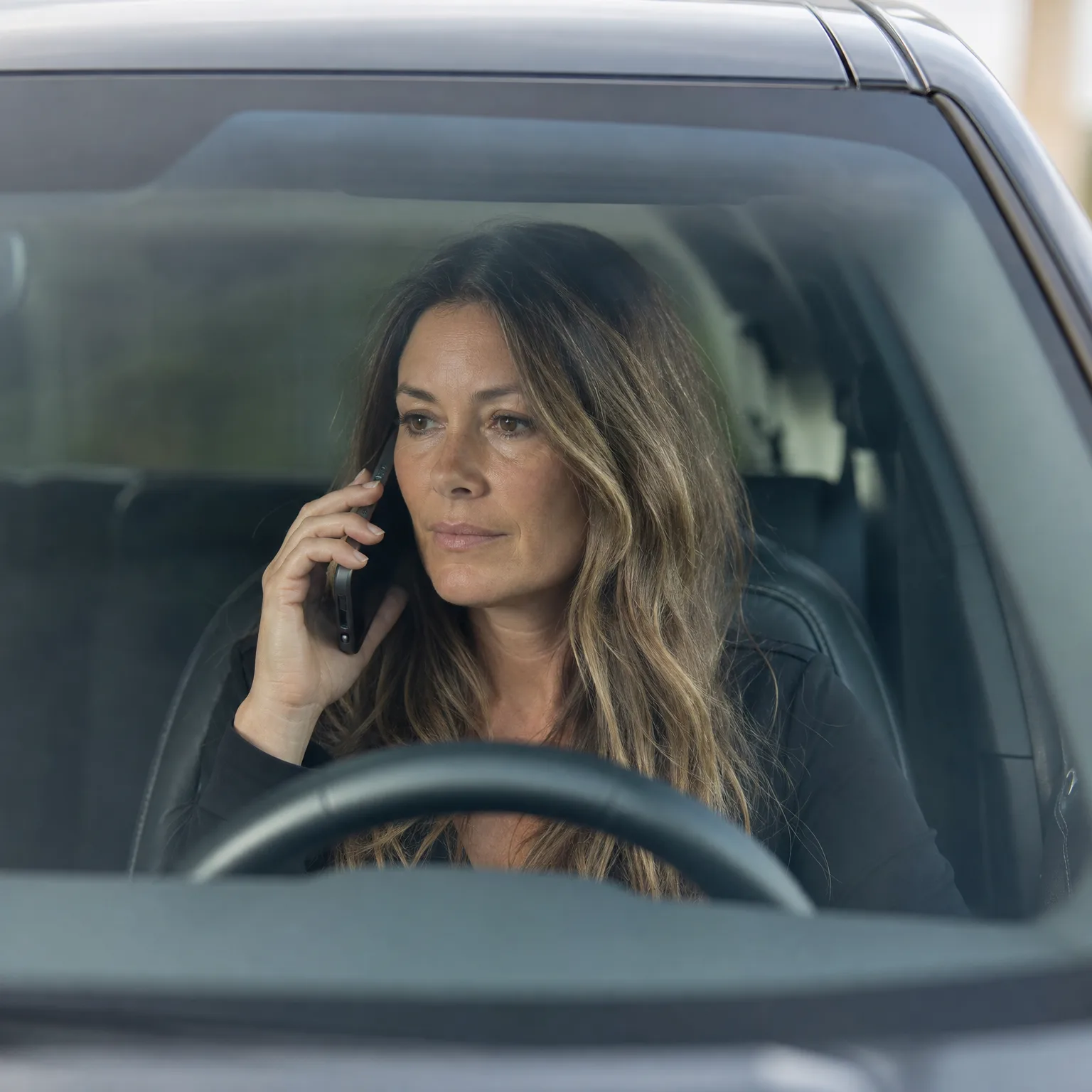
What to do about insurance during and after a Delaware child support suspension
If you're not driving and do not have a Conditional License, you are not required to maintain auto insurance during the suspension period. Delaware does not mandate coverage for non-drivers. Drop your policy if you're not using a vehicle and cannot afford premiums during the payment plan period. Just document the suspension with a certified DMV notice so you can prove the lapse was involuntary when you reinstate coverage later.
If you need to drive for work or family obligations, apply for a Conditional License through Delaware DMV. You'll need proof of employment or essential need, a completed application, and an SR-22 certificate—wait, that's incorrect for child support cases. Delaware requires SR-22 only for DUI and certain moving violations. For child support Conditional Licenses, you need proof of standard liability insurance meeting state minimums, not SR-22. Bring your insurance ID card, proof of employment, and the suspension notice to DMV when applying.
Once family court issues your compliance notice and DMV processes reinstatement, shop for new coverage immediately if you dropped your policy during suspension. Expect lapse surcharges unless you provide certified suspension documentation. Carriers specializing in non-standard or post-suspension coverage typically offer better rates than standard-market carriers for drivers with recent administrative suspensions. Compare at least three quotes and submit your DMV suspension notice and family court release with every application to avoid SR-22 pricing on a case that never required SR-22 filing.
Frequently Asked Questions
Does Delaware require SR-22 for child support license suspensions?
No. Delaware child support suspensions are administrative actions initiated by the Division of Child Support Services, not moving violations. You do not need SR-22 to reinstate your license after satisfying the payment plan or arrearage threshold. You only need proof of standard liability insurance if you're driving on a Conditional License during the suspension period.
How long does it take Delaware DMV to process reinstatement after I pay my child support arrears?
Delaware DMV processes reinstatement after the family court issues a compliance notice to DCSS and DCSS submits that release to DMV. The coordination delay typically adds 30 to 45 days after your final payment. Call DCSS to confirm the court release was submitted, then call DMV to verify it posted to your record before going in person for reinstatement.
Can I drop my car insurance while my Delaware license is suspended for child support?
Yes, if you're not driving and do not have a Conditional License. Delaware does not require non-drivers to maintain insurance. Request a certified copy of your DMV suspension notice to document the lapse period as involuntary when you apply for new coverage after reinstatement. If you're driving on a Conditional License, you must maintain continuous liability coverage or face a separate insurance lapse suspension that does require SR-22.
What happens if my insurance lapses while I'm on a Delaware Conditional License for child support?
Delaware DMV suspends your driving privileges for uninsured operation under 21 Del. C. § 2118. That suspension runs concurrently with your child support suspension and requires SR-22 filing for reinstatement, even though the original child support suspension did not. You now face two separate reinstatement processes with different requirements and a $25 reinstatement fee for the insurance lapse.
Will carriers charge me SR-22 rates after a Delaware child support suspension?
Not if you provide documentation proving the suspension was for child support arrears, not a DUI or moving violation. Submit your certified DMV suspension notice and family court compliance release when applying for coverage. Carriers may still apply a lapse surcharge if you dropped coverage during the suspension, but they cannot charge SR-22 rates for a suspension type that never required SR-22 filing.
How do I prove to Delaware DMV that my child support arrears are paid?
You do not prove it to DMV directly. The family court issues a compliance notice to DCSS after reviewing your payment plan completion, and DCSS submits that release to DMV. DMV processes reinstatement only after the release posts to their system. Bringing payment receipts to DMV without the DCSS release code does not expedite the process. Verify the release posted by calling DCSS and DMV before scheduling your reinstatement appointment.
Related Articles
Delaware CDL Child Support Suspension: SR-22 Timing
5/3/2026

Delaware Child Support SR-22: When Filing Starts
5/3/2026

Delaware Child Support Suspension Costs & Reinstatement
5/3/2026
DE Child Support Suspension: SR-22 & Rideshare Timeline
5/3/2026
DE Child Support Suspension: Court & DMV Clearance Steps
5/3/2026

DE Child Support Suspension: Court-DMV Clearance Timing
5/3/2026