
Delaware Child Support Reinstatement for Rideshare Drivers
Free to compare
Why Delaware DMV Won't Lift Your Suspension Automatically After You Pay
Delaware's Division of Child Support Services (DCSS) issues the suspension, family court processes compliance, and DMV enforces it—but these three agencies don't communicate automatically. Most rideshare drivers assume paying their arrears or establishing a payment plan clears the suspension immediately. It doesn't.
Family court issues a compliance notice after you satisfy DCSS requirements, but that notice must be manually submitted to DMV before your driving privileges are restored. The court does not forward it on your behalf. If you don't request the notice and submit it yourself, your suspension remains active even after you've met every financial obligation.
This creates a coordination gap most drivers miss. You can be legally compliant with family court for weeks while DMV still shows you as suspended, which means any rideshare driving during that window counts as driving under suspension—a separate criminal offense that triggers new penalties and extends your timeline further.
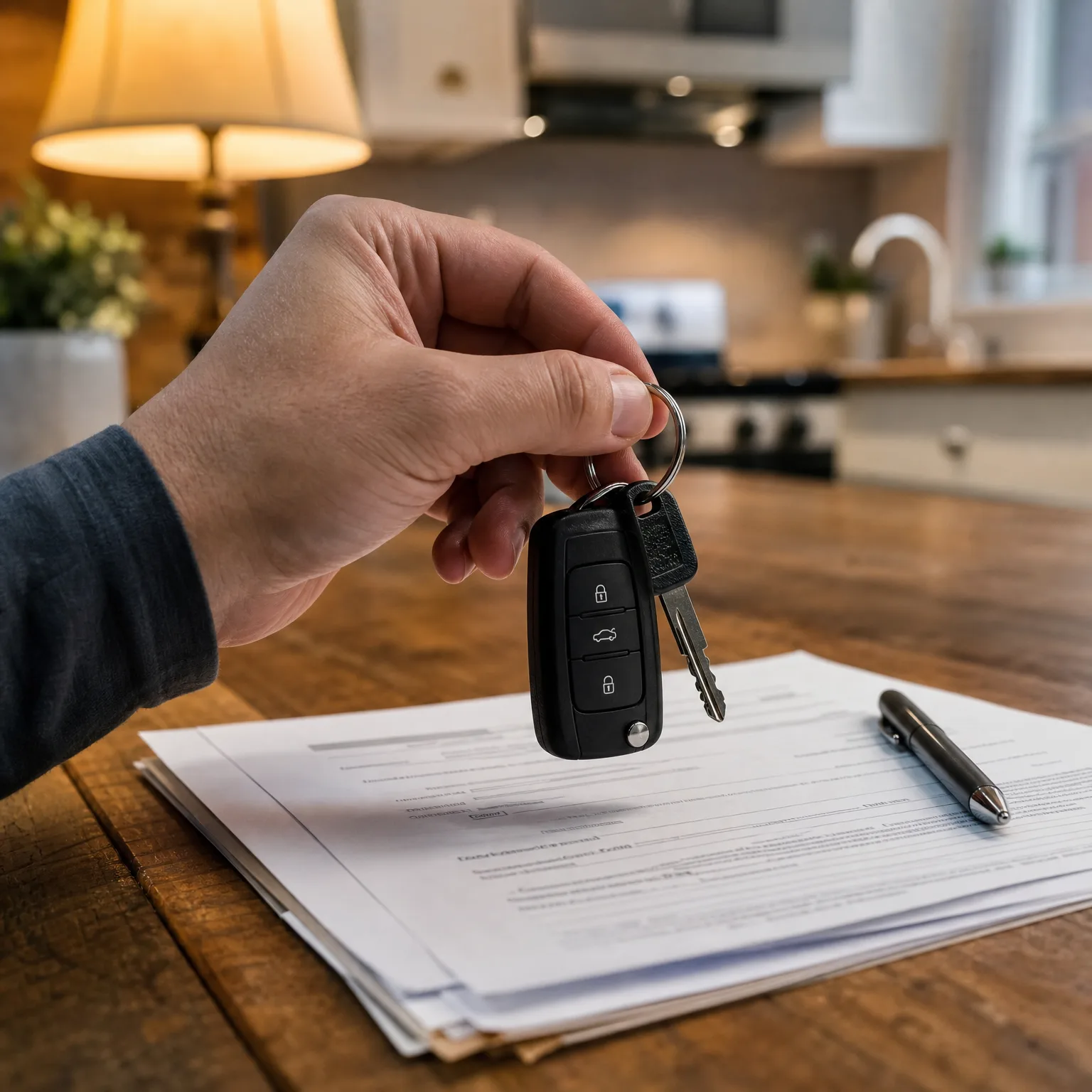
What Delaware Family Court Requires Before Issuing Clearance
Delaware family court will issue a compliance notice only after DCSS confirms you've met one of three conditions: full payment of arrears, court-approved payment plan with demonstrated compliance (typically three consecutive on-time payments), or modification of the support order that resolves the delinquency.
Full payment clears the suspension fastest—family court can issue the compliance notice within 5-10 business days of DCSS confirming receipt. Payment plans take longer because the court won't issue clearance until you prove reliability. Three payments is the minimum threshold in most Delaware jurisdictions, which means a 90-day delay even if you start paying immediately.
Order modification is the slowest path and applies when your financial circumstances have changed significantly—job loss, disability, incarceration. You file a petition with family court, DCSS reviews your case, and if approved, the modified order resolves the delinquency. This process takes 60-90 days minimum and does not pause the suspension while pending. Rideshare drivers who lost income during the suspension often pursue this route, but it delays reinstatement substantially compared to immediate lump-sum payment.

How to Request and Submit the Compliance Notice to DMV
Once family court determines you're compliant, you must request the compliance notice in writing. Delaware family court does not issue this document automatically. Most jurisdictions require you to file a written request with the clerk of court in the county where your child support case is assigned, referencing your case number and the suspension notice ID if you have it.
The court clerk issues a clearance letter or compliance certificate, which you must then deliver to DMV in person or by certified mail. Delaware DMV will not process reinstatement based on verbal confirmation or payment receipts—only the official court-issued clearance document triggers the administrative release of your suspension.
Processing at DMV takes 3-7 business days after they receive the clearance letter, assuming no other suspensions are active on your record. Rideshare drivers often discover at this stage that they have a separate insurance-lapse suspension or unpaid ticket suspension layered on top of the child support suspension, which means paying arrears doesn't restore driving privileges until all suspensions are cleared. Check your full driving record before assuming the child support clearance is the only barrier.

Line Up Coverage Before Your License Comes Back
Get Back on the RoadReinstatement Fee and What Happens If You Drive Before Clearance Posts
Delaware charges a $25 reinstatement fee after the suspension is lifted, payable at any DMV office or online through the DMV portal. This fee applies regardless of how long the suspension lasted or whether you qualified for a conditional license during the suspension period.
Driving for Uber or Lyft before DMV processes the clearance and posts reinstatement to your record is legally treated as driving under suspension. Delaware law does not recognize good-faith compliance or "waiting for DMV" as a defense. If you're stopped during this gap, you face additional fines, potential vehicle impoundment, and extension of your suspension period.
Most rideshare drivers lose 2-4 weeks of income during this processing window because platforms run continuous background checks and automatically deactivate drivers whose MVR shows an active suspension. Even after you pay the reinstatement fee and DMV clears your record, platform reactivation takes another 3-7 days while the background check vendor updates their database. Plan for a full month between making your final payment to DCSS and resuming rideshare driving.

Does Delaware Offer Conditional Licenses for Child Support Suspensions
Delaware issues Conditional Licenses for DUI and points-related suspensions, but child support suspensions do not qualify for this program. The state treats child support enforcement suspensions as administrative actions tied to court compliance, not driving safety, which means the hardship license pathway does not apply.
This creates a gap for rideshare drivers who depend on their vehicle for income. You cannot legally drive for work during a child support suspension in Delaware unless you qualify for full reinstatement. Some drivers assume conditional licenses are available for any suspension type because Delaware's DMV website lists occupational hardship provisions, but those provisions apply only to DUI cases with ignition interlock requirements and accumulation-of-points suspensions.
The only path to driving legally during a child support suspension is full compliance with family court and DMV clearance. If your income depends on rideshare driving, prioritize the fastest compliance route—lump-sum payment if possible—rather than assuming you can work under restricted license terms that don't exist for this suspension type.
SR-22 Filing Is Not Required for Child Support Reinstatement
Delaware does not require SR-22 insurance filing to reinstate after a child support suspension. SR-22 is a financial responsibility certificate required for DUI convictions, uninsured motorist violations, and certain at-fault accidents, but administrative suspensions for child support arrears fall outside this requirement.
You do need valid liability insurance to reinstate your license in Delaware, but standard coverage without SR-22 endorsement is sufficient. If a carrier or DMV representative tells you SR-22 is required for child support reinstatement, they are mistaken. Confirm suspension type before purchasing SR-22 coverage—it adds cost without legal benefit for this suspension category.
Rideshare drivers must carry rideshare insurance or commercial TNC coverage endorsed by their personal auto policy to comply with platform requirements, but this is separate from state reinstatement requirements. Delaware's $25 reinstatement fee, the family court clearance letter, and proof of standard liability coverage are the only documents DMV requires to lift a child support suspension.
Frequently Asked Questions
How long does it take to get a compliance letter from Delaware family court after paying child support arrears?
Delaware family court typically issues a compliance letter 5-10 business days after DCSS confirms receipt of full payment. Payment plans require three consecutive on-time payments before the court will issue clearance, which adds 90 days minimum to the timeline.
Can I drive for Uber in Delaware while waiting for DMV to process my child support clearance?
No. Delaware law treats any driving before DMV posts reinstatement as driving under suspension, even if family court has issued your compliance letter. Rideshare platforms will deactivate your account if an active suspension appears on your MVR during this processing window.
Does Delaware require SR-22 insurance to reinstate my license after a child support suspension?
No. Delaware requires SR-22 filing only for DUI convictions, uninsured motorist violations, and certain at-fault accidents. Child support suspensions require standard liability coverage and payment of the $25 reinstatement fee, but not SR-22 endorsement.
Will Delaware DMV notify me when my child support suspension is lifted?
No. Delaware DMV does not send automatic notifications when a suspension is cleared. You must check your driving record online or call DMV to confirm reinstatement has posted before resuming rideshare driving.
Can I get a conditional license in Delaware to drive for work during a child support suspension?
No. Delaware's Conditional License program applies only to DUI and points-related suspensions. Child support suspensions are administrative actions that do not qualify for hardship or restricted license provisions.
What happens if I have multiple suspensions on my Delaware driving record when I clear the child support suspension?
Delaware DMV will not reinstate your license until all active suspensions are resolved. Paying child support arrears clears only that suspension—insurance lapses, unpaid tickets, and DUI suspensions must be addressed separately before you can drive legally.
Related Articles

DE Child Support Suspension: SR-22 & Rideshare Timeline
5/3/2026

DE Child Support Suspension: Court & DMV Clearance Steps
5/3/2026
DE Child Support Suspension: Court-DMV Clearance Timing
5/3/2026
DC Child Support Suspension: Court vs DMV Clearance
5/3/2026
Delaware CDL Child Support Reinstatement: Court to DMV
5/3/2026
CT Child Support Suspension: Court vs DMV Clearance
5/3/2026