
California Child Support License Reinstatement: Filing Fees + SR-22 Costs for College Students
Free to compare
Why Child Support Suspensions Hit College Students Differently Than Other Triggers
California's child support suspension is purely administrative and typically does not require SR-22 filing. That makes it different from DUI or negligent operator cases, where SR-22 is mandatory for reinstatement. The problem is coordination, not insurance.
Your license was suspended by the Department of Motor Vehicles acting on a notice from the Department of Child Support Services. DCSS does not notify DMV when you clear arrears or establish a payment plan — you must obtain a compliance notice from DCSS, then submit that notice to DMV yourself. Most college students assume paying the arrears clears the suspension automatically. It does not.
College enrollment complicates this further because California family courts allow modification petitions when a custodial student's income drops. If you are enrolled full-time and working limited hours, you may qualify for reduced payments during school terms. The DMV will not process reinstatement until DCSS confirms compliance with current obligations, not just arrears clearance. If your current order assumes full-time employment income and you have not filed a modification petition, you will continue accruing new arrears even after you pay the backlog.
The Three-Agency Coordination Process That Delays Most College-Student Reinstatements
California reinstatements for child support require coordination between DCSS, family court, and DMV. None of these agencies share real-time data. You are the messenger.
DCSS issues the initial suspension notice to DMV when arrears reach specific thresholds. Once arrears are paid or a compliant payment plan is established, DCSS can issue a compliance notice — but only if you request it. That request typically requires submitting proof of payment history, proof of enrollment if you are seeking modification, and current contact information. Processing time for the compliance notice varies by county but typically runs 30 to 60 days.
Once you receive the DCSS compliance notice, you must deliver it to DMV. The DMV does not accept verbal confirmation or online account screenshots. You need the physical compliance notice or a certified electronic version from DCSS. DMV then processes the reinstatement, applies the reissue fee, and restores your license. This reinstatement step adds another 10 to 20 business days after DMV receives the compliance notice.
If you filed a modification petition with family court to adjust ongoing payments based on student income, that petition must be approved and reflected in DCSS records before DCSS will issue the compliance notice. Most students miss this: you can clear all arrears, but if your current monthly obligation exceeds what you are paying under your student-income budget, DCSS treats you as non-compliant and will not issue the notice until the court order is modified or you resume full payments.
What the Reinstatement Actually Costs: DMV Fee Plus Hidden DCSS and Court Charges
California's DMV reissue fee is $55 under Vehicle Code §14904. That is the baseline administrative charge for restoring your license after any suspension. You pay this fee at the DMV counter or online once DCSS compliance is confirmed.
The compliance notice itself is free if you request it directly from DCSS. If you use an attorney to expedite the process or to file a modification petition simultaneously, expect legal fees between $500 and $1,500 depending on county and case complexity. Some family law clinics affiliated with California law schools offer lower-cost assistance for modification petitions, particularly for students enrolled in their programs.
If your modification petition requires a family court hearing, filing fees range from $20 to $60 depending on county. Courts may waive fees if you qualify based on income, but waiver approval adds processing time. If you are behind on arrears and negotiating a payment plan rather than clearing the balance in full, DCSS may require proof of funds or automatic payroll deduction setup before issuing compliance. Setup fees for wage garnishment or automatic withdrawal agreements are typically $25 to $50.
SR-22 is not required for child support suspensions in California. If your suspension was triggered solely by child support arrears, you do not need to file an SR-22 certificate or pay high-risk insurance premiums. If your suspension includes other violations — for example, a lapsed insurance suspension or a DUI conviction running concurrently — SR-22 may be required for those triggers separately. Check your suspension notice carefully to confirm whether child support is the only trigger listed.
Why SR-22 Confusion Still Delays College-Student Reinstatements
Many college students researching California license reinstatement encounter SR-22 information and assume it applies to all suspensions. It does not. SR-22 filing is required for DUI convictions, negligent operator designations, and certain uninsured driving violations under California's financial responsibility laws.
Child support suspensions fall under a separate enforcement mechanism managed by DCSS, not DMV's insurance compliance unit. If your suspension notice lists only child support arrears as the cause, you do not need SR-22. You need proof of arrears payment or an approved payment plan and the DCSS compliance notice.
Some insurance agents misunderstand this and offer SR-22 quotes to all suspended drivers. Filing SR-22 when it is not required does not harm your reinstatement, but it costs you unnecessary premiums. Non-owner SR-22 policies in California typically run $40 to $80 per month for high-risk drivers. If you file SR-22 without a legal requirement, you pay that premium for the filing period — typically three years — and gain no reinstatement benefit.
If your suspension includes multiple triggers and you are unsure whether SR-22 applies, check your DMV suspension notice for language referencing Vehicle Code §16000 series violations or proof of financial responsibility. Those sections govern SR-22 requirements. Child support language will reference Family Code sections or DCSS action codes. If only Family Code language appears, SR-22 is not required.

Line Up Coverage Before Your License Comes Back
Get Back on the Road
Budgeting the Full Timeline: DCSS Processing, Court Delays, and DMV Reinstatement Windows
The typical reinstatement timeline for California college students runs 60 to 120 days from arrears clearance to license restoration. That estimate assumes no modification petition is filed and DCSS compliance documentation is complete.
If you pay arrears in full and request the compliance notice the same day, DCSS processing takes 30 to 60 days depending on county backlog. Once you receive the compliance notice, DMV reinstatement processing adds 10 to 20 business days. Total elapsed time: approximately 45 to 90 days.
If you file a modification petition to reduce ongoing payments based on student income, add court processing time. Uncontested modifications typically take 60 to 90 days from filing to order issuance. Contested modifications requiring a hearing can exceed 120 days. DCSS will not issue compliance until the modified order is entered and reflected in their system, which adds another 15 to 30 days after the court order is signed.
During this period, you cannot drive legally unless you obtain alternative transportation or risk a suspended-license charge. California does not offer a restricted license for child support suspensions the way it does for DUI cases. The suspension is absolute until DCSS compliance is confirmed and DMV processes reinstatement.
Budget for transportation alternatives during this window. Rideshare costs for a full-time college student commuting to campus and work typically run $200 to $400 per month depending on distance. Public transit passes in California metro areas range from $70 to $100 per month. These costs are unavoidable unless you can arrange carpools or adjust your class and work schedule to align with available rides.
What Happens If You Start Driving Before DCSS Issues the Compliance Notice
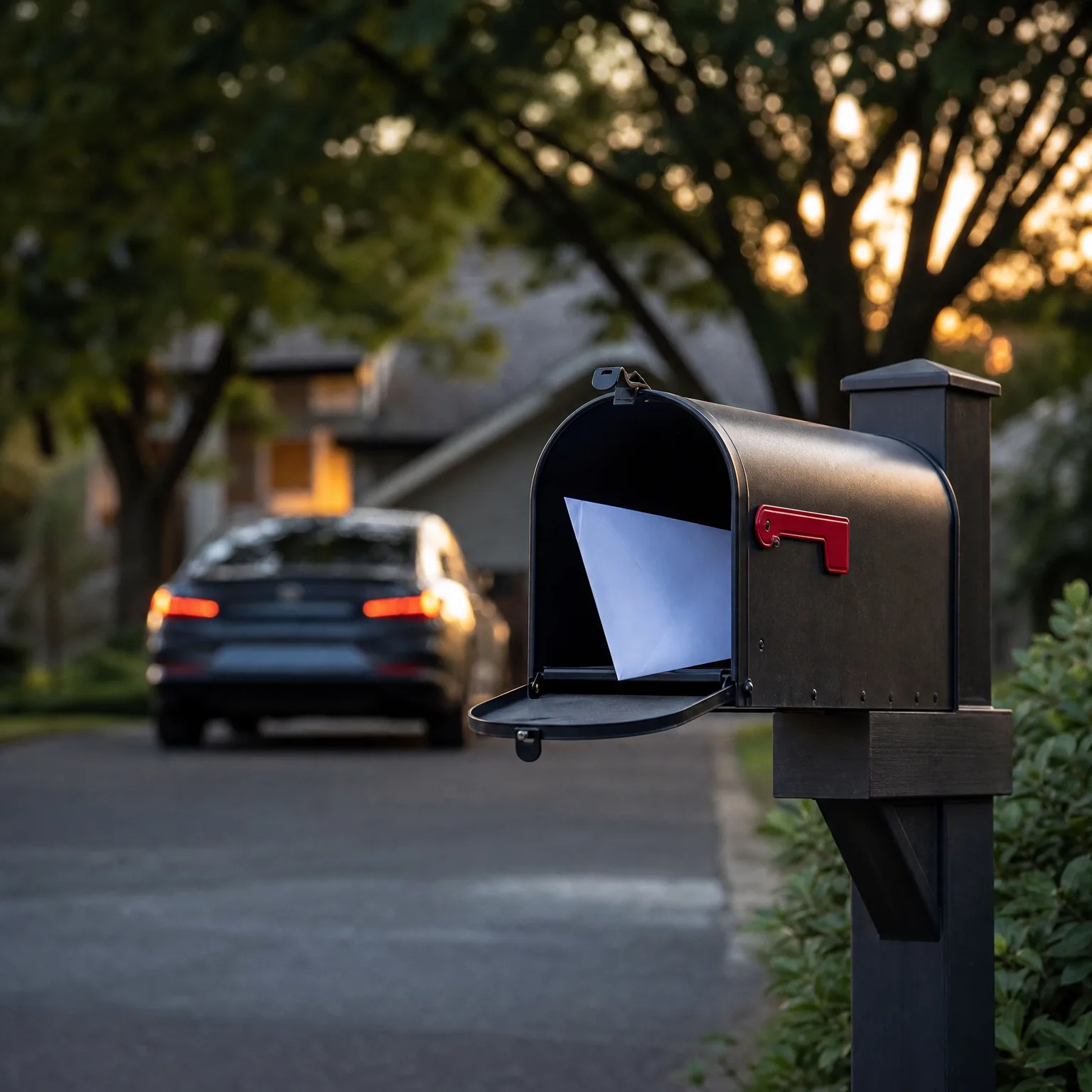
Driving on a suspended license in California is a misdemeanor under Vehicle Code §14601. If stopped, you face arrest, vehicle impoundment, and additional fines ranging from $300 to $1,000 for a first offense. If your suspension was triggered by child support arrears and you are caught driving, the court can extend your suspension period or impose additional arrears penalties.
Vehicle impoundment costs in California average $150 to $300 for towing plus $50 to $80 per day for storage. Most impound lots require full arrears clearance proof and valid insurance before releasing the vehicle. If you were driving without insurance at the time of the stop, you may be required to file SR-22 for that violation even though the original child support suspension did not require it.
College students often assume short trips for emergencies or class attendance carry lower risk. Enforcement is random but consequential. A single stop during the reinstatement process can double your total cost and add months to your timeline.
Insurance After Reinstatement: Why You Should Shop Even If SR-22 Wasn't Required
Once your license is reinstated, California requires you to maintain continuous auto insurance coverage if you own a vehicle or drive regularly. A lapse in coverage can trigger a new suspension under Vehicle Code §16058, even if your original suspension was child support-related.
If you do not own a vehicle but expect to drive occasionally, a non-owner liability policy covers you when borrowing or renting cars. These policies cost less than standard coverage because they exclude collision and comprehensive — typically $30 to $60 per month for minimum liability limits in California.
If you own a vehicle, shop liability-only coverage if you drive an older car with low market value. Collision and comprehensive coverage on a vehicle worth under $3,000 rarely makes economic sense. Liability-only policies for college-age drivers in California with a suspension history typically range from $120 to $200 per month depending on county and driving record.
Even though SR-22 was not required for your reinstatement, the suspension still appears on your DMV record. Some carriers flag any suspension history as high-risk and price accordingly. Compare quotes from multiple carriers — rate variation for post-suspension drivers can exceed 40 percent between the highest and lowest quote for identical coverage.
Frequently Asked Questions
Do I need SR-22 insurance to reinstate my California license after a child support suspension?
No. California does not require SR-22 filing for child support suspensions. SR-22 is required for DUI convictions, negligent operator suspensions, and certain uninsured driving violations. If your suspension notice lists only child support arrears as the cause, you need DCSS compliance documentation and payment of the $55 DMV reissue fee — SR-22 is not part of the process.
How long does it take to get the DCSS compliance notice after I pay my child support arrears in California?
DCSS typically processes compliance notices within 30 to 60 days after you submit proof of arrears payment or an approved payment plan. Processing time varies by county. Once you receive the compliance notice, DMV reinstatement takes an additional 10 to 20 business days. Total timeline from payment to license restoration is approximately 45 to 90 days.
Can I get a restricted license in California while my child support suspension is active?
No. California does not offer restricted or hardship licenses for child support suspensions. Restricted licenses are available for DUI cases with ignition interlock device installation, but child support suspensions are absolute until DCSS issues a compliance notice and DMV processes reinstatement. You cannot drive legally during the suspension period.
Will my California license suspension show up on my driving record after reinstatement?
Yes. The suspension appears on your DMV driving record even after reinstatement. Insurance carriers review your driving record when quoting rates, and a suspension history typically results in higher premiums regardless of whether SR-22 was required. The suspension entry remains visible for three to seven years depending on the violation type.
What happens if I start accruing new child support arrears while waiting for my California license reinstatement?
DCSS will not issue a compliance notice if you are accruing new arrears while clearing old ones. Compliance requires current payments to be up-to-date, not just backlog clearance. If your ongoing payment obligation exceeds your current income, file a modification petition with family court to adjust the monthly amount before requesting the compliance notice from DCSS.
Can I use an online payment to DCSS as proof of compliance for California DMV reinstatement?
No. DMV requires the official DCSS compliance notice — a formal document issued by the Department of Child Support Services confirming that arrears are cleared or a payment plan is active and current. Online payment receipts, bank statements, and account screenshots are not accepted. You must request the compliance notice from DCSS directly after payments are processed.
Does paying a lawyer to expedite my California child support reinstatement actually speed up the process?
It depends on whether you need a modification petition or are simply clearing arrears. If you are paying arrears in full and requesting the compliance notice, no attorney is needed — the process is administrative. If you need to modify your ongoing payment amount based on student income or negotiate a payment plan, an attorney can file the petition and coordinate with DCSS, potentially reducing delays by 30 to 45 days.
Related Articles
CA Child Support Suspension: SR-22 & Documentation Gaps
5/3/2026

Reinstating Child Support Suspension in California
5/3/2026
CO Child Support Suspension: SR-22 Timing for Students
5/3/2026

CA Child Support Suspension: Reinstatement Without SR-22
5/3/2026
CA Child Support Suspension Costs: Full Stack
5/3/2026

License Suspended for Child Support in LA: Reinstatement
4/29/2026