Reinstating After Child Support Suspension in California
Free to compare
Why Your DMV Record Doesn't Update When Court Clears You
California's child support suspension operates through two separate agencies that do not share real-time data: the Department of Child Support Services (DCSS) initiates the suspension, and the Department of Motor Vehicles (DMV) enforces it. When you satisfy arrears or establish a payment plan, the family court issues a compliance notice. That notice goes to DCSS, not DMV.
DMV will not lift your suspension until it receives a formal release notice. DCSS must generate the release and transmit it to DMV. This process is not instant. In most counties, the gap between court clearance and DMV receipt runs 15 to 45 days. No one notifies you when the release posts to your DMV record.
Most drivers assume court clearance equals automatic reinstatement. It does not. Until DMV receives and processes the release notice from DCSS, your driving privileges remain suspended. You cannot legally drive during this window, even with proof of court compliance in hand.
What the Court Clearance Process Actually Requires
Family court issues a compliance certificate when you satisfy one of three conditions: full payment of arrears, enrollment in an approved payment plan with demonstrated compliance, or a negotiated settlement approved by the court and DCSS. The certificate is not a reinstatement order. It is proof you met the underlying obligation.
You must file the compliance certificate with DCSS, not DMV. DCSS reviews the certificate, verifies payment or plan status against its records, then generates a release notice. Only DCSS can instruct DMV to lift a child support suspension. The court cannot contact DMV directly. You cannot submit the compliance certificate to DMV yourself and expect processing.
DCSS processing time varies by county workload and whether your case involves multiple jurisdictions. Los Angeles, San Bernardino, and Sacramento counties typically process releases within 21 to 30 days. Smaller counties sometimes finish in 10 to 14 days. If your arrears spanned multiple states, DCSS must coordinate with out-of-state agencies before releasing the hold, which extends the timeline by weeks.
How to Confirm DMV Received the Release Notice
California DMV does not proactively notify you when a child support suspension lifts. You must check your driver record status manually. Log into the MyDMV portal and view your driver license summary. Look for the suspension end date field under administrative actions. If the field still shows "indefinite" or lists the original suspension date without a clearance date, DMV has not yet processed the release.
Call DMV's automated phone line at 1-800-777-0000 and follow the prompts for driver license status. The system reads the same data visible in MyDMV. If the suspension still appears active, the release has not posted. Do not assume the court clearance was transmitted—call DCSS directly at the county office handling your case and request confirmation they submitted the release to DMV. Ask for the submission date and any tracking reference number.
If 45 days have passed since your court compliance certificate was filed and DMV still shows the suspension active, you have a processing failure. Contact DCSS first. If DCSS confirms they transmitted the release, escalate to DMV's mandatory actions unit and request manual verification of the release posting.

Line Up Coverage Before Your License Comes Back
Get Back on the RoadReinstatement Fees and Requirements After Release Posts
Once DMV processes the DCSS release notice, your suspension is cleared but your driving privileges are not automatically restored. You must pay California's $55 reissue fee under Vehicle Code Section 14904. This is a baseline administrative reinstatement charge that applies to most suspension types, including child support holds.
Child support suspensions do not require SR-22 insurance filing. Unlike DUI or uninsured driving suspensions, family court holds are compliance-based, not violation-based. You do not need high-risk insurance coverage to satisfy reinstatement. Standard liability insurance is sufficient. Verify your policy meets California's minimum limits: $15,000 bodily injury per person, $30,000 per accident, and $5,000 property damage.
You may pay the reissue fee online through MyDMV, by mail with form DL 900, or in person at a DMV field office. Online payment posts fastest, typically within 24 to 48 hours. Mail processing takes 7 to 10 business days. In-person payment posts the same day but requires an appointment. Once the fee posts and no other holds appear on your record, your license is valid and you may resume driving legally.
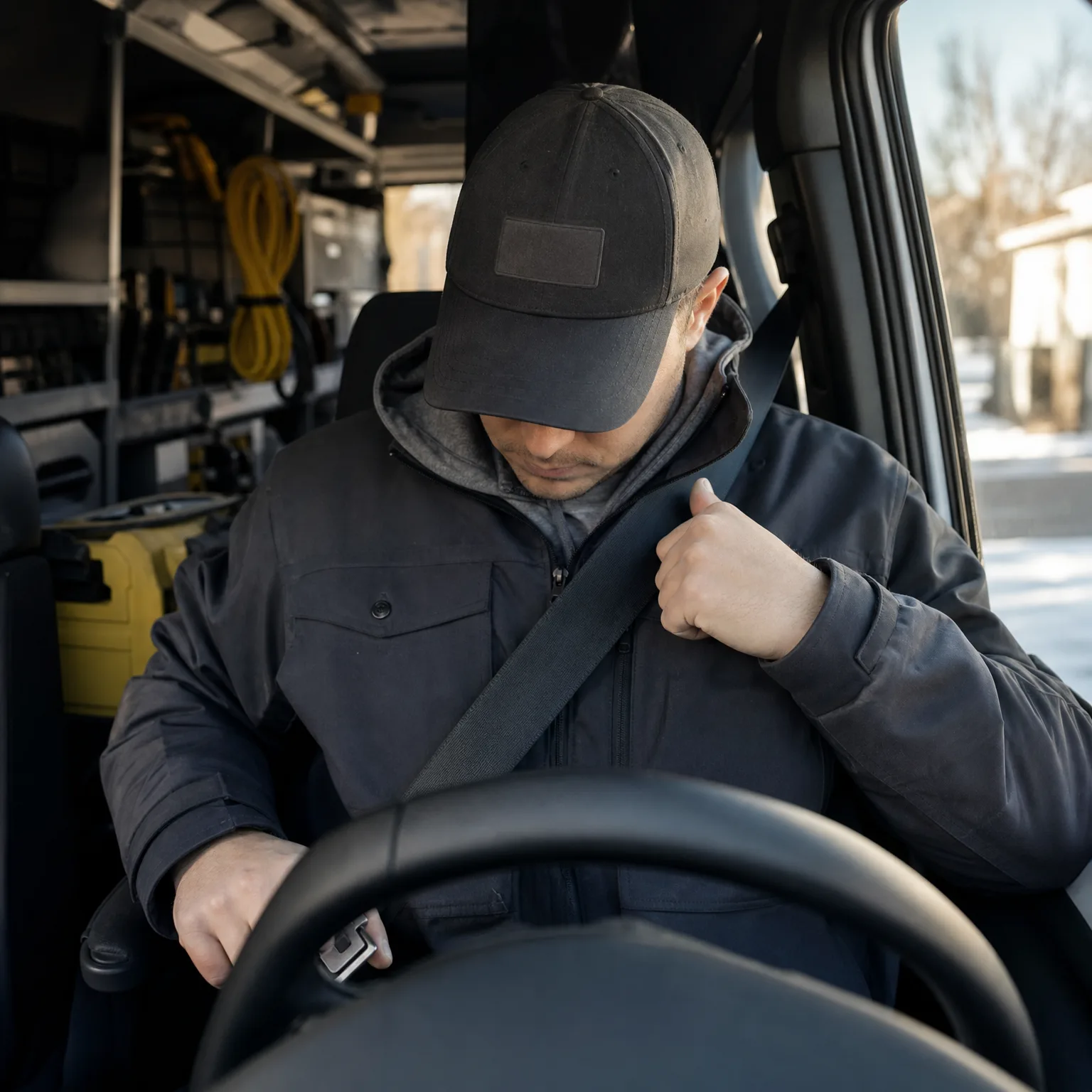
What Happens If You Drive Before DMV Clears the Suspension
Driving on a suspended license in California is a misdemeanor under Vehicle Code Section 14601. The offense carries up to six months in county jail and fines up to $1,000 for a first conviction. Courts rarely impose maximum sentences for administrative suspensions, but the charge remains on your criminal record.
Having proof of court compliance does not create a legal defense. Officers and courts do not accept family court orders as evidence of DMV clearance. Your driving privilege is determined by your DMV record, not by what paperwork you carry. If DMV's system shows your license suspended at the time of the stop, you are driving illegally.
Violation of 14601 also triggers a new mandatory license suspension. DMV imposes an additional six-month suspension on top of any existing hold. If you are stopped during the DCSS-to-DMV processing gap, you extend your total suspension period significantly. Wait for confirmed DMV clearance before driving.
Frequently Asked Questions
How long does it take DMV to process a child support release in California?
DMV typically processes a child support release within 15 to 45 days after DCSS transmits the notice, depending on county workload and whether your case involved multiple jurisdictions. The delay is between DCSS generating the release and DMV posting it to your record. You are not notified when the release posts—you must check your driver record manually through MyDMV or the automated phone line.
Do I need SR-22 insurance to reinstate after a child support suspension in California?
No. Child support suspensions in California do not require SR-22 filing. SR-22 is mandated for violation-based suspensions such as DUI, reckless driving, or uninsured driving. Child support holds are compliance-based administrative actions. Standard liability insurance meeting California's minimum limits is sufficient for reinstatement once the release posts and you pay the $55 reissue fee.
Can I submit my court compliance certificate directly to DMV?
No. You must file the compliance certificate with the Department of Child Support Services, not DMV. Only DCSS can instruct DMV to lift a child support suspension. DMV will not accept court documents directly from drivers or process them as reinstatement proof. DCSS reviews the certificate, verifies compliance, then generates and transmits the release notice to DMV.
What if DMV still shows my license suspended 60 days after court clearance?
Contact DCSS first and confirm they transmitted the release to DMV. Request the submission date and any tracking reference. If DCSS confirms transmission and 60 days have passed, escalate to DMV's mandatory actions unit and request manual verification of the release posting. Processing failures occur when DCSS records do not match court records or when out-of-state coordination delays release generation.
Can I get a restricted license while waiting for the child support release to post?
No. California does not offer restricted licenses for child support suspensions. Restricted licenses under Vehicle Code Section 13353.3 are available only for DUI and negligent operator suspensions after specific conditions are met. Child support holds are indefinite administrative suspensions that lift only when DCSS releases them. You cannot drive legally until DMV processes the release and you pay the reissue fee.
What happens if I'm stopped for driving during the DCSS-to-DMV processing gap?
You will be charged with driving on a suspended license under Vehicle Code Section 14601, a misdemeanor carrying up to six months in jail and fines up to $1,000. Court compliance proof is not a legal defense—officers and courts rely on DMV records, not family court orders. A conviction also triggers an additional six-month mandatory suspension imposed by DMV, extending your total suspension period significantly.
Related Articles
Reinstating Child Support Suspension in California
5/3/2026
CA Child Support Suspension: Rideshare DMV Verification
5/3/2026
CDL Child Support Clearance Timing in California
5/3/2026
DC Child Support Suspension: Court to DMV Timing
5/3/2026
DC Child Support Suspension: Court vs DMV Clearance
5/3/2026
License Suspended for Child Support in LA: Reinstatement
4/29/2026