
Arizona Child Support Arrears Suspension: Rideshare Reinstatement Costs
Free to compare
Does Arizona Require SR-22 Filing for Child Support Arrears Suspension?
No. Arizona child support suspensions are administrative actions that do not trigger mandatory SR-22 filing. The suspension originates from the Department of Economic Security (DES) Division of Child Support Services (DCSS), not from a moving violation or DUI, which means you are not classified as high-risk for insurance purposes based solely on this suspension type.
However, you still need active auto insurance to reinstate your license and resume rideshare driving. Arizona requires continuous proof of financial responsibility for all registered vehicles under A.R.S. § 28-4135, and maintaining coverage during suspension prevents additional registration penalties. If you let your policy lapse while suspended, MVD can suspend your vehicle registration separately under A.R.S. § 28-4144, creating a second reinstatement requirement with its own fees.
The confusion here is real: you cannot legally drive during the suspension, but you may still need to keep a policy active to avoid compounding penalties. For rideshare drivers without a personal vehicle, a non-owner liability policy satisfies Arizona's financial responsibility requirement without paying for coverage on a car you do not own.
Arizona MVD Reinstatement Fee Structure for Child Support Suspensions
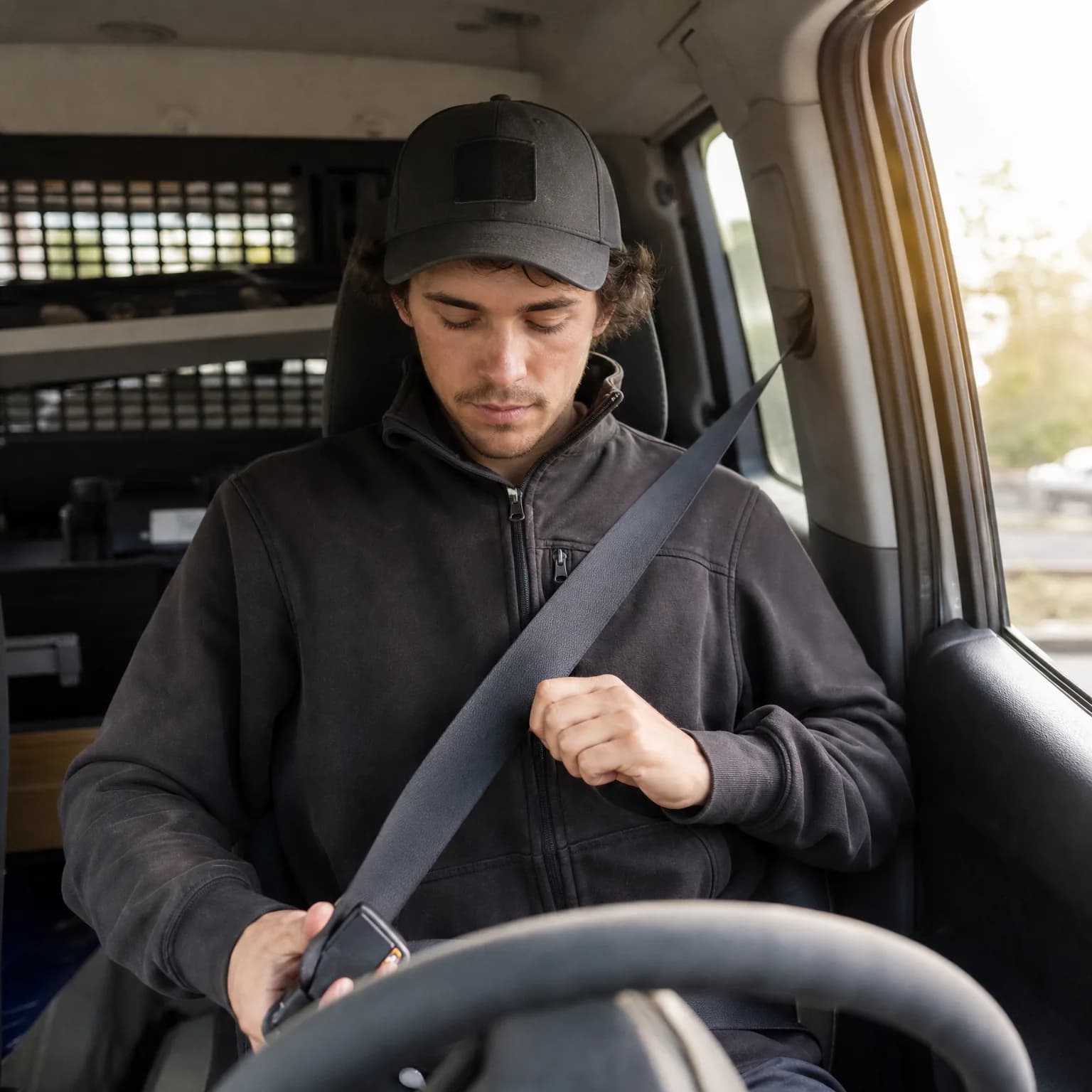
Arizona's base reinstatement fee is $10, significantly lower than most states. This fee applies once you receive clearance from DCSS confirming your payment arrangement or compliance with the child support order. The $10 fee is paid directly to MVD and processed through the AZ MVD Now online portal or in person at any MVD office.
The low fee is deceptive. The real cost barrier is not the MVD fee—it is the child support arrears balance or payment plan deposit DCSS requires before issuing the clearance letter MVD needs to process your reinstatement. DCSS does not have a universal dollar threshold for clearance. The family court order governs what constitutes compliance, and that varies case by case. Some drivers are cleared after establishing a payment plan with the first installment paid; others must pay the full arrears balance.
MVD will not process your reinstatement application until DCSS submits electronic clearance through Arizona's Family Support Registry. Most drivers assume paying the $10 fee alone restarts their license. It does not. You must coordinate clearance from DCSS first, then pay MVD's reinstatement fee, then wait for MVD to process the submission—typically 3 to 5 business days if submitted online, longer if processed in person during high-volume periods.


Why Rideshare Platforms Reject Arizona Restricted Licenses
Arizona offers a Restricted Driver License for certain suspension types, including DUI and points-based actions, under court or MVD authorization. The restricted license allows driving for work, school, medical appointments, and other essential purposes within defined routes and hours as specified in A.R.S. § 28-144.
Child support arrears suspensions are not eligible for restricted licenses. This is a critical distinction rideshare drivers miss. The restricted license pathway applies to suspensions where the state wants to balance public safety concerns (DUI, reckless driving) with the driver's need to maintain employment. Child support suspensions are purely administrative compliance tools—they exist to compel payment, not to assess driving risk. Because the goal is financial compliance, Arizona does not offer a restricted option. Your license is fully suspended until DCSS clears you.
Even if you were eligible for a restricted license through a different suspension type, Uber and Lyft both prohibit drivers from operating on restricted, hardship, or occupational licenses in their terms of service. Both platforms require an unrestricted, valid driver's license in good standing. A restricted Arizona license—even one legally permitting you to drive for work—does not satisfy platform requirements. This means paying full reinstatement costs and obtaining unrestricted status is the only path back to rideshare income.
How DCSS Clearance Timing Affects Your Reinstatement Timeline
Arizona's child support suspension process requires coordination between three separate entities: the family court that issued the support order, DCSS (which enforces the order and issues the suspension), and MVD (which processes the license reinstatement). None of these agencies automatically communicate your compliance status to the others.
Once you establish a payment plan or satisfy the arrears balance with DCSS, the agency submits clearance to MVD electronically through the Family Support Registry. This submission is not instant. DCSS processing times vary by case complexity and county caseload, but most clearances post to MVD within 7 to 14 business days after you complete your compliance requirement with DCSS. Some drivers report delays of 30 days or longer during high-volume periods.
MVD will not allow you to pay the reinstatement fee or schedule a reinstatement appointment until the clearance appears in their system. You cannot expedite this by calling MVD—they do not control DCSS processing speed. Calling DCSS to confirm they submitted the clearance can help, but you are still waiting on the inter-agency data transfer. This gap is where rideshare drivers lose the most income. You have satisfied the financial requirement, you are ready to pay MVD, and you are blocked by a coordination delay outside your control.

Line Up Coverage Before Your License Comes Back
Get Back on the Road
Insurance Rate Increases After Child Support Suspension Reinstatement
Because Arizona does not require SR-22 filing for child support suspensions, you will not face the high-risk SR-22 surcharge most suspended drivers see. However, your rates will still increase after reinstatement—not because of the suspension itself, but because of the lapse in continuous coverage most drivers experience during the suspension period.
Arizona insurers use continuous coverage history as a rating factor under state-approved underwriting guidelines. A gap in coverage—even one caused by a license suspension where you could not legally drive—signals higher risk to carriers. Most drivers cancel their policies during child support suspensions to avoid paying premiums while unable to drive. When they reinstate and reapply for coverage, they are quoted as drivers with a lapse, not as drivers with a clean record.
The rate increase varies by carrier and the length of the lapse. Industry estimates suggest a coverage gap of 30 to 90 days can increase premiums by 10% to 25% compared to a driver with continuous coverage. A gap longer than 90 days can push you into non-standard or assigned-risk tier pricing, where monthly premiums for minimum liability coverage in Arizona typically range from $90 to $150 per month, compared to $60 to $90 per month for standard-tier drivers with clean records.
Rideshare drivers face an additional cost: the commercial rideshare endorsement or hybrid policy required by Uber and Lyft. Arizona law requires rideshare drivers to carry commercial coverage or a rideshare-specific endorsement that fills the gap between personal liability limits and platform-provided coverage. After a suspension and lapse, expect to pay an additional $15 to $40 per month for the rideshare endorsement on top of your base liability premium.

Total Realistic Cost Stack for Arizona Rideshare Drivers
Here is the full cost breakdown most Arizona rideshare drivers face when reinstating after child support arrears suspension:
MVD reinstatement fee: $10. DCSS compliance requirement: varies by case—some drivers are cleared with a $500 to $1,500 payment plan deposit, others must pay full arrears balances exceeding $5,000. First month's insurance premium after reinstatement: $90 to $150 for minimum liability coverage, plus $15 to $40 for rideshare endorsement. Total first-month outlay, excluding arrears payment: approximately $115 to $200.
The ongoing cost is higher than the one-time fees. If your suspension caused a 90-day coverage lapse, expect to pay elevated premiums for 12 to 24 months while you rebuild continuous coverage history. Over two years, the lapse penalty can cost you $600 to $1,200 in additional premium compared to a driver who maintained coverage during suspension.
Rideshare income loss during the DCSS clearance delay adds another layer. If the clearance posting takes 14 business days and you average $800 per week in rideshare income, you lose approximately $1,600 in earnings waiting for MVD to process a clearance you already satisfied. This is the hidden cost aggregators and legal resources do not surface—the coordination gap between agencies creates income loss even after you have met the financial compliance requirement.
What to Do Right Now
Contact DCSS immediately to confirm your compliance requirement. Do not assume you must pay the full arrears balance—many drivers qualify for a structured payment plan with a lower initial deposit. Ask DCSS how long clearance submission to MVD typically takes in your county and request written confirmation once they submit it.
If you do not currently own a vehicle, get a quote for a non-owner liability policy before your reinstatement date. Non-owner policies cost $30 to $60 per month in Arizona and satisfy the state's financial responsibility requirement without paying for coverage on a car you do not have. You will still need to add a rideshare endorsement once your license is reinstated and you resume platform driving.
Check AZ MVD Now daily once DCSS confirms they submitted clearance. The portal updates faster than phone representatives can confirm clearance status. Once clearance posts, pay the $10 reinstatement fee online to avoid in-person processing delays. Your license reinstatement is effective the same day MVD processes your online payment, assuming no other holds exist on your record.
Do not wait until you receive DCSS clearance to shop for insurance. Get quotes now so you can bind coverage immediately after reinstatement. Rideshare platforms require active coverage before you can log into the driver app, and most carriers need 24 to 48 hours to issue proof of insurance documents after binding.
Frequently Asked Questions
Can I drive for Uber or Lyft with a restricted license in Arizona?
No. Both Uber and Lyft require an unrestricted driver's license in good standing per their terms of service. Arizona's Restricted Driver License, even when legally valid for work-related driving, does not satisfy platform requirements. You must fully reinstate your unrestricted license before resuming rideshare driving.
How long does DCSS take to submit clearance to Arizona MVD?
DCSS typically submits clearance to MVD within 7 to 14 business days after you satisfy your compliance requirement, but processing times vary by county and case complexity. Some drivers report delays of 30 days or longer. Call DCSS to confirm submission status, but you cannot expedite the inter-agency data transfer.
Do I need to keep insurance active during a child support suspension in Arizona?
You are not legally required to maintain coverage while your license is suspended, but letting your policy lapse can trigger a separate vehicle registration suspension under A.R.S. § 28-4144 if you own a registered vehicle. The coverage gap will also increase your premiums by 10% to 25% when you reinstate and reapply for insurance.
What happens if I cannot pay the full child support arrears balance?
DCSS does not require full arrears payment for all clearances. Many drivers qualify for a structured payment plan with an initial deposit of $500 to $1,500. Contact DCSS to confirm your eligibility and the minimum deposit required to trigger clearance submission to MVD.
Will my insurance rates go back down after reinstatement?
Rates elevated due to a coverage lapse gradually decrease as you rebuild continuous coverage history, typically over 12 to 24 months. Maintaining continuous coverage without additional lapses or violations is the only way to return to standard-tier pricing.
Can I reinstate my Arizona license online after a child support suspension?
Yes, once DCSS submits clearance and it posts to the AZ MVD Now portal. You can pay the $10 reinstatement fee online and receive same-day processing. In-person reinstatement is also available but typically takes longer due to office wait times.
Related Articles

AZ Child Support Suspension: SR-22 & Rideshare Coverage
5/3/2026

AZ Child Support Suspension: No SR-22 Required
5/3/2026

AZ Child Support Suspension: No SR-22, DCSS Notice Gap
5/3/2026
AZ Child Support CDL Suspension: No SR-22 Reinstatement
5/3/2026

AZ Child Support Suspension: Rideshare Reinstatement
5/3/2026
AZ CDL Child Support Suspension Reinstatement Costs
5/3/2026