
Reinstating Insurance Lapse Suspension — Wisconsin Rideshare
Free to compare
The Rideshare Coverage Gap Wisconsin Treats as a Lapse
You maintained coverage through your rideshare platform the entire time. You have proof of Uber or Lyft insurance on your app. But Wisconsin DMV suspended your license for insurance lapse anyway, and now you're facing reinstatement fees, SR-22 filing requirements, and an Occupational License application process that asks for continuous coverage documentation you thought you had. The structural reality: platform coverage does not satisfy Wisconsin's continuous personal auto insurance requirement, and the gap between your personal policy cancellation and your platform coverage activation is what triggered the suspension.
Wisconsin requires every registered vehicle owner to maintain continuous liability coverage that meets state minimums: $25,000 bodily injury per person, $50,000 per accident, $10,000 property damage, plus uninsured motorist coverage. Rideshare platform coverage only activates when you're logged into the app and available for rides. The hours your vehicle sits in your driveway, the trips you take for personal errands, the time between logging off and logging back on — all of those are gaps Wisconsin's system flags as uninsured operation. When your personal policy lapsed and you relied solely on platform coverage, DMV received a lapse notification from your previous carrier and initiated suspension proceedings automatically.
“Platform coverage does not satisfy Wisconsin's continuous personal auto insurance requirement — the gap between your personal policy and platform-only coverage is what triggered the suspension.”

Line Up Coverage Before Your License Comes Back
Get Back on the Road$60
Wisconsin Base Reinstatement Fee
This is the DMV's published fee to lift an insurance lapse suspension after you've filed proof of coverage. It does not include SR-22 filing fees your carrier charges, the $50 Occupational License application fee if you need restricted driving privileges during suspension, or any court costs if your suspension involved a citation.
Wisconsin Department of Transportation, Division of Motor Vehicles
What the Reinstatement Cost Stack Actually Includes
The $60 reinstatement fee is the smallest line item. Wisconsin requires SR-22 filing for insurance lapse suspensions, which means you pay your carrier's SR-22 filing fee on top of the DMV charge. Most Wisconsin carriers writing SR-22 policies charge $15 to $50 as a one-time filing fee, set by the carrier and state. That filing fee is separate from your premium — it's an administrative charge to submit the SR-22 certificate electronically to DMV.
If you need to drive during the suspension period for work, you'll apply for an Occupational License. The application fee is $50, paid at any DMV Customer Service Center when you submit forms MV3001 and MV3027. Processing is same-day if you bring all required documentation: SR-22 certificate, proof of identity, vision screening results, and the $50 fee. The Occupational License allows driving to and from work, church, or other approved locations listed on the license, with specific time restrictions and a 12-hour daily driving cap.
The hidden cost is the coverage gap documentation. DMV requires proof you've maintained continuous insurance from the date of reinstatement forward. If you're still driving rideshare and relying on platform coverage for part of your driving, you need a personal auto policy that covers the vehicle during all non-platform hours. That means paying for a full personal policy even if you're only using the vehicle for rideshare work. Most rideshare drivers in this position buy non-owner SR-22 policies to satisfy the filing requirement without insuring a specific vehicle, but Wisconsin only accepts non-owner SR-22 if you do not own or have regular access to a vehicle. If the suspended vehicle is titled in your name, you must file owner SR-22 on a standard auto policy covering that vehicle.
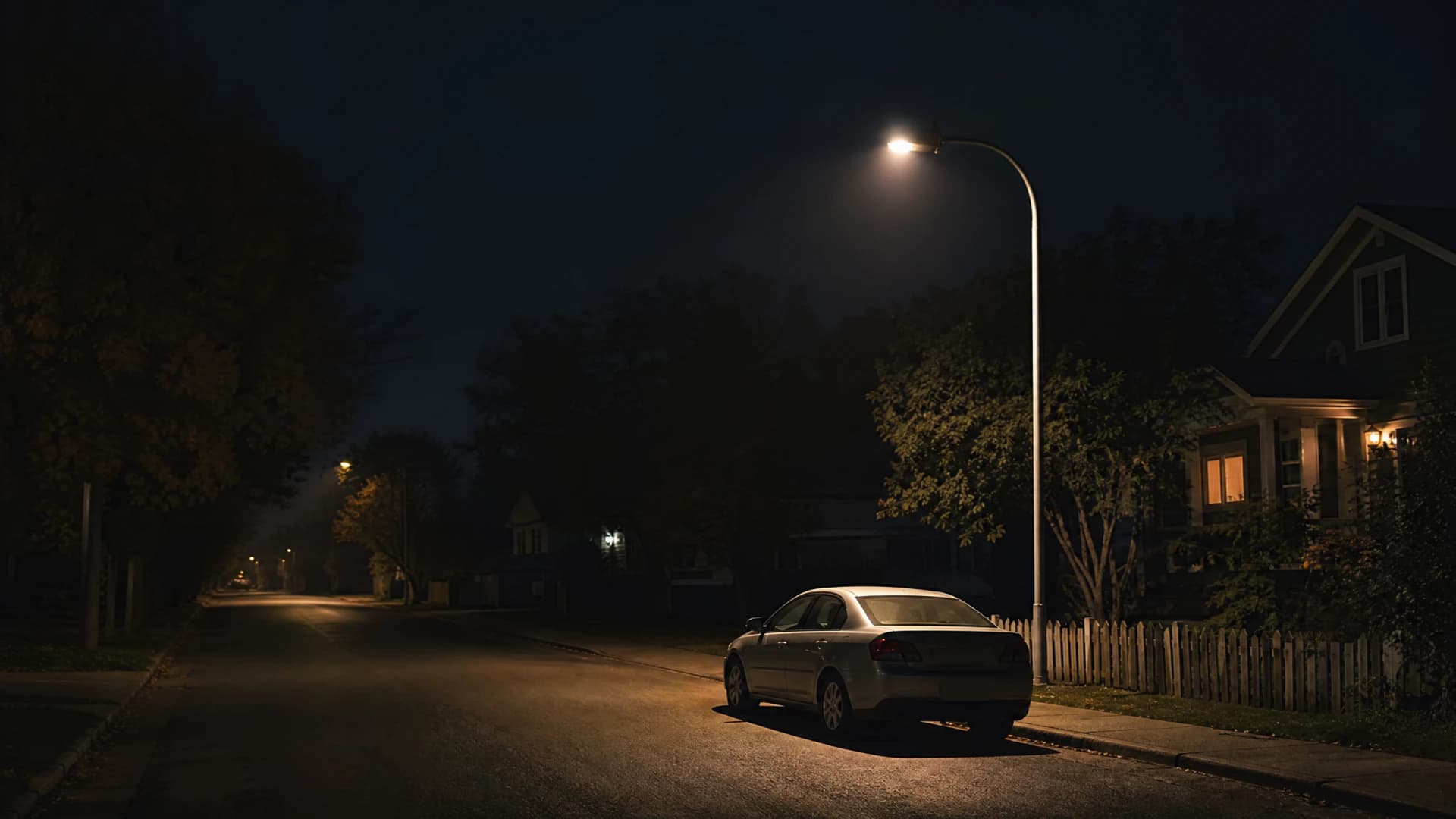
Platform coverage does not count as continuous insurance in Wisconsin. The gap between your personal policy lapse and platform-only coverage is what triggered the suspension, and DMV will not lift it until you file SR-22 on a personal policy that covers all non-platform driving.
Related Articles

WI Rideshare DUI Reinstatement Costs: Real Fee Stack
5/3/2026

HI Rideshare Lapse Reinstatement Costs
7/13/2026

WA Insurance Lapse Reinstatement Cost for Rideshare
5/3/2026
Michigan Rideshare SR-22 Lapse Costs: Full Breakdown
5/3/2026
WY Rideshare Lapse Reinstatement: Full Cost Stack
5/3/2026
Wisconsin SR-22 for Rideshare Drivers After DUI
5/3/2026
Occupational License Restrictions and Rideshare Work
The Occupational License allows driving to and from work, which includes rideshare driving if you list it as your employment on the application. But Wisconsin restricts Occupational License holders to specific routes and times listed on the license itself. You cannot drive recreationally, cannot make personal errands outside approved locations, and cannot exceed 12 hours of driving per day or 60 hours per week total. For rideshare drivers, this creates a structural problem: your work requires flexibility to drive when demand is high, but your license restricts you to pre-approved routes and times.
When you apply for the Occupational License, you submit form MV3027 listing your approved driving purposes and the specific addresses you're authorized to drive to and from. For rideshare work, most drivers list 'to and from employment' and provide the general geographic area they operate in rather than specific pickup and dropoff addresses, since those change with every ride. DMV typically approves this framing, but the time restrictions still apply. If you're logged into the app and available for rides outside the hours listed on your Occupational License, you're driving in violation of the restriction and risk revocation.
If you have two or more OWI convictions, Wisconsin requires proof of alcohol or drug assessment and a driver safety plan before issuing an Occupational License. If a court ordered ignition interlock device installation, you must provide proof of IID installation on every vehicle you own or have titled in your name before DMV will approve the Occupational License application. For rideshare drivers using platform-provided or rented vehicles, this creates a second structural problem: you cannot install IID on a vehicle you do not own, which means you cannot legally drive rideshare under an Occupational License if IID is court-ordered unless you own a separate personal vehicle with IID installed and only use that vehicle for rideshare work.
3 years
Wisconsin SR-22 Filing Period
Wisconsin requires continuous SR-22 filing for three years after reinstatement from an insurance lapse suspension. The three-year period starts the day DMV receives your SR-22 certificate and lifts the suspension, not the day the lapse occurred. If your SR-22 policy lapses or cancels at any point during the three years, DMV suspends your license again automatically and the three-year clock resets when you refile.
Wisconsin Statutes § 344.63
Platform Coverage Documentation DMV Actually Accepts
When you apply for reinstatement or an Occupational License, DMV requires proof of current insurance. For rideshare drivers, this means providing your SR-22 certificate from your personal auto carrier, not a coverage summary from Uber or Lyft. Platform coverage certificates do not satisfy Wisconsin's SR-22 filing requirement because they do not cover the vehicle during non-platform hours and do not list you as the named insured on a policy meeting state liability minimums.
If you're reinstating without applying for an Occupational License, you submit your SR-22 certificate to DMV electronically through your carrier. Most Wisconsin carriers writing SR-22 policies file electronically within 24 hours of policy purchase. DMV processes the filing within two business days and mails a reinstatement eligibility notice to your address on file. You then pay the $60 reinstatement fee online, by mail, or in person at any DMV service center. Once the fee is paid and the SR-22 filing is confirmed active, your license is reinstated and you can legally drive again, subject to the three-year SR-22 filing requirement.
What Happens If You Drive Rideshare Without Reinstating
Driving on a suspended license in Wisconsin is a criminal offense. If you're stopped while driving rideshare during suspension, you face a Class B forfeiture for first offense, with fines up to $200 plus court costs. Second and subsequent offenses within three years escalate to misdemeanor charges with higher fines and potential jail time. Your vehicle can be impounded, and your suspension period can be extended.
Platform companies run periodic background checks and DMV record reviews. If Uber or Lyft detects your license is suspended, they deactivate your driver account until you provide proof of reinstatement. Deactivation is immediate and non-negotiable — you cannot drive for the platform until your license is valid again and you upload proof to the app. Most drivers discover this when they try to go online and find their account locked, which means lost income on top of reinstatement costs.
The longer you wait to reinstate, the more expensive it becomes. Wisconsin does not waive or reduce reinstatement fees for financial hardship. The $60 fee, the SR-22 filing requirement, and the three-year filing period are statutory and apply to every insurance lapse suspension regardless of how long the lapse lasted or whether you maintained platform coverage. Delaying reinstatement does not reset the clock or reduce the cost — it only extends the period you cannot legally drive and cannot earn rideshare income.
Start Reinstatement With the Right SR-22 Policy
The first step is buying an SR-22 policy from a carrier licensed to write non-standard auto insurance in Wisconsin. Not all carriers write SR-22 policies, and not all carriers writing SR-22 will insure rideshare drivers. You need a carrier that writes both SR-22 filings and rideshare-friendly policies, or a non-owner SR-22 policy if you no longer own the vehicle. Compare carriers writing SR-22 in Wisconsin by entering your zip code and suspension details into the site's comparison tool. The tool filters for carriers writing your specific situation and shows which offer non-owner SR-22 options if you qualify. Once you buy the policy, your carrier files the SR-22 certificate electronically to Wisconsin DMV, and you can proceed with paying the reinstatement fee or applying for an Occupational License if you need restricted driving privileges during the three-year filing period.
SR-22 Filing Requirements for Rideshare Drivers
If the vehicle is titled in your name or you're listed as a co-owner, you must file owner SR-22. This requires buying a standard auto insurance policy that covers the vehicle for liability at Wisconsin's state minimums, plus uninsured motorist coverage. The policy must remain active for the entire three-year SR-22 filing period. If the policy lapses or cancels, your carrier notifies DMV electronically and your license is suspended again automatically. Owner SR-22 policies for rideshare drivers typically cost more than standard policies because you're in the non-standard tier after a suspension, and carriers price rideshare use as higher risk even when you maintain separate platform coverage.
If you do not own a vehicle and are not listed on any vehicle title or registration, you can file non-owner SR-22. This is a liability-only policy that covers you when driving any vehicle you do not own. Non-owner SR-22 satisfies Wisconsin's continuous coverage requirement for drivers who sold their vehicle after suspension, who only drive rideshare in platform-provided or rented vehicles, or who borrow vehicles occasionally. Non-owner policies are cheaper than owner policies because they carry no collision or comprehensive coverage, but they still require the three-year SR-22 filing and will trigger re-suspension if they lapse.
Get Your Free Quote
Get Back on the RoadFrequently Asked Questions
Does Uber or Lyft insurance count as proof of coverage for Wisconsin reinstatement?
No. Wisconsin requires continuous personal auto insurance that meets state liability minimums and covers the vehicle during all hours, not just when you're logged into the rideshare app. Platform coverage only activates during rides and does not satisfy DMV's SR-22 filing requirement. You must buy a personal auto policy with SR-22 filing to reinstate after an insurance lapse suspension.
How much does SR-22 filing cost for rideshare drivers in Wisconsin?
Wisconsin carriers charge $15 to $50 as a one-time SR-22 filing fee, separate from your premium. The $60 DMV reinstatement fee is additional. If you apply for an Occupational License to drive during suspension, add $50 for the application fee. Total upfront costs typically range from $125 to $160 before your first month's premium.
Can I get an Occupational License in Wisconsin if I only drive rideshare?
Yes, if you list rideshare driving as employment on form MV3027 and provide the geographic area you operate in. But the Occupational License restricts you to 12 hours of driving per day and 60 hours per week, and you can only drive during the specific times listed on the license. Driving outside those hours or for personal errands violates the restriction and risks revocation.
What happens if my SR-22 policy lapses during the three-year filing period?
Wisconsin DMV suspends your license again automatically the day your carrier notifies them of the lapse. The three-year SR-22 filing period resets when you refile, meaning you start the full three years over from the new filing date. There is no grace period and no hardship waiver for SR-22 lapses.
Do I need owner or non-owner SR-22 if I sold my car after the suspension?
If you no longer own a vehicle and are not listed on any vehicle title or registration, you can file non-owner SR-22. This is a liability-only policy that covers you when driving vehicles you do not own, including rideshare platform vehicles or rentals. If you still own the suspended vehicle or are listed as co-owner, you must file owner SR-22 on a standard auto policy covering that vehicle.
How long does Wisconsin take to process reinstatement after I file SR-22?
Most Wisconsin carriers file SR-22 certificates electronically within 24 hours of policy purchase. DMV processes the filing within two business days and mails a reinstatement eligibility notice. Once you pay the $60 reinstatement fee, your license is reinstated immediately if no other holds or suspensions are active. Total timeline is typically three to five business days from policy purchase to reinstatement.