
Insurance Lapse Reinstatement for Single Parents — Utah
Free to compare
Court Clearance Doesn't Equal Driving Eligibility
You paid the court fine for the failure-to-appear citation that triggered your insurance lapse suspension. The clerk handed you a clearance letter. You assumed the Driver License Division would lift the suspension immediately. Three days later, the DLD online portal still shows your license as suspended, and you're facing a childcare pickup you can't miss without risking your custody arrangement.
Utah's insurance lapse reinstatement process operates on two separate timelines that don't sync automatically. Court clearance removes the judicial hold. Insurance verification — filed by your carrier as an SR-22 certificate — removes the DLD administrative hold. Both must post to the DLD system before you're eligible to drive, and the insurance verification step takes 3-5 business days after your carrier files electronically. Most single parents clear the court step and assume they're done, then discover the insurance gap when they attempt to renew online or show up at a DLD office.
“Court clearance and SR-22 filing post to separate DLD databases — paying the fine doesn't trigger insurance verification, and you can't drive until both clear.”

Line Up Coverage Before Your License Comes Back
Get Back on the Road$40
Utah Reinstatement Base Fee
This fee applies after both court clearance and insurance verification post to the DLD system. It does not cover the SR-22 filing fee your carrier charges separately, typically $15-$35 as a one-time processing charge.
Utah Driver License Division fee schedule
Why SR-22 Filing Is Required for Insurance Lapse
Utah treats insurance lapse as a financial responsibility violation. When your coverage terminates and your carrier notifies the state, the DLD suspends your license and registration administratively. Reinstatement requires proof you've obtained continuous coverage and filed an SR-22 Certificate of Insurance with the state for a 3-year monitoring period.
The SR-22 is not a separate insurance policy. It's a filing your carrier submits electronically to the DLD confirming you carry at least Utah's minimum liability limits: $30,000 bodily injury per person, $65,000 per accident, $25,000 property damage, and required personal injury protection. Your carrier charges a small one-time filing fee set by the carrier and state. The certificate remains active as long as you maintain continuous coverage with that carrier. If you cancel or let coverage lapse again during the 3-year period, the carrier notifies the DLD within 10 days and your license suspends again immediately.
Single parents often ask whether non-owner SR-22 policies work for lapse reinstatement. They do, but only if you don't own a vehicle. If your name appears on a vehicle title or registration — even if you're not the primary driver — the DLD requires owner SR-22 filed on a standard auto policy covering that vehicle. Filing the wrong type delays reinstatement because the DLD rejects mismatched filings and you start the 3-5 day verification window over.
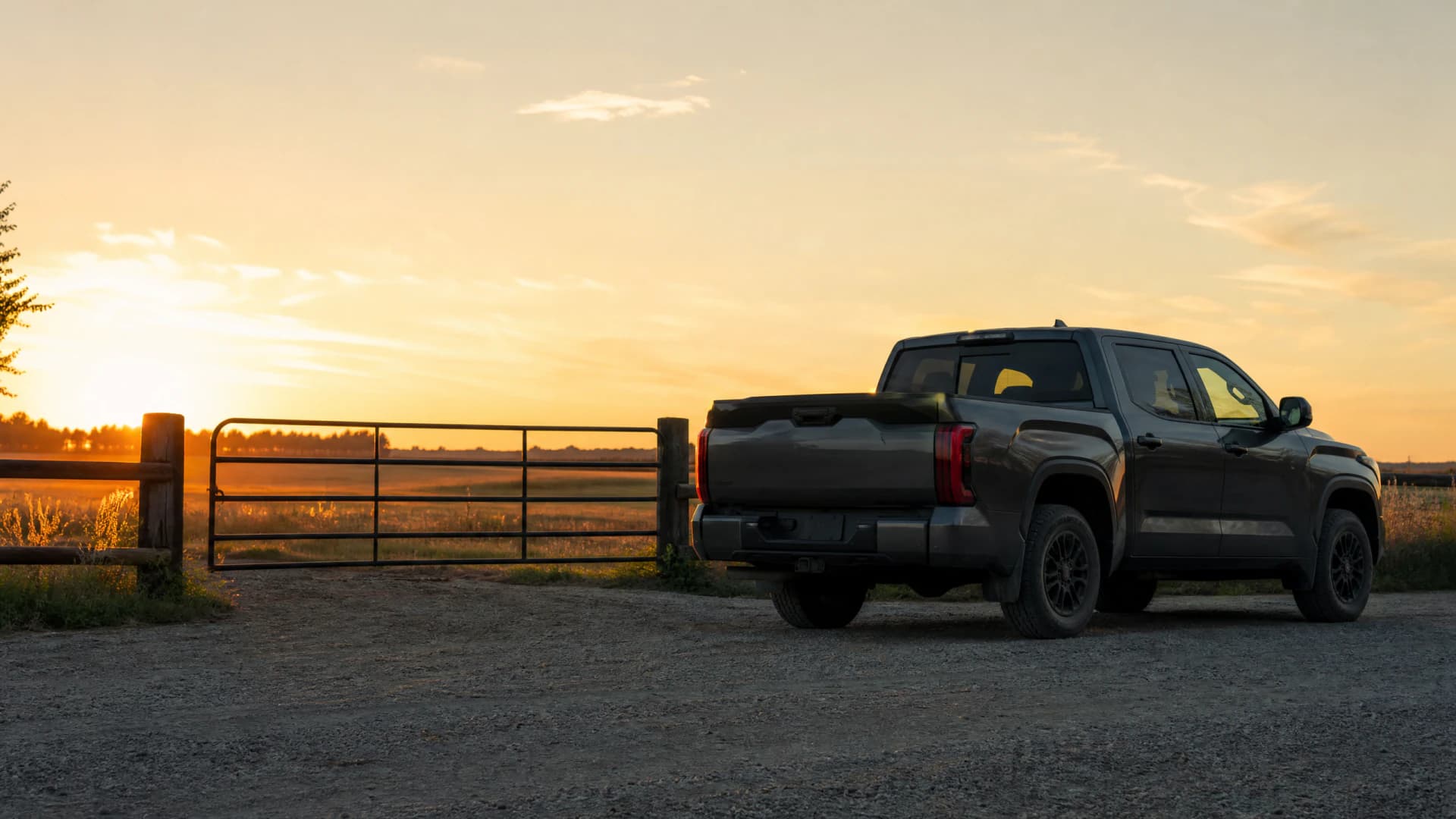
Court clearance and insurance verification post to separate DLD databases on different schedules — paying the court fine does not trigger insurance verification, and the DLD won't lift your suspension until both post.
Related Articles
Utah SR-22 After Insurance Lapse: Single Parents
5/3/2026

Utah CDL Lapse Suspension: SR-22 Filing Order & Timeline
5/3/2026

Utah Lapse Suspension: SR-22 Timing for College Students
5/3/2026
Utah Insurance Lapse Reinstatement
7/13/2026

Utah DUI Reinstatement for Single Parents: SR-22 Gaps
5/3/2026
Utah Unpaid Ticket Suspension: SR-22 Timing Guide
5/3/2026
Hardship License Eligibility During Lapse Suspension
Utah offers a Hardship Limited License for drivers whose suspension creates undue hardship. Single parents facing childcare, medical appointments, or employment access issues may qualify. Eligibility requires contacting a DLD hearing officer for a review. You must demonstrate that losing driving privileges prevents you from meeting essential family or work obligations that cannot reasonably be met through public transit, rideshare, or assistance from others.
Hardship eligibility for insurance lapse suspensions depends on whether you've cleared indefinite department actions and completed required testing. If your lapse suspension stacked with other violations — points accumulation, DUI, or reckless driving — the hearing officer evaluates the combined record. You'll need employer verification of work hours, a letter of recommendation from the last convicting judge if applicable, and proof of undue hardship tied specifically to childcare or medical access. For alcohol or drug-related suspensions that overlap with lapse, you must provide physician verification of no controlled-substance use for 3 years and maintain a 1-year violation-free period.
The Hardship Limited License restricts driving to approved routes: to and from work, school, or court-ordered child visitation. Deviating from approved routes during the hardship period triggers automatic revocation without warning. The license does not cover grocery shopping, errands, or social obligations. If your childcare provider is located on your route between home and work, document that arrangement in your hardship application. The hearing officer has discretion to approve or deny based on whether alternative transportation options exist in your area.
3 years
Utah SR-22 Filing Period
The 3-year monitoring period begins the day your SR-22 posts to the DLD system, not the day you purchased coverage. Any lapse in coverage during this period restarts the suspension cycle and resets the 3-year clock from the new filing date.
Utah Code § 41-12a-804

Carrier Selection and Filing Speed
Not all carriers write SR-22 policies for drivers with lapse suspensions in Utah, and those that do vary significantly in how quickly they file electronically. Progressive, Geico, State Farm, Dairyland, Bristol West, The General, and National General all write SR-22 in Utah and file electronically within 24 hours of policy binding. Farmers and USAA file within 48 hours. Smaller regional carriers and some non-standard insurers still use batch processing and may take 3-5 business days to submit the certificate after you pay the first premium.
Single parents working against tight childcare or employment deadlines should confirm filing speed before binding coverage. Ask the agent or online quote system: does this carrier file SR-22 electronically, and how many business days after binding does the certificate transmit to the DLD? If the carrier cannot answer or quotes a range longer than 48 hours, shop a different carrier. The 3-5 day DLD verification window starts only after the carrier files — choosing a slow-filing carrier can add a full week to your reinstatement timeline.
Non-owner SR-22 policies cost less than owner policies because they cover liability only when you're driving a vehicle you don't own. Monthly premiums typically run $85-$140 depending on your age, violation history, and county. If you're borrowing a family member's vehicle for childcare pickup or using a work vehicle during the suspension period, non-owner SR-22 satisfies the DLD filing requirement as long as you don't own a car. If you own a vehicle, even one that's inoperable or unregistered, the DLD requires owner SR-22 on a standard auto policy listing that vehicle.
What Happens After Both Holds Clear
Once the DLD system shows both the court hold and the insurance hold as cleared, you can pay the $40 reinstatement fee online, by phone, or at any DLD office. The fee processes immediately and your driving privilege restores the same day. You do not need to retake any written or driving tests for insurance lapse reinstatement unless your suspension exceeded 6 months and you're over age 65, in which case the DLD requires a vision test before issuing a new license.
Your SR-22 filing must remain active and continuous for 3 years from the reinstatement date. If you switch carriers during that period, the new carrier must file SR-22 before you cancel the old policy. Any gap — even one day — triggers automatic re-suspension and restarts the 3-year clock. Set a calendar reminder 30 days before your policy renewal to confirm your carrier will refile SR-22 for the new term. Most carriers refile automatically, but administrative errors happen and the DLD does not send courtesy warnings before suspending your license for a lapse.
Compare SR-22 carriers that write your situation and confirm electronic filing speed before you bind. Verify both holds have cleared in the DLD system before you drive. Pay the reinstatement fee the same day both holds post. These three steps control your timeline and prevent the procedural gaps that delay single parents who need their license back now.
The Two-Step Verification Timeline
Step one: clear any court holds tied to the original citation. If your lapse suspension originated from a failure-to-appear warrant or unpaid traffic fine, the municipal or justice court must release its hold before the DLD will process reinstatement. Court clearance typically posts to the DLD system within 24-48 hours after you pay the fine or resolve the warrant, but some counties still use paper transmission and can take up to 5 business days. Request a clearance letter from the court clerk showing the hold was released and the date it was transmitted to the DLD.
Step two: obtain insurance and have your carrier file SR-22 electronically. The carrier submits the certificate directly to the DLD. Electronic filing posts within 3-5 business days. The DLD does not accept paper SR-22 certificates for lapse reinstatement. Once the SR-22 posts, the DLD lifts the administrative insurance hold. You can verify posting status by calling the DLD at 801-965-4437 or checking the online driver license status portal. Do not attempt to drive until both the court hold and the insurance hold show as cleared in the DLD system.
Get Your Free Quote
Get Back on the RoadFrequently Asked Questions
How long does SR-22 filing take to post to the Utah DLD system?
Electronic SR-22 filings post to the Driver License Division system within 3-5 business days after your carrier submits the certificate. The timeline starts when the carrier files, not when you purchase coverage. Carriers that file electronically within 24 hours of binding (Progressive, Geico, State Farm, Dairyland) give you the fastest path to reinstatement.
Can I drive in Utah while waiting for my SR-22 to post?
No. Your license remains suspended until both the court hold and the insurance verification post to the DLD system and you pay the $40 reinstatement fee. Driving during this window is driving under suspension, a class B misdemeanor that carries up to 6 months in jail and extends your suspension period.
Does clearing a court hold automatically lift my insurance lapse suspension in Utah?
No. Court clearance removes the judicial hold but does not affect the DLD administrative insurance hold. You must obtain coverage and have your carrier file SR-22 electronically. The DLD lifts the suspension only after both holds clear and you pay the reinstatement fee.
Do I need owner or non-owner SR-22 for Utah insurance lapse reinstatement?
If your name appears on any vehicle title or registration, the DLD requires owner SR-22 filed on a standard auto policy covering that vehicle. If you don't own a vehicle, non-owner SR-22 satisfies the filing requirement. Filing the wrong type delays reinstatement because the DLD rejects mismatched filings.
Can single parents get a hardship license during insurance lapse suspension in Utah?
Yes. Utah offers a Hardship Limited License for drivers facing undue hardship. Eligibility requires a DLD hearing officer review. You must provide employer verification, proof of hardship tied to childcare or medical access, and clearance of indefinite department actions. Approved routes cover work, school, and court-ordered child visitation only.
What happens if my SR-22 lapses during the 3-year filing period in Utah?
Your license suspends automatically the day the lapse posts to the DLD system. The carrier notifies the DLD within 10 days of cancellation or non-payment. You must obtain new coverage, refile SR-22, wait 3-5 business days for verification, and pay a new reinstatement fee. The 3-year filing period restarts from the new filing date.
How much does SR-22 insurance cost in Utah after an insurance lapse suspension?
Non-owner SR-22 policies typically cost $85-$140 per month depending on age, violation history, and county. Owner SR-22 policies cost more because they include comprehensive and collision coverage on your vehicle. Your carrier charges a one-time SR-22 filing fee set by the carrier and state, separate from the $40 DLD reinstatement fee.