
SC Insurance Lapse Suspension for College Students: SR-22 Timing
Free to compare
Why South Carolina Suspends College Students Who Stop Driving
South Carolina requires continuous liability insurance coverage on every registered vehicle, regardless of whether you're actively driving it. Students who register a car in South Carolina, then leave for college in another state and let their SC insurance lapse, trigger an automatic suspension notice from the DMV.
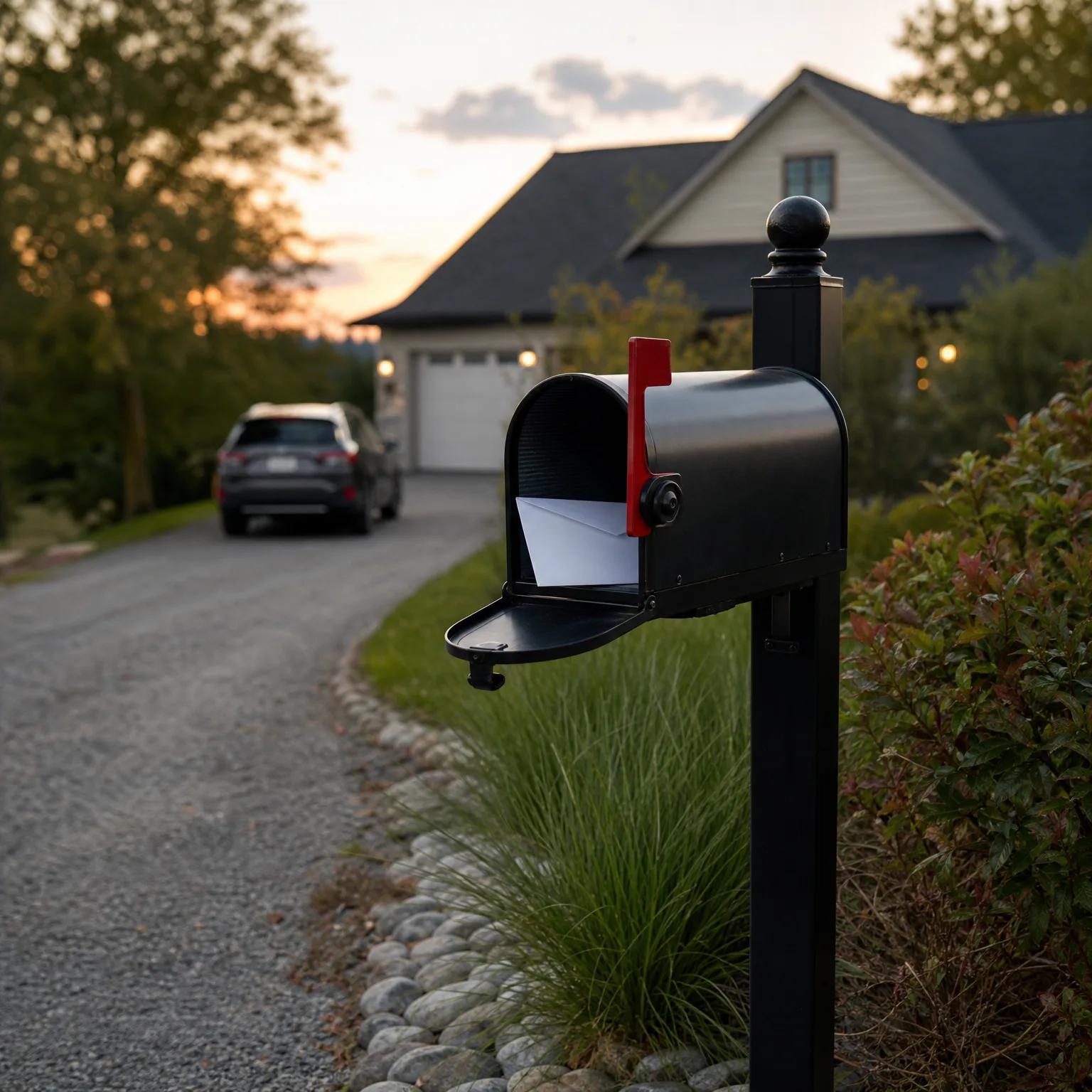
The state does not differentiate between vehicles parked indefinitely and vehicles driven daily. Registration creates the insurance requirement. Most college students miss the suspension notice because it's mailed to the vehicle's registered address, not their school address, and parents don't always forward DMV mail promptly.
You have 45 days from the lapse date to reinstate coverage or surrender your registration before the suspension becomes active. After that window closes, the DMV initiates a suspension that applies to your license, not just the vehicle registration.
The SR-22 Filing Requirement After an Insurance Lapse
South Carolina requires SR-22 filing for three years after an insurance lapse suspension. The three-year clock starts the day your carrier files the SR-22 with the DMV, not the day you buy the policy or pay the reinstatement fee.
SR-22 is not insurance. It's a continuous verification form your carrier files electronically with the DMV confirming you maintain at least South Carolina's minimum liability coverage: 25/50/25. If your coverage lapses for any reason during the three-year period, your carrier files an SR-26 cancellation notice and the DMV suspends your license again within 10 days.
Many college students assume they can file SR-22, pay the reinstatement fee, and cancel the policy once their license is reinstated. That creates a second suspension and restarts the entire three-year filing period from the new reinstatement date.


The Processing Gap Most Students Create By Filing SR-22 First
South Carolina's reinstatement system processes payment and SR-22 verification separately. Most students file SR-22 with a carrier, then wait for the DMV to send reinstatement instructions. The DMV won't process your SR-22 filing until your suspension case shows a paid reinstatement fee.
The $200 reinstatement fee must be paid to the DMV before the SR-22 filing links to your driver record. If you file SR-22 first, it sits in an unmatched queue for 30-45 days while you wait for a reinstatement notice that won't generate until you pay. Students who follow this sequence add a full processing cycle to their timeline.
The correct sequence: pay the $200 reinstatement fee at any SCDMV branch or online, obtain the payment receipt, then contact a carrier and request SR-22 filing. The carrier submits the SR-22 electronically within 24 hours. The DMV matches the SR-22 to your paid suspension case and processes reinstatement within 3-5 business days.
Documenting a Lapse Gap For Students Who Weren't Driving
South Carolina does not offer a hardship exemption or reduced penalty for students who can prove they weren't driving during the lapse period. The suspension is triggered by registration status, not driving activity. Campus parking permits, out-of-state residence documentation, and class schedules do not reduce the reinstatement fee or eliminate the SR-22 requirement.
Your only option to avoid SR-22 is to surrender the vehicle registration before the 45-day lapse window expires. Once the suspension becomes active, you cannot retroactively surrender registration to eliminate the SR-22 requirement. The three-year filing period is mandatory for all insurance lapse suspensions in South Carolina.
Some students attempt to argue they stored the vehicle or transferred it to a parent during the lapse period. The DMV requires a formal title transfer with notarized signatures and a new registration in the parent's name, completed before the lapse date. Verbal agreements and backdated transfer documents are not accepted as lapse-gap documentation.

Line Up Coverage Before Your License Comes Back
Get Back on the Road
Non-Owner SR-22 For Students Without a Vehicle
Students who no longer own the vehicle that triggered the suspension still need SR-22 coverage to reinstate their license. A non-owner SR-22 policy provides liability coverage when you drive vehicles you don't own, and satisfies South Carolina's SR-22 filing requirement without insuring a specific vehicle.
Non-owner policies typically cost $25-$55/month in South Carolina for drivers with a single lapse suspension and no other violations. The policy covers you when driving a roommate's car, a rental, or a parent's vehicle during breaks. It does not cover vehicles registered in your name or vehicles you drive regularly.
You maintain the non-owner policy for the full three-year SR-22 period even if you don't drive regularly. Any lapse in payment triggers an SR-26 cancellation and re-suspends your license. Most carriers offer monthly payment plans, but missing a single payment restarts the suspension cycle.
The Three-Year SR-22 Period and What Happens After
South Carolina requires continuous SR-22 filing for three years from your reinstatement date. The DMV does not send a reminder when your filing period ends. Your carrier will notify you 30-45 days before the end date that SR-22 filing will be discontinued.
Once the three-year period ends, you can switch to a standard policy without SR-22. Your rates typically drop 20-40% because you're no longer classified as high-risk. You do not need to notify the DMV when SR-22 filing ends—the system updates automatically when your carrier stops filing.
If you move out of state during the three-year period, South Carolina's SR-22 requirement follows you. You must maintain SR-22 coverage in your new state for the remainder of the three-year period, even if that state does not require SR-22 for insurance lapses. Canceling SR-22 when you move triggers a South Carolina suspension that can affect your new state's licensing status through the interstate Driver License Compact.
What College Students Should Do Right Now
If you received a South Carolina suspension notice for an insurance lapse, pay the $200 reinstatement fee immediately. Do not wait for additional notices or assume the suspension will be dismissed because you're a student. The fee can be paid online at scdmvonline.com or at any branch location.
After paying the fee, contact a carrier that offers SR-22 filing in South Carolina and request a quote for either a standard auto policy (if you own a vehicle) or a non-owner policy (if you don't). Provide your driver's license number and suspension notice. The carrier files SR-22 electronically within 24 hours of policy purchase.
Verify reinstatement status 5-7 business days after SR-22 filing by checking your driver record online or calling the SCDMV at 803-896-5000. Do not assume reinstatement is automatic. If the SR-22 filing did not link to your suspension case correctly, you'll need to contact the carrier and request a corrected filing with your case number included.
Frequently Asked Questions
Can I get my South Carolina license reinstated without SR-22 if I'm a full-time student?
No. South Carolina does not waive the SR-22 requirement for students or offer reduced penalties based on enrollment status. All insurance lapse suspensions require three years of continuous SR-22 filing regardless of your reason for not driving.
What happens if I file SR-22 before paying the South Carolina reinstatement fee?
The DMV won't process your SR-22 until your reinstatement fee is paid and posted to your suspension case. Filing SR-22 first creates a 30-45 day processing gap because the system can't link an SR-22 to an unpaid suspension.
How much does non-owner SR-22 insurance cost in South Carolina for a college student?
Non-owner SR-22 policies typically cost $25-$55/month in South Carolina for drivers with a single lapse suspension and no other violations. Rates vary by age, county, and carrier, but non-owner policies are significantly cheaper than insuring a registered vehicle with SR-22.
Does South Carolina accept proof I wasn't driving during the insurance lapse?
No. South Carolina's lapse suspension is triggered by registration status, not driving activity. Parking permits, out-of-state residence records, and class schedules do not eliminate the SR-22 requirement or reduce the reinstatement fee.
What happens if I move to another state during my South Carolina SR-22 period?
South Carolina's three-year SR-22 requirement follows you to your new state. You must maintain SR-22 coverage in your new state for the remainder of the period, even if that state does not require SR-22 for insurance lapses. Canceling SR-22 when you move triggers a South Carolina suspension.
Can I surrender my South Carolina registration after the suspension to avoid SR-22?
No. Once the suspension becomes active, you cannot retroactively surrender registration to eliminate the SR-22 requirement. Registration must be surrendered within 45 days of the lapse date, before the suspension is processed, to avoid SR-22.
Related Articles
SC Registration Reinstatement After Lapse: SR-22 Guide
5/3/2026

SC Student Insurance Lapse Costs: Fees + SR-22 Stack
5/3/2026

SC CDL Insurance Lapse: SR-22 Timing & Reinstatement
5/3/2026

SC Lapse Suspension: Court vs DMV Timeline for Students
5/3/2026

SD Lapse Reinstatement for Students: SR-22 Timing
5/3/2026

SC Child Support Reinstatement: SR-22 & Lapse Gaps
5/3/2026