
Ohio Lapse Suspension Reinstatement Costs for College Students
Free to compare
The Base Cost Stack Ohio Charges Before You Get to Insurance
Ohio's Bureau of Motor Vehicles charges $660 in state fees to reinstate a license suspended for insurance lapse: $475 for the suspension violation fee, $50 for the reinstatement application fee, $100 for license reissuance, and $35 for the multi-year driving record required by most carriers. These are non-negotiable, non-waivable, and due before the BMV processes your reinstatement application.
College students miss the timing requirement that creates the most expensive trap: Ohio requires SR-22 filing before you pay reinstatement fees, but you cannot schedule your BMV reinstatement appointment until the SR-22 is active in their system. This creates a 7–14 day window where you are paying for SR-22 coverage you cannot yet use, and most students do not budget for this pre-reinstatement insurance period.
The state does not coordinate payment plans across these fees. If you cannot pay the full $660 upfront, Ohio BMV offers a reinstatement fee installment plan—but it adds $175 in administrative costs and extends your suspension period by the length of the payment plan. Most college students would save money borrowing the reinstatement amount from family rather than using the state's installment option.

Why SR-22 Costs More Than the Liability Policy Underneath It
SR-22 is not insurance. It is a liability policy endorsement that costs $25–$50 to file with the state, but carriers increase the underlying liability premium by 40%–80% because lapse suspensions flag you as high-risk regardless of your driving record. A college student with no violations who simply missed premium payments will pay the same SR-22 markup as someone with a DUI.
Ohio requires SR-22 filing for one year from reinstatement date for lapse suspensions. Most college students compare the filing fee ($25–$50) without realizing the liability policy premium itself jumps from approximately $85–$110/month to $140–$190/month after the SR-22 endorsement is added. That $55–$80/month difference across 12 months adds $660–$960 to your total cost—roughly equal to the state's reinstatement fees.
Carriers that specialize in non-standard auto and SR-22 filings (Bristol West, The General, National General, Direct Auto) typically offer lower SR-22 markups than standard carriers (State Farm, Progressive, Allstate) for lapse suspensions because they underwrite high-risk drivers as their primary business. If your parents' carrier offers to add you back to their policy with SR-22, compare that quote against a standalone non-owner SR-22 policy before accepting—family policies often carry higher liability limits that amplify the SR-22 markup percentage into a larger dollar amount.

The Address Mismatch That Triggers Duplicate Filing Fees
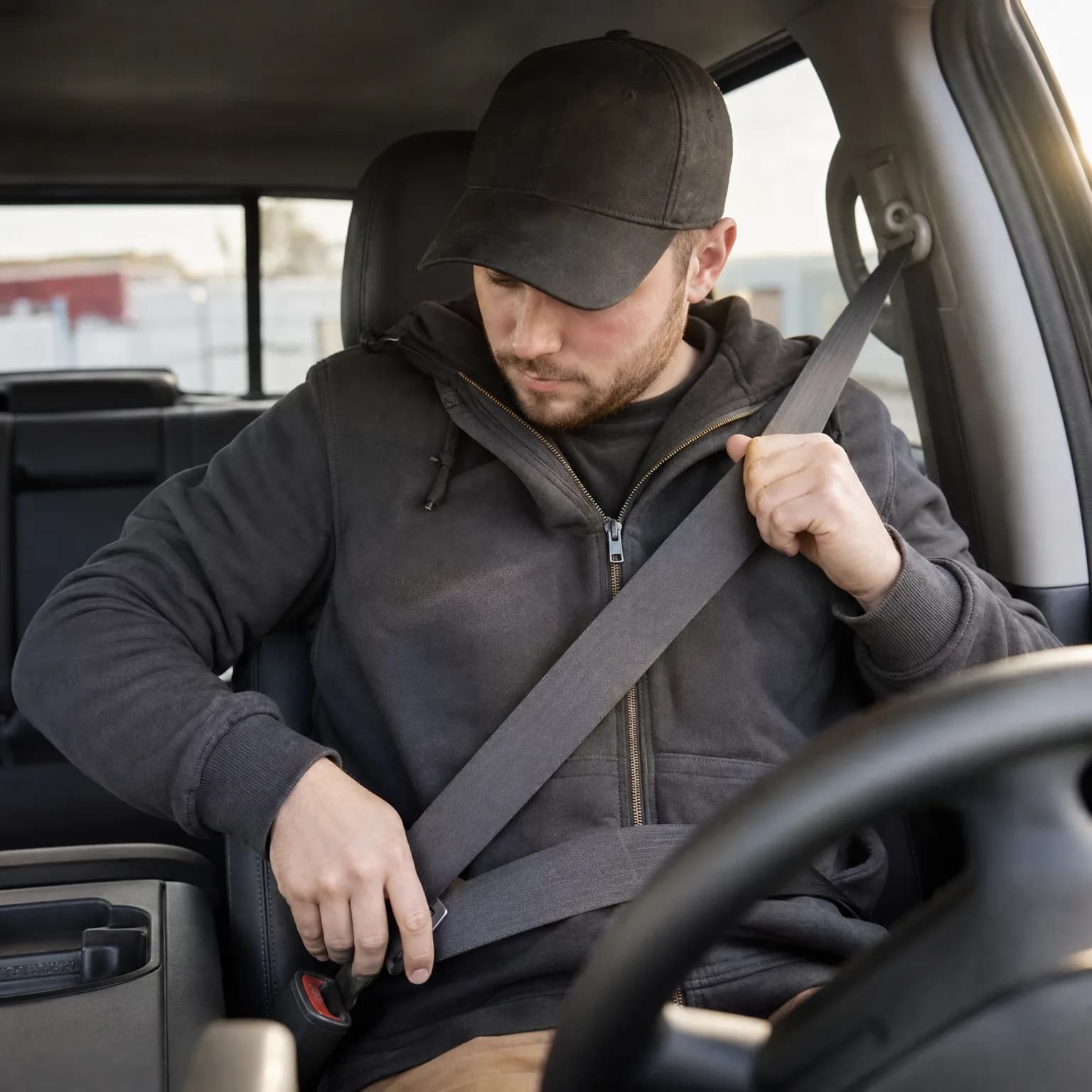
Ohio BMV matches your SR-22 filing address to your license address on file. College students create expensive processing delays when their carrier files SR-22 using their campus address but their BMV license still shows their parents' home address, or vice versa. The BMV flags this as a mismatch and will not process your reinstatement until you either update your license address (which requires appearing in person at a BMV office and paying the $27.50 duplicate license fee) or your carrier cancels and refiles the SR-22 with the correct address.
Refilings cost $25–$50 per submission. Most students do not realize the address mismatch exists until they appear for their reinstatement appointment and are turned away, which means you have already paid for 2–3 weeks of SR-22 coverage you cannot use. The BMV does not proactively notify you of address mismatches—they surface at the reinstatement counter.
Update your BMV license address before you buy SR-22 coverage. This requires visiting a BMV office with proof of your current address (lease agreement, utility bill in your name, or a bank statement showing your campus address). If you are living in a dorm and cannot provide a utility bill, Ohio accepts university housing agreements as proof of residence. Solve the address question first, then file SR-22—not the other way around.
Non-Owner Policies and the Hidden Installation Cost Trap
Most college students do not own a car. Ohio allows you to reinstate your license using a non-owner SR-22 policy, which costs $35–$65/month and covers you when driving someone else's vehicle. This is the cheapest reinstatement path if you will not be the primary driver of a titled vehicle during your SR-22 filing period.
The trap: if your parents add you back to their titled-vehicle policy after you reinstate with a non-owner policy, Ohio BMV requires a new SR-22 filing under the titled policy. The non-owner SR-22 does not transfer. You will pay a second filing fee and restart the one-year SR-22 requirement clock from the date of the new filing. Most college students do not learn this until their parents' carrier notifies the BMV of the policy change and the BMV sends a new suspension notice.
If you plan to drive your parents' car regularly (more than occasional use), file SR-22 under their titled policy from the start as a listed driver. If you will only drive occasionally during breaks, maintain the non-owner policy through your full SR-22 period and do not allow your parents to add you as a listed driver until after your SR-22 requirement ends.
Line Up Coverage Before Your License Comes Back
Get Back on the Road
Installment Fees That Turn Monthly Payments Into a $200 Penalty
Carriers charge installment fees when you pay premiums monthly instead of in full every six months. Standard carriers charge $5–$8/month in installment fees. Non-standard carriers that specialize in SR-22 filings charge $10–$15/month because their customer base has higher non-payment risk.
Across a 12-month SR-22 filing period, installment fees add $120–$180 to your total cost. College students paying $155/month for SR-22 coverage often assume that is the full cost, but $10–$15 of that monthly payment is an installment fee—not premium, not coverage. You are paying $120–$180 for the convenience of monthly billing.
If you can pay premiums every six months instead of monthly, most carriers waive installment fees entirely. A six-month SR-22 policy costing $850 paid in full costs the same as a policy billed monthly at $155/month ($930 over six months). The $80 difference is pure installment fees. Some carriers offer a compromise: quarterly payments with a reduced installment fee of $5/quarter instead of $10/month.
The Second-Semester Surprise: Mid-Term Policy Changes and Refiling
Ohio requires continuous SR-22 coverage for the full one-year period. If your policy lapses for any reason—non-payment, cancellation, switching carriers—the BMV is notified within 24 hours and your license is re-suspended immediately. The one-year clock does not pause. It restarts from zero on the date you file a new SR-22.
College students trigger mid-term lapses most often during winter and summer breaks when they return home and their parents assume adding them to the family policy will save money. Switching from your individual SR-22 policy to your parents' policy mid-year requires your original carrier to cancel your SR-22 and your parents' carrier to file a new one. If there is any gap between cancellation and new filing—even one day—Ohio suspends your license again and you restart the full reinstatement process.
Do not change carriers or policies mid-SR-22-period unless absolutely necessary. If you must switch, coordinate the cancellation and new filing dates with both carriers in writing before any cancellation is submitted. Most students learn this rule after their license is re-suspended, not before.
What This Means for Your Actual Budget
Ohio's $660 in state fees are the floor, not the ceiling. Add $25–$50 for SR-22 filing, $1,680–$2,280 for 12 months of SR-22-endorsed liability coverage ($140–$190/month), $120–$180 in installment fees if paying monthly, and $27.50 for a duplicate license if you need to fix an address mismatch before reinstatement. Total realistic cost: $2,512–$3,197 across the first year.
Most college students budget only for the $660 BMV fees and the monthly premium, which leaves them $800–$1,200 short when installment fees, filing fees, and address-correction costs surface mid-process. The students who reinstate fastest are the ones who budget for the full stack upfront and avoid the installment-plan traps that extend timelines and add fees.
If you are currently suspended for lapse and need coverage that meets Ohio's SR-22 requirement, compare non-owner SR-22 quotes from carriers that specialize in high-risk filings. Address mismatches, installment fees, and mid-term policy changes are the three cost layers that most delayed reinstatements miss.
Frequently Asked Questions
Can I use a non-owner SR-22 policy to reinstate my Ohio license if I don't have a car?
Yes. Ohio accepts non-owner SR-22 policies for reinstatement if you do not own a titled vehicle. Non-owner policies cost $35–$65/month and cover you when driving someone else's car, but if your parents later add you to their titled-vehicle policy during your SR-22 period, you must file a new SR-22 under that policy and restart your one-year requirement.
What happens if my SR-22 policy lapses while I'm still under Ohio's filing requirement?
Ohio BMV is notified within 24 hours of any SR-22 cancellation or lapse. Your license is re-suspended immediately and your one-year SR-22 requirement restarts from zero on the date you file a new SR-22. There is no grace period and the clock does not pause during the lapse.
Does Ohio's reinstatement fee installment plan save money for college students?
No. Ohio's installment plan adds $175 in administrative fees to the base $660 reinstatement cost and extends your suspension period by the length of the payment plan. Most students save money by borrowing the $660 from family and paying in full rather than using the state's installment option.
Why does my SR-22 insurance cost more than my previous liability policy if I have no violations?
Carriers increase liability premiums by 40%–80% after adding SR-22 endorsements because lapse suspensions flag you as high-risk regardless of your driving record. A college student suspended for missed payments pays the same SR-22 markup as someone with a DUI conviction, which adds $55–$80/month to standard liability costs.
Can I reinstate my Ohio license if my BMV address doesn't match my current college address?
Not until you fix the address mismatch. Ohio BMV requires your SR-22 filing address to match your license address exactly. If they do not match, you must visit a BMV office with proof of your current address and pay $27.50 for a duplicate license before the BMV will process your SR-22 filing and reinstatement.
Do I pay for SR-22 coverage during the waiting period before my reinstatement appointment?
Yes. Ohio requires active SR-22 filing before you can schedule your reinstatement appointment, but the BMV takes 7–14 days to process the SR-22 in their system. You pay for coverage during this pre-reinstatement window even though you cannot legally drive yet.
Related Articles

Ohio Lapse Suspension SR-22 for College Students
5/3/2026

Ohio Lapse Suspension: Reinstatement Cost Breakdown
5/3/2026
Ohio DUI Reinstatement Costs for College Students
5/3/2026
Indiana Lapse Suspension Costs for College Students
5/3/2026

Illinois Lapse Reinstatement Costs for Students
5/3/2026

Ohio Lapse Suspension: Court & BMV Timing for Students
5/3/2026