
Insurance Lapse Suspension Reinstatement — New Hampshire
Free to compare
The Dual Suspension Reality Single Parents Face
You received a DWI suspension, applied for New Hampshire's Limited Driving Privilege to keep working and managing childcare, then let your insurance lapse during the suspension period. Now DMV has issued a second suspension notice for the lapse itself. You assumed the lapse was just part of the original suspension—it's not. New Hampshire treats insurance lapse during suspension as a separate violation that triggers its own suspension period, its own SR-22 filing requirement, and its own $100 reinstatement fee.
This creates a structural trap most single parents don't see coming: you cannot reinstate your original DWI suspension until you first clear the lapse suspension. The lapse block sits in front of everything else. Even if you complete your DWI education program, install an ignition interlock device, and satisfy every other DWI reinstatement requirement, DMV will not process your reinstatement application until the lapse suspension is resolved. You're navigating two separate suspensions with two separate timelines, and the order matters.
“The lapse suspension doesn't merge with your original suspension—it runs parallel and blocks all reinstatement until cleared first.”

Line Up Coverage Before Your License Comes Back
Get Back on the Road$100
NH Lapse Reinstatement Fee
New Hampshire charges a $100 reinstatement fee for insurance lapse suspensions under RSA 263:56-b, separate from any fee owed for your original DWI suspension. You pay both fees—they do not combine.
RSA 263:56-b
Why the Lapse Suspension Runs Separately
New Hampshire's multi-tier suspension system treats each violation as an independent administrative action. Your DWI suspension originated from a criminal conviction processed through the court system. Your lapse suspension originated from a civil insurance compliance failure processed through the Bureau of Hearings. Different statutory authority, different administrative pathway, different resolution process.
The lapse suspension does not pause or merge with your DWI suspension. Both run concurrently, but the lapse suspension creates a hard block on reinstatement processing. Think of it as two locks on the same door: you must remove the lapse lock before DMV will even check whether you've satisfied the requirements to remove the DWI lock. The structural reality is sequential, not parallel.
This matters most for single parents managing childcare and work schedules under a Limited Driving Privilege. If you let insurance lapse while driving on the privilege, DMV revokes the privilege immediately and you lose legal driving authority until the lapse suspension clears. You cannot petition for a new privilege until the lapse block is removed, which means no legal driving for work, medical appointments, or childcare during the lapse suspension period.
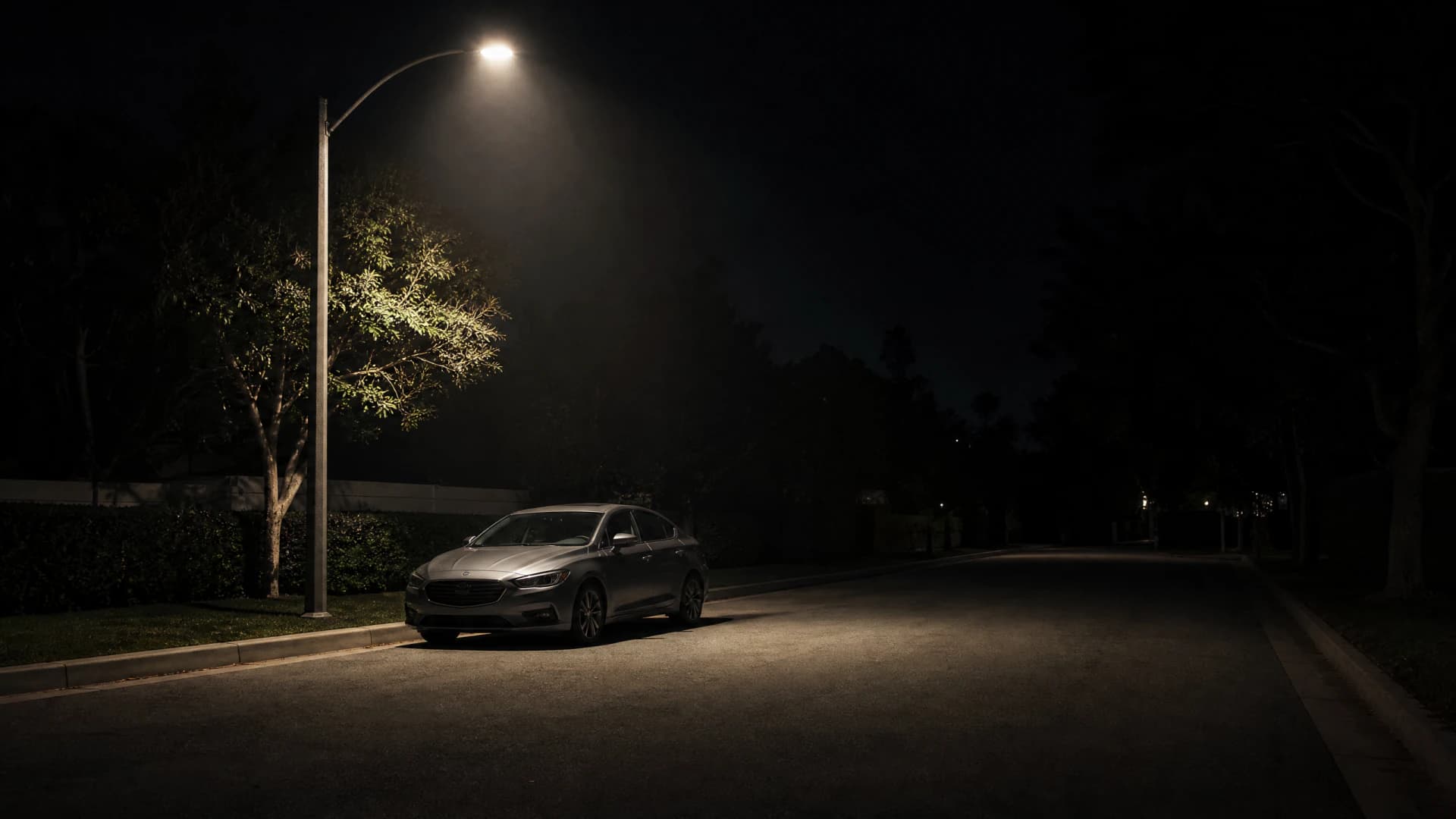
The lapse suspension blocks all reinstatement processing—you cannot clear your DWI suspension, renew your Limited Driving Privilege, or petition for hardship relief until the lapse violation is resolved and DMV receives proof of continuous coverage.
Related Articles
NH Lapse Reinstatement Costs: SR-22 + Fees Breakdown
5/3/2026

NH Unpaid Ticket Suspension: SR-22 & Lapse-Gap Guide
5/3/2026

NH Insurance Lapse Reinstatement: Court & DMV Steps
5/3/2026
NH College Student SR-22 After Insurance Lapse Suspension
5/3/2026
NH CDL Reinstatement After Lapse: SR-22 Timing
5/3/2026

NM Insurance Lapse Reinstatement Guide
7/13/2026

The Lapse Gap Documentation Trap
New Hampshire DMV requires proof that you have closed the insurance lapse gap before processing reinstatement. This is not the same as filing SR-22. SR-22 proves you currently have coverage. Lapse gap documentation proves you obtained coverage on a specific date and maintained it continuously from that date forward. If you let 60 days pass between your lapse date and your SR-22 filing date, DMV counts those 60 days as part of your suspension period—you cannot backdate coverage to close the gap.
Most single parents discover this trap when they pay the $100 reinstatement fee, submit their SR-22 certificate, and receive a denial letter stating the lapse gap has not been satisfied. DMV is telling you that the suspension period has not yet run because you did not maintain continuous coverage from the SR-22 filing date forward for the required duration. New Hampshire does not publish a fixed lapse suspension period—it varies by the length of your lapse and whether this is your first or subsequent lapse offense.
The only way to avoid extending your suspension is to file SR-22 immediately when you receive the lapse suspension notice. Every day you delay filing is another day added to the back end of your suspension period. If you cannot afford to reinstate coverage immediately, contact DMV's Bureau of Hearings to request a payment plan or hardship consideration—delaying the SR-22 filing does not pause the clock, it extends the suspension.
3 years
NH SR-22 Filing Period
New Hampshire requires SR-22 filing for three years after reinstatement for any DWI conviction, leaving the scene of an accident, or second reckless operation offense under RSA 265-A:28. If you triggered both a DWI suspension and a lapse suspension, both SR-22 requirements run concurrently for three years.
RSA 265-A:28

Sequencing Reinstatement When You Have Two Suspensions
Once you file SR-22 for the lapse suspension and maintain coverage for the required period, pay the $100 lapse reinstatement fee online through the New Hampshire DMV portal or in person at a DMV office. DMV clears the lapse block within 3 to 5 business days after receiving payment and verifying your SR-22 filing is active. You receive a clearance letter confirming the lapse suspension is resolved.
Only after the lapse suspension clears can you begin the DWI reinstatement process. If you have not yet completed your court-ordered alcohol education program, installed an ignition interlock device, or satisfied other DWI-specific requirements, you must complete those steps before DMV will process DWI reinstatement. The lapse clearance does not restore your driving privileges—it removes the administrative block preventing you from addressing the underlying DWI suspension.
Single parents managing childcare and work under time pressure should treat the lapse suspension as the first gate in a two-gate process. Budget for two $100 reinstatement fees, not one. Plan for dual SR-22 filings if your original suspension also requires SR-22. Calendar the three-year SR-22 maintenance period and set up automatic premium payments to avoid re-triggering suspension. The structural sequence is lapse first, DWI second—attempting to reverse that order wastes time and money on applications DMV will reject.
What to Do Right Now
If you received a lapse suspension notice while already suspended for DWI or another violation, contact a carrier writing non-owner SR-22 policies in New Hampshire today. File SR-22 immediately to start the lapse suspension clock—every day you delay extends your total suspension period. Once SR-22 is active, pay the $100 lapse reinstatement fee and request written confirmation from DMV that the lapse block has cleared. Only then should you proceed with DWI reinstatement requirements.
Compare carriers writing non-owner SR-22 policies to find coverage that fits a single parent's budget for 36 months of continuous premium payments. Geico, Progressive, The General, and Bristol West all write non-owner SR-22 in New Hampshire and offer monthly payment plans. Request quotes from multiple carriers—non-owner SR-22 premiums vary by $40 to $80 per month depending on your violation history and county.
How to Clear the Lapse Suspension First
Contact a carrier licensed to write non-owner SR-22 policies in New Hampshire if you do not currently own a vehicle. Carriers writing non-owner SR-22 in New Hampshire include Geico, Progressive, The General, National General, USAA, Farmers, and Bristol West. Request a non-owner liability policy with SR-22 filing. The carrier files the SR-22 certificate electronically with DMV within 24 to 48 hours. DMV date-stamps the filing and begins counting your lapse suspension period from that date, not from the date your insurance originally lapsed.
New Hampshire requires you to maintain the SR-22 filing for three years from the date of reinstatement for DWI-related suspensions under RSA 265-A:28. If your lapse occurred during a DWI suspension, you face dual SR-22 requirements: one for the lapse, one for the DWI. Both must remain active for three years. If you let either lapse, DMV suspends your license again and restarts the three-year clock. Single parents managing tight budgets need to plan for 36 months of continuous premium payments with no gaps—set up automatic payments and calendar reminders to avoid re-triggering suspension.
Get Your Free Quote
Get Back on the RoadFrequently Asked Questions
Do I need SR-22 for an insurance lapse suspension in New Hampshire?
Yes. New Hampshire requires SR-22 filing to clear an insurance lapse suspension, separate from any SR-22 requirement tied to your original DWI or violation suspension. If both suspensions require SR-22, you maintain one continuous SR-22 filing that satisfies both requirements for three years from reinstatement.
Can I reinstate my DWI suspension before clearing the lapse suspension?
No. New Hampshire DMV will not process any reinstatement application until the lapse suspension is resolved. The lapse block sits in front of all other reinstatement pathways. You must file SR-22, maintain coverage for the lapse suspension period, and pay the $100 lapse reinstatement fee before DMV will accept your DWI reinstatement application.
How long does the lapse suspension last in New Hampshire?
New Hampshire does not publish a fixed lapse suspension period. The suspension runs from your SR-22 filing date forward for a duration determined by the length of your lapse and whether this is your first or subsequent lapse offense. The only way to avoid extending the suspension is to file SR-22 immediately when you receive the lapse notice.
What happens if I let SR-22 lapse after reinstatement?
New Hampshire suspends your license again immediately and restarts the three-year SR-22 filing period from zero. You pay another $100 reinstatement fee, file new SR-22 proof, and begin a new three-year maintenance period. Set up automatic premium payments and calendar reminders to avoid re-triggering suspension.
Can I get a Limited Driving Privilege while the lapse suspension is active?
No. New Hampshire revokes any existing Limited Driving Privilege when you receive a lapse suspension, and you cannot petition for a new privilege until the lapse block is cleared. You lose legal driving authority for work, childcare, and medical appointments until you file SR-22, maintain coverage for the required period, and pay the $100 reinstatement fee.
Do I need to own a car to file SR-22 in New Hampshire?
No. If you do not own a vehicle, file non-owner SR-22 (also called operator SR-22). Carriers writing non-owner SR-22 in New Hampshire include Geico, Progressive, The General, National General, USAA, Farmers, and Bristol West. Non-owner SR-22 satisfies DMV's proof-of-financial-responsibility requirement without requiring vehicle ownership.