
NH College Student Insurance Lapse Reinstatement: Court vs DMV
Free to compare
Why New Hampshire Runs Dual Reinstatement Tracks for Insurance Lapse Suspensions
New Hampshire operates two parallel reinstatement processes after an insurance lapse suspension: court clearance and DMV verification. If your suspension originated from a court-ordered financial responsibility requirement—common after an at-fault accident or conviction—the court that issued the order must receive proof of continuous coverage before clearing your case. That court clearance does not automatically transmit to the DMV.
The DMV requires separate SR-22 filing submitted directly by your carrier, even if you already filed proof with the court. New Hampshire is the only state without mandatory baseline auto insurance, so financial responsibility requirements trigger only after specific events. When they do trigger, both the court and the DMV maintain independent records. Most college students file court documentation assuming DMV receives it automatically. The DMV processes SR-22 filings within 5-7 business days once received, but only after your carrier submits the electronic certificate.
This dual-agency structure creates a coordination gap. You can satisfy the court requirement and still face DMV suspension if your carrier has not filed SR-22 with the state. The reverse is also true: SR-22 on file with DMV does not clear a court-ordered financial responsibility hold.

Court Clearance Process: What College Students Miss Most Often
If your suspension stems from a court order, you must submit proof of continuous coverage to the clerk of the court that issued the financial responsibility order. The court does not automatically know you purchased coverage. You must provide documentation showing the policy effective date, coverage limits, and carrier name.
The court typically requires 30-45 days of continuous coverage before issuing clearance. If you purchased a policy yesterday, the court will not clear your case today. Most college students submit proof immediately after purchase and assume clearance is instant. The court verifies coverage has remained active without lapse during that 30-45 day window. If your carrier cancels the policy for non-payment during that verification period, the clock resets.
Once the court issues clearance, it does not transmit that clearance to the DMV. You must request a court clearance letter and submit it to the New Hampshire DMV separately. The court will not mail this to DMV on your behalf. This is the step most college students skip, assuming both agencies share records. They do not.

DMV SR-22 Filing Timeline and Carrier Coordination
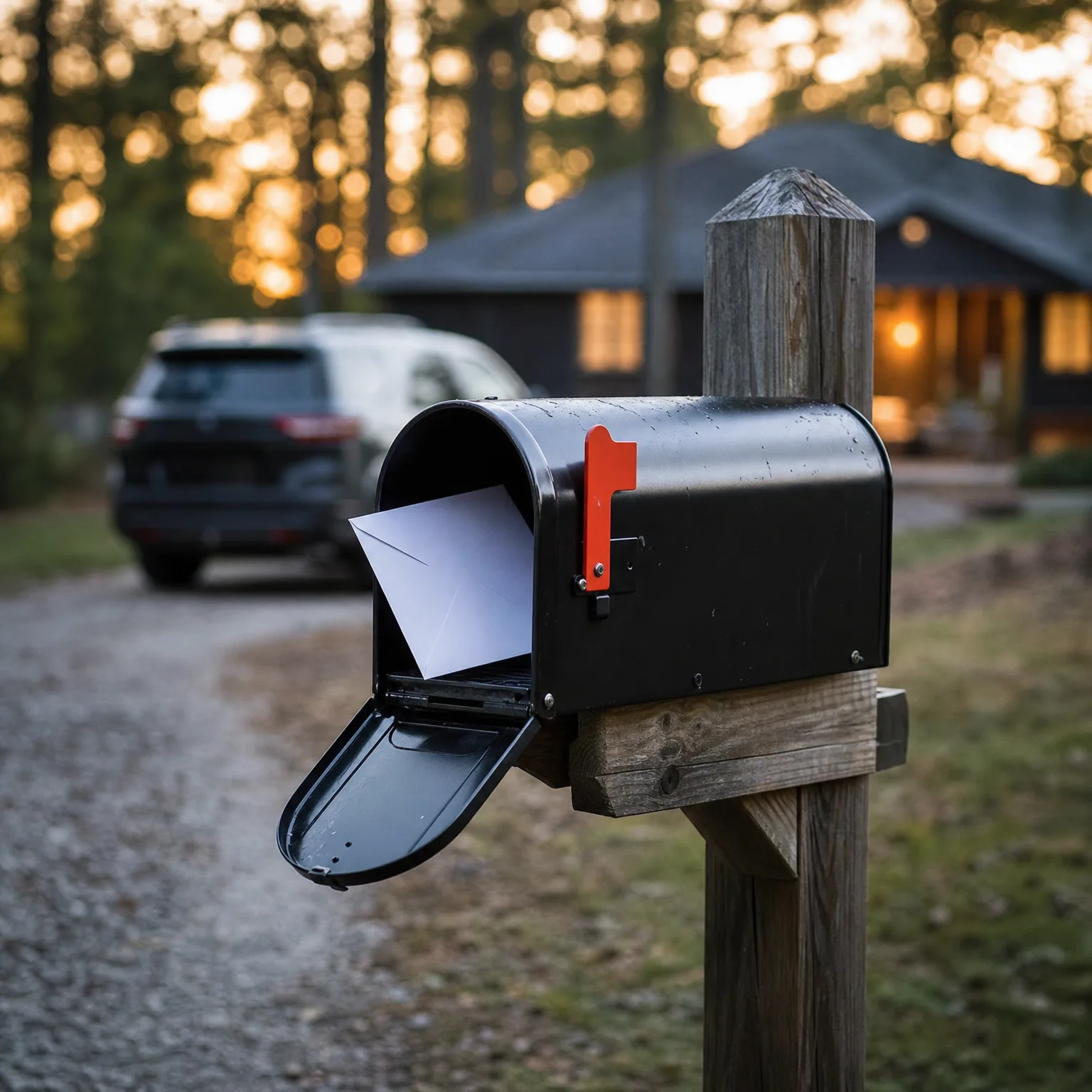
The DMV requires your carrier to file an SR-22 certificate electronically. You cannot file SR-22 yourself. When you purchase a policy, your carrier submits the SR-22 to the state on your behalf, typically within 24-48 hours of policy activation. The DMV processes the filing within 5-7 business days.
If you purchased coverage but your carrier has not yet filed SR-22, the DMV shows no record of compliance. Call your carrier and verify SR-22 was filed, not just scheduled. Some carriers delay filing until the first premium payment clears. If you paid with a personal check, the carrier may wait 7-10 days for the check to clear before filing SR-22. This creates a gap between policy purchase and DMV compliance that most students do not anticipate.
New Hampshire requires SR-22 filing for 3 years after the reinstatement date for insurance lapse suspensions, per RSA 264. If your carrier cancels the policy or you switch carriers during that 3-year period, the new carrier must file a replacement SR-22 within 10 days. Any lapse in SR-22 filing triggers automatic re-suspension, even if you maintain continuous coverage. The DMV monitors SR-22 status electronically. When a carrier cancels an SR-22, the DMV receives notification within 24 hours and issues a new suspension notice.

Line Up Coverage Before Your License Comes Back
Get Back on the RoadProcessing Timeline: Court Clearance Plus DMV Verification
Expect 6-8 weeks total from policy purchase to full reinstatement when both court clearance and DMV verification are required. The court requires 30-45 days of continuous coverage before issuing clearance. Once the court clears your case, you must obtain the clearance letter and submit it to the DMV. The DMV processes that submission within 10-15 business days, assuming your carrier has already filed SR-22.
Most college students underestimate this timeline because they treat reinstatement as a single event. It is two sequential processes. Filing SR-22 today does not satisfy the court's 30-45 day continuous coverage requirement. Obtaining court clearance does not automatically update DMV records. You are managing two independent agencies with different documentation requirements and different processing windows.
If you need to drive during this period, New Hampshire offers a Restricted Driving Privilege for eligible drivers. You must petition the court or apply to the DMV depending on the suspension type. For insurance lapse suspensions not involving DUI, the DMV typically handles the application. The restricted privilege allows driving for work, medical, and educational purposes while you satisfy reinstatement requirements. Approval is not automatic. The DMV requires proof of need—college enrollment verification, employer affidavit, or medical appointment documentation. The application fee and processing timeline are not consistently published by the DMV; verify current requirements at nh.gov/safety/divisions/dmv.
Non-Owner SR-22 Policies for College Students Without a Vehicle
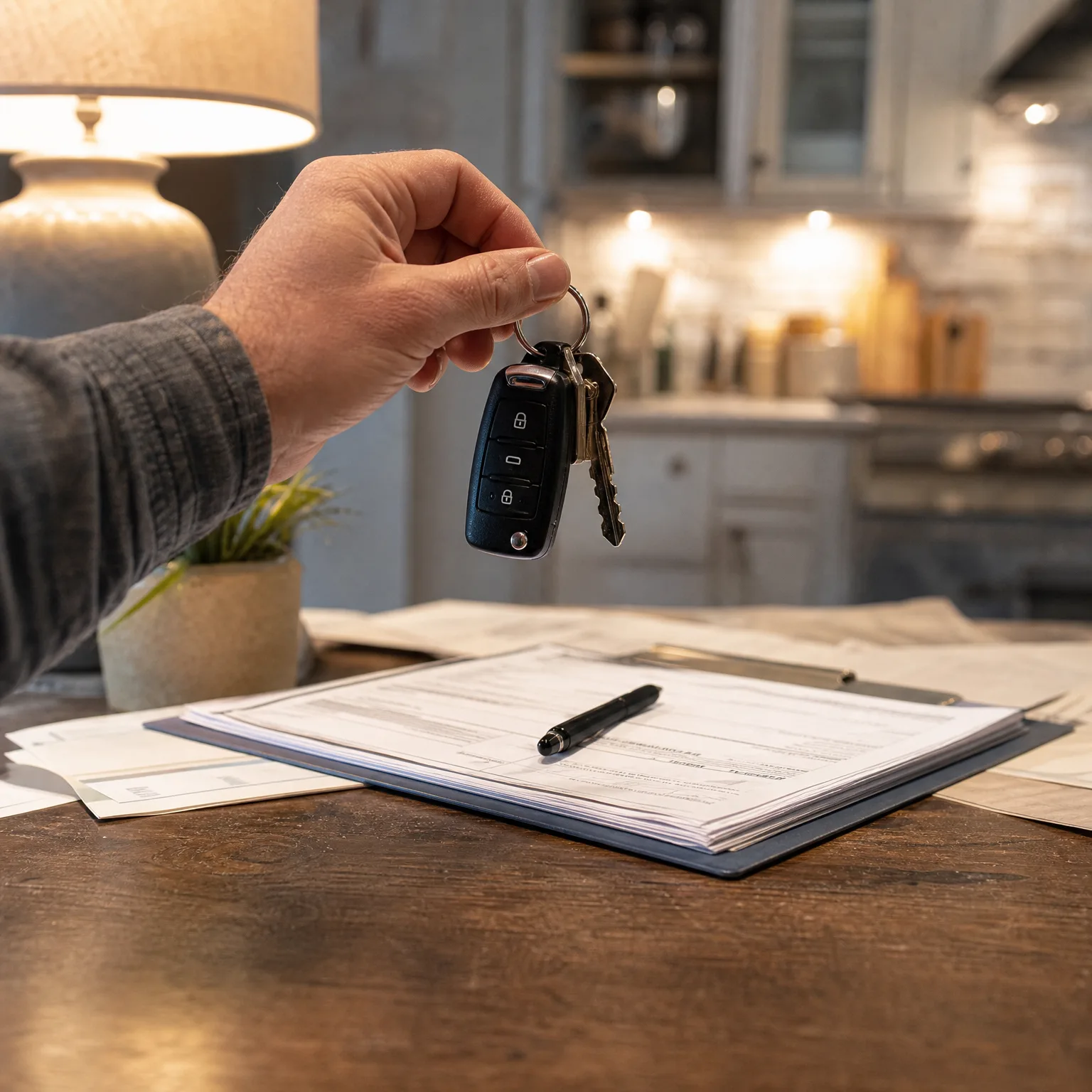
If you do not own a vehicle but need to satisfy New Hampshire's financial responsibility requirement, a non-owner SR-22 policy provides liability coverage when you drive a borrowed or rented car. Non-owner policies meet the state's SR-22 filing requirement at lower cost than standard auto policies because they do not cover a specific vehicle.
Typical non-owner SR-22 policies in New Hampshire cost $30-$60/month, compared to $110-$180/month for standard policies with SR-22 filing. The non-owner policy covers bodily injury and property damage liability up to the state's required minimums. It does not cover collision or comprehensive damage to the vehicle you are driving. If you borrow a parent's car, their policy provides primary coverage; your non-owner policy acts as secondary coverage if their limits are exhausted.
Non-owner policies satisfy both court and DMV requirements. Your carrier files SR-22 with the DMV the same way they would for a standard policy. The court accepts non-owner policy documentation for clearance purposes. Most college students do not know non-owner policies exist and purchase standard policies unnecessarily. If you do not own a vehicle and do not plan to purchase one during the 3-year SR-22 filing period, a non-owner policy is the appropriate product.
What to Do Right Now If You Are a New Hampshire College Student Facing Insurance Lapse Suspension
Contact an SR-22 carrier today and purchase either a standard auto policy or a non-owner policy depending on vehicle ownership. Verify the carrier will file SR-22 electronically with the New Hampshire DMV within 48 hours of policy activation. Do not assume SR-22 filing is automatic—confirm it explicitly.
If your suspension originated from a court order, call the clerk of the court that issued the financial responsibility order and ask what documentation they require for clearance. Submit that documentation as soon as your policy is active, but understand the court will require 30-45 days of continuous coverage before issuing clearance. Request a court clearance letter once the court approves your case, then submit that letter to the DMV separately.
Verify your carrier has filed SR-22 by calling the New Hampshire DMV at 603-227-4000. Ask for SR-22 filing status by name and driver's license number. If the DMV shows no record, contact your carrier immediately. Once both court clearance and DMV SR-22 filing are confirmed, schedule a DMV appointment to pay the $100 reinstatement fee and restore your license. Bring court clearance documentation, DMV SR-22 confirmation, and payment for the reinstatement fee. Processing time after payment is typically 3-5 business days.
Frequently Asked Questions
Does New Hampshire DMV automatically receive court clearance after an insurance lapse suspension?
No. The court and DMV operate independent reinstatement processes. You must submit court clearance documentation to the DMV separately, even after the court clears your case. The court does not transmit clearance to the DMV automatically.
How long does it take to reinstate a New Hampshire license after an insurance lapse suspension?
Expect 6-8 weeks total when both court clearance and DMV verification are required. The court requires 30-45 days of continuous coverage before issuing clearance, then the DMV processes your reinstatement within 10-15 business days after receiving court documentation and confirming SR-22 filing.
Can college students in New Hampshire get a restricted license during an insurance lapse suspension?
Yes. New Hampshire offers a Restricted Driving Privilege for work, medical, and educational purposes. You must apply to the DMV and provide proof of need, such as college enrollment verification or an employer affidavit. Approval is not automatic and requires demonstrating necessity.
Do I need SR-22 if I don't own a car but my license is suspended in New Hampshire?
Yes, if your suspension requires SR-22 filing. A non-owner SR-22 policy provides liability coverage when you drive borrowed or rented vehicles and satisfies New Hampshire's financial responsibility requirement without requiring vehicle ownership.
How much does SR-22 filing cost in New Hampshire for college students?
Non-owner SR-22 policies typically cost $30-$60/month in New Hampshire. Standard auto policies with SR-22 filing range from $110-$180/month. The carrier filing fee is typically $25-$50 as a one-time charge, plus the $100 DMV reinstatement fee.
What happens if my SR-22 lapses during the 3-year filing period in New Hampshire?
The DMV receives electronic notification from your carrier within 24 hours of SR-22 cancellation and issues a new suspension automatically. You must file a new SR-22 immediately and restart the 3-year filing period from the new filing date.
Related Articles
NH College Student SR-22 After Insurance Lapse Suspension
5/3/2026

NH Lapse Reinstatement Costs: SR-22 + Fees Breakdown
5/3/2026

NH Failure-to-Appear Warrant SR-22 Timing for Students
5/3/2026

NH Child Support Suspension SR-22 & Lapse-Gap Proof
5/3/2026

NH CDL Reinstatement After Lapse: SR-22 Timing
5/3/2026

NH DUI Reinstatement for Students: Court & DMV Timing
5/3/2026