
Louisiana Rideshare SR-22 After Insurance Lapse: Filing Timing
Free to compare
Why Louisiana's Electronic Reporting System Rejects Early SR-22 Filings After Rideshare Lapse
Louisiana's Insurance Verification System (LAIVS) cross-references your SR-22 filing against the policy type that triggered the lapse notification. When your personal auto policy canceled while you were actively driving for Uber or Lyft, LAIVS logged that cancellation under your personal vehicle registration. Filing SR-22 on a new personal policy before OMV administratively closes the lapse case creates a data mismatch—the system sees an open lapse record tied to rideshare activity but receives SR-22 proof tied to personal use only.
OMV will not process your SR-22 until the underlying lapse record shows resolved status in LAIVS. Most carriers and aggregators tell rideshare drivers to file SR-22 immediately after buying a new policy, which sounds correct but ignores Louisiana's dual-track verification process. You need OMV to administratively clear the original lapse before your carrier can successfully transmit SR-22 proof.
The administrative clearance window runs 15 to 30 days after your new carrier reports policy activation to LAIVS. During that window, OMV reconciles the new coverage against the old lapse record, confirms continuous coverage going forward, and updates your registration status. Only after that reconciliation completes will the system accept SR-22 filing tied to the same vehicle and driver record.
The Rideshare Coverage Gap That Triggers SR-22 Requirements
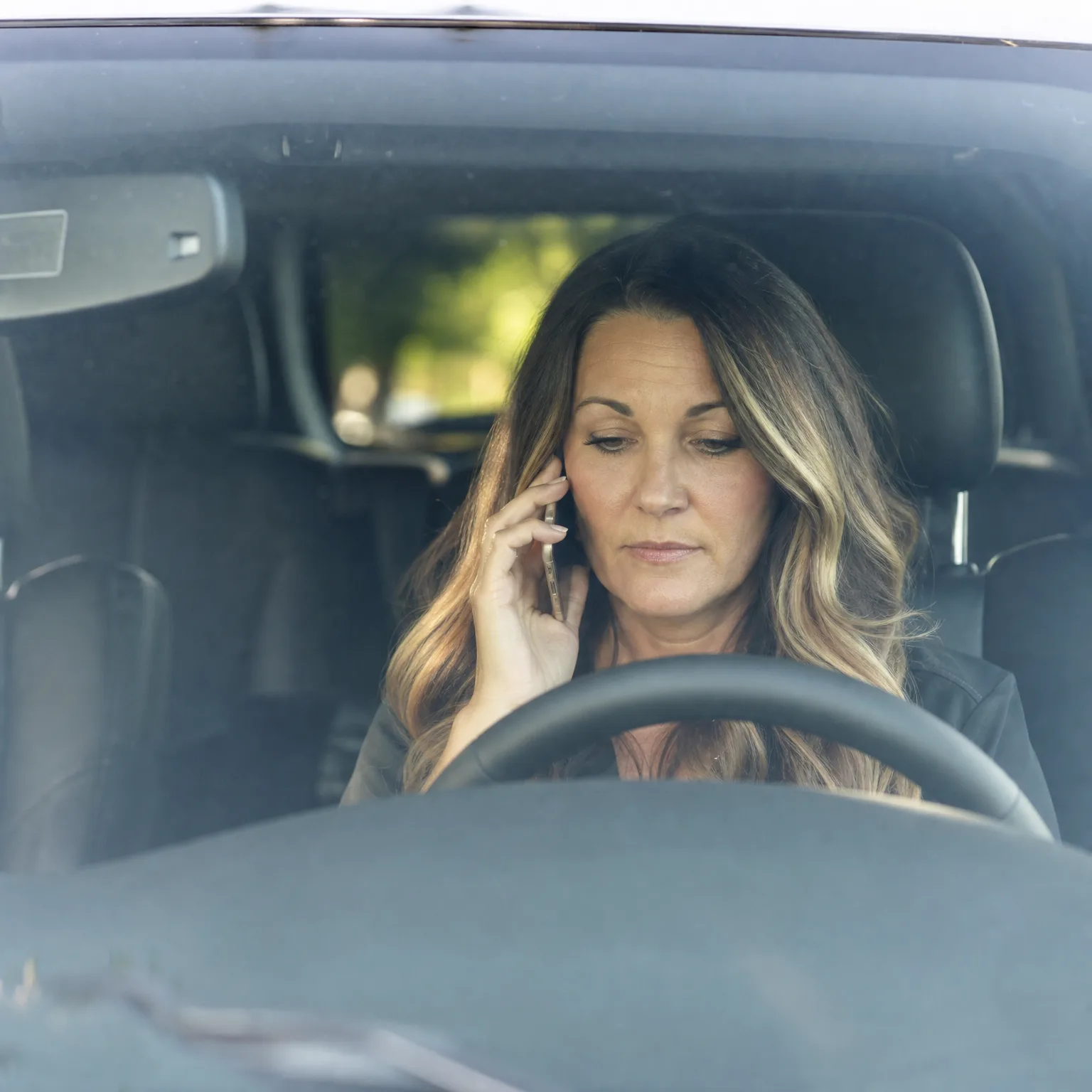
Personal auto policies exclude coverage during periods when you are logged into a rideshare app and available for rides, even if you have no passenger. Louisiana does not require rideshare platforms to provide primary liability coverage during Period 1—the window between app login and ride acceptance—which means most drivers operate uninsured during that phase unless they carry a rideshare endorsement on their personal policy.
When your personal policy lapsed, OMV suspended your vehicle registration under La. R.S. 32:863.1 because LAIVS detected the cancellation. If you were actively driving for Uber or Lyft at the time of lapse, the suspension triggers SR-22 filing requirements even though the lapse itself was not a violation—it becomes a violation the moment you continued operating the vehicle without valid coverage. Louisiana's No Pay No Play law (La. R.S. 32:866) compounds the problem by restricting your ability to recover damages from other drivers while uninsured, but that civil penalty is separate from the SR-22 filing obligation OMV imposes.
Most rideshare drivers assume their platform's commercial liability coverage satisfies Louisiana's financial responsibility requirement. It does not. Platform coverage is excess and contingent—it only attaches after your personal policy responds or during active rides. OMV treats lapsed personal coverage as complete loss of financial responsibility, regardless of what the rideshare platform provides.
Why Most SR-22 Carriers Won't Write Rideshare-Compliant Policies
Louisiana SR-22 filings require the carrier to guarantee financial responsibility for the specific use case that triggered the suspension. When the lapse occurred during rideshare activity, OMV expects the SR-22 policy to cover that activity going forward. Standard SR-22 carriers—Bristol West, The General, Direct Auto, National General—write personal auto policies that explicitly exclude rideshare use. Filing SR-22 on a personal-use-only policy after a rideshare-related lapse creates a coverage mismatch that OMV may flag during reinstatement review.
Rideshare endorsements solve this problem by converting a personal policy into rideshare-compliant coverage, but most non-standard carriers offering SR-22 do not underwrite endorsements. The carriers that do—State Farm, GEICO, Allstate, Progressive—typically decline to write new policies for drivers with recent lapses or suspensions. You are caught between two underwriting gates: SR-22 carriers that exclude rideshare use, and rideshare-friendly carriers that exclude high-risk drivers.
Commercial auto policies provide the cleanest solution because they cover all driving activity including rideshare without endorsements, but commercial policies require proof of business use and cost significantly more than personal policies. Few SR-22 carriers offer commercial auto at all, and those that do impose waiting periods after suspension before they will bind coverage.

Line Up Coverage Before Your License Comes Back
Get Back on the RoadHow to Sequence OMV Clearance, SR-22 Filing, and Rideshare Platform Reactivation
Buy a personal auto policy with rideshare endorsement or a commercial auto policy that covers rideshare activity. Confirm the carrier will file SR-22 in Louisiana and that the policy effective date is today or earlier—backdated effective dates do not satisfy OMV's continuous coverage requirement going forward, but same-day binding works. Do not request SR-22 filing yet.
Wait 15 to 30 days for LAIVS to process your new policy activation and for OMV to administratively clear the lapse suspension. You can check clearance status by calling OMV Public Safety Services at 225-925-6146 or visiting your parish OMV office in person with your new policy declaration page. When the representative confirms the lapse record shows resolved in LAIVS, contact your carrier and request SR-22 filing immediately.
OMV processes SR-22 filings within 3 to 5 business days after the carrier transmits the certificate electronically through LAIVS. Once OMV confirms receipt, pay the $60 base reinstatement fee plus any outstanding registration fees or penalties. Louisiana does not require an in-person visit for lapse-related reinstatements as long as all fees are paid and SR-22 is active in the system. After reinstatement, submit your updated insurance certificate and OMV reinstatement confirmation to Uber or Lyft through their driver app—both platforms verify Louisiana coverage and SR-22 status before reactivating driver accounts.
What Happens If You File SR-22 Before OMV Clears the Lapse
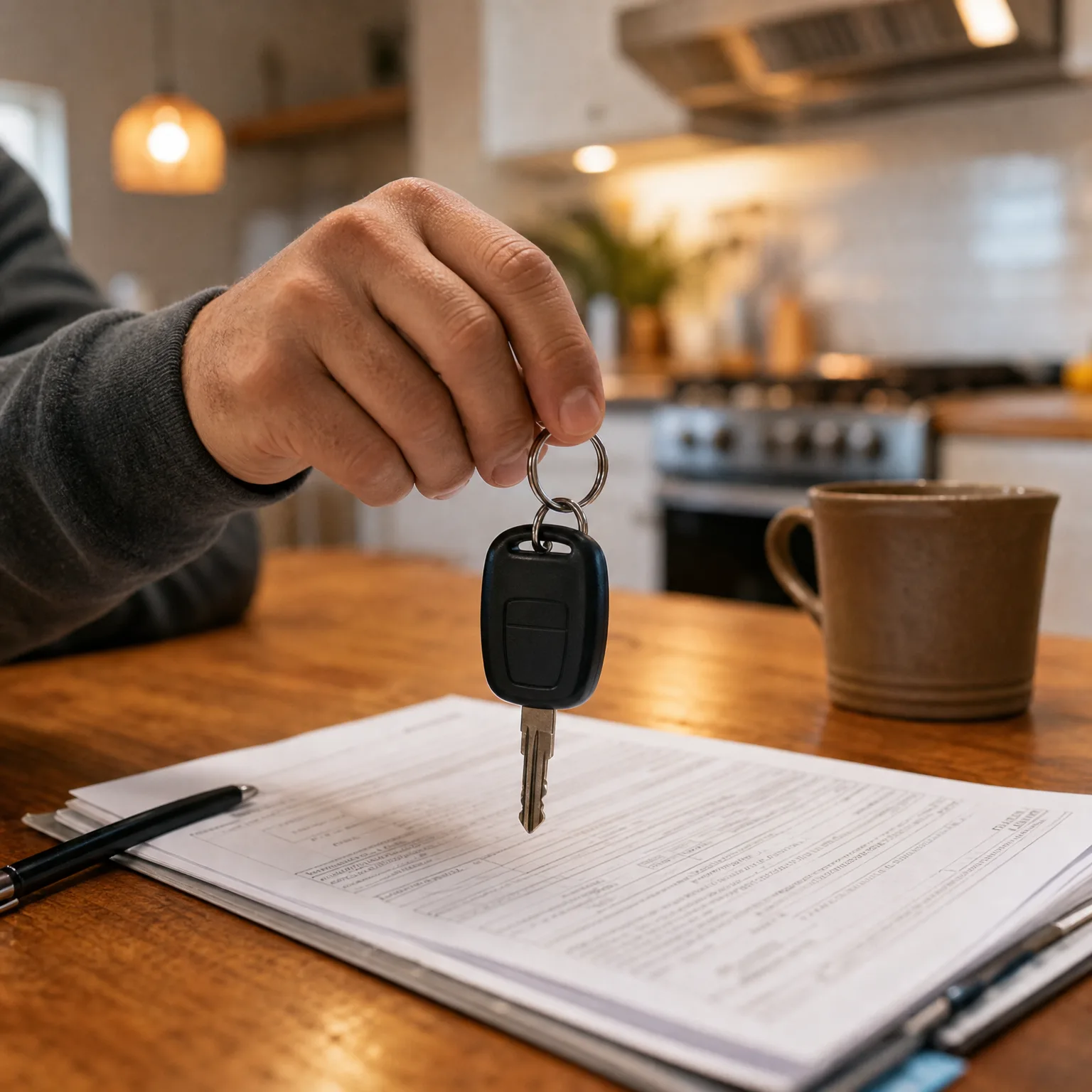
LAIVS will reject the SR-22 transmission or place it in pending status until the lapse record resolves. Your carrier may not notify you of the rejection—many carriers auto-file SR-22 certificates without confirming OMV acceptance, which means you assume compliance when the filing is actually stuck in the system. When you attempt to pay reinstatement fees or reactivate your rideshare account, OMV will tell you no SR-22 is on file.
You cannot bypass the clearance step by switching carriers or vehicles. LAIVS ties lapse records to your driver's license number, not your vehicle or policy number. Filing SR-22 on a different vehicle or through a different carrier before the original lapse clears produces the same mismatch. OMV will not process any SR-22 filing until the system shows the prior lapse resolved and continuous coverage reestablished.
The rejection adds 15 to 45 days to your total reinstatement timeline because you must wait for the lapse to clear, request a new SR-22 filing from your carrier, wait for OMV to process the second transmission, and then pay fees. Most rideshare drivers lose a full month of platform income during this window because Uber and Lyft deactivate accounts immediately when Louisiana reports a suspension but reactivate slowly after reinstatement due to internal compliance review delays.
How Long You Must Maintain SR-22 After Reinstatement
Louisiana does not impose a statutory SR-22 filing period for insurance lapse suspensions the way it does for DUI suspensions. OMV requires SR-22 until you demonstrate continuous coverage without lapses for a period OMV deems sufficient to restore financial responsibility confidence—typically 12 months from the reinstatement date, but OMV retains discretion to extend that period if additional lapses or violations occur.
Your carrier must maintain active SR-22 filing with OMV for the entire compliance period. If your policy cancels for any reason—nonpayment, underwriting review, voluntary cancellation—the carrier is required under La. R.S. 32:861 to notify OMV electronically within 10 days. That notification triggers immediate re-suspension of your registration, and you must restart the entire clearance and SR-22 filing process from the beginning.
After 12 months of continuous SR-22 coverage without violations, contact OMV Public Safety Services and request confirmation that SR-22 is no longer required. OMV will send written confirmation or update your driver record in LAIVS to remove the SR-22 requirement flag. Only after you receive that confirmation should you contact your carrier to remove SR-22 filing—removing it early triggers automatic re-suspension even if your underlying policy remains active.
Frequently Asked Questions
Can I drive for Uber or Lyft while my Louisiana registration is suspended for insurance lapse?
No. Louisiana law prohibits operating any vehicle with suspended registration, and rideshare platforms deactivate driver accounts immediately when OMV reports a suspension. You must complete the full reinstatement process—lapse clearance, SR-22 filing, fee payment—before Uber or Lyft will reactivate your account.
Does Uber's or Lyft's commercial liability coverage satisfy Louisiana's SR-22 requirement after a lapse?
No. Platform coverage is excess and contingent—it only attaches during active rides or after your personal policy responds. OMV requires SR-22 filing on a primary auto policy that covers all your driving activity, including rideshare use, which means you need a personal policy with rideshare endorsement or a commercial auto policy.
What happens if I file SR-22 on a personal policy that excludes rideshare use?
OMV may accept the SR-22 filing initially, but the coverage mismatch creates liability exposure and potential platform deactivation. If you have an accident while logged into the rideshare app, your personal carrier will deny the claim under the rideshare exclusion, and OMV may re-suspend your registration for operating without valid coverage during rideshare activity.
How long does Louisiana OMV take to process lapse clearance after I buy a new policy?
LAIVS typically processes new policy activation within 15 to 30 days after your carrier reports coverage. You can check clearance status by calling OMV Public Safety Services at 225-925-6146 or visiting your parish OMV office with your new policy declaration page—do not request SR-22 filing until OMV confirms the lapse record shows resolved.
Can I get a restricted license in Louisiana while my registration is suspended for rideshare lapse?
Louisiana's restricted license program under La. R.S. 32:415.1 applies to driver's license suspensions, not vehicle registration suspensions. Insurance lapse suspends your registration under La. R.S. 32:863.1, which means you can drive legally once you reinstate registration—no restricted license is needed or available for this suspension type.
Do I need to install an ignition interlock device to reinstate after a rideshare insurance lapse in Louisiana?
No. Ignition interlock requirements under La. R.S. 32:378.2 apply only to DUI-related suspensions. Insurance lapse suspensions require SR-22 filing, payment of reinstatement fees, and proof of continuous coverage, but no ignition interlock device is required.
Will Louisiana require SR-22 filing if I stop driving for rideshare platforms after my lapse suspension?
Yes. OMV bases the SR-22 requirement on the lapse event and suspension record, not your current driving activity. Even if you no longer drive for Uber or Lyft, you must complete the full reinstatement process including SR-22 filing and maintain compliance for the period OMV specifies—typically 12 months from reinstatement.
Related Articles

Louisiana Lapse Suspension: SR-22 Timing for Single Parents
5/3/2026
LA Rideshare Reinstatement: Court to OMV Timing Gap
5/3/2026
Louisiana Rideshare SR-22 Reinstatement Cost Stack
5/3/2026
LA DUI Reinstatement for Rideshare: SR-22 Timing
5/3/2026
LA CDL Reinstatement After Insurance Lapse | SR-22
5/3/2026
Reinstate License After Lapse in Baton Rouge | SR-22
4/29/2026