
Kentucky Insurance Lapse Suspensions: SR-22 Timing for Single Parents
Free to compare
Why Kentucky's Real-Time Insurance Verification System Penalizes Post-Lapse SR-22 Filing
Kentucky operates the Kentucky Automobile Insurance Verification System (KAIVS), which cross-references active insurance policies against registered vehicles in near-real-time. When your carrier reports a cancellation or lapse to KAIVS, the Transportation Cabinet initiates suspension proceedings without waiting for you to discover the problem. Most single parents receive the suspension notice days after the lapse occurred, then scramble to file SR-22 thinking it will retroactively cure the gap.
It doesn't. The Transportation Cabinet counts each day between your lapse date and your SR-22 effective date as uninsured time. If your policy lapsed March 10 but you didn't file SR-22 until March 25, you have a 15-day documentation gap the state treats as distinct from the original lapse. This gap appears on your driving record and extends your total suspension period because Kentucky requires proof of continuous coverage under KRS 304.39-080, not just proof you eventually obtained coverage.
Single parents juggling childcare, work schedules, and court obligations often lose a week or more between receiving the suspension notice and securing SR-22 coverage. That delay becomes permanent documentation the Transportation Cabinet references during reinstatement review. The system does not accommodate good-faith delays or circumstances beyond your control.

How Lapse-Gap Documentation Affects Kentucky Hardship License Petitions
Kentucky's Hardship License requires a District Court petition, proof of SR-22 insurance, and demonstration of need tied to employment, medical care, school, or other court-approved purposes. The court evaluates your petition against your driving record, which now includes both the original lapse and the post-lapse gap before SR-22 filing. Judges in Jefferson County (Louisville) and Fayette County (Lexington) routinely deny petitions when the lapse-gap period exceeds 14 days without documented explanation.
The problem: most single parents don't realize the gap exists until the hardship hearing. You submit your SR-22 certificate, employer affidavit, and custody documentation assuming the SR-22 filing date marks reinstatement eligibility. The court reviews your KAIVS record, sees 18 days of uninsured driving between lapse and filing, and interprets it as ongoing non-compliance rather than a one-time lapse. Jefferson County courts require a written statement explaining the gap—employment verification showing work hours during the gap period, proof of childcare obligations that delayed your ability to visit an insurance office, bank records showing when funds became available for the SR-22 premium.
Without that documentation prepared in advance, your petition gets continued for 30-45 days while you gather evidence. Meanwhile, your suspension period continues accruing, your employer's patience wears thin, and your childcare logistics collapse. The gap you thought was administrative becomes the basis for denial or delay.

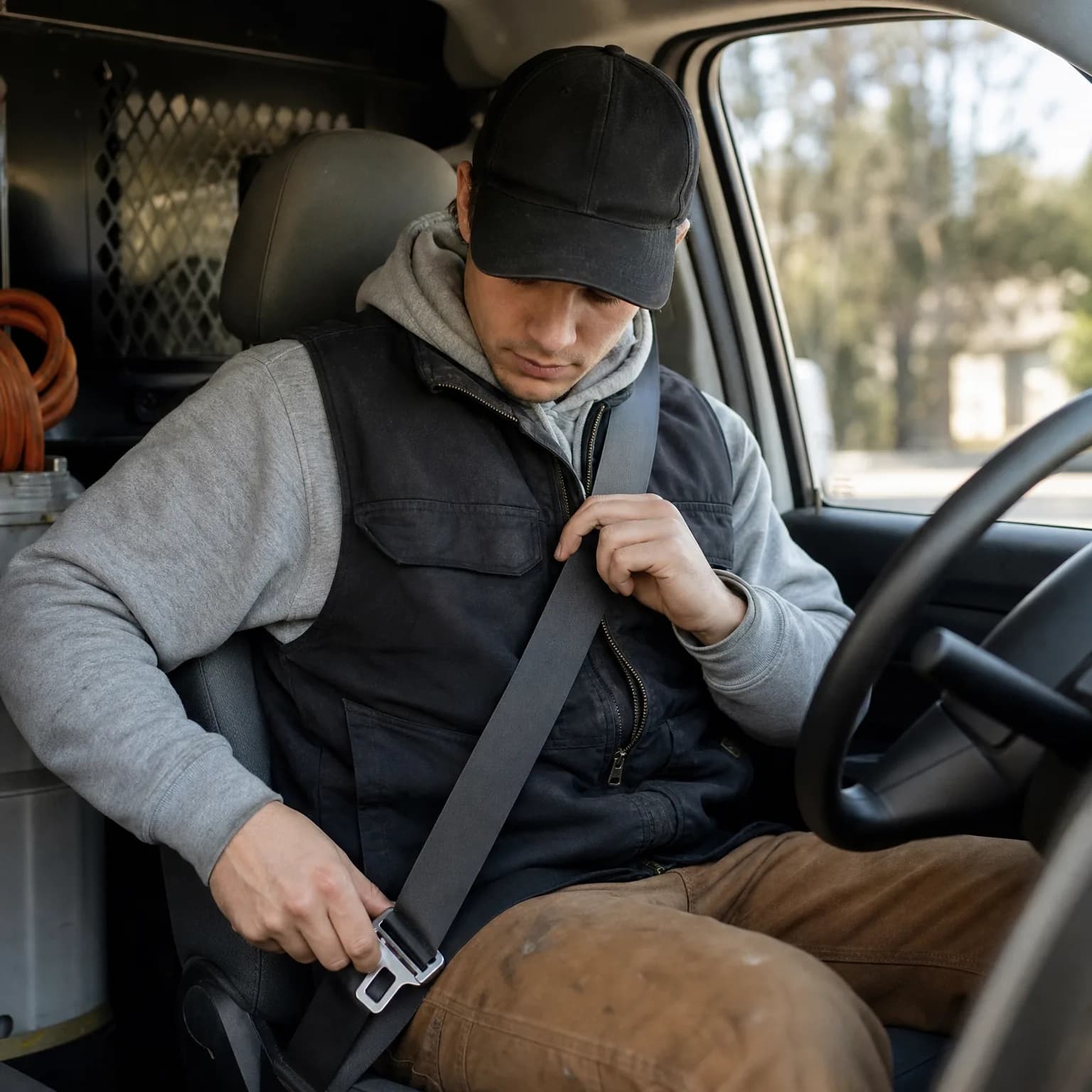
The SR-22 Filing Sequence Kentucky Requires After an Insurance Lapse Suspension
Kentucky does not process reinstatement applications until three conditions are satisfied simultaneously: payment of the $40 reinstatement fee, proof of current SR-22 filing, and closure of the lapse-gap period. You cannot pay the fee online through the Kentucky Online Gateway (drive.ky.gov) until KAIVS shows continuous coverage from the date of suspension forward. The system locks you out if any uninsured days appear in the record.
The correct sequence: (1) Secure SR-22 coverage with an effective date no later than the day you receive the suspension notice—ideally the same day your prior policy lapsed. (2) Confirm your carrier submitted the SR-22 filing to the Transportation Cabinet electronically and obtain written confirmation of the filing date. (3) Wait 3-5 business days for KAIVS to update and reflect the SR-22 on file. (4) Pay the reinstatement fee online or at a Division of Driver Licensing office. (5) If seeking a Hardship License, file your District Court petition only after steps 1-4 are complete and you have written proof of each step's completion date.
Most single parents reverse steps 1 and 4, paying the reinstatement fee before securing SR-22 coverage. The fee payment gets held in pending status, KAIVS continues showing the lapse-gap, and your petition hearing arrives before the system reflects compliance. You waste the $40 fee and must restart the sequence with updated documentation.
Why Non-Owner SR-22 Policies Create Fewer Lapse-Gap Problems for Single Parents
Single parents without a registered vehicle in their name face a distinct advantage during lapse suspensions: non-owner SR-22 policies carry no vehicle registration cross-reference in KAIVS. If you lost access to the household vehicle during a separation or sold your car to reduce expenses, filing a non-owner SR-22 the day you receive the suspension notice eliminates the lapse-gap entirely because the system has no prior policy to compare against.
Non-owner SR-22 coverage in Kentucky typically costs $30-$50 per month for liability-only coverage, significantly less than reinstating a standard auto policy that requires comprehensive and collision coverage to satisfy a lender. The policy satisfies KRS 304.39-080's financial responsibility requirement without requiring you to own, register, or insure a specific vehicle. You maintain the SR-22 for the required period—typically 3 years from the reinstatement date—then cancel without penalty once the Transportation Cabinet releases the filing requirement.
The hardship petition benefits are substantial. Courts view non-owner SR-22 as evidence you're maintaining compliance without vehicle access, which supports petitions based on employer-provided transportation, rideshare to medical appointments, or driving a vehicle registered in someone else's name for court-approved purposes. Jefferson County judges approve these petitions at higher rates than petitions involving owned vehicles because the non-owner policy eliminates questions about whether you're driving uninsured between lapse and filing.

Line Up Coverage Before Your License Comes Back
Get Back on the Road
How Kentucky's Ignition Interlock License Requirement Interacts with Lapse Suspensions
If your lapse suspension occurred while you were already subject to ignition interlock requirements under KRS 189A.340—common for single parents with a prior DUI conviction who let coverage lapse due to premium affordability issues—you now face dual filing requirements. The Transportation Cabinet will not process your reinstatement or approve a Hardship License petition until both the SR-22 and an approved Ignition Interlock Device installation verification are on file.
Kentucky's 2020 SB 133 created the Ignition Interlock License as a distinct alternative to the traditional Hardship License for DUI offenders. If your underlying suspension includes a DUI component, the IID installation must occur before SR-22 filing because the SR-22 certificate must list the IID-equipped vehicle or specify non-owner coverage. Filing SR-22 without IID documentation triggers an automatic rejection at the DMV, forcing you to refile with corrected information. That refiling creates a new effective date, which restarts the lapse-gap clock.
The cost barrier is significant: IID installation runs $75-$150, monthly monitoring fees add $60-$90, and the device must remain installed for the duration of your suspension plus any court-ordered extension period. Single parents facing this dual requirement should contact Kentucky-approved IID providers (list maintained by the Transportation Cabinet) before shopping for SR-22 coverage, confirm installation availability within 48 hours, then secure SR-22 with the IID installation date as the effective date. This sequence minimizes the lapse-gap and prevents rejection at the hardship hearing.

What Single Parents Should Document Before Filing a Kentucky Hardship License Petition
Kentucky District Courts require specific documentation proving hardship, not general statements of need. Single parents must submit: (1) Employer affidavit on company letterhead stating your work hours, job location, and confirmation that public transportation or rideshare is unavailable or impractical for your shift schedule. (2) Custody order or parenting plan showing your custodial days and pickup/dropoff obligations for school or childcare. (3) School enrollment verification for children showing location and required drop-off times. (4) Medical appointment records if seeking approval for health-related driving, including provider location and appointment frequency. (5) Proof of SR-22 insurance with effective date matching or predating your suspension notice date. (6) Written explanation of any lapse-gap period exceeding 7 days, supported by bank records, work schedules, or other evidence showing why the delay occurred.
Jefferson County and Fayette County courts process the highest volume of hardship petitions and maintain the strictest documentation standards. Rural district courts may accept less formal submissions, but relying on leniency creates denial risk you cannot afford when childcare and employment depend on approval. Assemble the full documentation package before filing the petition. Courts continue cases when documentation is incomplete, adding 30-45 days to your timeline and increasing the risk your employer terminates you for unreliable transportation.
Court-defined restrictions typically limit driving to specific hours and specific routes: home to work, home to childcare, home to school, home to medical appointments. The court will not approve general errands, social visits, or routing flexibility. Violating the restriction terms during your hardship period triggers automatic revocation and extends your total suspension. Single parents must map approved routes in advance and ensure childcare, work, and school locations fall within the court's geographic approval.
How to Find SR-22 Coverage That Accounts for Kentucky's Lapse-Gap Timeline
Not all carriers writing SR-22 policies in Kentucky offer same-day effective dates or understand the lapse-gap documentation problem. National carriers like State Farm, Progressive, and GEICO process SR-22 filings electronically but typically impose a 24-48 hour underwriting review for drivers with recent suspensions, which creates the exact gap you're trying to avoid. Regional non-standard carriers specializing in high-risk and SR-22 filings can issue policies with same-day effective dates, but premiums run 20-40% higher than standard-market rates.
When comparing quotes, confirm three details before purchasing: (1) The effective date matches the date you're calling or the date of your lapse, whichever is earlier—not the next billing cycle start date. (2) The carrier will submit the SR-22 filing to the Kentucky Transportation Cabinet electronically within 24 hours of policy purchase and provide written confirmation of filing with a Transportation Cabinet reference number. (3) The policy includes liability limits meeting Kentucky's minimum requirements: $25,000 per person/$50,000 per accident for bodily injury, $25,000 for property damage—some non-owner policies default to lower out-of-state minimums that Kentucky will reject.
Single parents should request email confirmation of SR-22 filing immediately after purchasing the policy, then call the Transportation Cabinet Driver Licensing division 48 hours later to confirm KAIVS reflects the filing. If the system does not show your SR-22 on file within 72 hours, contact your carrier immediately and request proof of electronic transmission. Gaps in this confirmation process extend your lapse-gap and delay reinstatement.
Frequently Asked Questions
Does Kentucky require SR-22 filing after every insurance lapse suspension?
Yes. Kentucky treats insurance lapse as a violation of KRS 304.39-080's continuous coverage requirement and mandates SR-22 filing as proof of financial responsibility before processing reinstatement. The SR-22 requirement applies regardless of whether the lapse was intentional or due to non-payment. You must maintain the SR-22 for 3 years from your reinstatement date.
Can I get a hardship license in Kentucky while my registration is suspended for insurance lapse?
Yes, but only after you file SR-22 coverage and pay the reinstatement fee. Kentucky District Courts will not hear hardship petitions until your KAIVS record shows active SR-22 on file and the lapse-gap is documented. Jefferson County and Fayette County courts require written explanation of any gap exceeding 7 days between lapse and SR-22 effective date.
How long does it take for Kentucky's KAIVS system to show my SR-22 filing?
Most carriers submit SR-22 filings electronically to the Kentucky Transportation Cabinet within 24 hours of policy purchase. KAIVS typically updates 3-5 business days after carrier submission. You can verify your filing status by calling the Division of Driver Licensing or checking your online reinstatement eligibility through drive.ky.gov.
What happens if I file SR-22 two weeks after my Kentucky lapse suspension notice?
The 14-day gap between your lapse and SR-22 effective date becomes part of your driving record and extends your total suspension period. Kentucky counts each uninsured day separately. District Courts reviewing hardship petitions require written explanation for gaps exceeding 7 days, supported by employment records, childcare documentation, or bank statements showing why the delay occurred.
Do I need to own a car to file SR-22 after a Kentucky insurance lapse suspension?
No. Kentucky accepts non-owner SR-22 policies for reinstatement after lapse suspensions. Non-owner coverage costs approximately $30-$50 per month and satisfies the state's financial responsibility requirement without requiring you to register or insure a specific vehicle. This option works well for single parents who lost vehicle access during separation or sold their car.
Can I pay Kentucky's reinstatement fee before securing SR-22 coverage?
The Kentucky Online Gateway allows fee payment only after KAIVS shows active SR-22 on file. If you pay at a Division of Driver Licensing office before filing SR-22, your payment gets held in pending status until the SR-22 appears in the system. Secure SR-22 coverage first, wait 3-5 days for KAIVS to update, then pay the $40 reinstatement fee.
Does Kentucky's ignition interlock requirement apply to insurance lapse suspensions?
Only if your lapse occurred while you were already subject to ignition interlock requirements from a prior DUI conviction. Kentucky does not impose IID for lapse-only suspensions. If you have dual requirements, you must install the IID before filing SR-22 because the SR-22 certificate must reference the IID-equipped vehicle or specify non-owner coverage.
Related Articles

KY Insurance Lapse Reinstatement: Court & DMV Timing
5/3/2026

KY Child Support Suspension: Insurance Gap Risk
5/3/2026

Kentucky CDL SR-22 After Insurance Lapse: Filing Guide
5/3/2026

Kansas Insurance Lapse: SR-22 Timing for Single Parents
5/3/2026

Kentucky Insurance Lapse Suspension Costs for Parents
5/3/2026

Reinstate Louisville Suspended License: SR-22 & Fees
4/29/2026