
Kentucky Rideshare SR-22 Filing After Insurance Lapse Suspension
Free to compare
Why Kentucky's Electronic Insurance Verification Creates a Filing Gap for Rideshare Drivers
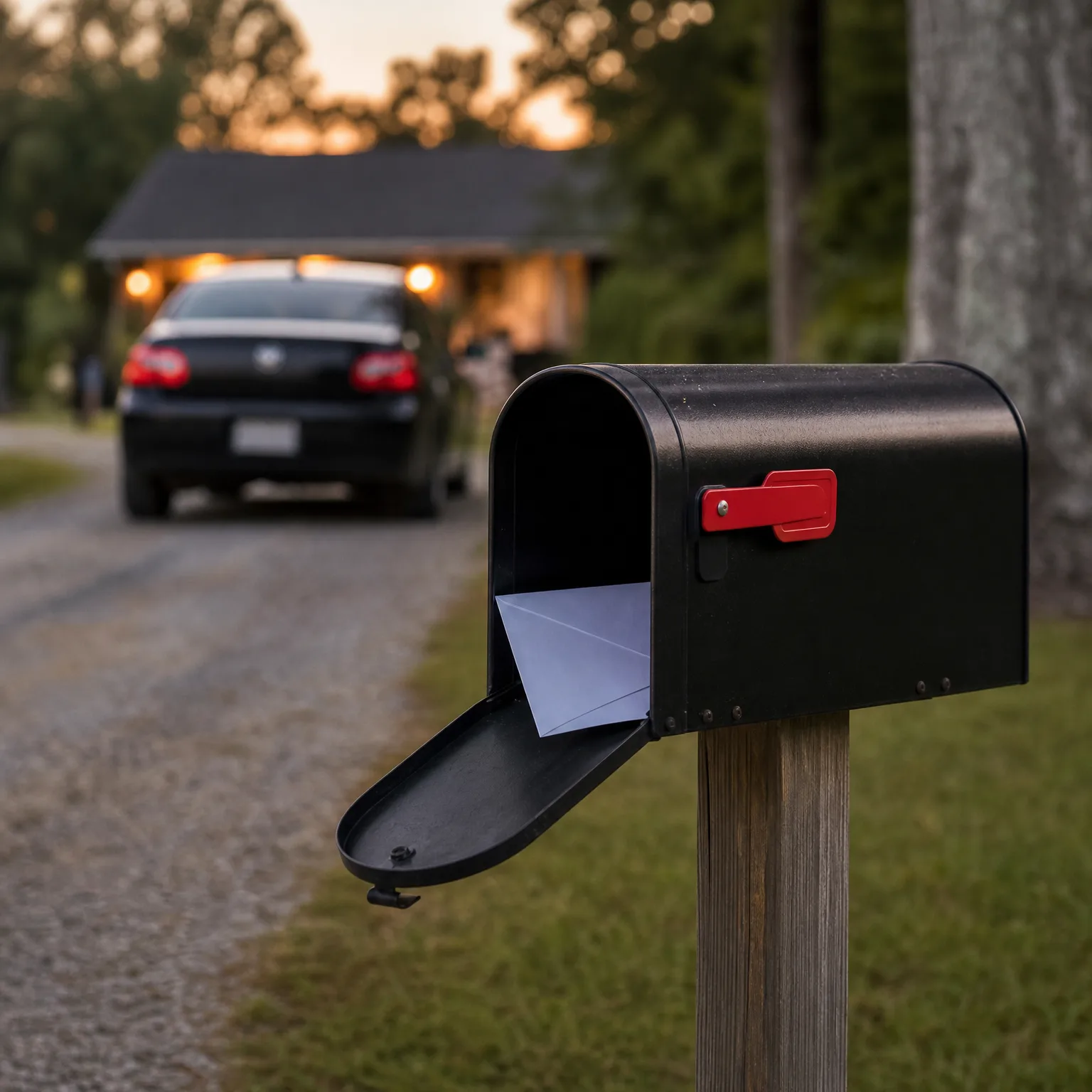
Kentucky operates the Kentucky Automobile Insurance Verification System (KAIVS), which cross-references every registered vehicle against active insurance policies in near-real-time. When your rideshare TNC policy lapsed—even for a single day—your carrier electronically reported the cancellation to the Kentucky Transportation Cabinet, triggering automatic registration suspension under KRS 304.39-080.
The system works in reverse when you file SR-22: your carrier submits the filing electronically through KAIVS, but the Transportation Cabinet requires 7-14 business days to process that submission and update your driving record. Most rideshare drivers attempt reinstatement within 48-72 hours of filing, before the SR-22 posts to their record, and the Transportation Cabinet clerk rejects the application because the system shows no active SR-22 on file. You forfeit the $40 reinstatement fee and must reapply after waiting the full processing window.
Rideshare drivers face this gap more frequently than standard personal-auto drivers because TNC policies often operate as endorsements or separate commercial policies with different billing cycles and cancellation procedures. A single missed payment on your rideshare endorsement triggers KAIVS reporting even if your underlying personal policy remains active, because Kentucky requires continuous coverage on all registered vehicles regardless of use category.
How Kentucky Counts the Lapse Period and What Triggers SR-22 Requirement
Kentucky does not offer a statutory grace period between your carrier's lapse report and state action. KAIVS processes carrier-reported lapses electronically, and the Transportation Cabinet issues a registration suspension notice within 10-15 days of the lapse date your carrier transmitted. The suspension becomes effective on the date stated in the notice, not the date you receive it.
SR-22 filing is required to reinstate your registration after an insurance lapse suspension. This differs from court-ordered SR-22 requirements following DUI or reckless driving convictions. Lapse-triggered SR-22 serves as proof you have reestablished continuous coverage and will maintain it for the duration Kentucky specifies—typically 3 years from your reinstatement date.
Rideshare drivers often assume their personal auto policy satisfies the SR-22 requirement, but Kentucky requires the SR-22 to cover the same vehicle and use category that triggered the suspension. If your rideshare TNC policy lapsed on a vehicle you use for Uber or Lyft driving, your SR-22 must attach to a policy covering commercial rideshare use, not just personal liability coverage. Most standard personal auto SR-22 policies explicitly exclude Period 1 TNC coverage (app on, waiting for ride request), which means reinstatement approval followed by immediate re-suspension once the Transportation Cabinet discovers the coverage gap during a compliance audit.


The Three-Entity Coordination Sequence Kentucky Requires
Kentucky's reinstatement process after lapse suspension requires coordinating your carrier, the Transportation Cabinet's Division of Driver Licensing, and KAIVS in a specific sequence. Filing in the wrong order extends your suspension by weeks.
Step one: obtain SR-22-eligible insurance that covers your rideshare use category. This must be an active paid policy, not a quote or binder. Your carrier cannot file SR-22 until premium payment clears and the policy is in-force. For rideshare drivers, this means either a commercial TNC policy or a personal policy with a TNC endorsement that explicitly covers Period 1 app-on time. Standard personal auto policies do not satisfy this requirement even if the carrier agrees to file SR-22, because Kentucky will reject the filing during compliance review if coverage does not match vehicle use.
Step two: request SR-22 filing from your carrier. Your carrier submits the SR-22 certificate electronically to KAIVS and the Kentucky Transportation Cabinet. Most carriers charge $25-$50 to file SR-22. The filing date your carrier transmits becomes the start date for your 3-year SR-22 maintenance period, not your reinstatement date. Filing SR-22 does not automatically reinstate your registration—it satisfies one prerequisite.
Step three: wait 7-14 business days for KAIVS processing, then apply for reinstatement in person or through the Kentucky Online Gateway at drive.ky.gov. The Transportation Cabinet will not process your reinstatement application until the SR-22 posts to your driving record in KAIVS. Attempting reinstatement before this window closes results in application rejection and forfeiture of the $40 reinstatement fee. Jefferson County and Fayette County Transportation Cabinet offices report the longest processing delays due to volume; rural counties typically clear SR-22 filings within 7-10 days.
What Happens If You Drive for Rideshare During Suspension
Operating a vehicle during registration suspension in Kentucky is a separate violation from driving during license suspension. Registration suspension prohibits you from operating the suspended vehicle on public roads, even if your driver's license remains valid. If you continue rideshare driving during registration suspension, you face Class B misdemeanor charges under KRS 186.990, a $500 fine, and potential vehicle impoundment.
Uber and Lyft conduct periodic background and compliance checks that cross-reference your vehicle registration status. Most rideshare drivers discover their suspension when the platform deactivates their account due to invalid registration, not from the Transportation Cabinet's mailed notice. Reactivation requires proof of reinstatement, which means completing the full SR-22 filing and reinstatement sequence before you can return to earning.
Kentucky does not offer hardship registration relief for commercial activity. The Hardship License program described in KRS 189A.410 applies to driver's license suspensions following DUI convictions, not to registration suspensions following insurance lapses. You cannot obtain court approval to drive for rideshare during a lapse-triggered registration suspension.

Line Up Coverage Before Your License Comes Back
Get Back on the Road
How Long You Must Maintain SR-22 and What Ends the Requirement
Kentucky requires 3 years of continuous SR-22 coverage following reinstatement from an insurance lapse suspension. The 3-year clock starts on your reinstatement date, not your SR-22 filing date. If you file SR-22 on March 1 but do not complete reinstatement until March 20, your 3-year SR-22 period runs through March 20 three years later.
Any lapse in SR-22 coverage during this 3-year period triggers automatic suspension again. Your carrier is required to notify the Transportation Cabinet electronically through KAIVS if your policy cancels, lapses, or if you request SR-22 removal before the 3-year requirement expires. The Transportation Cabinet suspends your registration within 10-15 days of receiving the lapse notice, and you must restart the entire SR-22 filing and reinstatement process from the beginning, including a new 3-year SR-22 maintenance period.
Rideshare drivers switching carriers during the SR-22 period must ensure zero-gap coverage. Kentucky does not recognize a grace period between policies. If your old policy terminates on March 31 at 11:59 PM and your new policy begins April 1 at 12:01 AM, KAIVS may register a gap depending on carrier reporting timestamps. Request your new carrier to file SR-22 and set the effective date at least 24 hours before your old policy terminates, creating deliberate overlap to avoid triggering a new suspension.

Non-Owner SR-22 Options If You Sold the Vehicle or Stopped Rideshare Driving
If you no longer own the vehicle that triggered the lapse suspension, or if you have stopped rideshare driving and do not plan to resume, Kentucky still requires SR-22 filing to clear the suspension from your record. Non-owner SR-22 policies satisfy this requirement.
A non-owner SR-22 policy provides liability coverage when you drive vehicles you do not own, and allows your carrier to file the required SR-22 certificate with the Transportation Cabinet. Non-owner policies typically cost $30-$60 per month, significantly less than standard rideshare TNC policies, because they exclude comprehensive and collision coverage and carry higher risk-based underwriting.
Non-owner SR-22 does not cover rideshare driving. If you plan to return to Uber or Lyft within the 3-year SR-22 period, you must maintain a commercial TNC policy with SR-22 endorsement for the entire period. Switching from TNC coverage to non-owner SR-22 mid-period is allowed only if you permanently cease rideshare activity and notify your carrier of the use-category change. The Transportation Cabinet does not verify this during routine compliance checks, but if you are involved in an accident while rideshare driving under a non-owner policy, your carrier will deny the claim and report the coverage misrepresentation to KAIVS, triggering a new suspension.
What to Do Right Now If Your Registration Was Suspended for Lapse
Contact a carrier that writes high-risk and commercial rideshare policies in Kentucky and request a quote for TNC coverage with SR-22 filing. Explain that your registration was suspended for insurance lapse and you need SR-22 to reinstate. Do not accept a standard personal auto quote with SR-22 unless you have permanently stopped rideshare driving—the Transportation Cabinet will reject it during compliance review.
Once your policy is in-force and your carrier confirms SR-22 filing, wait a minimum of 10 business days before attempting reinstatement. Check your driving record status through the Kentucky Online Gateway at drive.ky.gov to confirm the SR-22 has posted to KAIVS before paying the $40 reinstatement fee. If the SR-22 does not appear on your record within 14 business days of your carrier's filing date, contact the Transportation Cabinet Division of Driver Licensing at 502-564-1257 to request a manual KAIVS sync—carrier-reported filings occasionally fail to post due to VIN mismatches or policy number formatting errors.
After reinstatement, set a calendar reminder for 36 months from your reinstatement date. Do not cancel your SR-22 policy or allow it to lapse before this date expires. One day of gap coverage during the 3-year period restarts the entire SR-22 requirement and suspension cycle.
Frequently Asked Questions
Can I reinstate my Kentucky registration online after an insurance lapse suspension?
Kentucky offers online reinstatement through the Kentucky Online Gateway at drive.ky.gov for qualifying suspension types, but only after your SR-22 filing posts to KAIVS. You must wait 7-14 business days after your carrier files SR-22 before the online system will accept your reinstatement application. Attempting online reinstatement before the SR-22 posts results in application rejection and you forfeit the $40 reinstatement fee.
Does my Uber or Lyft insurance count as valid coverage for SR-22 filing in Kentucky?
Your rideshare TNC policy counts only if it covers Period 1 app-on time and your carrier agrees to file SR-22 on that policy. Most TNC policies are endorsements to personal auto policies, and Kentucky requires the SR-22 to attach to the policy covering the vehicle use that triggered the suspension. If your rideshare endorsement lapsed, your SR-22 must attach to a new TNC-endorsed or commercial rideshare policy, not a standard personal auto policy.
How much does SR-22 filing cost in Kentucky after a lapse suspension?
What happens if I switch rideshare companies during my 3-year SR-22 period in Kentucky?
Switching from Uber to Lyft or between rideshare platforms does not affect your SR-22 requirement as long as you maintain continuous TNC coverage with SR-22 endorsement. Kentucky's 3-year SR-22 period requires uninterrupted coverage on the same vehicle use category. If you switch carriers or platforms, coordinate effective dates to avoid any coverage gap—even one day without active SR-22 on file triggers automatic re-suspension.
Can I get a Kentucky hardship license to drive for rideshare during registration suspension?
No. Kentucky's Hardship License program under KRS 189A.410 applies only to driver's license suspensions following DUI convictions, not to vehicle registration suspensions following insurance lapses. Registration suspension prohibits operation of the suspended vehicle regardless of your driver's license status, and Kentucky does not grant hardship relief for commercial rideshare activity during suspension.
How do I know when my SR-22 has posted to Kentucky's system so I can reinstate?
Check your driving record through the Kentucky Online Gateway at drive.ky.gov approximately 10 business days after your carrier confirms SR-22 filing. The record will show active SR-22 status once KAIVS processes the filing. Do not attempt reinstatement until the SR-22 appears on your record—the Transportation Cabinet clerk cannot override the system and will reject your application if KAIVS shows no SR-22 on file.
What if I moved to Kentucky from another state while under SR-22 requirement?
Kentucky participates in interstate insurance data-sharing compacts. If you moved to Kentucky with an active out-of-state SR-22 requirement, you must transfer your SR-22 to a Kentucky-licensed carrier and notify the Kentucky Transportation Cabinet within 30 days of establishing residency. Your original state's SR-22 period continues to run—moving does not reset the clock, but Kentucky may impose additional SR-22 duration if your original suspension was for a trigger Kentucky treats more severely.
Related Articles

KY Rideshare Reinstatement After Lapse: Court & DMV Timing
5/3/2026
Kentucky Rideshare SR-22 Reinstatement: Full Cost Stack
5/3/2026

KY Rideshare Drivers: Unpaid Ticket Suspension Reinstatement
5/3/2026
Kentucky Rideshare Insurance Lapse Reinstatement Costs
5/3/2026

Kentucky Child Support Suspension: SR-22 & Rideshare
5/3/2026

Kentucky Failure-to-Appear Suspension for Rideshare Drivers
5/3/2026