
Kansas CDL Reinstatement After Lapse: Filing Fees, SR-22 Markup
Free to compare
What Kansas Charges CDL Holders to Reinstate After Lapse
Kansas charges a $50 base reinstatement fee to restore a CDL suspended for insurance lapse under K.S.A. 40-3104. This fee goes to the Kansas Department of Revenue Division of Vehicles, not your local DMV office. You pay it at the Driver Control Bureau when you submit proof of current insurance and your SR-22 filing.
The $50 state fee is the smallest part of your total cost. Your carrier will charge an SR-22 filing fee—typically $25 to $75 depending on the insurer—and then apply a high-risk premium adjustment that ranges from 40% to 120% above standard commercial liability rates. Most Kansas CDL holders pay $140 to $240 per month for liability coverage with SR-22 filing, compared to $85 to $140 per month for clean-record commercial coverage.
Kansas requires SR-22 filing for insurance lapse suspensions because the state treats lapse as proof of financial irresponsibility under its continuous coverage mandate. The SR-22 stays active for three years from your reinstatement date. If your carrier cancels your policy or you let it lapse during that three-year window, KDOR re-suspends your CDL immediately and you restart the reinstatement process from the beginning.
When the High-Risk Markup Starts
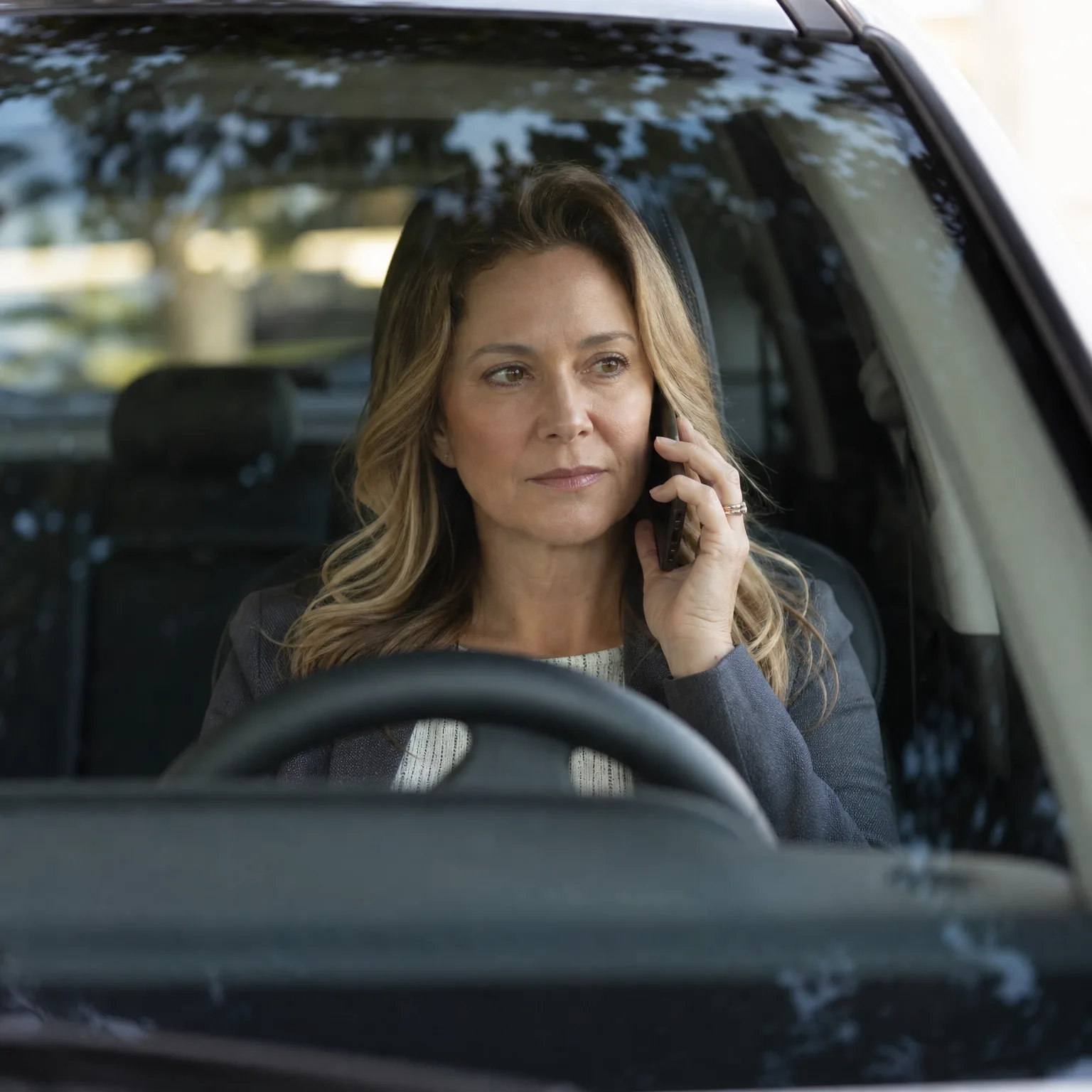
Your carrier applies the high-risk premium adjustment the day they report your policy cancellation to Kansas, not the day you file SR-22. Kansas uses an electronic insurance verification system where insurers must notify KDOR within days of canceling a policy. The moment KDOR receives that cancellation notice, your driving record is flagged for suspension and your carrier's underwriting system codes you as high-risk.
Most commercial drivers assume the markup starts when they file SR-22 to reinstate. It does not. If your policy cancels on March 1 and you file SR-22 on April 15, you are paying high-risk rates from March 1 forward—even though your license was suspended and you were not legally driving during that window. The high-risk period does not pause while you are suspended.
This timing gap matters because delaying reinstatement does not save you premium costs. You are already being charged high-risk rates from the cancellation date. Filing SR-22 immediately after your carrier reports the lapse minimizes the total high-risk period you pay for, even if you cannot drive yet.


Court-Defined SR-22 Filing vs Administrative Suspension
Kansas operates a dual-track suspension system. The Division of Vehicles handles administrative suspensions for insurance lapse under K.S.A. 40-3104. If your lapse triggers a court case—failure to appear for a lapse-related summons, or a moving violation discovered during the lapse period—the court may impose a separate judicial suspension with its own SR-22 requirement.
Administrative lapse suspensions require SR-22 for three years post-reinstatement. Court-ordered SR-22 durations vary by the underlying violation but typically run three to five years from conviction, not from reinstatement. If you have both an administrative lapse suspension and a court-ordered suspension running concurrently, you must satisfy both tracks independently. Clearing one does not automatically clear the other.
The KDOR will not process your CDL reinstatement until your SR-22 filing is active and your court clearance posts to their system. Most CDL holders in this situation wait 30 to 60 days longer than necessary because they assume one agency will notify the other. Kansas does not coordinate these tracks automatically. You must confirm both clearances yourself before scheduling your reinstatement appointment.

Line Up Coverage Before Your License Comes Back
Get Back on the RoadCommercial vs Personal Vehicle SR-22 Filing for CDL Holders
Kansas does not distinguish between personal-vehicle SR-22 and commercial-vehicle SR-22 for CDL reinstatement purposes. If your CDL was suspended for lapse on a personal vehicle policy, you can satisfy the SR-22 requirement with a non-owner SR-22 policy and still reinstate your commercial driving privileges. The state requires proof of financial responsibility, not proof of commercial vehicle ownership.
Non-owner SR-22 policies cost $35 to $70 per month in Kansas for drivers with lapse suspensions and no other violations. This is significantly less expensive than insuring a commercial vehicle with SR-22 filing, which runs $140 to $240 per month depending on vehicle class and cargo type. If you drive a company-owned commercial vehicle and do not own a personal vehicle, a non-owner SR-22 satisfies Kansas reinstatement requirements and allows you to return to work immediately.
Your employer's commercial fleet policy does not satisfy your personal SR-22 filing obligation. Kansas requires the SR-22 to be filed under your name as the policyholder, not as a listed driver on someone else's policy. Most CDL holders miss this distinction and assume their employer's coverage will handle reinstatement. It will not.

What Happens If You Miss the Three-Year Filing Window
Kansas requires continuous SR-22 filing for three years after reinstatement. If your carrier cancels your policy or you voluntarily cancel it during that window, KDOR receives an electronic SR-22 cancellation notice within 24 to 72 hours. Your CDL is automatically re-suspended the day KDOR processes that notice.
Re-suspension for SR-22 lapse is immediate and does not include a grace period or advance notice. You will not receive a warning letter. The suspension posts to the state database and your CDL becomes invalid for all commercial driving. If you are pulled over or attempt to use your CDL during this re-suspension, you are driving with a suspended license—a criminal offense in Kansas that carries additional suspension time and potential misdemeanor charges.
To lift the re-suspension, you must file a new SR-22, pay the $50 reinstatement fee again, and restart the three-year filing clock from the new reinstatement date. Kansas does not credit the time you already completed. Most CDL holders who lapse SR-22 filing in year two end up paying high-risk premiums for four to five years total instead of three.

How to Find SR-22 Coverage That Meets Kansas CDL Requirements
Kansas does not maintain a list of SR-22-authorized carriers, but the Division of Vehicles requires your carrier to be licensed to write liability policies in Kansas and to file SR-22 certificates electronically with KDOR. Most national carriers—State Farm, GEICO, Progressive, Nationwide—offer SR-22 filing for Kansas CDL holders. Smaller regional carriers and commercial trucking insurers also file SR-22, but some impose minimum coverage limits above the state's baseline.
Kansas requires $25,000 per person and $50,000 per accident for bodily injury liability, plus $25,000 for property damage. Commercial vehicle insurance already exceeds these minimums in most cases, but if you are filing non-owner SR-22 to reinstate your CDL without insuring a vehicle, confirm your policy meets the state's liability floor. Filing SR-22 with insufficient coverage limits delays reinstatement and requires re-filing.
Rate variation for SR-22 filing is significant. One carrier may quote $140 per month while another quotes $240 for identical coverage and filing requirements. Compare Kansas SR-22 quotes from multiple carriers before selecting a policy. The high-risk markup you pay is not standardized—it is carrier-specific and negotiable through shopping.
Frequently Asked Questions
Can I reinstate my Kansas CDL with a non-owner SR-22 policy?
Yes. Kansas allows CDL reinstatement with a non-owner SR-22 policy as long as the policy meets the state's minimum liability limits of $25,000/$50,000/$25,000. You do not need to own or insure a commercial vehicle to satisfy the SR-22 filing requirement for reinstatement.
Does my employer's commercial fleet insurance satisfy Kansas SR-22 requirements?
No. Kansas requires the SR-22 to be filed under your name as the policyholder, not as a listed driver on someone else's policy. Your employer's fleet coverage does not meet the state's reinstatement requirement even if it includes you as an authorized driver.
How long does Kansas require SR-22 filing after a CDL lapse suspension?
Kansas requires continuous SR-22 filing for three years from your reinstatement date. If your carrier cancels your policy or you let it lapse during that three-year window, KDOR re-suspends your CDL immediately and you must restart the three-year filing period from the new reinstatement date.
What happens if my SR-22 carrier cancels my policy mid-filing period in Kansas?
Kansas re-suspends your CDL the day KDOR processes the SR-22 cancellation notice from your carrier, typically within 24 to 72 hours of cancellation. There is no grace period or advance warning. You must file a new SR-22, pay the $50 reinstatement fee again, and restart the three-year filing clock.
Does Kansas charge commercial drivers more for SR-22 reinstatement than personal vehicle drivers?
No. Kansas charges the same $50 base reinstatement fee regardless of vehicle type. Carrier premium markups vary based on vehicle class and cargo type, but the state reinstatement fee is flat for all drivers reinstating after an insurance lapse suspension.
Can I drive a commercial vehicle while waiting for Kansas CDL reinstatement?
No. Your CDL is invalid from the suspension date until KDOR processes your reinstatement application and posts clearance to the state database. Driving any commercial vehicle with a suspended CDL is a criminal offense in Kansas and adds suspension time to your record.
Related Articles

Kansas CDL SR-22 After Lapse: Reinstatement Timeline
5/3/2026

Kansas Lapse Suspension: Full Reinstatement Cost Stack
5/3/2026

Kansas Rideshare SR-22 Reinstatement Cost Breakdown
5/3/2026

Reinstate Your License in Wichita After Insurance Lapse
4/29/2026
Kansas CDL Unpaid Ticket Suspension: Real Costs
5/3/2026

Kansas Lapse Suspension Costs: Full Single Parent Stack
5/3/2026