
Iowa Insurance Lapse Suspension for Rideshare: Court & DMV Timing
Free to compare
Why Iowa's Insurance Lapse Process Hits Rideshare Drivers Differently
Iowa's electronic insurance verification system flags policy cancellations and reports them to the Motor Vehicle Division. When you drive rideshare without the correct commercial coverage endorsement, your personal policy lapse triggers both a traffic citation and an administrative suspension notice from Iowa DOT.
The citation sends you to court. The suspension notice comes from Iowa DOT Motor Vehicle Division independently. Paying the court fine clears the citation record, but it does not automatically update your Motor Vehicle Division file. Most rideshare drivers assume the court and DMV share records in real time—they don't.
You must submit proof of current insurance to Motor Vehicle Division separately, even after court clearance. Missing this step adds 30-45 days to your reinstatement timeline because Iowa DOT won't process your reinstatement application until your file shows both court compliance and proof of continuous coverage filed directly with Motor Vehicle Division.
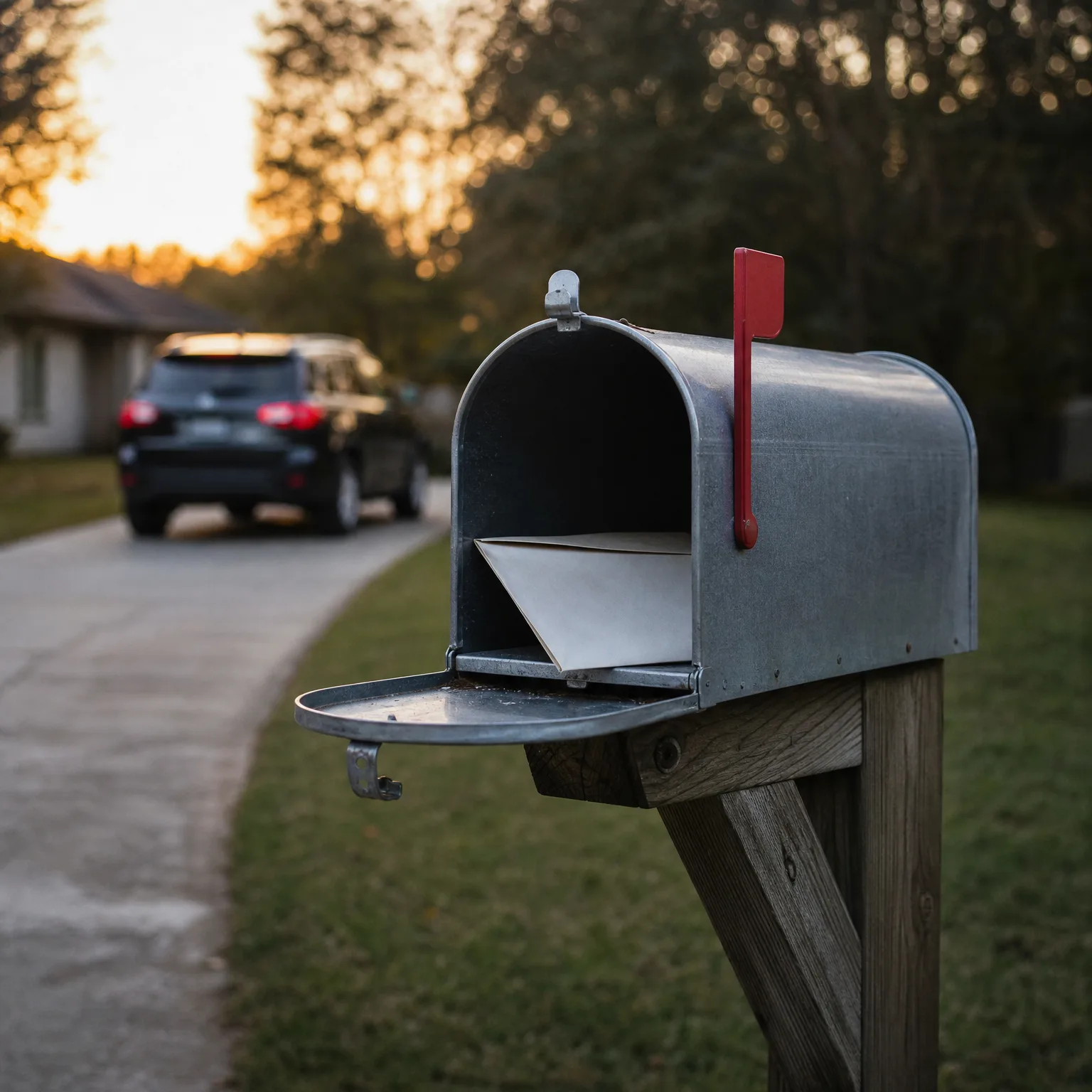
The Court Clearance Timeline Iowa DOT Doesn't Auto-Sync
Iowa courts typically process traffic citation payments within 5-7 business days. Your court record shows cleared. Your receipt confirms payment. But Iowa DOT Motor Vehicle Division operates on a separate database that does not pull court records automatically.
When you pay your court fine for driving without proper rideshare coverage, the court clerk enters the payment into the Iowa Judicial Branch case management system. Iowa DOT does not monitor this system for insurance-related convictions. The court does not send a clearance notice to Motor Vehicle Division on your behalf.
Iowa Code Chapter 321A governs financial responsibility enforcement. Under this statute, reinstatement after an insurance lapse suspension requires proof of continuous coverage filed with Iowa DOT, not just a cleared court case. The two processes run in parallel, and the court clearance does not satisfy the Motor Vehicle Division insurance verification requirement.


What Rideshare Drivers Must Submit to Iowa DOT After Court
Iowa DOT requires an SR-22 certificate from your carrier to verify you now carry coverage that meets state minimums. The SR-22 is a filing your insurance company submits electronically to Motor Vehicle Division, confirming your policy is active and meets or exceeds Iowa's liability requirements.
For rideshare drivers, you need a policy with either a rideshare endorsement or a commercial policy that covers Transportation Network Company (TNC) driving. A standard personal auto policy will not satisfy Iowa DOT's requirement if you continue driving for Uber or Lyft. Your carrier must file the SR-22 based on a policy that actually covers your rideshare activity.
After your carrier files the SR-22, you submit Iowa DOT's reinstatement application (available at iowadot.gov), pay the $20 base reinstatement fee, and in most insurance lapse suspension cases, an additional civil penalty. The reinstatement application asks for your case number, your SR-22 confirmation, and proof your court case is cleared. Iowa DOT will not process the application until all three items appear in their system—and the court clearance does not appear unless you provide documentation.
The 30-45 Day Gap Rideshare Drivers Don't Expect
Most drivers pay their court fine, get SR-22 from a new carrier, and submit the reinstatement application the same week. Then they wait. Iowa DOT's processing timeline for reinstatement applications is not published as a fixed number of days, but the actual delay comes from incomplete documentation.
Iowa DOT will hold your application if your court clearance has not been verified. You assumed paying the fine cleared your record. It did—in the court system. But Motor Vehicle Division has no automated way to confirm that without a document from you. The most common missing piece is a court disposition receipt or a certified case status printout showing the citation was resolved.
You can obtain this from the county clerk where your citation was issued. Most Iowa counties offer online case lookups, but the printout you need for Iowa DOT must show final disposition (guilty plea, fine paid, case closed). Submitting this document alongside your SR-22 and reinstatement application eliminates the verification delay. Failing to submit it adds 30-45 days while Iowa DOT requests records manually from the court.

Line Up Coverage Before Your License Comes Back
Get Back on the Road
How to Coordinate Court, Carrier, and Iowa DOT in the Right Order
Start with the court citation. Resolve it immediately—pay the fine, accept the plea, or attend the hearing. Request a case disposition receipt at the time of payment. If you pay online or by mail, follow up with the county clerk to obtain a certified disposition printout.
Once the court case is resolved, contact an insurance carrier that offers rideshare coverage or a commercial TNC policy. Explain that you need SR-22 filing to satisfy an Iowa insurance lapse suspension. The carrier will issue a policy, then file the SR-22 certificate electronically with Iowa DOT Motor Vehicle Division. This filing happens within 24-48 hours of policy issuance in most cases.
After the SR-22 is filed, submit Iowa DOT's reinstatement application. Include your court disposition receipt, your SR-22 confirmation (your carrier provides this), and payment for the reinstatement fee. Iowa DOT's online reinstatement portal at iowadot.gov allows submission for eligible suspension types, but insurance lapse suspensions often require in-person or mailed documentation review. Confirm the correct submission method by calling Iowa DOT Motor Vehicle Division at (515) 244-8725 before mailing documents.

What Happens If You File SR-22 Before Court Clearance
Iowa DOT will accept the SR-22 filing from your carrier regardless of whether your court case is resolved. The SR-22 proves you now have coverage. It does not prove you resolved the underlying citation that triggered the suspension.
If you submit your reinstatement application with SR-22 on file but no court disposition documented, Iowa DOT will deny the application or place it on hold pending court verification. You will not receive your license back until both conditions are satisfied: active SR-22 on file and court case documented as closed.
Filing SR-22 first is not wrong, but it does not advance your timeline. The reinstatement clock does not start until Iowa DOT receives proof of both court clearance and insurance compliance. Submitting both pieces of documentation together in a single reinstatement application is the fastest path.
How Long You'll Maintain SR-22 After Reinstatement
Iowa requires SR-22 filing for the duration specified in your suspension notice. For insurance lapse suspensions, this is typically the reinstatement period plus an additional monitoring period. The specific duration depends on whether this is your first lapse or a repeat offense, and whether other violations appear on your Motor Vehicle Division record.
Your SR-22 requirement does not end when your license is reinstated. It continues for the full period Iowa DOT specifies in your reinstatement letter. If you cancel your policy or allow it to lapse during the SR-22 monitoring period, your carrier is required to notify Iowa DOT electronically. Iowa DOT will suspend your license again immediately, and you will restart the reinstatement process from the beginning.
For rideshare drivers, maintaining continuous coverage means keeping either a rideshare endorsement on your personal policy or a full commercial TNC policy active for the entire SR-22 period. Switching carriers is allowed, but the new carrier must file SR-22 before the old policy cancels. Any gap—even one day—triggers a new suspension.
Frequently Asked Questions
Does paying my Iowa traffic citation for driving without insurance automatically clear my Motor Vehicle Division suspension?
No. Paying the court fine clears the citation, but Iowa DOT Motor Vehicle Division does not automatically receive court clearance records. You must submit proof of court disposition and SR-22 filing directly to Iowa DOT to process your reinstatement application.
Can I get my Iowa license back with a personal auto policy if I still drive for Uber or Lyft?
No. Iowa DOT requires SR-22 filing based on a policy that actually covers your rideshare driving activity. You need either a rideshare endorsement on your personal policy or a full commercial TNC policy for Iowa DOT to approve your reinstatement if you continue driving rideshare.
How long does Iowa DOT take to process a reinstatement application after an insurance lapse suspension?
Processing time varies, but most delays come from missing documentation. If you submit court disposition proof and SR-22 confirmation together, Iowa DOT typically processes reinstatement applications within 10-15 business days. Missing court clearance documentation adds 30-45 days while Iowa DOT requests records manually.
What happens if I cancel my SR-22 policy before Iowa's required filing period ends?
Your carrier notifies Iowa DOT electronically when your policy cancels. Iowa DOT suspends your license immediately, and you must restart the full reinstatement process—new SR-22 filing, new reinstatement application, and new fees. Any lapse during the SR-22 monitoring period triggers a new suspension.
Where do I get the court disposition receipt Iowa DOT needs for my reinstatement application?
Contact the county clerk in the county where your citation was issued. Most Iowa counties offer online case lookups, but you need a certified disposition printout showing final case status (fine paid, guilty plea entered, case closed). Request this document at the time you pay your fine or follow up by phone afterward.
Does Iowa offer a Temporary Restricted License while my insurance lapse suspension is active?
Yes. Iowa offers a Temporary Restricted License (TRL) for eligible drivers, including some insurance lapse suspension cases. TRL requires SR-22 filing, proof of employment or education need, and approval from Iowa DOT. Rideshare driving is not typically approved as an eligible purpose under TRL restrictions.
Related Articles

Iowa Unpaid Tickets: Court Clearance & DMV Timing
5/3/2026

Iowa Warrant Suspension: DMV Clearance for Rideshare
5/3/2026

Iowa Lapse Suspension: Court Clearance & DMV Timing
5/3/2026
Iowa Child Support Suspension: Court vs DMV Timeline
5/3/2026
Iowa DUI Reinstatement for Rideshare: DMV Timing Gap
5/3/2026

RI Rideshare Lapse Suspension: Court & DMV Timing
5/3/2026