
Idaho SR-22 Filing After Insurance Lapse: College Student Suspension
Free to compare
Why Idaho Suspended Your Registration for a Lapse You Already Fixed
Idaho's Insurance Verification System (IIVS) receives real-time cancellation notices from carriers the moment your policy lapses. Your carrier reported the cancellation electronically to the Idaho Transportation Department before you reinstated coverage, creating a state record of the gap. Even if you renewed the same day, ITD's system logged the interruption.
Most college students assume reinstating their policy erases the lapse. Idaho law treats any recorded gap—24 hours or 24 days—as a registration suspension trigger under Idaho Code § 49-1232. The state doesn't distinguish between intentional cancellation and missed payment deadlines.
You now need two things: proof your current policy is active, and an SR-22 filing that certifies continuous future coverage. The SR-22 filing doesn't erase the past gap. It tells Idaho your carrier will notify ITD immediately if you lapse again, which satisfies the state's monitoring requirement for drivers who previously drove uninsured.
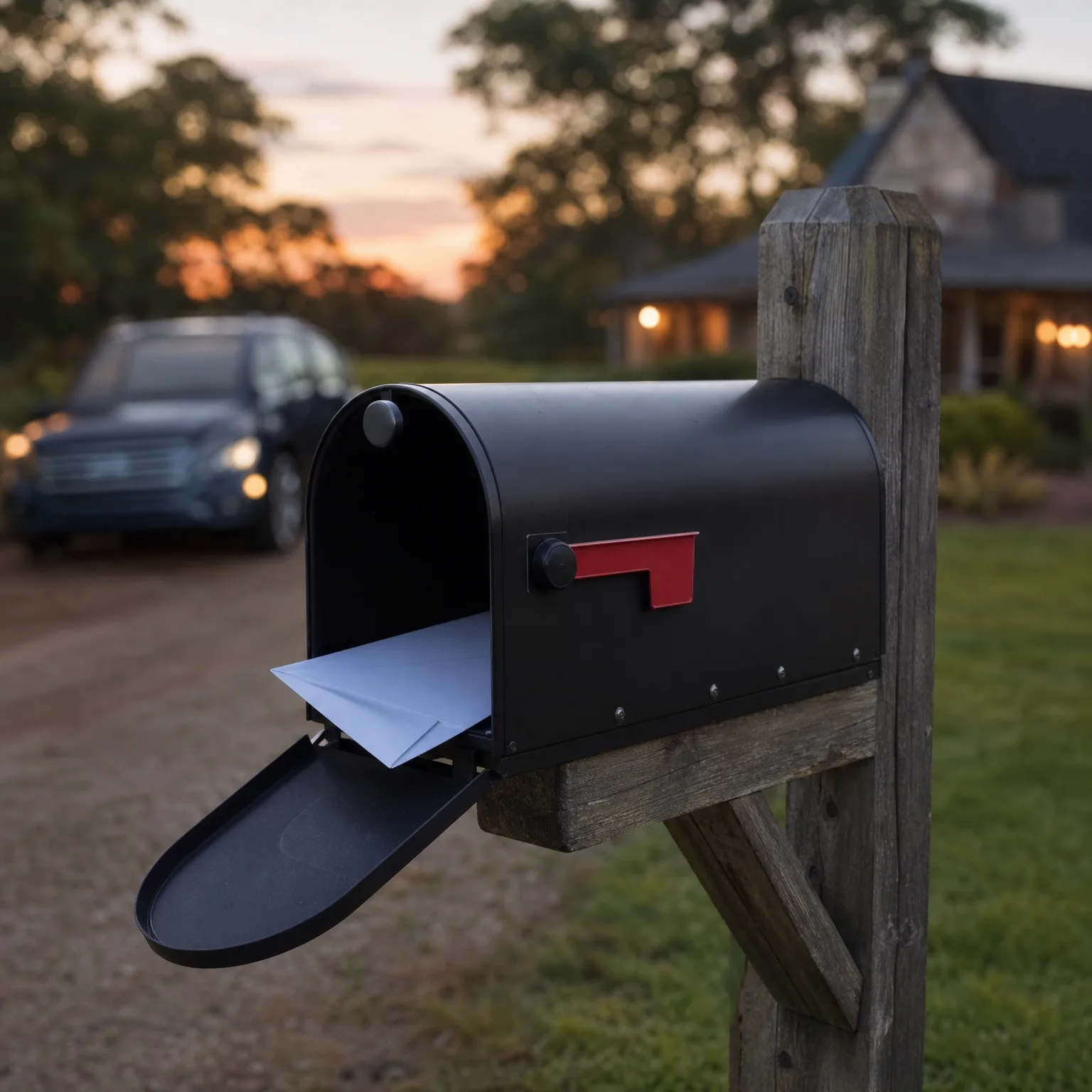
The Lapse-Gap Documentation ITD Requires Before Reinstatement
Idaho Transportation Department will not reinstate your registration until you submit documentation proving either continuous coverage (carrier letter showing no actual gap occurred, typically used when the lapse was carrier error) or an affidavit explaining the gap period. College students returning to campus mid-semester frequently miss payment due dates because billing goes to a parent's address or autopay fails during account transitions.
The affidavit must state the gap start date, gap end date, and confirmation that no driving occurred during the lapse period. If you drove uninsured during the gap—even once, even to move your car across a parking lot—state that separately because Idaho treats uninsured driving as a distinct violation beyond the lapse itself. The affidavit goes to ITD Driver Services with your reinstatement application.
If the lapse exceeded 30 days, some counties require a signed statement from your carrier confirming your current policy effective date and coverage limits. Call Idaho ITD at 208-334-8000 before submitting to confirm your county's exact documentation requirements—Boise, Pocatello, and Idaho Falls offices apply slightly different lapse-gap evidence standards.


SR-22 Filing Timing: Before or After You Reinstate Registration
You must file SR-22 before Idaho will process your reinstatement application. The SR-22 is not proof of past coverage—it's a future monitoring agreement between your carrier and the state. Your carrier files the SR-22 form electronically with ITD within 24 hours of your request, but ITD's system takes 3–5 business days to update and reflect the filing in your driver record.
Most college students lose another week because they submit their reinstatement fee and lapse affidavit before the SR-22 filing posts to ITD's system. The clerk rejects the application, you wait for the SR-22 to clear, then resubmit. File SR-22 first, wait for ITD email confirmation that the filing is recorded, then submit reinstatement paperwork and the $25 base fee.
Idaho requires SR-22 for 3 years following a lapse-triggered suspension. The filing period starts the day ITD approves your reinstatement, not the day your carrier filed the form. If you cancel your policy or switch carriers during the 3-year period without transferring SR-22 to the new carrier first, ITD re-suspends your registration immediately—no grace period, no warning letter.
What SR-22 Filing Costs in Idaho After a Lapse Suspension
SR-22 filing fees in Idaho range from $15–$50 depending on carrier, charged once at filing. Your liability premium will increase because Idaho categorizes lapse-suspension drivers as high-risk for 3 years. Typical monthly premiums for minimum liability coverage with SR-22 in Boise and surrounding Ada County run $140–$210 per month, compared to $85–$120 for drivers without a lapse record.
College students frequently ask whether maintaining their parents' policy as a listed driver avoids SR-22. It does not. The SR-22 requirement attaches to your driver record individually, not to the vehicle or the policyholder. If you're listed on a parent's policy, that policy must add SR-22 endorsement in your name, and the parent's premium increases accordingly because the carrier now monitors your compliance separately.
If you don't currently own a vehicle—common for students living on-campus in Moscow, Pocatello, or Rexburg—ask your carrier about non-owner SR-22 policies. These satisfy Idaho's filing requirement without insuring a specific vehicle. Non-owner SR-22 policies in Idaho typically cost $45–$75 per month, significantly less than standard liability with SR-22.

Line Up Coverage Before Your License Comes Back
Get Back on the Road
How to Avoid a Second Suspension During Your 3-Year SR-22 Period
Idaho's IIVS system monitors your SR-22 filing continuously. If your carrier cancels your policy for non-payment, the system notifies ITD within 24 hours and your registration suspends automatically. You receive a suspension notice by mail, but the suspension is effective immediately—the notice is informational, not a grace period.
Set up automatic payment with your carrier and confirm your billing address updates when you move between campus and home addresses. Most lapse-triggered second suspensions among college students occur during summer break when billing goes to a closed dorm mailbox or a parent's address the student didn't update with the carrier.
If you need to switch carriers during your SR-22 period, the new carrier must file SR-22 before your old policy cancels. The gap between cancellation and new SR-22 filing—even one day—triggers automatic suspension. Coordinate the transition at least 10 business days before your renewal date to ensure the new SR-22 posts to ITD before the old policy lapses.

Reinstatement Process After You Submit SR-22 and Lapse Documentation
Once your SR-22 filing appears in Idaho's system, submit your reinstatement application online through ITD's Driver Services portal or in person at any Idaho DMV office. You'll need your driver's license number, the lapse affidavit, proof of current insurance (your carrier's declarations page showing effective date and coverage limits), and payment for the $25 base reinstatement fee.
If your lapse occurred while you had an outstanding traffic citation or unpaid parking tickets in Boise, Meridian, or Nampa, the city may have flagged your driver record with a hold. ITD will not process reinstatement until you clear the hold separately with the issuing city court. Check your driver record status at itd.idaho.gov before submitting your application to identify holds.
Reinstatement processing takes 5–7 business days after ITD receives complete documentation. You'll receive email confirmation when your registration is reinstated. Print the confirmation and keep it in your vehicle—some campus parking enforcement systems in Moscow and Pocatello don't update immediately and may issue citations during the 48-hour lag between state reinstatement and local database updates.
Finding SR-22 Coverage That Works for College Budgets
Not all carriers in Idaho write SR-22 policies, and college students frequently discover their current carrier either doesn't offer SR-22 or charges rates that exceed their budget. Compare SR-22 quotes from multiple Idaho carriers before committing—premium variation for the same coverage can exceed $80 per month between carriers.
If you're living on-campus without a car, specify non-owner SR-22 when requesting quotes. Many comparison tools default to standard liability, which assumes vehicle ownership and quotes higher premiums than necessary. Non-owner policies satisfy Idaho's SR-22 requirement at roughly half the cost of vehicle-attached liability.
Once you find coverage, confirm the carrier will file SR-22 electronically with Idaho ITD within 24 hours and provide you with filing confirmation. Keep that confirmation email—if ITD disputes whether your SR-22 is on file during reinstatement, the carrier's filing receipt is your only proof the submission occurred.
Frequently Asked Questions
Do I need SR-22 if I reinstated my insurance the same day it lapsed in Idaho?
Yes. Idaho's electronic verification system records any gap between cancellation and reinstatement, regardless of duration. Even same-day reinstatement triggers the SR-22 filing requirement because the state logged the interruption before your carrier reported the new policy. The SR-22 filing period lasts 3 years from your reinstatement date.
Can I reinstate my Idaho registration before my SR-22 filing appears in the state system?
No. Idaho Transportation Department will reject your reinstatement application if the SR-22 filing hasn't posted to your driver record. Wait 3–5 business days after your carrier files SR-22, confirm the filing appears at itd.idaho.gov, then submit your reinstatement paperwork and fee to avoid application rejection and processing delays.
What happens if I move out of state during my Idaho SR-22 filing period?
You must maintain Idaho SR-22 for the full 3-year period even if you establish residency in another state, unless Idaho grants early termination based on your new state's requirements. Canceling your Idaho SR-22 before the 3-year period ends triggers automatic suspension of your Idaho driving privileges and may complicate license transfer to your new state.
Does being listed on my parent's Idaho policy avoid the SR-22 requirement?
No. The SR-22 requirement attaches to your individual driver record, not to the vehicle or policy owner. If you're listed on a parent's policy, that policy must add SR-22 endorsement in your name specifically. Your parent's premium will increase because the carrier monitors your compliance separately from other listed drivers.
How much does SR-22 filing cost in Idaho for college students?
The one-time SR-22 filing fee ranges from $15–$50 depending on carrier. Monthly liability premiums with SR-22 in Idaho typically run $140–$210 for vehicle owners, or $45–$75 for non-owner policies if you don't have a car. Premiums remain elevated for the full 3-year SR-22 filing period.
Can I get a restricted license in Idaho while my registration is suspended for lapse?
Idaho's restricted license program applies to license suspensions, not registration suspensions. A lapse-triggered action suspends your vehicle registration under Idaho Code § 49-1232, which is separate from your driver's license status. You can legally drive once you reinstate registration and file SR-22—no restricted license is necessary or applicable.
What documentation does Idaho require to prove my insurance gap for reinstatement?
Idaho Transportation Department requires either a carrier letter confirming no actual gap occurred, or a signed affidavit stating gap start date, gap end date, and confirmation you did not drive during the lapse period. If the gap exceeded 30 days, some counties also require a carrier statement confirming your current policy effective date and coverage limits.
Related Articles

Idaho Insurance Lapse Suspension Costs for Students
5/3/2026

Idaho Insurance Lapse SR-22: Single Parent Timeline
5/3/2026

Reinstate License After Insurance Lapse in Boise, ID
4/29/2026

Idaho CDL SR-22 Timing: Lapse Suspension Rules
5/3/2026

Idaho Lapse Suspension Costs: Fees & SR-22 Markup
5/3/2026

Idaho Unpaid Tickets: SR-22 Timing & Reinstatement Gap
5/3/2026