
Reinstating Your License After an Insurance Lapse in Buffalo
Free to compare
What Happens When the DMV Discovers Your Insurance Lapsed in Buffalo
New York revokes your license and registration immediately when your insurer files a lapse notice with the DMV. The minimum revocation period is 90 days, even if your lapse lasted only 24 hours. Buffalo drivers receive a suspension notice by mail with a compliance deadline, usually 15 days from the notice date, to surrender plates and provide proof of continuous coverage or face extended suspension.
The DMV calculates your suspension based on lapse duration. A lapse under 90 days triggers 90 days of suspension. Lapses beyond 90 days add one day of suspension for each day uninsured. A six-month lapse means six months suspended. Registration revocation runs concurrent with license suspension, but you cannot reinstate one without the other.
Buffalo's high insurance costs — average liability premiums run $140–$210/mo citywide — drive many drivers to cancel coverage without understanding the DMV consequences. The DMV does not distinguish between intentional cancellation and missed payments. Any coverage gap reported by your insurer starts the revocation clock.

SR-22 Filing Requirements for Buffalo License Reinstatement
New York requires Form SR-22 (called FS-20 in state documentation) for all lapse-related suspensions. This is a certificate your insurance carrier files electronically with the DMV proving you carry minimum liability coverage: $25,000 bodily injury per person, $50,000 per accident, and $10,000 property damage. The filing fee ranges from $25 to $50 depending on carrier, paid once at filing.
Your SR-22 filing period is three years starting the day your license is reinstated, not the day you file. If you're suspended for 90 days and file SR-22 on day one, you still owe three full years of continuous coverage after reinstatement. Dropping coverage or missing a payment during the SR-22 period triggers automatic re-suspension with no grace period. Your carrier reports the lapse to DMV within 24 hours.
Not all carriers write SR-22 policies in New York. Progressive, Bristol West, and Infinity typically accept Buffalo drivers post-lapse. State Farm and Allstate often decline or non-renew after a suspension. Expect your premium to increase 40–80% compared to pre-lapse rates due to the lapse mark on your record.
The Buffalo DMV Reinstatement Process Step by Step
Reinstatement requires four components completed in order. First, serve your full suspension period — you cannot reinstate early regardless of circumstances. Second, obtain SR-22 coverage from a carrier licensed in New York and confirm they've filed electronically with the DMV. Third, pay the $50 suspension termination fee plus a $25 re-application fee at any DMV office or online through the DMV website. Fourth, surrender your suspended license and receive a new license document.
Buffalo drivers can complete reinstatement at the DMV office at 5999 South Park Avenue or any Erie County DMV location. Bring your SR-22 filing confirmation (most carriers provide a copy within 24 hours), proof of identity, and payment. The DMV system updates within 24–48 hours after your carrier files, but confirm filing status by calling 518-486-9786 before visiting in person to avoid wasted trips.
If you accumulated tickets or violations during suspension, you must resolve those separately before reinstatement. Unpaid fines or unresolved violations trigger a separate suspension that blocks reinstatement even if you've completed lapse requirements. Check your driver record abstract online at the DMV website before starting the reinstatement process.
Line Up Coverage Before Your License Comes Back
Get Back on the RoadNon-Owner SR-22 Policies for Buffalo Drivers Without a Vehicle
You can satisfy New York's SR-22 requirement without owning a vehicle using a non-owner liability policy. This covers you when driving borrowed or rental vehicles and meets the state's continuous coverage mandate. Non-owner SR-22 policies in Buffalo typically cost $35–$70/mo, roughly 60% less than standard policies, because they exclude collision and comprehensive coverage.
Non-owner policies are ideal if you sold your car during suspension, rely on public transportation, or plan to use Buffalo Metro Rail and buses during your filing period. The SR-22 clock still runs for three years, and you still face re-suspension if the policy lapses. Progressive and The General write non-owner SR-22 policies statewide with next-day DMV filing.
If you purchase a vehicle during your non-owner SR-22 period, notify your carrier immediately to convert to a standard policy. Driving a vehicle you own on a non-owner policy typically voids coverage and violates your SR-22 filing requirement.
How Buffalo's Insurance Market Affects Post-Lapse Rates
Buffalo sits in a high-cost insurance zone due to winter collision rates, vehicle theft concentrations in the East Side and Lower West Side neighborhoods, and New York's no-fault system. A driver with a clean record pays $1,680–$2,520/year for minimum liability coverage. Add a lapse suspension and that increases to $2,800–$4,200/year during the SR-22 filing period.
Carriers tier Buffalo zip codes based on claim frequency. Drivers in 14201, 14204, and 14211 face the highest post-lapse premiums citywide. Moving to suburbs like Amherst or Cheektowaga can reduce rates by 15–25%, but you must maintain your SR-22 filing regardless of address changes. Notify the DMV and your carrier within 10 days of any address change to avoid administrative suspension.
Some carriers offer lapse forgiveness if you can document the coverage gap resulted from carrier error, military deployment, or hospitalization. This requires submitting proof to the DMV for review. Approval is rare but eliminates the SR-22 requirement and reduces reinstatement fees. File a petition for review within 60 days of receiving your suspension notice.
What Happens If You Drive on a Suspended License in Buffalo
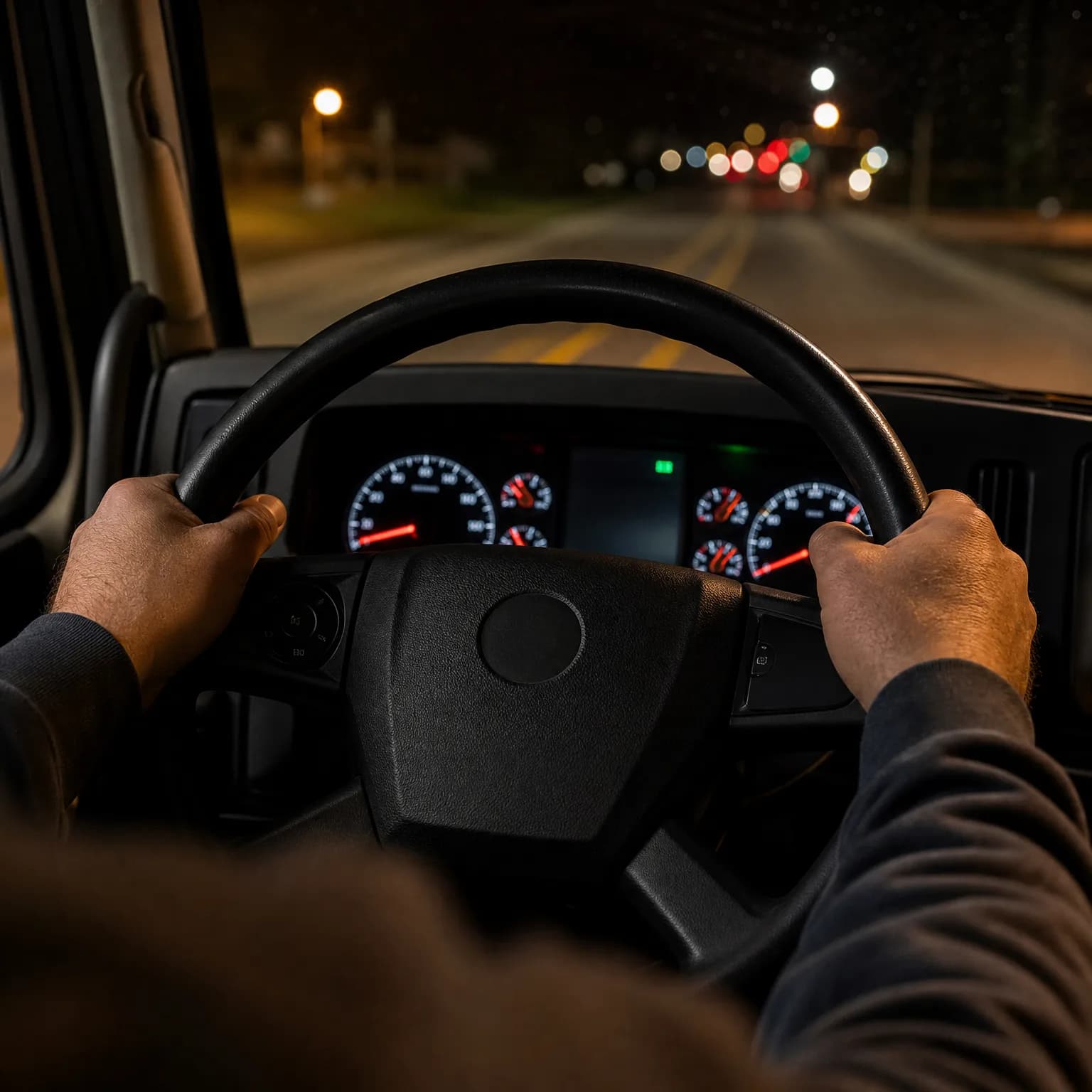
Operating a vehicle during suspension is Aggravated Unlicensed Operation (AUO) in New York, classified as a misdemeanor. First offense carries up to 30 days in jail, fines up to $500, and an additional year of suspension. Buffalo Police and Erie County Sheriff patrols run plate readers that flag suspended registrations in real time, triggering immediate stops.
If you're stopped while suspended, your vehicle is impounded on scene with a minimum $185 towing and storage fee. You'll also face a new criminal court date separate from your DMV reinstatement. A second AUO offense within 18 months escalates to a class E felony with mandatory jail time. Insurance companies can deny claims entirely if you're driving on a suspended license during an accident, leaving you personally liable for all damages.
New York does not offer restricted or hardship licenses for lapse-related suspensions. Your only legal option is to complete the full suspension period, reinstate properly, and maintain SR-22 filing for three years.
Frequently Asked Questions
How long does SR-22 filing last after a lapse suspension in Buffalo?
New York requires three years of continuous SR-22 filing starting from your reinstatement date, not your suspension date. If you're suspended for 90 days, your total SR-22 period is three years plus 90 days. Any lapse during the filing period resets the clock to zero and triggers immediate re-suspension.
Can I get my Buffalo license reinstated before the 90-day suspension ends?
No. New York does not allow early reinstatement for insurance lapse suspensions regardless of circumstances. You must serve the full suspension period before the DMV will accept your reinstatement application and SR-22 filing.
What happens to my SR-22 requirement if I move out of Buffalo during the filing period?
Your SR-22 requirement follows you within New York State. Moving to another state during your filing period requires checking that state's SR-22 rules and notifying the New York DMV of your new address within 10 days. Your three-year filing period continues regardless of where you live.
Do all insurance companies in Buffalo file SR-22 for lapse suspensions?
No. Many standard carriers including State Farm and Allstate decline to write policies for drivers with recent lapse suspensions. Progressive, Bristol West, The General, and Infinity typically accept Buffalo drivers needing SR-22 filing, though premiums run 40–80% higher than standard rates.
Can I drive in Buffalo with an out-of-state license while my New York license is suspended for a lapse?
No. New York's suspension applies to your driving privilege in the state, not just your physical license. Driving in New York on an out-of-state license while under suspension is Aggravated Unlicensed Operation, a misdemeanor carrying jail time and vehicle impoundment.
Related Articles
Reinstate NY License After Insurance Lapse: FS-1 Filing
4/29/2026
Reinstate DUI License Buffalo: SR-22 & Interlock Guide
4/29/2026
Reinstate License After Insurance Lapse in Baltimore
4/29/2026

Reinstate License After Lapse in Aurora: SR-22 & DMV
4/29/2026
NY Lapse Reinstatement Costs: FS-2 Fees Single Parents Miss
5/3/2026

Reinstate Your License After Lapse in Tulsa: SR-22 Guide
4/29/2026