Utah Failure-to-Appear Suspension: Rideshare Cost Breakdown
Free to compare
The Three-Fee Structure Utah Rideshare Drivers Actually Pay
Utah failure-to-appear suspensions require three separate payments to three separate entities, and the court warrant clearance fee does not automatically trigger DMV reinstatement. You'll pay the court's warrant clearance fee (typically $75–$150 depending on the issuing court), Utah DMV's $65 license reinstatement fee, and your insurance carrier's SR-22 filing fee if your underlying violation required SR-22 before the suspension.
The court warrant clearance is paid directly to the court that issued the failure-to-appear order. Once paid, the court issues a clearance notice, but this notice does not automatically post to DMV records. Most drivers stop here and assume their license is automatically reinstated once the warrant clears.
Utah DMV requires a separate reinstatement application and $65 fee submission even after the court clears the warrant. You must bring proof of warrant clearance, current proof of insurance, and payment to a DMV office or submit through the Utah Driver License Division's online portal. If you skip this step, your license remains suspended indefinitely regardless of court compliance.
SR-22 Filing Requirements for Failure-to-Appear Cases
Utah does not require SR-22 filing for failure-to-appear suspensions triggered solely by missed court dates with no underlying violation. If your failure-to-appear was tied to a DUI, reckless driving, or uninsured motorist violation, you'll need SR-22 for the duration specified in your original court order, typically three years from the conviction date.
Rideshare drivers operating in Salt Lake City or Provo need continuous SR-22 coverage throughout their entire filing period. A single lapse triggers immediate license re-suspension and restarts your reinstatement timeline from zero. Uber and Lyft both run quarterly DMV checks and will deactivate drivers whose SR-22 lapses, even if you're still insured.
Carriers charge $15–$35 for SR-22 filing in Utah, but the bigger cost is the high-risk premium increase. Monthly liability premiums for drivers with SR-22 requirements typically run $140–$190 in Salt Lake County compared to $85–$120 for clean-record drivers. Estimates based on available industry data; individual rates vary by driving history, vehicle, coverage selections, and location.
The DMV Clearance Submission Gap Most Drivers Miss
Utah's court system and DMV operate on separate databases with no automatic sync. When you pay your court warrant clearance fee, the court issues a compliance notice but does not transmit reinstatement approval to DMV electronically. You must physically or electronically submit proof of court clearance to DMV as a separate step.
Drivers who pay the court and wait for automatic DMV notification add 30–60 days to their reinstatement timeline. The DMV reinstatement fee of $65 is due at the time you submit your clearance documentation, not when you pay the court. If you submit court clearance proof without the $65 DMV fee, your application is rejected and you'll wait another processing cycle.
Bring three documents to your DMV appointment: the court's warrant clearance notice, current proof of insurance showing at least Utah's minimum liability limits (25/65/15), and payment for the $65 reinstatement fee. Utah DMV accepts online submissions through the Driver License Division portal, which processes faster than in-person visits during peak periods.

Line Up Coverage Before Your License Comes Back
Get Back on the RoadNon-Owner SR-22 for Rideshare Drivers Without Personal Vehicles
Rideshare drivers who use rental vehicles or only drive Uber/Lyft vehicles they don't own can satisfy Utah's proof-of-insurance requirement with a non-owner SR-22 policy. This policy provides liability coverage when you drive vehicles you don't own and meets DMV reinstatement conditions without requiring you to insure a personal vehicle.
Non-owner SR-22 policies in Utah typically cost $50–$90 monthly for drivers with failure-to-appear suspensions and no other violations. If your failure-to-appear was tied to a DUI or uninsured motorist violation, expect $110–$160 monthly. The filing fee is identical to standard SR-22: $15–$35 one-time.
Uber and Lyft's commercial rideshare policies cover you only while actively logged into the app with a passenger or en route to pickup. Your non-owner SR-22 policy covers you during personal driving and satisfies Utah DMV's continuous insurance requirement throughout your filing period. Without it, any gap between rideshare trips leaves you uninsured and vulnerable to re-suspension.
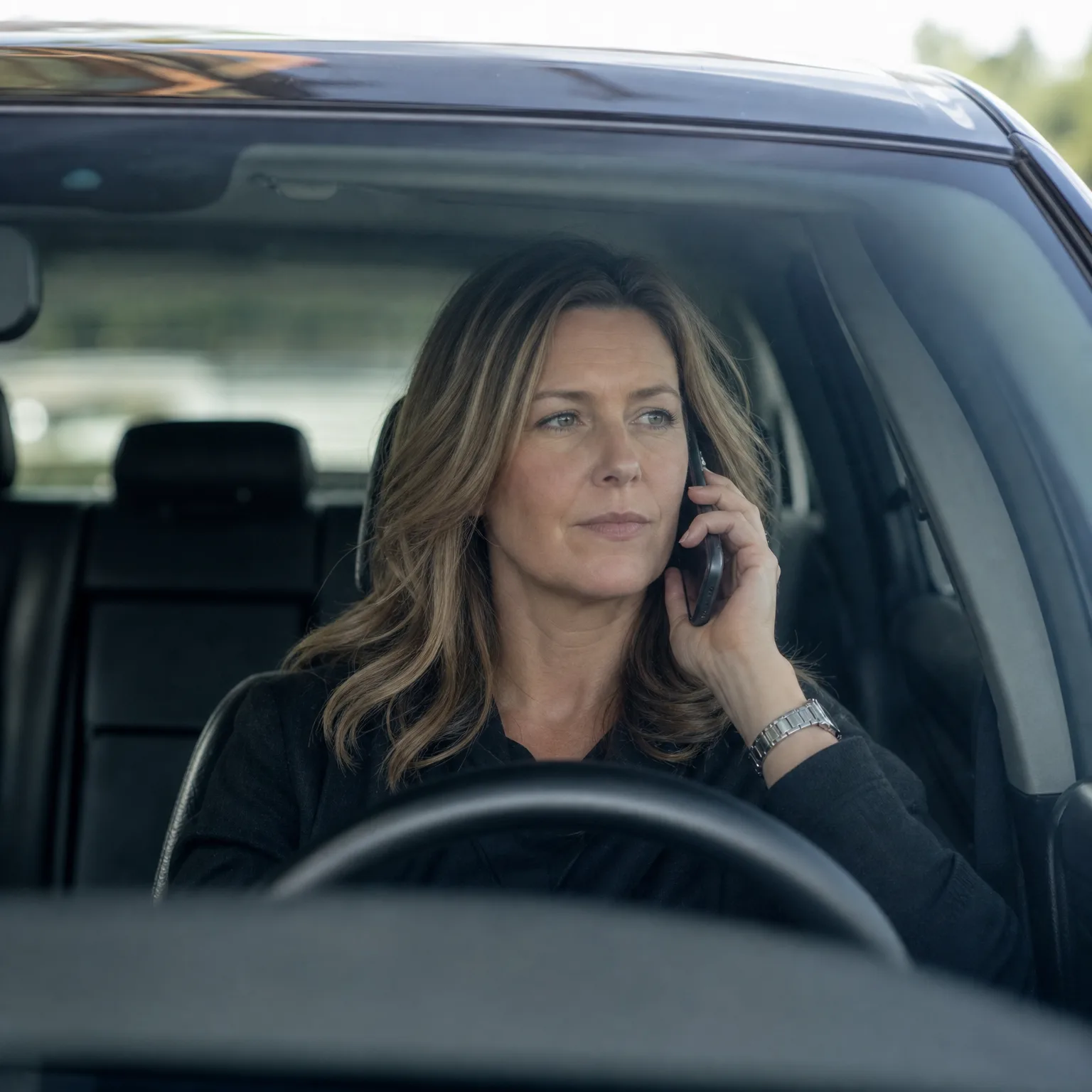
Timeline from Warrant Clearance to Active Rideshare Status
Most Salt Lake City rideshare drivers can complete full reinstatement within 7–10 business days if they coordinate court payment, DMV submission, and SR-22 filing simultaneously. The court warrant clearance processes within 1–3 business days after payment. DMV license reinstatement processes within 3–5 business days after receiving your clearance proof, insurance proof, and $65 fee.
Uber and Lyft require 48–72 hours after DMV reinstatement to update your driver status in their systems. You cannot drive until both DMV shows your license as active AND the rideshare platform updates your eligibility. Drivers who check their rideshare app status immediately after DMV reinstatement often see outdated suspension flags for 2–3 days.
The most common delay point is waiting for court clearance to post before starting the DMV reinstatement process. File your DMV reinstatement application the same day you receive court clearance notice. Waiting adds no legal benefit and extends your inactive period unnecessarily.
Where Rideshare Drivers Find Coverage That Files SR-22
Not all carriers actively write policies for drivers with failure-to-appear suspensions in Utah, and rideshare status narrows your carrier pool further. Progressive, The General, and Bristol West consistently write non-owner SR-22 policies for Utah rideshare drivers with recent suspensions. State Farm and Farmers write standard SR-22 policies but often decline non-owner applications for drivers with active rideshare platform accounts.
Compare quotes from at least three carriers before filing. Monthly premium differences of $40–$70 are common for identical coverage and SR-22 filing requirements. The cheapest carrier for clean-record drivers is rarely the cheapest for SR-22 filers.
Once you select a carrier, request immediate SR-22 filing. Most carriers can file electronically with Utah DMV within 24 hours. Do not wait until your court clearance posts to start shopping for coverage—premiums don't change based on timing, and having your SR-22 ready to file the day you clear your warrant shaves days off your reinstatement timeline.
Frequently Asked Questions
Does paying the court warrant clearance fee automatically reinstate my Utah driver's license?
No. Utah requires a separate $65 reinstatement fee paid directly to the DMV along with proof of court clearance and current insurance. The court and DMV operate on separate systems with no automatic sync, so you must submit clearance documentation to DMV as a distinct step even after paying the court.
Can I drive for Uber or Lyft in Utah with a non-owner SR-22 policy?
Yes. A non-owner SR-22 policy satisfies Utah DMV's proof-of-insurance requirement for license reinstatement and covers you during personal driving between rideshare trips. Uber and Lyft's commercial policies cover you only while logged into the app, so the non-owner policy fills the gap and prevents coverage lapses that trigger re-suspension.
How long does Utah DMV take to process reinstatement after I submit court clearance?
Utah DMV typically processes license reinstatement within 3–5 business days after receiving your court clearance proof, current insurance proof, and $65 reinstatement fee. Online submissions through the Driver License Division portal process faster than in-person visits during peak periods.
Do I need SR-22 for a Utah failure-to-appear suspension if I have no other violations?
No. Utah does not require SR-22 filing for failure-to-appear suspensions triggered solely by missed court dates. SR-22 is required only if your failure-to-appear was tied to an underlying violation like DUI, reckless driving, or uninsured motorist charges that carried their own SR-22 requirement.
What happens if my SR-22 lapses while I'm driving for Uber in Salt Lake City?
Your license is immediately re-suspended and Uber will deactivate your driver account within 48–72 hours once their quarterly DMV check detects the lapse. You'll need to refile SR-22, pay another $65 DMV reinstatement fee, and restart your entire filing period from zero, even if you're still insured under a non-SR-22 policy.
Can I submit my Utah DMV reinstatement application online or do I need to visit an office?
You can submit online through the Utah Driver License Division portal. Bring digital copies of your court warrant clearance notice, current proof of insurance, and payment for the $65 fee. Online submissions process within 3–5 business days and avoid in-person wait times at DMV offices.
Related Articles
Utah Child Support Suspension Reinstatement Costs
5/3/2026
Utah Failure-to-Appear Reinstatement: True Cost Stack
5/3/2026
Utah Rideshare SR-22 Costs: Fees Beyond Reinstatement
5/3/2026
Utah Warrant Suspension: SR-22 Timing for Rideshare Drivers
5/3/2026
Utah Unpaid Tickets Suspension: Real Reinstatement Costs
5/3/2026
Utah Rideshare SR-22 After Unpaid Ticket Suspension
5/3/2026