
Failure-to-Appear SR-22 Filing for Rideshare Drivers — North Dakota
Free to compare
The Warrant Cleared but DMV Still Blocks Reinstatement
You missed a court date for a traffic citation in North Dakota. The warrant issued. You eventually cleared it—paid the court, satisfied the judge, got the dismissal paperwork. But when you went to the NDDOT Driver License Division to reinstate, they told you that you need SR-22 filing before they'll restore your license. You drive for Uber or Lyft. Your platform coverage is active. The DMV doesn't care—rideshare commercial coverage does not satisfy North Dakota's proof-of-financial-responsibility requirement for reinstatement after a failure-to-appear suspension.
This is the structural trap most rideshare drivers hit after clearing an FTA warrant. The court system and the DMV operate on separate tracks. The court releases the hold when you satisfy the warrant. The DMV requires continuous proof of insurance during the suspension period and an SR-22 filing before reinstatement—regardless of what coverage you carried while driving commercially. If you let your personal-auto policy lapse during suspension because you thought platform coverage was enough, you now face a lapse-gap documentation problem that delays reinstatement even after you buy new coverage and file SR-22.
“Platform TNC coverage satisfies commercial requirements but not DMV SR-22 filing—rideshare drivers need separate personal-auto proof most don't realize exists.”

Line Up Coverage Before Your License Comes Back
Get Back on the Road$50
North Dakota Reinstatement Fee
The base reinstatement fee after an FTA suspension is $50, paid to NDDOT Driver License Division. This fee applies after you clear the court hold and file SR-22. If you had a coverage lapse during suspension, expect additional processing delays while the DMV verifies your new SR-22 filing and confirms no other violations occurred during the lapse window.
NDDOT Driver License Division fee schedule
Why Platform Coverage Doesn't Satisfy SR-22 Requirements
Rideshare platform coverage—Uber's commercial liability policy, Lyft's TNC insurance—covers you while you're logged into the app and available for rides. It satisfies the platform's commercial insurance requirements and North Dakota's Transportation Network Company regulations. It does not satisfy the DMV's proof-of-financial-responsibility requirement for personal-vehicle registration or license reinstatement after suspension.
North Dakota Revised Code 39-16.1-09 requires drivers reinstating after certain violations to file proof of financial responsibility with the NDDOT. For failure-to-appear suspensions that originated from moving violations or uninsured-driving citations, the DMV typically requires SR-22 filing for one year post-reinstatement. The SR-22 must be filed on a personal-auto policy—either an owner policy if you own a vehicle, or a non-owner policy if you don't. Platform coverage is not personal-auto coverage. It doesn't attach to your license; it attaches to the platform's fleet. The DMV cannot verify continuous personal coverage from a TNC policy, so it won't accept it for reinstatement.
If you owned a personal vehicle before suspension and let that policy lapse because you switched to full-time rideshare, you created a coverage gap. The DMV sees the lapse. Even after you buy a new policy and file SR-22, the lapse period remains on your record and can trigger additional scrutiny or extended filing requirements depending on how long the gap lasted and whether other violations occurred during that window.
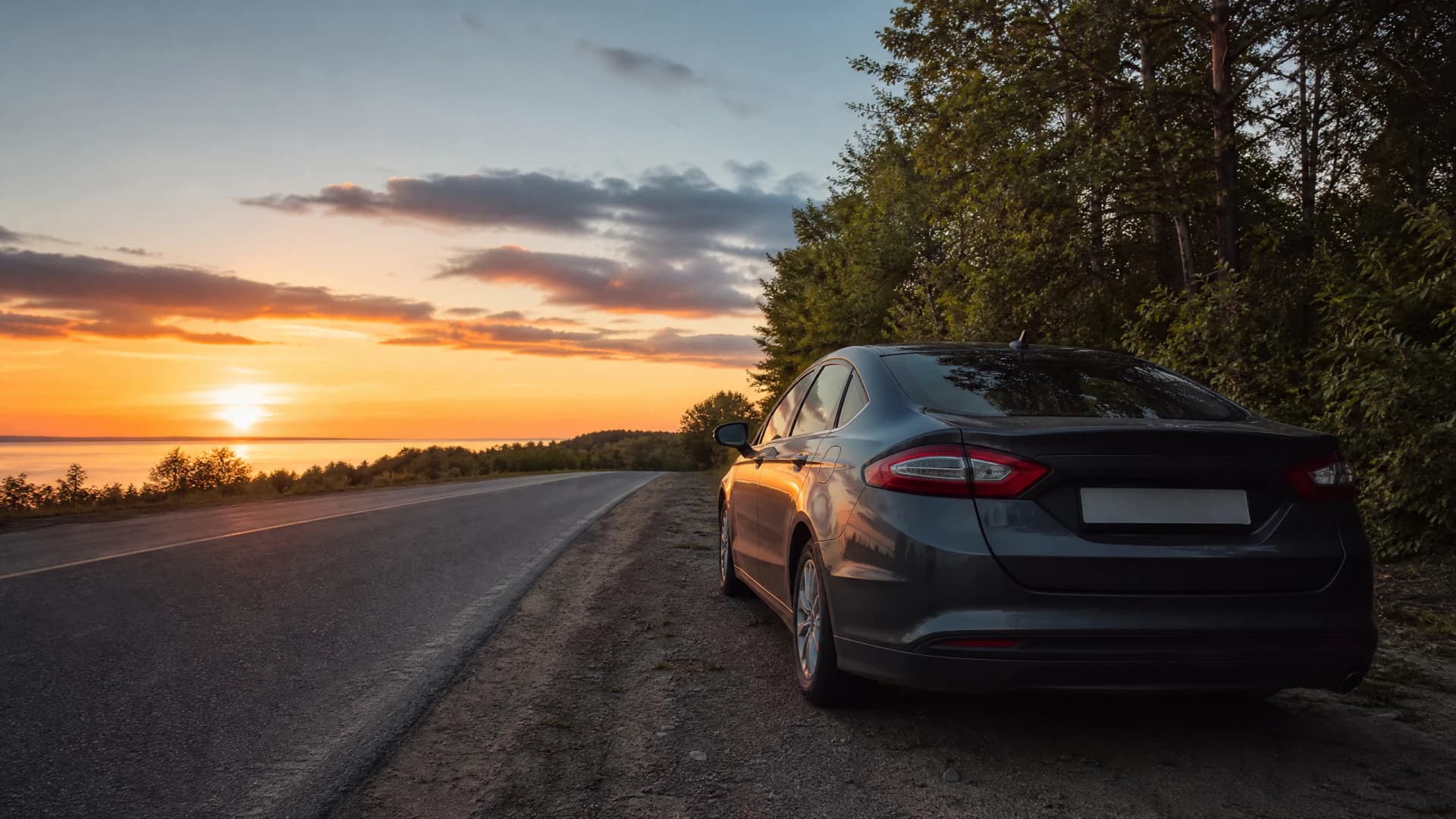
The DMV requires continuous personal-auto coverage during suspension—platform TNC coverage does not count, and letting your personal policy lapse creates a gap that delays reinstatement even after SR-22 filing.
Related Articles
ND Rideshare FTA Warrant Reinstatement
7/13/2026
ND Rideshare DUI Reinstatement: SR-22 Timing & Lapses
5/3/2026
ND Rideshare SR-22 After Insurance Lapse Suspension
5/3/2026
SD Rideshare SR-22 After Lapse: Filing & Gap Proof
5/3/2026
SD Rideshare FTA Warrant Suspension: Court & DMV Steps
5/3/2026

SD FTA Warrant Reinstatement for Rideshare
7/13/2026

Lapse-Gap Documentation and Reinstatement Delays
If you had a personal-auto policy lapse during the suspension period, the DMV flags the gap when you apply for reinstatement. North Dakota does not require maintaining insurance while your license is suspended unless the suspension itself was for uninsured driving or a related violation. But if you had continuous coverage before suspension and then let it lapse, the DMV interprets that as a separate compliance failure. The lapse doesn't create a new suspension, but it does complicate reinstatement.
When you file SR-22 after a lapse, the DMV verifies the new filing and checks whether any violations occurred during the lapse window. If you were cited for driving while suspended during the lapse period, or if the lapse itself triggered a separate administrative action, reinstatement is delayed until you resolve those issues. If the lapse was clean—no additional violations, no driving—the SR-22 filing and $50 fee clear the path to reinstatement, but expect processing delays of 5–10 business days while the DMV manually reviews your record.
Some carriers refuse to write SR-22 for drivers with recent lapses longer than 30 days. If you had a 60-day or 90-day lapse, you may need to shop non-standard carriers like Bristol West, The General, or National General, all of which write high-risk and non-owner SR-22 in North Dakota. Expect higher premiums—$100–$150/month for non-owner SR-22 after a lapse is common.
1 year
North Dakota SR-22 Filing Period
North Dakota requires SR-22 filing for one year after reinstatement for most FTA-related suspensions. The one-year period begins on the date your license is reinstated, not the date you file SR-22. If you cancel or let the policy lapse before the year ends, NDDOT re-suspends your license immediately and you start the reinstatement process over.
NDCC 39-16.1-09

Temporary Restricted License Eligibility for Rideshare Work
North Dakota offers a Temporary Restricted License (TRL, form SFN 2254) that allows limited driving during suspension for employment, addiction treatment, school, or life-maintenance purposes. Rideshare driving qualifies as employment. If you need to continue driving for Uber or Lyft while your FTA suspension is still active—before you complete reinstatement—you can apply for a TRL through the NDDOT Driver License Division.
The TRL application requires proof of financial responsibility, which means you must already have SR-22 filed before the director will approve the TRL. You also need employer verification from the rideshare platform—a letter or email from Uber or Lyft confirming your active driver status and typical working hours. The director has discretion to approve or deny TRL applications. FTA suspensions are generally TRL-eligible, but if your underlying citation was for DUI, reckless driving, or another serious violation, approval is less certain. The TRL restricts your driving to the purposes listed in your application—work hours only, no personal errands outside those hours. Violating the restriction terms results in immediate TRL revocation and extends your suspension period.
Next Step: File SR-22 and Clear the Reinstatement Path
You've cleared the warrant. The court hold is released. The only thing standing between you and reinstatement is SR-22 filing and the $50 fee. If you don't own a vehicle, request non-owner SR-22 from a carrier writing high-risk auto in North Dakota. If you do own a vehicle, file owner SR-22 on that vehicle's policy. Once the carrier files electronically with NDDOT, wait 24–48 hours for the filing to process, then contact the Driver License Division to confirm receipt and pay the reinstatement fee. If you had a lapse during suspension, expect manual review and a 5–10 business day processing window. Maintain the SR-22 policy for the full one-year filing period to avoid re-suspension.
SR-22 Filing Path for Rideshare Drivers After FTA Clearance
First, determine whether you need owner or non-owner SR-22. If you own a vehicle registered in your name—even if you only use it occasionally and drive rideshare in a different car—you must file owner SR-22. If you do not own a vehicle and drive exclusively using platform-provided or rented vehicles, you file non-owner SR-22. The non-owner policy provides state-minimum liability coverage for any vehicle you drive that you don't own. It satisfies the SR-22 filing requirement without requiring you to insure a specific vehicle. Most carriers writing non-standard auto in North Dakota offer non-owner policies; monthly premiums typically range $40–$80 depending on your violation history.
Second, contact a carrier that writes SR-22 in North Dakota and request the policy type you need. The carrier files SR-22 electronically with NDDOT on your behalf—usually within 24 hours of policy purchase. You pay a one-time filing fee set by the carrier, typically $15–$35. The SR-22 filing period in North Dakota is one year from reinstatement for most FTA-related suspensions. If you let the policy lapse or cancel before the one-year period ends, the carrier notifies NDDOT and your license is re-suspended immediately. Maintain continuous coverage for the full filing period.
Get Your Free Quote
Get Back on the RoadFrequently Asked Questions
Does Uber or Lyft insurance count as SR-22 proof in North Dakota?
No. Rideshare platform coverage satisfies commercial TNC insurance requirements but does not satisfy North Dakota's SR-22 proof-of-financial-responsibility requirement for license reinstatement. You must file SR-22 on a personal-auto policy—either owner or non-owner—separate from your platform coverage.
Can I get a restricted license in North Dakota to keep driving rideshare during FTA suspension?
Yes. North Dakota offers a Temporary Restricted License (TRL) for employment purposes, including rideshare driving. You must file SR-22 before applying, submit employer verification from Uber or Lyft, and demonstrate good cause. The TRL restricts driving to work hours only; violating those terms revokes the TRL and extends suspension.
What happens if I let my personal-auto policy lapse while driving rideshare during suspension?
The DMV flags the lapse when you apply for reinstatement. If no additional violations occurred during the lapse, you can still reinstate by filing SR-22 and paying the $50 fee, but expect 5–10 business days of manual review. If you were cited for driving while suspended during the lapse, reinstatement is delayed until you resolve those violations.
How long does SR-22 filing last after FTA suspension in North Dakota?
North Dakota requires SR-22 filing for one year after reinstatement for most FTA-related suspensions. The one-year period begins on your reinstatement date, not your filing date. If you cancel or let the policy lapse before the year ends, NDDOT re-suspends your license immediately.
Do I need owner or non-owner SR-22 if I drive rideshare but don't own the car?
If you do not own a vehicle registered in your name, file non-owner SR-22. If you own any vehicle—even if you don't use it for rideshare—you must file owner SR-22 on that vehicle's policy. Non-owner policies provide state-minimum liability for any vehicle you drive that you don't own.
What is the reinstatement fee after clearing an FTA warrant in North Dakota?
The base reinstatement fee is $50, paid to the NDDOT Driver License Division. This fee applies after you clear the court hold and file SR-22. If you had a coverage lapse or other violations during suspension, expect additional processing delays but no additional base fee.