
NJ Failure-to-Appear Warrant Suspension: SR-22 Timing for Rideshare Drivers
Free to compare
Why Court Payment Alone Doesn't Clear Your NJ Rideshare Driver License
New Jersey separates judicial compliance from administrative licensing authority. You pay the municipal court fine, the judge marks your case satisfied, and you assume your license is restored. It is not.
The New Jersey Motor Vehicle Commission operates its own suspension for failure-to-appear warrants under N.J.S.A. 39:5-31. The court does not automatically notify MVC when you satisfy the warrant. You must submit proof of warrant dismissal to MVC separately, and MVC must process that submission before your driving privilege is restored. This administrative step creates a 30-45 day gap most drivers never see coming.
Rideshare platforms run automated background and license checks. Uber and Lyft verify your license status against MVC's database, not the court's case management system. If MVC's record still shows suspended, you are deactivated—even when your court file shows closed and paid.
When SR-22 Filing Is Required for Failure-to-Appear Suspensions in New Jersey
Failure-to-appear warrant suspensions in New Jersey typically do not require SR-22 filing for reinstatement. SR-22 is triggered by specific violations: DUI/DWI convictions, uninsured driving convictions under N.J.S.A. 39:6B-2, reckless driving, and certain point-accumulation suspensions.
A failure-to-appear suspension is administrative. You missed a court date. The court issued a warrant. MVC suspended your license as a compliance enforcement mechanism. Clearing the warrant and paying the underlying fine resolves the legal issue. MVC reinstatement requires proof of warrant dismissal, payment of the $100 restoration fee, and in some cases payment of outstanding surcharges—but not SR-22.
The exception: if the underlying violation that triggered the court appearance was itself an SR-22-qualifying event—such as driving uninsured or a DWI charge—you will need SR-22 filing to satisfy that conviction's reinstatement requirements, separate from the failure-to-appear suspension. Most rideshare drivers suspended for failure-to-appear warrants stemming from speeding tickets, red light violations, or inspection failures do not need SR-22.
The Two-Document Submission Process MVC Requires After Warrant Dismissal
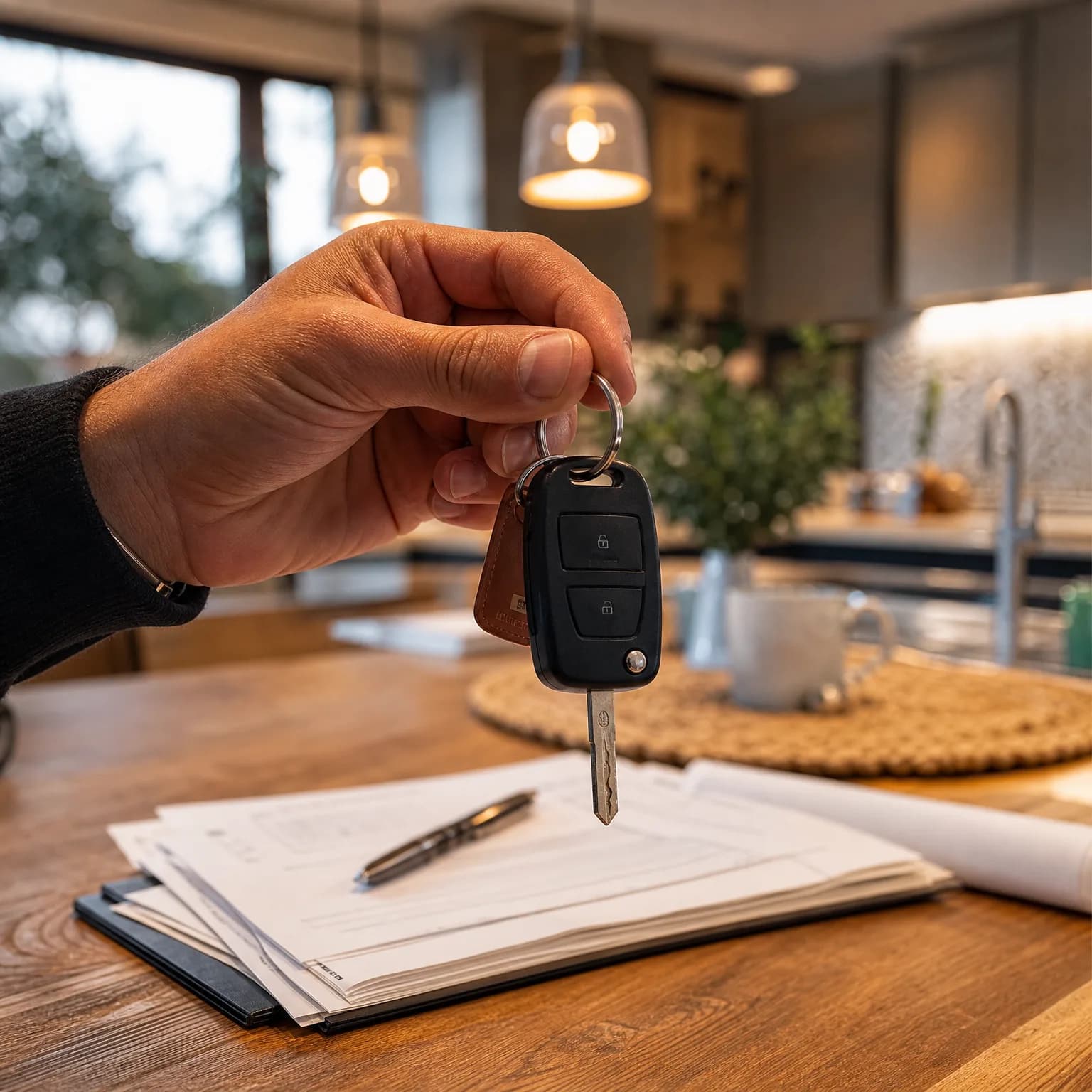
Once the municipal court dismisses your warrant and marks your case satisfied, obtain a certified warrant dismissal letter from the court clerk. This document must be on court letterhead, include your case number, and explicitly state that the warrant has been lifted and the case resolved.
Submit the certified dismissal letter to the New Jersey Motor Vehicle Commission along with proof of payment for all outstanding court fines and fees. MVC accepts submissions by mail to the Trenton central office or in person at any MVC agency location. In-person submission does not accelerate processing—the administrative review still takes 30-45 days.
Do not file SR-22 until MVC confirms your suspension has been lifted. If you file SR-22 while your administrative suspension is still active, MVC will reject the filing or hold it in pending status. Carriers charge filing fees upfront. Filing before clearance wastes money and creates documentation confusion when you refile correctly later.
How New Jersey's Surcharge Violation System Extends Reinstatement Timelines
New Jersey operates a Surcharge Violation System separate from court fines and MVC restoration fees. Certain violations—including accumulating 6 or more points within 3 years, driving uninsured, or DUI/DWI convictions—trigger annual surcharges ranging from $150 to $1,000 per year for up to three years.
Surcharges are billed separately by MVC and must be paid or enrolled in a payment plan before MVC will process reinstatement. If you clear your warrant, submit your dismissal documentation, and pay the $100 restoration fee but have unpaid surcharges, your license remains suspended. MVC will not notify you proactively—the onus is on you to check your surcharge balance before submitting reinstatement paperwork.
Rideshare drivers with multiple violations stack surcharges quickly. A speeding ticket that added 4 points, a later failure-to-appear warrant, and a separate insurance lapse can each trigger independent surcharge obligations. Check your surcharge status at MVC's online portal before assuming your reinstatement fee is the only outstanding balance.

Line Up Coverage Before Your License Comes Back
Get Back on the Road
Why Rideshare Platforms Deactivate Before MVC Updates Your Record
Uber and Lyft conduct continuous license monitoring through third-party vendors. These vendors query MVC's database on a rolling basis—daily or weekly depending on the platform's contract. When MVC's system shows your license as suspended, the vendor flags your account and the platform deactivates your driving access within 24-72 hours.
You cannot bypass this by uploading court dismissal paperwork to the rideshare platform. The platform does not review individual documents. Their compliance system pulls data directly from MVC's database. Until MVC's record reflects active and valid licensure, you remain deactivated.
This creates a gap problem: you clear the warrant today, MVC takes 30-45 days to process the clearance, and you lose a month of rideshare income waiting for MVC's administrative update. Most rideshare drivers do not budget for this gap because they assume court payment equals immediate reinstatement.

What Non-Owner SR-22 Covers If You Drive a Rented or Borrowed Vehicle
If your underlying violation does require SR-22 filing—because you were convicted of driving uninsured or a related offense—and you do not own the vehicle you drive for rideshare work, a non-owner SR-22 policy provides the liability coverage and state filing MVC requires.
Non-owner SR-22 policies in New Jersey typically cost $40-$80 per month for liability-only coverage meeting the state's minimum requirements: $15,000 bodily injury per person, $30,000 bodily injury per accident, and $5,000 property damage. This is secondary coverage. The vehicle owner's policy is primary. Your non-owner policy fills gaps when you drive vehicles not listed on your own policy.
Rideshare drivers who rent vehicles through Uber's vehicle partner programs or drive cars owned by family members benefit from non-owner SR-22 because it provides continuous proof of financial responsibility without requiring vehicle ownership. File non-owner SR-22 only after MVC confirms your failure-to-appear suspension has been administratively lifted—otherwise the filing sits in pending status and you pay premiums without active reinstatement credit.
How to Verify MVC Processed Your Warrant Dismissal Before Filing SR-22
After submitting your certified warrant dismissal and restoration fee to MVC, wait 10-14 business days, then check your license status using MVC's online license verification tool. Enter your driver's license number and last four digits of your Social Security number. The system displays your current suspension status and any active holds.
If the system still shows suspended after 30 days, call MVC's Restoration Unit at 609-292-6500 and reference your submission date and case number. MVC does not provide tracking numbers for paper submissions. You will need to provide the court case number, the date you submitted dismissal documentation, and the method of submission (mail or in-person).
Do not assume silence means approval. MVC does not send confirmation notices when a suspension is lifted. The online verification tool is the only proactive method to confirm clearance. Once the tool shows your license as valid and active, you can proceed with SR-22 filing if your underlying violation requires it—otherwise you are clear to resume rideshare driving as soon as the platform's next background check cycle pulls the updated MVC record.
Frequently Asked Questions
Do I need SR-22 to reinstate my license after a failure-to-appear warrant in New Jersey?
Most failure-to-appear warrant suspensions in New Jersey do not require SR-22 filing. SR-22 is triggered by specific violations like DUI, uninsured driving, or reckless driving—not by missing a court date. If the underlying violation that led to the court appearance was itself an SR-22-qualifying offense, you will need SR-22 to satisfy that conviction's reinstatement requirements separately from clearing the warrant.
How long does it take for MVC to lift my suspension after I clear a failure-to-appear warrant?
MVC typically takes 30-45 days to process warrant dismissal documentation and update your license record. Submitting paperwork in person at an MVC agency does not accelerate this timeline. You can check your license status using MVC's online verification tool 10-14 business days after submission.
Can I drive for Uber or Lyft while waiting for MVC to process my warrant dismissal?
No. Rideshare platforms pull license status directly from MVC's database. Even if you have proof the court dismissed your warrant, the platform will deactivate your account until MVC's record shows your license as valid and active. You cannot bypass this by uploading court documents to the platform.
What is New Jersey's Surcharge Violation System and how does it affect reinstatement?
New Jersey assesses annual surcharges for certain violations—$150-$1,000 per year for up to three years—separate from court fines and MVC restoration fees. Unpaid surcharges block reinstatement even after you clear the warrant and pay the $100 restoration fee. Check your surcharge balance at MVC's online portal before submitting reinstatement paperwork.
If I need SR-22 for an uninsured driving conviction, when should I file it?
File SR-22 only after MVC confirms your failure-to-appear suspension has been lifted. Filing SR-22 while your administrative suspension is still active causes MVC to reject or hold the filing in pending status. Use MVC's online verification tool to confirm your license shows valid before instructing your carrier to file.
What documents does MVC require to clear a failure-to-appear warrant suspension?
You must submit a certified warrant dismissal letter from the municipal court clerk on court letterhead, proof of payment for all court fines and fees, and the $100 MVC restoration fee. If you have outstanding surcharges, those must be paid or enrolled in a payment plan before MVC will process reinstatement.
Does a non-owner SR-22 policy cover me when I drive a rental car for rideshare work?
Yes. Non-owner SR-22 policies provide secondary liability coverage when you drive vehicles you do not own. The rental company's insurance is primary. Your non-owner policy fills gaps and provides the SR-22 filing MVC requires if your underlying violation mandates it. In New Jersey, non-owner SR-22 typically costs $40-$80 per month for minimum liability limits.
Related Articles

NJ Failure-to-Appear Suspension: Rideshare Clearance
5/3/2026

NJ Rideshare SR-22 for Unpaid Ticket Suspensions
5/3/2026
NJ Insurance Lapse Suspension: Rideshare Timing Guide
5/3/2026

NJ Warrant Suspension: Court to MVC Reinstatement
5/3/2026
NJ Failure-to-Appear Warrant: SR-22 Timing & Lapse Gaps
5/3/2026

NJ Failure-to-Appear Reinstatement: SR-22 & Timing
5/3/2026