
NH Failure-to-Appear Warrant Suspension: SR-22 Timing & Lapse Gaps
Free to compare
Why Your Court Clearance Doesn't Automatically Lift Your NH License Suspension
New Hampshire courts and the Division of Motor Vehicles operate separate record systems with no automatic synchronization. When you resolve a failure-to-appear warrant, the court records your compliance internally but does not push that clearance to DMV in real time. You must request a court compliance certificate and submit it to DMV separately.
Most single parents assume paying the court fee or appearing before the judge completes the process. It does not. DMV will not process your reinstatement application until their system shows the court clearance on file. That gap—between court resolution and DMV receipt—runs 15 to 30 business days even when you submit documentation promptly.
If you apply for reinstatement or file SR-22 before DMV receives the court clearance, your application is rejected. DMV does not hold incomplete applications. You start over from the submission date of the corrected application, which adds another 30-45 days to your timeline.
When Failure-to-Appear Suspensions Require SR-22 in New Hampshire
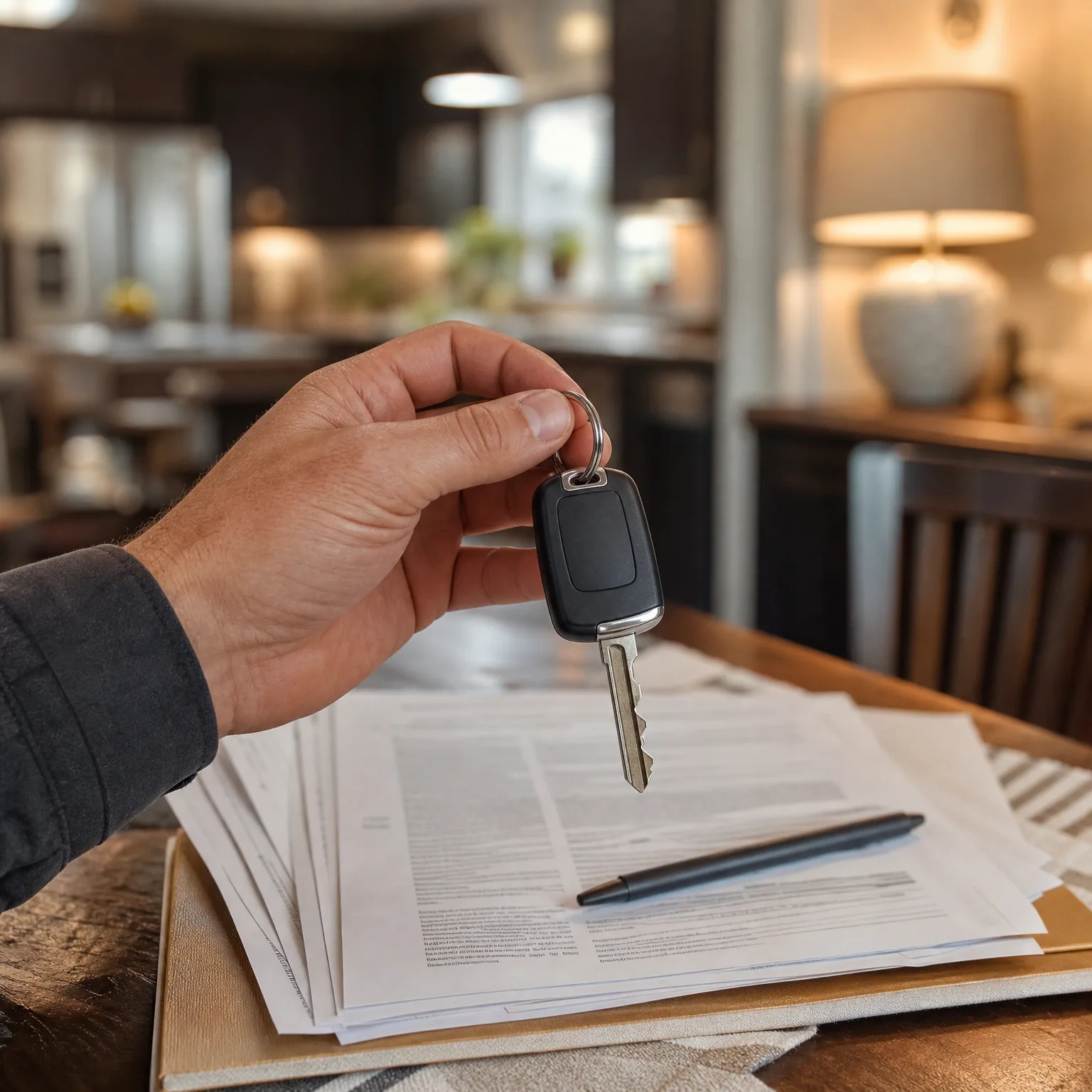
A standalone failure-to-appear suspension in New Hampshire does not require SR-22 filing. These suspensions are administrative penalties for missing a court date, not violations triggering financial responsibility requirements. You resolve the warrant, pay the reinstatement fee, and submit proof of court compliance to DMV.
SR-22 becomes required only if the underlying charge that triggered the failure-to-appear was itself an SR-22-eligible offense. DUI/DWI, reckless driving, operating without insurance, or habitual traffic offenses all require SR-22 filing upon reinstatement under RSA 264. If your failure-to-appear relates to one of those charges, you need SR-22 for the underlying violation, not the warrant suspension.
DMV processes these as separate reinstatement conditions. The court clearance resolves the failure-to-appear suspension. The SR-22 filing satisfies the underlying violation requirement. Both must appear in DMV records before reinstatement approval. Filing SR-22 early does not substitute for court clearance documentation.


The Three-Entity Coordination Problem for Single Parents
Single parents navigating New Hampshire reinstatement coordinate three entities: the court that issued the warrant, the DMV that suspended the license, and the insurance carrier filing SR-22 if required. None of these entities share records automatically. Each operates on different timelines and expects you to manage the handoffs.
The court issues a compliance certificate when you resolve the warrant. You submit that certificate to DMV by mail, in person, or through the court (some courts will forward it, most do not). DMV enters the clearance into their system manually, which takes 10-20 business days after receipt. Only after that clearance posts can DMV accept your reinstatement application.
If SR-22 is required for the underlying charge, your carrier files electronically with DMV. That filing processes within 24-48 hours. But DMV will not approve reinstatement until both the SR-22 filing and the court clearance appear in their system. Most single parents file SR-22 immediately after resolving the warrant, then wait weeks for DMV to confirm eligibility because the court clearance has not posted yet.

Line Up Coverage Before Your License Comes Back
Get Back on the RoadHow Lapse-Gap Documentation Affects Your SR-22 Timeline
New Hampshire does not mandate auto insurance for all drivers, but once you are required to file SR-22 for a DUI or other qualifying offense, you must maintain continuous coverage for the full filing period. Any lapse triggers automatic suspension under RSA 264:2-b.
A lapse occurs when your carrier cancels your policy and notifies DMV electronically. New Hampshire does not publish a statutory grace period for lapse notification. Most carriers report cancellations within 10 days. DMV suspends your license upon receiving the lapse notice, even if you had valid coverage the day before.
If you already resolved a failure-to-appear suspension and filed SR-22, a subsequent lapse while waiting for full reinstatement creates a second suspension. You must obtain new coverage, file a new SR-22, pay a second reinstatement fee, and restart the timeline. Carriers will ask for documentation of any coverage gap during the SR-22 period. Gaps longer than 30 days trigger higher premiums or outright declination from standard carriers.

Restricted Driving Privilege Options During Suspension
New Hampshire offers a Restricted Driving Privilege for drivers whose license is suspended due to DUI, excessive points, or certain court-ordered suspensions. Failure-to-appear suspensions are administrative, not court-ordered, so restricted privilege eligibility depends on the underlying charge.
If your failure-to-appear relates to a DUI charge and you have not yet been convicted, you may petition the court for restricted driving privilege once you have served the mandatory hard suspension period. For first DUI offense, that period is typically 9 months under RSA 265-A:30. Restricted privilege requires ignition interlock device installation, proof of enrollment in the Impaired Driver Care Management Program, and SR-22 filing.
If your suspension is purely administrative—failure to appear on a non-DUI charge—restricted privilege is not available through the court. You must resolve the warrant and complete full reinstatement. DMV does not issue hardship licenses for failure-to-appear penalties. The only path forward is court clearance, reinstatement fee payment, and SR-22 filing if the underlying charge requires it.

What To Do Right Now If You Cleared Your Warrant But DMV Still Shows Suspended
Contact the court clerk where you resolved the warrant and request a compliance certificate or clearance letter. Ask whether the court forwards this document to DMV automatically or whether you must submit it yourself. Most New Hampshire courts do not forward automatically.
Submit the compliance certificate to NH DMV by mail or in person at 23 Hazen Drive, Concord, NH 03305. Include your full name, date of birth, driver's license number, and a brief cover letter stating you resolved the failure-to-appear warrant and are requesting reinstatement eligibility review. Keep a copy of everything you submit.
Call DMV at 603-227-4000 ten business days after submission to confirm receipt and ask when the court clearance will post to your driving record. Do not file SR-22 or pay the reinstatement fee until DMV confirms the court clearance is on file. Filing early triggers rejection and restarts your timeline. Once DMV confirms clearance, you can file SR-22 if required, pay the $100 reinstatement fee, and complete the process without additional delays.
Frequently Asked Questions
Do I need SR-22 insurance if my New Hampshire license was suspended for failure to appear in court?
No, a standalone failure-to-appear suspension does not require SR-22 in New Hampshire. SR-22 is required only if the underlying charge that triggered your court date was a DUI, reckless driving, uninsured driving, or habitual offender violation. You resolve the failure-to-appear by clearing the warrant and paying the reinstatement fee, but SR-22 is required separately for the underlying offense if applicable.
How long does it take for New Hampshire DMV to process a court clearance after I resolve a failure-to-appear warrant?
New Hampshire DMV typically processes court clearance documentation within 10 to 20 business days after receipt. The court does not automatically send clearances to DMV in most cases, so you must request a compliance certificate from the court clerk and submit it to DMV yourself. Call DMV at 603-227-4000 ten days after submission to confirm receipt and processing status.
Can I get a hardship license in New Hampshire while my license is suspended for failure to appear?
No, New Hampshire does not issue hardship licenses for failure-to-appear suspensions. Restricted Driving Privilege is available only for DUI offenses and certain court-ordered suspensions after you serve the mandatory hard suspension period. If your failure-to-appear relates to a non-DUI charge, you must resolve the warrant and complete full reinstatement before you can drive legally.
What happens if my SR-22 insurance lapses while I'm waiting for New Hampshire DMV to reinstate my license?
Any SR-22 lapse triggers automatic suspension in New Hampshire, even if you already resolved the original failure-to-appear warrant. Your carrier notifies DMV electronically when your policy cancels, and DMV suspends your license immediately. You must obtain new coverage, file a new SR-22, and pay a second $100 reinstatement fee to restore eligibility.
How much does it cost to reinstate a New Hampshire driver's license after a failure-to-appear suspension?
The base reinstatement fee is $100 as of current New Hampshire DMV requirements. If SR-22 filing is required for the underlying charge, expect to pay an additional $15-$25 SR-22 filing fee to your carrier. If you need to install an ignition interlock device for a DUI-related suspension, installation costs $75-$150 and monthly monitoring fees run $60-$90.
Do I need to own a car to file SR-22 in New Hampshire after a failure-to-appear suspension?
No, you can file a non-owner SR-22 policy if you do not currently own a vehicle. Non-owner policies provide liability coverage when you drive borrowed or rented vehicles and satisfy New Hampshire's SR-22 filing requirement for reinstatement. Premiums for non-owner SR-22 policies typically run $30-$60 per month depending on your driving history.
Related Articles

NH Failure-to-Appear Warrant SR-22 Timing for Students
5/3/2026

NH Warrant Suspension: Court vs DMV Clearance Timing
5/3/2026

NH CDL FTA Warrant Reinstatement: SR-22 Filing Timing
5/3/2026

NH Unpaid Ticket Suspension: SR-22 & Lapse-Gap Guide
5/3/2026
NH Failure-to-Appear Reinstatement Costs: True Total
5/3/2026

NH FTA Warrant Cleared But License Still Suspended?
5/3/2026