
Maine FTA Warrant Suspension: Rideshare Reinstatement Costs
Free to compare
Court Clearance Doesn't Mean BMV Clearance: The 14-Day Gap Rideshare Drivers Miss
You paid the failure-to-appear warrant fine and the court dismissed the underlying charge. Your case shows closed in the court system. Maine BMV still shows your license suspended because Maine courts do not automatically notify BMV when warrants clear.
The court clerk submits clearance paperwork to BMV manually, typically within 7-14 business days of your final payment. BMV processes that submission on a separate timeline—another 5-10 business days in most cases. This creates a 14-28 day window where your court record is clear but your driving record is not, and most rideshare drivers attempt reinstatement during this gap, which triggers a BMV rejection and restarts the entire process.
Before you contact your insurance carrier or attempt to file SR-22, verify your suspension status directly with Maine BMV at 207-624-9000 or through the online portal at maine.gov/sos/bmv. Ask for written confirmation that the court clearance has posted to your driver record. Do not rely on the court's timeline estimate—BMV operates independently and their processing backlog determines your actual eligibility date.

Does Maine Require SR-22 for Failure-to-Appear Warrant Suspensions?
No. Failure-to-appear warrant suspensions in Maine are administrative holds, not insurance-triggering violations. Maine BMV does not require SR-22 filing to reinstate a license suspended solely for failure to appear in court on a non-DUI charge.
SR-22 requirements apply to specific violation types: OUI convictions, uninsured driving citations under 29-A M.R.S. § 1605, habitual offender status, and certain at-fault accidents without insurance. If your underlying charge—the one that triggered the original court date you missed—was DUI/OUI, reckless driving, or operating without insurance, SR-22 may be required based on that charge, not the failure-to-appear warrant itself.
Verify this distinction before you contact carriers. If your underlying case was a traffic infraction, equipment violation, or non-moving violation, you will waste time and money filing SR-22 when Maine law does not require it. If your case involved OUI or uninsured driving, SR-22 becomes mandatory and the carrier must file on your behalf before BMV will process reinstatement.


The Actual Reinstatement Fee Stack: Court, BMV, and Carrier Costs
Maine's base reinstatement fee is $50, paid directly to BMV once court clearance posts to your driver record. This fee covers the administrative lift of removing the suspension flag from your license. It does not cover court fines, warrant fees, or underlying case costs—those are separate and must be paid to the court before BMV will accept your reinstatement application.
If SR-22 is required for your underlying violation, expect carrier filing fees of $25-$50 as a one-time charge, plus a premium increase of 40-80% for the duration of the filing period—typically 3 years from the date of conviction for OUI cases in Maine under 29-A M.R.S. § 2412-A. Non-owner SR-22 policies for rideshare drivers without a personal vehicle run $30-$60/month in Maine, but you cannot use a non-owner policy to meet Uber or Lyft's commercial insurance requirements simultaneously.
Rideshare drivers face a coordination problem most suspended drivers do not: you need personal liability coverage sufficient for reinstatement and separate rideshare endorsement or commercial coverage to activate your driver account. Uber and Lyft require personal auto policies in the driver's name as a prerequisite to platform approval, which means non-owner SR-22 satisfies state reinstatement but fails the rideshare activation requirement. Budget $140-$220/month for a standard liability policy with rideshare endorsement in Maine if SR-22 filing is required, versus $85-$130/month without SR-22.
Restricted License for Rideshare Work: Why Courts Deny Most Petitions
Maine offers a court-issued Restricted License under 29-A M.R.S. § 2412 for drivers with active suspensions who can demonstrate essential need. Rideshare driving qualifies as employment-based need in theory, but Maine courts deny most rideshare-related restricted license petitions because the work does not meet the court's definition of fixed-route employment.
Restricted licenses in Maine are geographically and temporally limited: the court approves specific routes (home to workplace, workplace to childcare, home to medical appointments) and specific hours (Monday-Friday 6 AM-6 PM, for example). Rideshare work involves unpredictable routes, variable hours, and passenger transport—all of which fall outside the structured use case Maine courts approve. If you petition for a restricted license to drive for Uber or Lyft, the court will ask for employer verification of fixed shifts and fixed job site addresses, which rideshare companies do not provide.
Failure-to-appear suspensions are eligible for restricted license consideration in Maine, but only if your underlying case did not involve OUI. OUI-related restricted licenses require ignition interlock device installation under 29-A M.R.S. § 2412-A, which triggers additional costs and creates a vehicle ownership problem: Uber and Lyft prohibit drivers from using interlock-equipped vehicles on their platforms. If your FTA suspension stems from a missed OUI court date, the restricted license pathway is functionally closed for rideshare work even if the court grants the petition.

Line Up Coverage Before Your License Comes Back
Get Back on the Road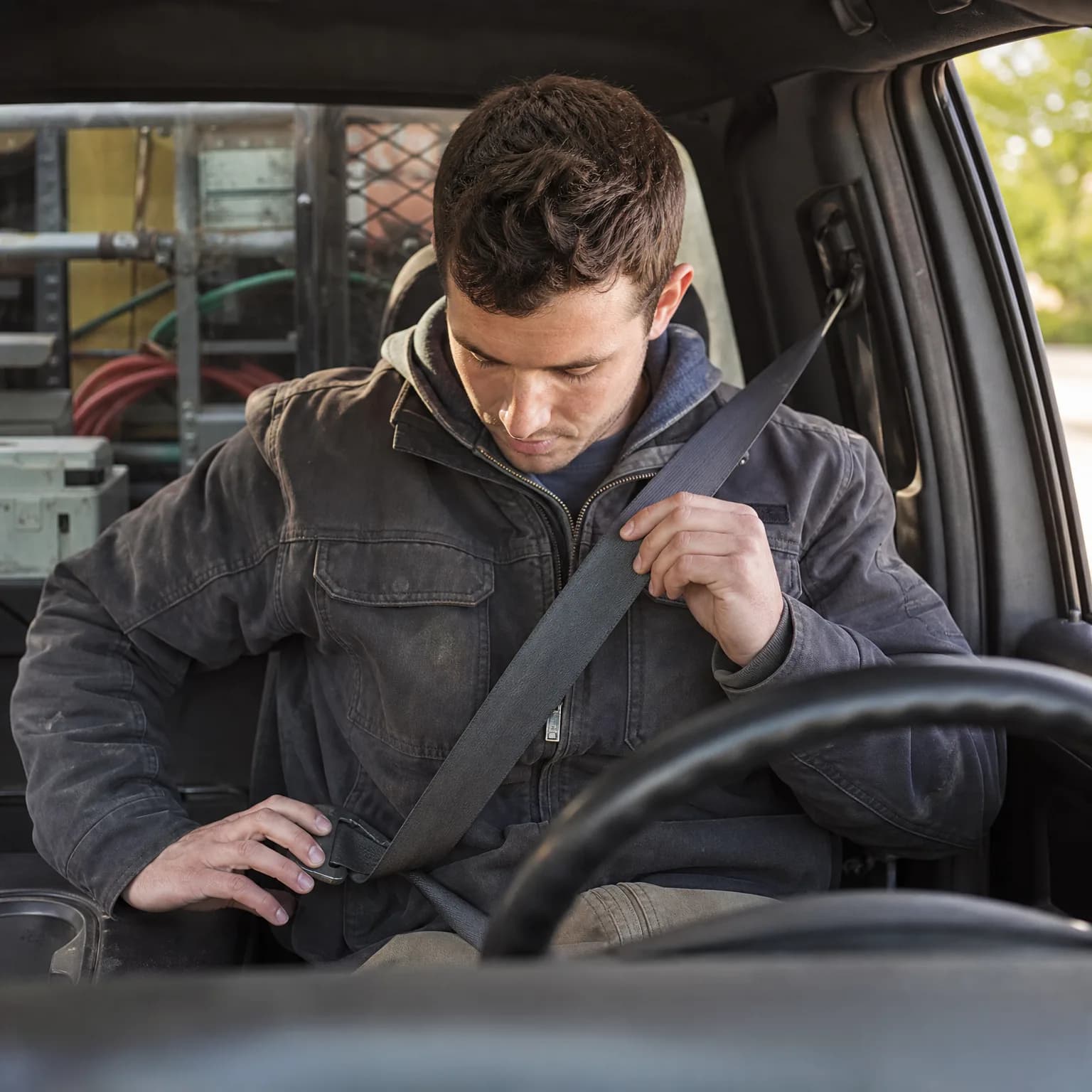
Ignition Interlock and Rideshare Vehicle Requirements: The Conflict Most Drivers Don't See Coming
If your failure-to-appear suspension involved an underlying OUI charge, Maine requires ignition interlock device installation as a condition of any restricted driving privilege or full reinstatement. IID installation costs $75-$150 upfront, plus $60-$90/month for monitoring and calibration—these are vendor fees separate from BMV reinstatement fees and SR-22 carrier premiums.
Uber and Lyft both prohibit drivers from transporting passengers in vehicles equipped with ignition interlock devices. This is a platform policy enforced at the vehicle inspection stage: when you submit your vehicle for rideshare activation, the inspector checks for IID presence and flags the vehicle as ineligible. The policy exists to avoid passenger discomfort and liability exposure, and neither platform grants exceptions.
This creates an impossible condition for rideshare drivers: Maine law requires IID installation to reinstate your license after OUI, and rideshare platforms require a non-IID vehicle to activate your driver account. The only viable path forward is full reinstatement without restricted license—complete your IID requirement period (typically 1-2 years for first-offense OUI in Maine), then apply for unrestricted reinstatement, then activate your rideshare account. Attempting to shortcut this timeline by driving for rideshare on a restricted IID license will result in both platform deactivation and criminal charges for violating restricted license terms.

Non-Owner Policies and Rideshare: Why One Policy Won't Cover Both
Non-owner SR-22 policies meet Maine's reinstatement insurance requirement if you do not own a vehicle, but they do not satisfy Uber or Lyft's prerequisite insurance verification. Both platforms require a named-insured personal auto policy listing the driver as the policyholder and covering a specific vehicle by VIN—non-owner policies provide liability coverage for any vehicle you drive occasionally, which rideshare platforms interpret as insufficient proof of continuous coverage.
If you plan to drive a vehicle you do not own—a spouse's car, a family member's car, a rental—you must be added as a named driver on that vehicle's existing policy and the policy must include rideshare endorsement. Rideshare endorsements cost $10-$25/month in Maine and extend liability coverage to the period between accepting a ride request and picking up the passenger, which personal auto policies exclude by default.
Expect total monthly insurance costs of $140-$190 if SR-22 is required and you are added as a named driver with rideshare endorsement, versus $85-$130 without SR-22. These figures assume clean driving history aside from the suspension trigger—additional violations, at-fault accidents, or lapses in coverage will push premiums higher. Carriers that write high-risk SR-22 policies in Maine include Progressive, The General, Bristol West, and National General; not all offer rideshare endorsements, so confirm availability before binding coverage.
Timeline to Platform Reactivation: What Rideshare Drivers Should Expect
Court clearance posting to BMV: 14-28 days from final court payment. SR-22 filing by carrier to Maine BMV: 1-3 business days electronically. BMV reinstatement processing after fee payment and SR-22 confirmation: 5-10 business days. Total timeline from warrant clearance to valid license in hand: 3-6 weeks.
Uber and Lyft background checks run continuously on active drivers but trigger manual review when a license suspension appears. Once your license reinstates, the platform does not automatically reactivate your account—you must submit updated license documentation through the driver app, which triggers a new background check cycle. That review takes 3-7 business days in most cases, longer if the underlying charge involved DUI or other serious violations.
Budget 4-8 weeks total from the day you pay your court fine to the day you can accept ride requests again. Shorter timelines are possible if you verify BMV clearance before filing SR-22 and your carrier processes filing same-day, but coordination gaps between court, BMV, and carrier typically extend the process. The most common delay: drivers file SR-22 immediately after paying court fines, before BMV has received court clearance, which causes BMV to reject the SR-22 filing as premature and forces the carrier to refile after clearance posts.
Frequently Asked Questions
Can I drive for Uber while on a restricted license in Maine?
No. Maine's restricted licenses limit driving to court-approved fixed routes and hours—typically home to work, work to medical appointments—which rideshare work does not fit. Courts deny most rideshare-related restricted license petitions because the work involves variable routes and passenger transport, and Uber and Lyft prohibit drivers with restricted licenses from using their platforms.
How much does ignition interlock installation cost in Maine for rideshare drivers?
Installation costs $75-$150 upfront, plus $60-$90/month for monitoring and calibration. However, Uber and Lyft prohibit vehicles equipped with ignition interlock devices from transporting passengers, which means rideshare drivers cannot use IID-restricted licenses to drive for either platform—you must complete the full IID requirement period and obtain unrestricted reinstatement before reactivating your rideshare account.
Does paying the failure-to-appear warrant fine automatically reinstate my Maine license?
No. Paying the warrant and court fines clears your court record, but Maine courts do not automatically notify BMV when warrants are resolved. Court clearance posts to BMV manually within 14-28 days, and BMV requires a separate $50 reinstatement fee plus proof of insurance (SR-22 if required) before removing the suspension flag from your license.
Can I use a non-owner insurance policy to meet Uber's insurance requirement in Maine?
No. Non-owner policies meet Maine BMV's reinstatement requirement, but Uber and Lyft require a named-insured personal auto policy listing a specific vehicle by VIN. You must be added as a named driver on a vehicle owner's policy with rideshare endorsement to satisfy platform insurance verification, even if you do not own the vehicle yourself.
How long does it take to reactivate my Uber account after Maine reinstates my license?
Budget 4-8 weeks total from final court payment to platform reactivation. Court clearance posts to BMV in 14-28 days, BMV processes reinstatement in 5-10 days after fee payment, and Uber's background check review takes 3-7 days after you submit updated license documentation through the driver app. Coordination gaps between court, BMV, and carrier typically extend the timeline beyond minimum processing windows.
What happens if I drive for Lyft on a restricted license with an ignition interlock device in Maine?
You face platform deactivation and criminal charges for violating restricted license terms. Lyft prohibits IID-equipped vehicles from transporting passengers, and driving outside your court-approved restricted routes or hours constitutes a Class E crime in Maine under 29-A M.R.S. § 2412, punishable by additional fines and extended suspension.
Do I need SR-22 insurance to reinstate my Maine license after a failure-to-appear suspension?
Only if your underlying charge required SR-22. Failure-to-appear warrants are administrative holds and do not trigger SR-22 on their own. If your missed court date involved OUI, uninsured driving, or habitual offender status, SR-22 is required based on that violation—verify with Maine BMV at 207-624-9000 before contacting carriers.
Related Articles

Maine Failure-to-Appear Reinstatement for Rideshare
5/3/2026
Maine FTA Warrant Reinstatement for Rideshare
7/13/2026
Maine Warrant Suspension: SR-22 Timing for Students
5/3/2026
Maine Failure-to-Appear SR-22: Single Parent Guide
5/3/2026
Maine Rideshare License Reinstatement: Unpaid Tickets
5/3/2026
Maine Unpaid Ticket Reinstatement: Rideshare SR-22 Rules
5/3/2026