
DC Failure-to-Appear Warrant Suspension: Court Clearance Timing
Free to compare
Why Paying Your Warrant Doesn't Automatically Reinstate Your DC License
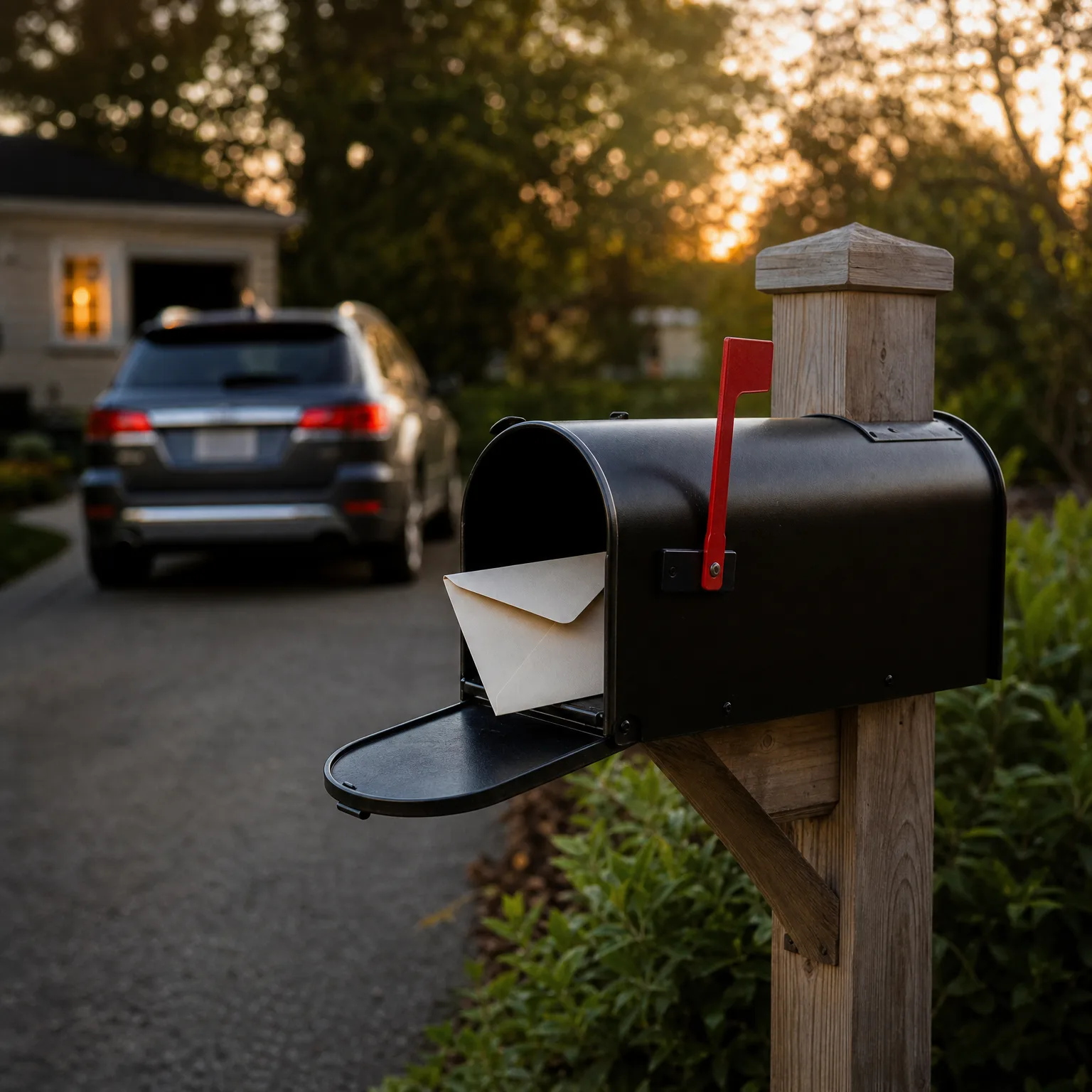
DC Superior Court and DC DMV operate separate databases with no real-time integration. When you resolve a failure-to-appear warrant at the courthouse—whether by paying fines, appearing before the judge, or settling the underlying case—the court clerk updates the court's internal case management system. That update does not trigger an automatic notification to DC DMV.
DC DMV receives warrant clearance notifications through a manual batch transmission process that runs weekly, sometimes biweekly during high-volume periods. The court compiles resolved warrant cases, formats the data, and sends it to DMV's records division. Processing that batch at DMV takes an additional 7-14 days after receipt. Most single parents learn this only after showing up at a DMV service center expecting immediate reinstatement and being told their court record hasn't posted yet.
This gap is structural, not a processing error. The court's job is adjudication; DMV's job is licensing enforcement. Neither agency is responsible for coordinating the handoff in real time, which means you are responsible for tracking whether the clearance has posted before attempting reinstatement.
What DC DMV Needs to See Before Processing Your Reinstatement
DC DMV will not process a reinstatement request until three conditions are met: the court clearance has posted to DMV's database, you have paid the $98 base reinstatement fee, and you have submitted proof of insurance if the suspension was compounded by an insurance lapse or DUI-related offense.
The court clearance is not a document you carry. It is a database flag that updates DMV's internal suspension record. When you call DC DMV's adjudication unit at (202) 737-4404 to verify clearance status, the representative checks whether your court case number shows as resolved in their system. If it doesn't, they cannot proceed with reinstatement regardless of what paperwork you bring from the courthouse.
If your failure-to-appear warrant was tied to a DUI charge or if you were driving uninsured when the warrant was issued, you will also need to file an SR-22 certificate of financial responsibility before DMV will process reinstatement. The SR-22 must be active and on file with DC DMV for the full reinstatement period—typically 3 years for DUI-related offenses. Non-owner SR-22 policies are available if you don't currently have a vehicle but need to satisfy the filing requirement.

How Long Court-to-DMV Clearance Actually Takes in DC
From the day you resolve the warrant at court, expect 14-30 days before the clearance posts to DC DMV's system. This timeline assumes the court processes your case within their normal batch cycle and DMV processes the incoming batch without delays.
Single parents managing childcare, work schedules, and court appearances often cannot afford to wait a month without knowing where they stand. You can accelerate verification by requesting a court disposition letter at the courthouse clerk's office the same day you resolve the warrant. This letter states the case number, disposition, and date of resolution. It does not replace the DMV database update, but it provides documentation you can reference when calling DMV to check whether the clearance has posted.
If 30 days pass and DMV still shows your license as suspended for the failure-to-appear warrant, contact the DC Superior Court Criminal Division Records Unit at (202) 879-1010 to confirm your case was included in the most recent batch transmission. If the court confirms transmission but DMV has not processed it, you can escalate through DC DMV's adjudication unit by referencing the court transmission date and your case number.

Line Up Coverage Before Your License Comes Back
Get Back on the RoadLimited Permit Options While Waiting for Court Clearance to Post
DC DMV offers a Limited Permit that allows restricted driving for essential purposes during certain suspension periods. Limited Permits are available for DUI-related suspensions and points-based suspensions, but they are not automatically available for failure-to-appear warrant suspensions.
If your failure-to-appear warrant was issued in connection with a DUI charge, you may be eligible for a Limited Permit after completing DUI program enrollment and installing an ignition interlock device. The permit restricts driving to work, medical appointments, school, or other DMV-approved purposes. You must carry proof of the Limited Permit, proof of insurance, and IID installation verification whenever driving.
If the failure-to-appear suspension is unrelated to DUI or points accumulation—for example, if you missed a court date for a speeding ticket—DC DMV generally does not issue a Limited Permit. The suspension remains in full effect until the court clearance posts and you complete reinstatement. Single parents who rely on driving to manage childcare logistics face the hardest choice here: wait out the clearance delay without legal driving authority, or coordinate alternate transportation until reinstatement is complete.
Insurance Requirements for Failure-to-Appear Reinstatements
DC law requires continuous insurance coverage even during suspension periods for most offense types. If your license was suspended for failure to appear and you let your auto insurance lapse during the suspension, DC DMV will treat that lapse as a separate administrative violation and may extend your suspension or require SR-22 filing at reinstatement.
If you don't currently own a vehicle, a non-owner SR-22 policy satisfies DC's insurance filing requirement without covering a specific car. Non-owner policies provide liability coverage when you drive a borrowed or rental vehicle and meet the state's proof-of-insurance mandate. Premiums for non-owner SR-22 policies typically range from $40-$70 per month depending on your driving record and the reason for suspension.
If your failure-to-appear warrant was tied to a DUI charge, SR-22 filing is mandatory for reinstatement and must remain active for 3 years from the date of conviction. File the SR-22 after the court clearance posts but before you attempt reinstatement at DMV. Filing SR-22 before the court clearance is processed will not accelerate reinstatement and may create confusion if the clearance is delayed.

What Single Parents Should Do Right Now
If you resolved your failure-to-appear warrant in the past 30 days, call DC DMV's adjudication unit at (202) 737-4404 every 7 days to check whether the court clearance has posted. Have your case number, suspension notice reference number, and driver's license number ready when you call. Do not assume the clearance has posted simply because time has passed.
If you need to drive for work or childcare during the clearance delay and your suspension was DUI-related, contact DC DMV immediately to determine whether you qualify for a Limited Permit. You will need proof of DUI program enrollment, ignition interlock device installation verification, and proof of insurance before DMV will issue the permit. Limited Permits are not available for all suspension types—verify eligibility before paying application fees.
Once the court clearance posts, gather proof of insurance, payment for the $98 reinstatement fee, and any required SR-22 filing confirmation before visiting a DC DMV service center. The reinstatement process cannot begin until all three are in place. If you don't currently have insurance or need SR-22 filing, compare non-owner policy options before your DMV appointment to avoid delays at the counter.
Frequently Asked Questions
Does DC DMV notify me when my court clearance posts to their system?
No. DC DMV does not send automatic notifications when a court clearance updates your suspension record. You must call the adjudication unit at (202) 737-4404 to verify clearance status before attempting reinstatement.
Can I start the reinstatement process before the court clearance posts?
No. DC DMV will not accept reinstatement fees or process SR-22 filings until the court clearance shows in their database. Paying fees early does not hold your place or accelerate processing.
What happens if I drive while waiting for the court clearance to post?
Driving on a suspended license in DC is a criminal offense punishable by up to 90 days in jail, a $500 fine, and an additional suspension period. The fact that you resolved the warrant at court does not restore your driving privilege until DMV completes reinstatement.
Do I need SR-22 for a failure-to-appear suspension if I wasn't charged with DUI?
Not automatically. SR-22 is required for DUI-related offenses and insurance lapse suspensions. If your failure-to-appear warrant was for a traffic violation unrelated to DUI or uninsured driving, you typically need proof of insurance but not SR-22 filing. Verify with DC DMV based on your specific case.
Can I use a court disposition letter to reinstate my license before the DMV clearance posts?
No. The court disposition letter documents that you resolved the case, but it does not replace the DMV database update. DMV will not process reinstatement until the clearance appears in their system, even if you present court paperwork.
How much does a non-owner SR-22 policy cost in DC?
Non-owner SR-22 policies in DC typically cost $40-$70 per month depending on your driving record, the suspension reason, and the carrier. Estimates vary by individual risk factors.
Related Articles

DC Warrant Clearance: Court vs DMV Reinstatement Timing
5/3/2026

DC Failure-to-Appear Warrant Suspension & SR-22 Filing
5/3/2026

DC CDL Reinstatement: Warrant Clearance Verification Gap
5/3/2026
DC Child Support Suspension: Court to DMV Timing
5/3/2026
Delaware Warrant Clearance: Court & DMV Reinstatement Gap
5/3/2026

WV Failure-to-Appear Reinstatement: Court & DMV Timing
5/3/2026