
Failure-to-Appear Warrant Reinstatement — District of Columbia
Free to compare
The Court Clearance That Didn't Restore Your License
You went to DC Superior Court, paid the failure-to-appear fine, received a clearance letter from the clerk, and walked out assuming your license was restored. Two weeks later you tried to activate your Uber or Lyft account and discovered DMV still shows you suspended. The court resolved your warrant, but DMV never received notification—and in the District of Columbia, those are two separate systems that don't communicate automatically.
This procedural gap traps rideshare drivers who need immediate reinstatement to return to work. The court considers your case closed the moment you pay. DMV considers you suspended until you complete a separate verification process and pay the $115 reinstatement fee. Most drivers learn this only after attempting to reactivate their platform account and discovering the suspension block is still in place.
“The court considers your case closed when you pay; DMV considers you suspended until you verify clearance and pay the reinstatement fee.”

Line Up Coverage Before Your License Comes Back
Get Back on the Road$115
DC DMV Reinstatement Fee
The base reinstatement fee applies after you verify court clearance with DMV Adjudication Services. This fee is separate from any court fines or costs you paid to resolve the underlying warrant.
DC DMV fee schedule
Why Court Clearance Doesn't Automatically Lift DMV Suspension
DC Superior Court and DC DMV operate independent databases. When you fail to appear for a traffic citation or criminal matter, the court notifies DMV to suspend your license. That notification creates a suspension record in DMV's system. When you later resolve the warrant—by appearing, paying fines, or satisfying the court's requirements—the court closes its own file but does not send an automatic clearance message back to DMV.
DMV requires you to initiate the verification process. You must either bring court documentation to DMV Adjudication Services in person, submit it by mail to 955 L'Enfant Plaza SW, or upload it through the online reinstatement portal if your case qualifies. Until DMV receives proof that the court released the hold, your suspension remains active regardless of what you paid at the courthouse.
Rideshare platforms verify driving eligibility through state DMV records, not court records. Uber and Lyft run continuous background monitoring that flags any license suspension in real time. Even if you have court paperwork proving the warrant is cleared, the platform sees only what DMV reports—and DMV reports you suspended until you complete the separate verification step.
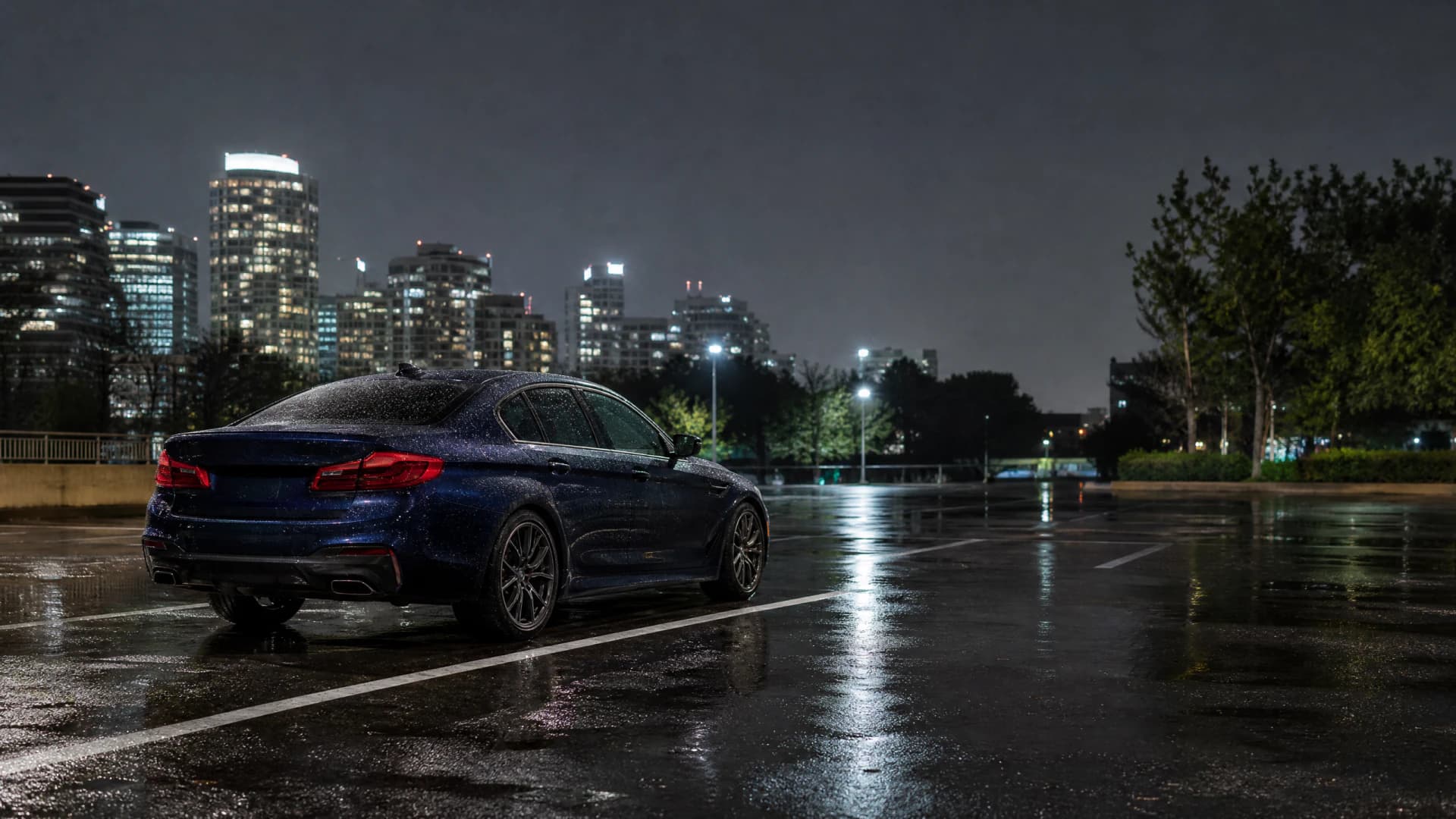
The court considers your case closed when you pay; DMV considers you suspended until you verify clearance and pay the reinstatement fee.
Related Articles
DC Failure-to-Appear Warrant Suspension: Rideshare Costs
5/3/2026
VA Rideshare FTA Warrant Reinstatement: FR-44 Timing
5/3/2026
Maryland FTA Warrant Clearance: MVA Reinstatement Steps
5/3/2026
CA FTA Warrant Suspension: Court-DMV Timing for Rideshare
5/3/2026
CO Rideshare FTA Suspension: Real Reinstatement Costs
5/3/2026
DC DUI Reinstatement for Rideshare: DMV Timing Gap
5/3/2026

Insurance Requirements During and After FTA Suspension
Failure-to-appear suspensions in DC do not trigger SR-22 filing requirements. SR-22 is reserved for alcohol or drug-related offenses, certain motor-vehicle convictions, unpaid judgments, and violations within the last three years as defined by DC Code 50-1301.54. An administrative suspension for missing a court date does not fall into those categories, so you are not required to file an SR-22 certificate to reinstate.
You are required to maintain continuous liability insurance that meets DC minimums: $25,000 bodily injury per person, $50,000 bodily injury per accident, $10,000 property damage, and uninsured motorist coverage. If your policy lapsed during the suspension period, you must purchase new coverage before DMV will process your reinstatement. Rideshare drivers often assume their platform's commercial policy satisfies this requirement, but DMV requires proof of a personal auto policy in your name—platform coverage does not substitute for the personal liability policy DC law mandates.
If you do not currently own a vehicle, a non-owner liability policy satisfies the insurance requirement. Non-owner policies provide the state-minimum liability coverage DMV requires without insuring a specific car. This is the correct option for rideshare drivers who rent vehicles through Uber or Lyft's rental programs or who use a family member's car but are not listed on that vehicle's title.
5 business days
DMV Verification Processing
Online and mail submissions to DC DMV Adjudication Services are processed within approximately 5 business days. In-person submissions at 955 L'Enfant Plaza SW before 2 PM are typically completed same-day if documentation is complete.
DC DMV Adjudication Services processing guidelines
What Happens If You Drive Before Reinstatement Is Complete
Driving on a suspended license in DC is a criminal offense under DC Code §50-1403.01, punishable by up to 90 days in jail, a fine up to $500, or both. The fact that you cleared the underlying warrant at court does not change your suspension status until DMV processes the verification and reinstatement fee. If you are stopped during the window between court clearance and DMV reinstatement, you are still driving under suspension.
Rideshare platforms deactivate drivers immediately when a suspension appears in their continuous monitoring system. Reactivation requires proof that your license is fully reinstated—not just that the court case is resolved. Attempting to drive for Uber or Lyft before DMV completes the reinstatement process will result in account suspension, and the platform will not reactivate you until you provide documentation showing DMV has lifted the block.
Compare Coverage and Start Your Reinstatement
Once you have your court clearance letter, the next step is securing the liability insurance DMV requires before you submit your reinstatement application. Rideshare drivers returning to work need coverage that meets DC minimums and starts immediately—most carriers can bind a policy the same day you apply, and you can upload proof of insurance to DMV's online portal as soon as the policy is active. Compare carriers that write DC non-owner and standard liability policies, confirm your coverage meets the $25,000/$50,000/$10,000 minimums plus uninsured motorist requirements, and submit your reinstatement packet to DMV Adjudication Services with the court clearance letter and $115 fee to complete the process.
The Two-Step Verification Process
Step one happens at DC Superior Court. You appear for your missed hearing, pay any fines or costs the court assessed, and request a clearance letter from the clerk. The letter must state that the failure-to-appear warrant has been recalled or satisfied and that no further court action is required. Generic receipts showing payment are not sufficient—you need a document explicitly stating the warrant is cleared. Most clerks provide this automatically when you resolve an FTA case, but if the clerk does not offer it, ask specifically for a warrant clearance letter before leaving the courthouse.
Step two happens at DMV Adjudication Services. You submit the court clearance letter along with your driver's license number, proof of DC residency, and payment of the $115 reinstatement fee. DMV processes the verification within approximately 5 business days if submitted online or by mail; in-person submissions at 955 L'Enfant Plaza SW are typically processed same-day if you arrive before 2 PM with complete documentation. Once DMV verifies the court clearance and processes your reinstatement fee, the suspension is lifted and your eligibility updates in the system rideshare platforms query.
Get Your Free Quote
Get Back on the RoadFrequently Asked Questions
Do I need SR-22 insurance to reinstate after a failure-to-appear suspension in DC?
No. Failure-to-appear suspensions in DC do not trigger SR-22 filing requirements. SR-22 is required only for alcohol or drug-related offenses, certain motor-vehicle convictions, unpaid judgments, and violations within the last three years. You must maintain liability insurance that meets DC minimums, but you do not need to file an SR-22 certificate.
How long does it take DMV to lift the suspension after I clear my warrant?
DC DMV Adjudication Services processes verification submissions within approximately 5 business days for online or mail submissions. In-person submissions at 955 L'Enfant Plaza SW before 2 PM are typically completed same-day if your documentation is complete. The suspension is not lifted until DMV processes your clearance letter and reinstatement fee.
Can I use my rideshare platform's insurance to satisfy DC's reinstatement requirement?
No. DMV requires proof of a personal auto liability policy in your name that meets DC minimums: $25,000/$50,000/$10,000 plus uninsured motorist coverage. Platform commercial policies do not substitute for the personal liability coverage DC law mandates. If you do not own a vehicle, a non-owner policy satisfies this requirement.
What documentation do I need to bring to DMV to verify my warrant is cleared?
You need a clearance letter from DC Superior Court stating that the failure-to-appear warrant has been recalled or satisfied and no further court action is required. Generic payment receipts are not sufficient. You also need your driver's license number, proof of DC residency, proof of liability insurance meeting DC minimums, and payment of the $115 reinstatement fee.
Will my Uber or Lyft account reactivate automatically once I pay the court fine?
No. Rideshare platforms verify eligibility through DMV records, not court records. Your account will remain deactivated until DMV lifts the suspension, which requires you to submit court clearance documentation and pay the $115 reinstatement fee to DMV Adjudication Services. The platform sees only what DMV reports.