
Reinstating Your Delaware License After a Failure-to-Appear Warrant
Free to compare
Why Clearing the Court Warrant Doesn't Automatically Reinstate Your Delaware License
Delaware's DMV suspends your license administratively the moment a failure-to-appear warrant is issued. The court simultaneously places a separate administrative hold on your driving record. When you resolve the warrant with the court, that clears the court's hold—but DMV operates on a separate timeline and requires its own documentation before lifting the suspension.
Most single parents clear the warrant, pay all court fees, and assume their license is automatically reinstated. It's not. The court sends clearance notice to DMV, but that transmission can take 10-30 business days depending on county court caseload. Until DMV receives and processes that clearance notice, your license remains suspended in the state system.
This creates a documentation gap. You're legally compliant with the court but still suspended at DMV. Driving during this gap—even with proof of warrant clearance in hand—counts as driving under suspension because DMV's database is the authoritative record Delaware law enforcement checks during traffic stops.

When SR-22 Filing Is Required for Delaware Failure-to-Appear Reinstatement
Delaware does not require SR-22 filing for all failure-to-appear suspensions. SR-22 is triggered only when the underlying charge involved driving violations that carry financial responsibility requirements—most commonly DUI, reckless driving, driving without insurance, or accumulation of excessive points.
If your failure-to-appear warrant stemmed from a missed court date on a speeding ticket, unpaid fine, or non-driving offense, you will not need SR-22. You will pay the $25 reinstatement fee and submit proof of warrant clearance. If the underlying charge was DUI or uninsured driving, SR-22 filing is mandatory and must remain active for 3 years from the reinstatement date under 21 Del. C. § 2118.
The challenge for single parents: determining which category applies when the court paperwork uses vague language like "driver control action" or "administrative hold." Delaware DMV will tell you at reinstatement whether SR-22 is required, but that information comes too late if you've already delayed clearing the warrant because you assumed SR-22 would be expensive or unattainable.

Delaware's Conditional License Option During Multi-Month Court Proceedings
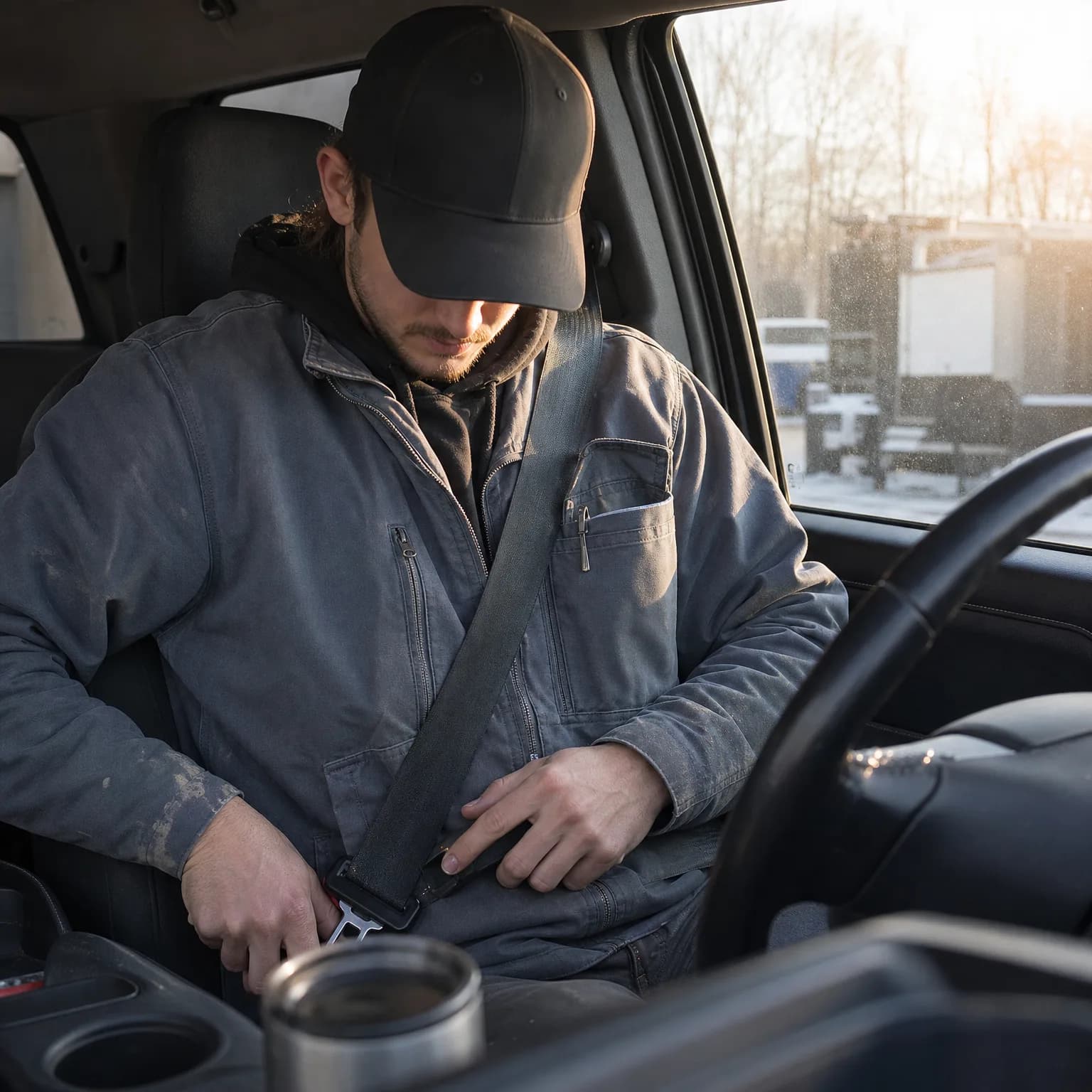
Delaware offers a Conditional License program that allows restricted driving during suspension for drivers who meet eligibility criteria. This includes DUI offenders, points-based suspensions, and some failure-to-appear cases where the underlying violation qualifies.
You apply through Delaware DMV directly, not the court. The application requires proof of employment or essential need, SR-22 insurance certificate if the underlying charge requires it, and completed Conditional License application forms. Delaware requires ignition interlock device installation for DUI-related suspensions, even during the Conditional License period.
Single parents often qualify based on employment necessity—transporting children to daycare, medical appointments, or school can satisfy the essential-need requirement. The restriction limits you to court- or DMV-approved destinations: work, school, medical appointments, childcare pickup and drop-off. Violating route restrictions triggers automatic revocation of the Conditional License and extends the total suspension period.
Documenting the Lapse-Gap Period Between Warrant Clearance and DMV Processing
The 30-60 day window between court clearance and DMV reinstatement creates insurance complications most single parents don't anticipate. If you let your auto policy lapse during suspension, Delaware's automated insurance verification system flags the lapse and may trigger a separate registration suspension under 21 Del. C. § 2118.
Delaware requires insurers to report policy cancellations electronically to DMV. If your policy cancels while you're suspended for failure-to-appear, DMV receives the cancellation notice and suspends your vehicle registration. This creates a second reinstatement requirement on top of the license suspension—you must now satisfy both the court clearance process and the insurance lapse reinstatement separately.
Maintaining continuous liability coverage—even during suspension—prevents this dual reinstatement scenario. A non-owner SR-22 policy provides the required financial responsibility filing without insuring a specific vehicle, which is often the most cost-effective option for suspended drivers who don't currently have regular access to a car.

Line Up Coverage Before Your License Comes Back
Get Back on the Road
What Single Parents Need to Submit for Delaware Reinstatement After Warrant Clearance
Delaware DMV requires three documents for reinstatement after failure-to-appear warrant clearance: court clearance notice showing the warrant has been resolved, proof of payment for all court fines and fees, and the $25 reinstatement fee. If SR-22 is required for the underlying violation, you must also submit an active SR-22 certificate from a Delaware-licensed carrier.
The court clearance notice is the bottleneck. Delaware courts issue clearance paperwork only after verifying payment and case closure. This process takes 5-15 business days in most counties. Once issued, the court submits clearance to DMV electronically, but you should request a stamped paper copy for your records—DMV processing delays are common, and having proof of clearance allows you to escalate if the hold remains active beyond 30 days.
If the underlying charge was DUI, Delaware requires additional documentation: proof of DUI program enrollment or completion, ignition interlock device installation verification if applicable, and SR-22 certificate showing 3-year filing period. Delaware's centralized DMV structure simplifies this process compared to larger states—all reinstatement processing flows through the state DMV office rather than county-level offices.

How Long SR-22 Filing Lasts After Delaware Failure-to-Appear Reinstatement
When SR-22 is required, Delaware mandates continuous filing for 3 years from the reinstatement date, not from the conviction date or warrant clearance date. If you reinstate your license on March 1, 2025, your SR-22 filing period runs through February 28, 2028.
Any lapse in SR-22 coverage during the 3-year period triggers automatic re-suspension. Delaware carriers report SR-22 cancellations electronically to DMV within 24-48 hours. If your policy cancels or lapses, DMV suspends your license again and requires you to restart the reinstatement process—including paying the $25 reinstatement fee a second time.
Single parents often face SR-22 lapses when switching jobs, moving addresses, or experiencing payment interruptions. Setting up automatic payment through your carrier and maintaining a 30-day payment buffer prevents these lapses. If you must cancel a policy, arrange replacement SR-22 coverage before the cancellation date to avoid any gap between policies.
Non-Owner SR-22 Policies for Delaware Drivers Without Regular Vehicle Access
Delaware allows non-owner SR-22 policies to satisfy financial responsibility filing requirements during and after suspension. Non-owner policies provide liability coverage when you drive vehicles you don't own—borrowed cars, rental vehicles, or employer-owned vehicles.
For single parents who don't currently have a car registered in their name, non-owner SR-22 is typically $40-$80/month, compared to $140-$240/month for standard SR-22 coverage on an owned vehicle. The policy satisfies Delaware's SR-22 requirement and allows reinstatement without insuring a specific car.
Non-owner policies do not cover vehicles you own or vehicles registered to household members. If you later purchase or register a vehicle, you must convert to a standard auto policy with SR-22 endorsement. Most Delaware carriers allow this conversion mid-term without penalty.
Frequently Asked Questions
Can I drive in Delaware immediately after clearing a failure-to-appear warrant?
No. Clearing the warrant with the court does not automatically reinstate your license. Delaware DMV requires separate documentation and a $25 reinstatement fee before your driving privileges are restored. Driving after warrant clearance but before DMV reinstatement counts as driving under suspension.
Does Delaware require SR-22 for all failure-to-appear suspensions?
No. SR-22 is required only when the underlying charge involved DUI, reckless driving, uninsured driving, or excessive points. If the failure-to-appear warrant stemmed from a non-driving offense or minor traffic violation, SR-22 is typically not required. Delaware DMV confirms SR-22 requirements at reinstatement.
How long does it take Delaware DMV to process warrant clearance from the court?
Court clearance notices typically reach Delaware DMV within 10-30 business days after the court issues the clearance. Processing delays can extend this window. Request a stamped paper copy of the clearance notice from the court so you can escalate directly with DMV if the hold remains active beyond 30 days.
Can single parents get a restricted license in Delaware while suspended for failure-to-appear?
Yes, if the underlying charge qualifies. Delaware's Conditional License program allows restricted driving for employment, childcare, medical appointments, and school. You apply through Delaware DMV with proof of essential need and SR-22 insurance if required. DUI-related suspensions also require ignition interlock device installation.
What happens if my SR-22 policy lapses during Delaware's 3-year filing period?
Delaware DMV re-suspends your license immediately. Carriers report SR-22 cancellations electronically within 24-48 hours. You must file new SR-22 coverage, pay the $25 reinstatement fee again, and restart the process. Any gap in SR-22 coverage resets enforcement timelines.
Do I need car insurance while my Delaware license is suspended?
If SR-22 is required for the underlying violation, yes—you must maintain continuous SR-22 coverage to satisfy reinstatement conditions. If SR-22 is not required, maintaining liability coverage prevents separate registration suspension under Delaware's insurance verification system. Non-owner policies satisfy both requirements without insuring a specific vehicle.
How much does SR-22 insurance cost in Delaware after a failure-to-appear suspension?
Non-owner SR-22 policies typically cost $40-$80/month. Standard SR-22 coverage on an owned vehicle runs $140-$240/month, depending on the underlying violation, age, and county. Estimates vary by driving history and coverage selections; individual quotes reflect your specific risk profile.
Related Articles
Delaware Warrant Clearance: Court & DMV Reinstatement Gap
5/3/2026

DE Failure-to-Appear Reinstatement: Court & DMV Steps
5/3/2026
Delaware Failure-to-Appear Suspension: Real Costs
5/3/2026

Delaware License Reinstatement: Court vs DMV Timing
5/3/2026
Delaware Warrant Suspension Costs: College Students
5/3/2026

Delaware Warrant Suspension: Court vs DMV Timeline
5/3/2026