
Colorado CDL Reinstatement After Failure-to-Appear: Full Cost Stack
Free to compare
Colorado Runs Two Separate Reinstatement Processes for CDL Holders
Colorado DMV does not reinstate your commercial driver's license until your personal Class R license is fully reinstated first. This means you pay the $95 base reinstatement fee for your personal license, then submit a separate CDL reissue application with additional fees once your personal driving privilege is restored. Most commercial drivers expect a single reinstatement process and discover the two-tier structure only after paying the first fee.
Failure-to-appear suspensions in Colorado are court-initiated, not DMV-initiated. The court issues the warrant, the court clears the warrant once you appear or resolve the underlying case, and the court notifies DMV of clearance. Until DMV receives formal notification from the court that issued the warrant, your license remains suspended regardless of what you paid or signed at the courthouse.
This creates a coordination gap most drivers miss. You resolve the warrant, pay court fines, and assume reinstatement happens automatically. It does not. You must confirm the court transmitted clearance to DMV, wait for DMV processing, then initiate reinstatement for your personal license before you can even apply to restore your CDL.

The Three-Payment Stack: Court Clearance, Personal Reinstatement, CDL Reissue
Court warrant clearance fees vary by county and case type but typically range $50–$150 depending on whether you resolve through a bond forfeiture payment, plea agreement, or trial setting. These fees go to the court, not DMV, and do not count toward reinstatement.
Colorado DMV charges a $95 base reinstatement fee for the personal Class R license once court clearance posts to your driving record. This fee applies whether the suspension was 30 days or 12 months. Processing takes 5–10 business days after payment if no other holds appear on your record.
CDL reissue requires a separate application fee of $41.50 plus the cost of any endorsement testing or medical certification updates you need to complete. If your CDL lapsed during suspension and you held endorsements for hazmat, tanker, or passenger transport, you will retake those knowledge tests before DMV issues the new credential. Commercial drivers often budget for the reinstatement fee but not the reissue application or endorsement exam costs.
SR-22 filing adds $15–$50 annually depending on your carrier. Failure-to-appear suspensions do not always trigger SR-22 requirements, but Colorado law allows judges to mandate SR-22 as a condition of reinstatement for repeat offenders or for drivers with other violations on record during the suspension period. If your court order or DMV reinstatement notice specifies SR-22, you must maintain it for the duration stated in the order—typically 1–3 years from reinstatement.

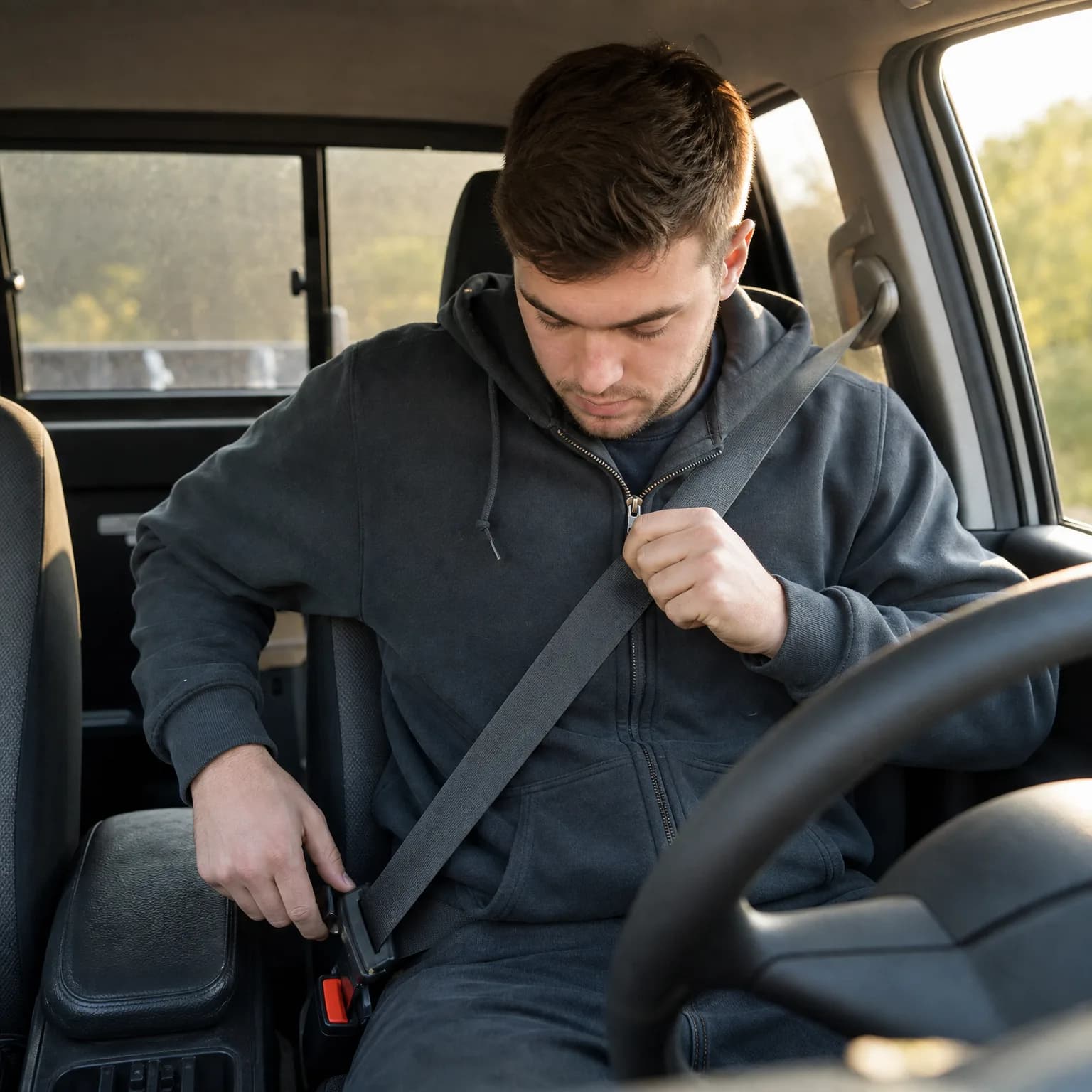
SR-22 Premium Impact on Commercial Auto Insurance
SR-22 filing itself costs $15–$50 per year. The liability insurance premium increase that comes with it is the real expense. Colorado requires minimum liability limits of 25/50/15 for personal vehicles, but SR-22 policies for drivers with recent suspensions typically cost $140–$190/month, compared to $85–$120/month for a clean-record driver.
Commercial drivers often carry personal auto policies separate from their employer's commercial fleet coverage. Your employer's policy covers you while operating company vehicles, but it does not satisfy your personal SR-22 filing requirement. You need a personal auto policy with SR-22 endorsement even if you no longer own a vehicle.
Non-owner SR-22 policies exist specifically for this situation. They provide state-minimum liability coverage for any vehicle you drive that is not owned by you or a household member, and they allow the carrier to file SR-22 on your behalf. Monthly premiums for non-owner SR-22 in Colorado typically range $50–$85/month for drivers with one suspension and no other violations.
If you let SR-22 lapse during the required filing period, Colorado DMV suspends your license again immediately. The new suspension remains in effect until you refile SR-22 and pay another reinstatement fee. Most carriers send lapse notices 10–15 days before cancellation, but DMV receives electronic notification the day your policy cancels, not when the notice was mailed.
Early Reinstatement and Probationary License Options for CDL Holders
Colorado offers Early Reinstatement / Probationary License for some suspension types, but failure-to-appear suspensions are court-ordered, not administrative. Courts control the suspension start date, duration, and conditions—not DMV. Early reinstatement programs under C.R.S. § 42-2-132.5 apply primarily to DUI revocations and certain point-accumulation suspensions handled administratively by DMV.
If your failure-to-appear suspension was ordered alongside a DUI conviction or other violation that independently qualifies for early reinstatement, you may petition the court or DMV for restricted driving privileges during the suspension period. These programs require ignition interlock device installation for DUI cases and proof of SR-22 insurance regardless of violation type.
Commercial drivers cannot operate commercial motor vehicles under a probationary or restricted license in Colorado. Federal Motor Carrier Safety Regulations prohibit CDL operation under any restricted driving privilege. Your probationary license allows you to drive personal vehicles to work, medical appointments, and court-ordered programs, but you cannot haul freight, drive passengers for hire, or operate any vehicle requiring a CDL until full reinstatement.
Most commercial drivers pursue full reinstatement rather than early reinstatement because the restrictions eliminate their ability to work in their field. If you drive commercially, the probationary license buys you personal mobility but does not restore your livelihood.

Line Up Coverage Before Your License Comes Back
Get Back on the Road
Timeline From Warrant Clearance to CDL Reinstatement
Court clearance notification to DMV takes 7–21 business days depending on the county court's electronic filing process. Denver County and El Paso County typically transmit within 7–10 days. Rural county courts may take 15–21 days. You can check your driving record on Colorado's myDMV portal at mydmv.colorado.gov to confirm when clearance posts.
Once clearance posts, you submit reinstatement payment and SR-22 proof of insurance if required. Colorado DMV processes reinstatement in 5–10 business days for standard cases with no additional holds. If your record shows unpaid tickets, child support arrears, or other suspensions from different incidents, reinstatement will not process until all holds clear.
After personal license reinstatement completes, you apply for CDL reissue. If your CDL expired during suspension, you retake the general knowledge test and any endorsement exams you previously held. Colorado does not require retaking the skills test unless your CDL has been expired for more than one year. Processing for CDL reissue typically takes 3–5 business days once your application and test results are submitted.
Total timeline from warrant clearance to CDL in hand: 20–40 business days assuming no complications. Budget 6–8 weeks if you need to schedule and pass endorsement exams or if court clearance transmission delays.

What Happens If You Drive Commercially on a Suspended CDL
Operating a commercial motor vehicle on a suspended CDL is a separate criminal offense in Colorado under C.R.S. § 42-2-138. Penalties include fines up to $1,000, up to one year in county jail, and extension of your suspension period by an additional 6–12 months depending on prior offenses.
Federal Motor Carrier Safety Administration regulations impose additional consequences. A conviction for driving a CMV while disqualified triggers a one-year CDL disqualification for first offense, permanent disqualification for second offense. This disqualification is national—it follows you to any state where you apply for CDL reinstatement.
Your employer's commercial auto policy will deny coverage for any accident that occurs while you operate a CMV on a suspended or disqualified CDL. This exposes you to personal liability for property damage, bodily injury, and cargo loss. Commercial fleet policies contain explicit exclusions for drivers operating without valid credentials.
Colorado DMV reports CDL suspensions to the Commercial Driver's License Information System within 10 days of the suspension effective date. Employers who run MVR checks during your suspension will see the suspension status and disqualification. Most motor carriers terminate drivers immediately upon discovering an active suspension.
Finding SR-22 Coverage That Does Not Disqualify You From Reinstatement
Not all carriers file SR-22 in Colorado. National carriers including GEICO, Progressive, and State Farm file SR-22, but underwriting standards vary significantly for drivers with recent suspensions. Some carriers decline to quote drivers with failure-to-appear suspensions if those suspensions occurred within 12 months or if the driver has multiple suspensions on record.
Non-standard carriers specialize in high-risk drivers and suspended-license reinstatement cases. These carriers charge higher premiums but accept applicants with recent suspensions, multiple violations, and DUI convictions. Monthly premiums for non-owner SR-22 from non-standard carriers in Colorado typically range $60–$95/month.
Do not let cost drive you to delay filing. Every day your SR-22 filing is delayed is a day your reinstatement clock does not start. If your court order or DMV notice requires SR-22, you cannot reinstate until it is filed and active. Waiting for a lower quote extends your suspension.
Compare quotes from at least three carriers before committing. Rates for the same driver with the same suspension history vary by $40–$70/month between carriers. Colorado suspended license insurance options include both standard and non-standard carriers—request quotes from both categories to identify the lowest compliant option.
Frequently Asked Questions
Does Colorado require SR-22 for failure-to-appear suspensions?
Not automatically. Colorado courts may mandate SR-22 as a condition of reinstatement for repeat offenders or drivers with additional violations during the suspension period. Your reinstatement notice or court order will specify SR-22 if required. If no SR-22 language appears in your reinstatement paperwork, you do not need it for this suspension.
Can I reinstate my CDL before my personal license clears in Colorado?
No. Colorado DMV requires full reinstatement of your personal Class R license before processing any CDL reissue application. You pay the $95 personal reinstatement fee first, wait for DMV to process that reinstatement, then apply separately for CDL reissue with additional fees and testing if your CDL expired during suspension.
How long does SR-22 filing last after a failure-to-appear suspension in Colorado?
Duration varies by court order. Typical SR-22 filing periods for failure-to-appear cases range 1–3 years from reinstatement date if SR-22 is required at all. Your reinstatement notice or court order will state the exact filing period. Lapsing SR-22 during the required period triggers immediate license suspension.
What is the total cost to reinstate a CDL after failure-to-appear in Colorado?
Budget $250–$450 minimum: $50–$150 for court warrant clearance, $95 for personal license reinstatement, $41.50 for CDL reissue application, plus endorsement exam fees if applicable. If SR-22 is required, add $50–$95/month for non-owner SR-22 insurance premiums during the filing period.
Can I drive personal vehicles while my CDL is suspended in Colorado?
Not unless your personal Class R license is also reinstated. CDL suspension in Colorado typically includes suspension of all driving privileges, not just commercial operation. You cannot legally drive any vehicle—personal or commercial—until you complete personal license reinstatement first.
Do I need to retake the CDL skills test after a failure-to-appear suspension in Colorado?
Only if your CDL has been expired for more than one year. Colorado requires retaking the general knowledge test and any endorsement exams you previously held if your CDL expired during suspension, but the skills test is required only for CDLs expired beyond 12 months.
Will my employer's commercial insurance cover my SR-22 filing requirement?
No. Your employer's commercial fleet policy covers you while operating company vehicles, but it does not satisfy your personal SR-22 filing obligation. You need a separate personal auto policy with SR-22 endorsement or a non-owner SR-22 policy to meet Colorado's reinstatement requirement.
Related Articles
Colorado FTA Warrant Suspension: Student Cost Stack
5/3/2026
Colorado CDL Reinstatement Costs After Lapse
5/3/2026

CO CDL Unpaid Tickets Suspension: Reinstatement Costs
5/3/2026
Colorado Failure-to-Appear Reinstatement Costs
5/3/2026

CDL DUI Reinstatement Costs Colorado: Real Fee Stack
5/3/2026
DC CDL Reinstatement Costs: Failure-to-Appear Warrant
5/3/2026