
Reinstating After Failure-to-Appear Warrant Suspension — Alaska
Free to compare
Why Your License Stays Suspended After You Clear the Warrant
You paid the court fine. The judge dismissed the failure-to-appear warrant. You walked out of the courthouse assuming your license was automatically reinstated. Then you tried to activate your Uber or Lyft driver account and discovered Alaska DMV still lists your driving privilege as suspended. The court cleared the warrant, but the DMV suspension remains active until you complete a separate reinstatement process the court clerk never mentioned.
Alaska's failure-to-appear suspension system operates on two parallel tracks: the court warrant and the DMV administrative suspension. Clearing one does not clear the other. The court controls the warrant; the DMV controls your driving privilege. Most drivers assume resolving the court matter resolves the license suspension because that is how it works in many other states. In Alaska, the DMV requires you to affirmatively prove the warrant is cleared, pay a $100 reinstatement fee, and wait 10 business days for processing before your license is valid again.
“Clearing the court warrant does not reinstate your Alaska license—DMV requires separate proof, a $100 fee, and 10 business days to process.”

Line Up Coverage Before Your License Comes Back
Get Back on the Road$100
Alaska DMV Reinstatement Fee
Applies to all administrative suspensions including failure-to-appear warrants. Paid directly to the Division of Motor Vehicles after you obtain court clearance documentation. Processing takes 10 business days from the date DMV receives your completed reinstatement application and fee.
Alaska Division of Motor Vehicles reinstatement fee schedule
What Rideshare Platforms Actually Verify
Uber and Lyft run continuous background checks on active drivers. When your license shows suspended in the Alaska DMV system, the platform's monitoring service flags your account even if you are physically holding a valid-looking license card. The platforms do not distinguish between DUI suspensions and failure-to-appear suspensions—they see only that your driving privilege is not currently valid in Alaska's official records.
You cannot drive for a rideshare platform while your DMV record shows suspended, even if the underlying warrant is cleared. The platform's compliance system pulls directly from state DMV databases, not court records. Until the DMV processes your reinstatement and updates its database, your rideshare account remains deactivated. Most drivers discover this gap only after they have already paid court fines and assumed they could resume driving immediately.
Alaska rideshare drivers face an additional timing problem: the 10-day DMV processing window. If you cleared your warrant on a Friday and submitted reinstatement paperwork the same day, your license will not show valid in the DMV system until two weeks later at the earliest. That is two weeks of lost rideshare income while you wait for administrative processing, even though the legal issue is resolved.
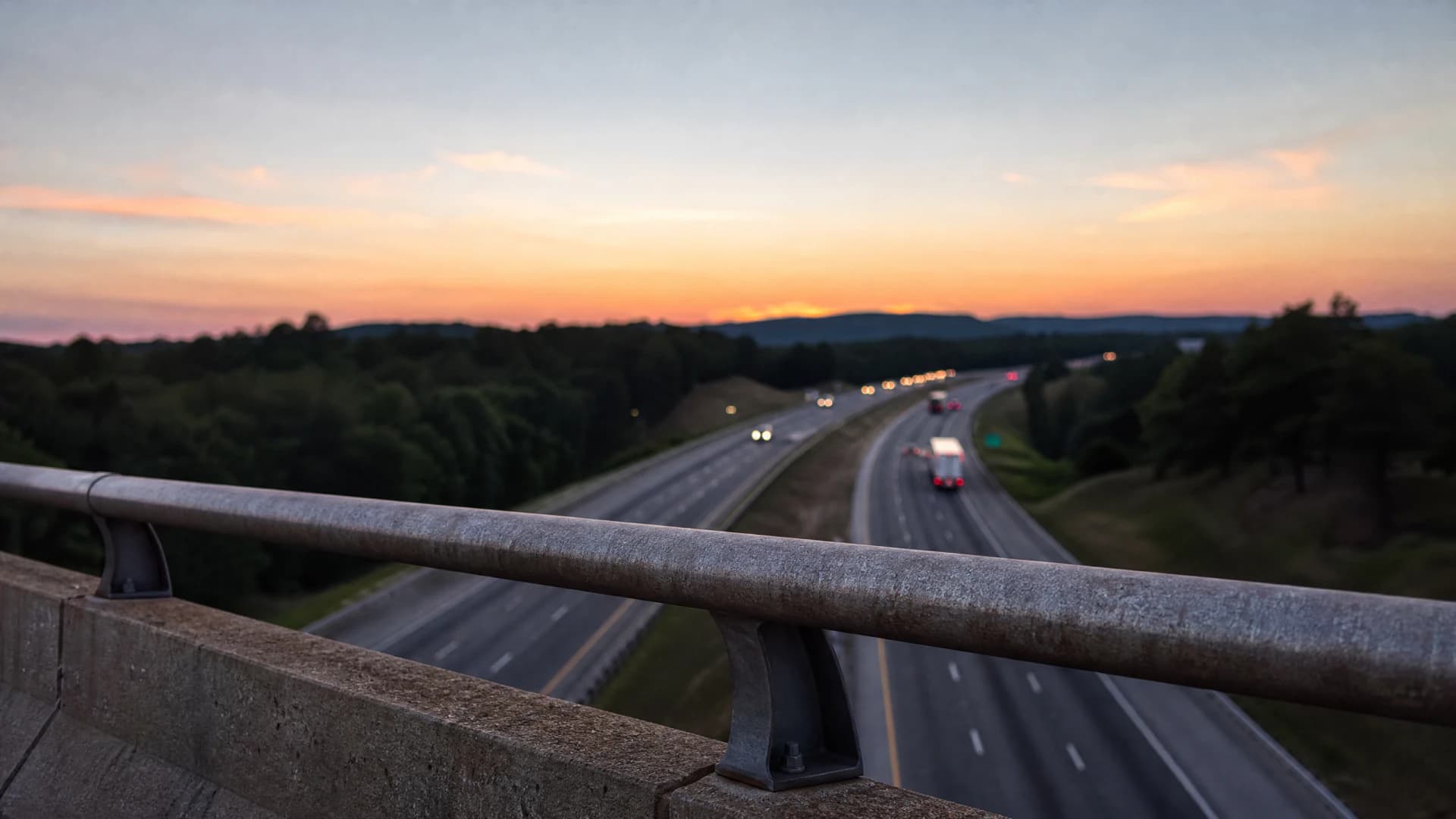
Clearing the court warrant does not reinstate your Alaska license—DMV requires separate proof, a $100 fee, and 10 business days to process before rideshare platforms see you as eligible again.
Related Articles
Alaska Failure-to-Appear Reinstatement: Rideshare Timing
5/3/2026
Alaska Warrant Suspension Cost: Rideshare Filing Fees
5/3/2026
Alaska Rideshare Unpaid Ticket Reinstatement Timing
5/3/2026
Alaska FTA Warrant Reinstatement Costs for Parents
5/3/2026
Alaska Rideshare Reinstatement: Court & DMV Timing
5/3/2026
Alaska Unpaid Tickets Suspension: Rideshare SR-22 Costs
5/3/2026
SR-22 Filing Is Not Required for Failure-to-Appear Suspensions
Alaska does not require SR-22 filing for administrative suspensions triggered by failure-to-appear warrants. SR-22 is reserved for DUI convictions, refusals to submit to chemical testing, and unsatisfied judgments. If your suspension originated solely from missing a court date—not from an underlying DUI, reckless driving, or uninsured driving violation—you do not need to file SR-22 to reinstate.
Many rideshare drivers waste money purchasing SR-22 coverage because they assume all suspensions require it. Insurance agents sometimes recommend SR-22 filing as a precaution without verifying the suspension cause. Before you pay for SR-22, confirm with Alaska DMV whether your specific suspension type requires it. For failure-to-appear cases, standard liability insurance proof is sufficient.
If your failure-to-appear warrant was issued because you missed a court date for a DUI or reckless driving charge, the underlying violation may trigger separate SR-22 requirements. In that scenario, SR-22 is required not because of the warrant itself, but because of the conviction the warrant was connected to. Check your court documents carefully—if the missed appearance was for a traffic infraction or non-moving violation, SR-22 does not apply.
10 business days
Alaska DMV Processing Window
Applies to all reinstatement applications including failure-to-appear clearances. The 10-day clock starts when DMV receives your complete packet—court clearance letter, insurance proof, and $100 fee. Incomplete submissions reset the clock to day zero when you resubmit missing documents.
Alaska Division of Motor Vehicles reinstatement processing timeline
Lapse-Gap Documentation and Continuous Coverage
Alaska DMV requires proof of continuous insurance coverage during your suspension period if the suspension lasted longer than 30 days. This rule catches many rideshare drivers off guard: you are required to maintain liability insurance even while suspended and unable to drive legally. If you canceled your policy when your license was suspended, you now face a lapse-gap penalty that extends your reinstatement timeline.
A lapse in coverage during suspension triggers a separate administrative action. Alaska DMV will require you to file proof of insurance for the entire suspension period or pay an additional penalty and potentially face an extended suspension. Rideshare drivers who let their personal policies lapse while relying on platform coverage discover this gap only when they try to reinstate—platform commercial policies do not satisfy Alaska's continuous-coverage requirement for personal license reinstatement.
If you do not own a vehicle, a non-owner liability policy satisfies Alaska's continuous-coverage requirement. Non-owner policies cost approximately $30 to $60 per month and provide the liability coverage DMV requires without insuring a specific vehicle. Rideshare drivers who rely exclusively on platform coverage should purchase a non-owner policy immediately upon suspension to avoid lapse-gap penalties at reinstatement.
Submitting Your Reinstatement Application
Alaska DMV accepts reinstatement applications by mail or in person at any DMV office. Email submissions are not accepted for reinstatement packets. Mail your court clearance letter, insurance proof, and $100 reinstatement fee to Alaska Division of Motor Vehicles, Driver Services, PO Box 110221, Juneau, AK 99811-0221. Include a cover letter with your full name, date of birth, driver license number, and daytime phone number so DMV can contact you if additional documentation is needed.
The 10-day processing clock does not start until DMV receives a complete packet. If any document is missing or illegible, DMV will mail a deficiency notice to your address on file and hold your application without processing. That notice can take 5 to 7 business days to arrive, and the clock resets to zero when you resubmit. Rideshare drivers trying to minimize income loss should verify every document is included and readable before mailing the packet.

Reactivating Your Rideshare Account After Reinstatement
Once Alaska DMV processes your reinstatement and updates its database, Uber and Lyft will receive the updated driving record within 24 to 48 hours through their continuous monitoring systems. You do not need to manually notify the platform—the background check service pulls updated records automatically. Your account will reactivate without additional action from you, assuming no other flags exist on your driving record.
If your rideshare account does not reactivate within 3 business days of your reinstatement date, contact the platform's driver support team and request a manual background check refresh. Occasionally the automated monitoring system misses an update, and a manual refresh forces the platform to pull your current DMV record immediately. Have your Alaska driver license number and reinstatement confirmation ready when you contact support.
Compare liability coverage options now if you do not currently have a personal auto policy. Rideshare drivers without vehicle ownership should request non-owner liability quotes from carriers writing in Alaska—Geico, Progressive, State Farm, and National General all offer non-owner policies that satisfy Alaska's reinstatement requirements and cost significantly less than standard owner policies.
Documentation Alaska DMV Requires for FTA Reinstatement
Alaska DMV requires a court clearance letter on official letterhead showing the failure-to-appear warrant was quashed or dismissed. The letter must include your full legal name, date of birth, case number, and the specific date the warrant was cleared. A receipt showing you paid the fine is not sufficient—DMV needs explicit confirmation from the court that the warrant no longer exists. Most Alaska courts issue this letter within 3 business days of your request, but you must ask for it; courts do not automatically send clearance letters to DMV.
You must also submit proof of current Alaska liability insurance meeting state minimums: $50,000 per person, $100,000 per accident for bodily injury, and $25,000 for property damage. Rideshare drivers often assume their platform's commercial policy satisfies this requirement, but Alaska DMV requires proof of a personal auto policy in your name or a non-owner policy if you do not own a vehicle. The insurance proof must show coverage effective on or before the date you submit your reinstatement application—retroactive policies are not accepted.
Get Your Free Quote
Get Back on the RoadFrequently Asked Questions
Do I need SR-22 filing to reinstate my Alaska license after a failure-to-appear suspension?
No. Alaska does not require SR-22 filing for administrative suspensions triggered by failure-to-appear warrants. SR-22 is required only for DUI convictions, refusals to submit to chemical testing, and unsatisfied judgments. If your suspension originated solely from missing a court date, standard liability insurance proof is sufficient for reinstatement.
How long does Alaska DMV take to process a reinstatement application after I clear a failure-to-appear warrant?
Alaska DMV requires 10 business days to process reinstatement applications from the date they receive your complete packet. The packet must include a court clearance letter, proof of liability insurance, and the $100 reinstatement fee. Incomplete submissions reset the processing clock to zero when you resubmit missing documents.
Can I drive for Uber or Lyft while my Alaska license is suspended but the warrant is cleared?
No. Rideshare platforms pull driving records directly from Alaska DMV databases. Even if the court cleared your failure-to-appear warrant, your rideshare account remains deactivated until DMV processes your reinstatement and updates its database. The 10-day processing window means you cannot drive for rideshare platforms during that period.
What happens if I let my insurance lapse during my Alaska suspension?
Alaska requires proof of continuous insurance coverage during suspensions lasting longer than 30 days. If you canceled your policy while suspended, you face a lapse-gap penalty that can extend your reinstatement timeline. DMV may require you to file proof of insurance for the entire suspension period or pay an additional penalty before reinstating your license.
Do I need to own a car to get liability insurance for Alaska license reinstatement?
No. Alaska accepts non-owner liability policies for reinstatement if you do not own a vehicle. Non-owner policies provide the required liability coverage—$50,000 per person, $100,000 per accident for bodily injury, and $25,000 for property damage—without insuring a specific vehicle. Carriers including Geico, Progressive, State Farm, and National General offer non-owner policies in Alaska.
Does rideshare platform commercial insurance satisfy Alaska's reinstatement insurance requirement?
No. Alaska DMV requires proof of a personal auto liability policy in your name or a non-owner policy. Rideshare platform commercial policies cover you only while driving for the platform and do not satisfy the state's continuous personal liability coverage requirement for license reinstatement.