
Alaska Warrant Suspension Cost for Rideshare: Filing + SR-22 + FTW Fees
Free to compare
Why Clearing the Warrant Doesn't Restore Your Alaska Driver's License
Alaska DMV suspends your license administratively when a court reports a failure-to-appear warrant under AS 28.15.181. Clearing the warrant with the court removes the legal hold, but it does not remove the administrative suspension. The court and DMV are separate systems with separate filing requirements.
Most rideshare drivers assume paying the warrant clears the suspension automatically. It does not. The court issues a clearance document confirming the warrant was resolved, but you must submit that clearance to Alaska DMV separately and pay the DMV's $100 base reinstatement fee before your license is restored. The court does not notify DMV on your behalf in most Alaska districts.
If the underlying charge that triggered the warrant was DUI, reckless driving, or another violation requiring SR-22 filing, you face a third payment: carrier SR-22 filing costs and the resulting premium increase. Warrant dismissal resolves the court case, not the insurance filing requirement tied to the original violation.

Court Filing Fees to Clear the Failure-to-Appear Warrant
Court fees for clearing a failure-to-appear warrant vary by district and the underlying charge type. In Anchorage, Fairbanks, and Juneau district courts, expect $50–$150 in court administrative fees to reinstate the case, file a motion to quash the warrant, or appear for a continuance hearing. Traffic misdemeanors typically fall on the lower end; criminal misdemeanors requiring attorney representation fall higher.
Some Alaska courts require payment of the underlying fine or fee that triggered the warrant before issuing clearance. If the original charge was unpaid speeding ticket fines, those must be satisfied in addition to the administrative warrant-quashing fee. If the charge was failure to appear for a DUI arraignment, the court may require proof of enrollment in an alcohol information program before issuing the clearance document.
Once the court issues clearance, request a certified copy of the dismissal order or clearance notice. Alaska DMV requires documentation showing the warrant was resolved before processing reinstatement. The court clerk can provide this, but it may take 3–5 business days to generate and certify, particularly in smaller district courts outside the Anchorage/Fairbanks corridor.


Alaska DMV Reinstatement Fee and Processing Timeline
After you receive court clearance documentation, you submit it to Alaska DMV along with the reinstatement fee. Alaska's base reinstatement fee for failure-to-appear suspensions is $100, paid to the Division of Motor Vehicles under the Department of Administration.
Reinstatement can be processed by mail, online, or in person at DMV field offices in Anchorage, Fairbanks, Juneau, and several smaller hubs. Geographic isolation and staffing constraints mean mail-based reinstatement can take 10–15 business days from submission to processing confirmation, particularly if you are mailing from bush Alaska or roadless communities. In-person reinstatement at an Anchorage or Fairbanks office typically processes within 1–3 business days if all documentation is complete.
If the underlying charge was DUI-related, DMV will not process reinstatement until you also submit proof of SR-22 filing and proof of ignition interlock device installation. Alaska statute AS 28.35.030 requires ignition interlock installation before reinstatement for DUI convictions, and SR-22 filing must be active before DMV will accept your reinstatement application. The court clearance document alone is insufficient for DUI-triggered warrant suspensions.
SR-22 Filing Requirement: When It Applies and What It Costs
Not all failure-to-appear warrant suspensions require SR-22 filing. If the underlying charge was unpaid speeding tickets, parking violations, or other non-moving infractions, SR-22 is typically not required. If the charge was DUI, reckless driving, driving without insurance, or another violation Alaska law categorizes as high-risk, SR-22 is mandatory for reinstatement and must be maintained for a state-specified period post-reinstatement.
SR-22 is not insurance—it is a certificate of financial responsibility your carrier files with Alaska DMV to prove you carry at least the state's minimum liability coverage: $50,000 bodily injury per person, $100,000 per accident, and $25,000 property damage. Most carriers charge a one-time SR-22 filing fee of $15–$50 to submit the certificate. The larger cost is the premium increase: high-risk drivers in Alaska typically pay $140–$190 per month for liability-only SR-22 policies, compared to $70–$110 per month for clean-record drivers.
For rideshare drivers, SR-22 filing interacts with your rideshare insurance policy. Lyft and Uber require personal auto policies with specific coverage limits; SR-22 filing does not replace that requirement. You may need to coordinate with your carrier to ensure your rideshare endorsement is compatible with SR-22 filing, or switch to a carrier that underwrites both. Not all carriers that file SR-22 will also underwrite rideshare endorsements, particularly in Alaska where the rideshare insurance market is limited outside Anchorage.

Line Up Coverage Before Your License Comes Back
Get Back on the Road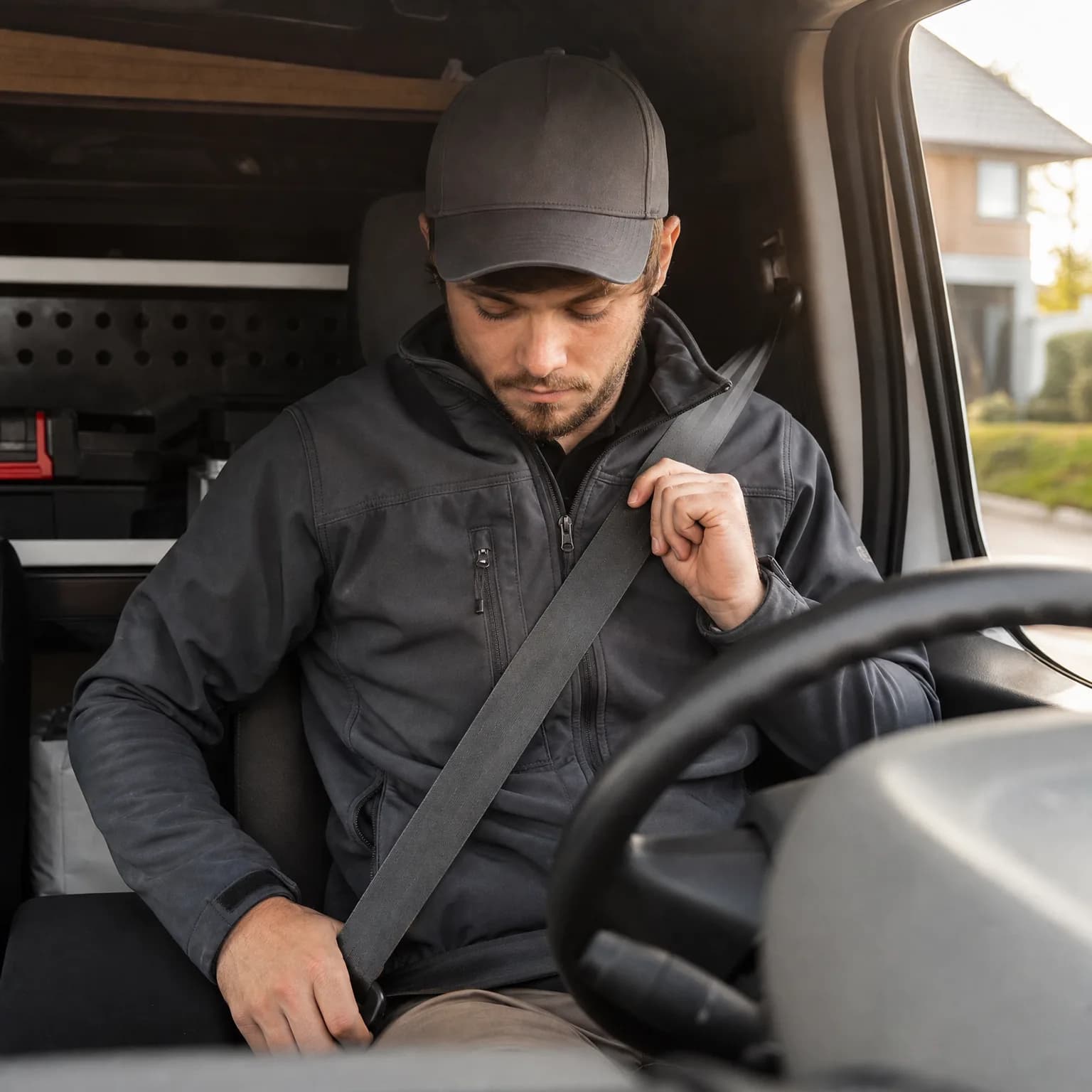
Ignition Interlock Device Installation for DUI-Related Warrants
If the failure-to-appear warrant stemmed from a DUI charge, Alaska statute AS 28.35.030 requires ignition interlock device installation as a condition of reinstatement. The device must be installed by an approved provider before DMV will accept your SR-22 filing or process your reinstatement application.
Approved IID vendors in Alaska are concentrated in Anchorage, Fairbanks, and Juneau. Residents of roadless bush communities or areas accessible only by ferry face practical installation challenges. Installation costs $75–$150, monthly monitoring and calibration fees run $70–$100 per month, and removal fees are typically $50–$75. The total cost depends on how long Alaska law requires you to maintain the device, which varies by BAC level and prior conviction count.
The IID requirement runs parallel to the SR-22 filing requirement but on a separate timeline. Alaska DMV will not process your SR-22 until the IID provider submits installation verification. Most drivers waste 2–4 weeks trying to file SR-22 first, only to learn at the DMV office that IID installation must happen before SR-22 filing. Coordinate with your IID provider to submit installation confirmation to DMV, then have your carrier file SR-22 immediately after.

Rideshare Reactivation After License Reinstatement
Lyft and Uber both run continuous background checks and DMV monitoring. Your license suspension triggers automatic deactivation, and reinstatement does not trigger automatic reactivation. After DMV processes your reinstatement, you must submit updated driver's license documentation through the rideshare platform's driver portal and request manual review.
Lyft typically reactivates drivers within 3–5 business days after receiving updated license documentation. Uber's timeline is similar but varies by local market; Anchorage drivers report 2–7 day turnaround. If the suspension was DUI-related, both platforms may require additional documentation proving completion of court-ordered programs or proof that the conviction is final and all compliance conditions are met.
Some drivers attempt to reactivate immediately after paying the court warrant fees, before DMV processes reinstatement. This fails. Rideshare platforms verify your license status against Alaska DMV records in real time. Until DMV shows your license as valid and unrestricted, reactivation requests will be denied regardless of what documentation you upload.
Total Cost Stack: What Most Rideshare Drivers Actually Pay
Court filing fees to clear the warrant: $50–$150, depending on district and underlying charge type. Alaska DMV base reinstatement fee: $100. If SR-22 filing is required, carrier filing fee: $15–$50, plus premium increase of approximately $70–$120 per month above your pre-suspension rate. If ignition interlock device installation is required, installation $75–$150, monthly monitoring $70–$100, and removal $50–$75.
For a rideshare driver in Anchorage with a failure-to-appear DUI warrant, total upfront cost to reinstate is approximately $340–$550 (court fees + DMV fee + IID installation + SR-22 filing fee), plus ongoing monthly costs of $140–$220 (IID monitoring + SR-22 premium increase) for the duration of the filing and interlock requirement. Over a typical 12-month period, total cost is $2,020–$3,190.
If the warrant was for unpaid speeding tickets with no SR-22 or IID requirement, total cost drops to $150–$250 upfront (court fees + DMV fee), with no ongoing monthly insurance increase beyond normal rate adjustments.
Frequently Asked Questions
Does paying the failure-to-appear warrant automatically reinstate my Alaska driver's license?
No. Clearing the warrant with the court removes the legal hold, but Alaska DMV requires you to submit court clearance documentation and pay a separate $100 reinstatement fee before your license is restored. The court does not notify DMV automatically in most Alaska districts.
Do I need SR-22 filing if my warrant was for unpaid speeding tickets?
Typically no. SR-22 filing is required for DUI, reckless driving, driving without insurance, and other high-risk violations. Unpaid speeding tickets and parking violations usually do not trigger SR-22 requirements, but you still must pay the DMV reinstatement fee and submit court clearance to restore your license.
Can I drive for Lyft or Uber while my license reinstatement is processing?
No. Lyft and Uber verify your license status against Alaska DMV records in real time. Until DMV shows your license as valid and unrestricted, reactivation requests will be denied regardless of what court clearance documentation you upload to the platform.
How long does Alaska DMV take to process reinstatement after I submit court clearance?
In-person reinstatement at Anchorage or Fairbanks DMV offices typically processes within 1–3 business days if all documentation is complete. Mail-based reinstatement can take 10–15 business days, particularly from roadless or bush Alaska communities.
If my warrant was DUI-related, can I file SR-22 before installing the ignition interlock device?
No. Alaska DMV will not accept your SR-22 filing until your IID provider submits installation verification. Most drivers waste weeks trying to file SR-22 first—install the device, get provider confirmation submitted to DMV, then have your carrier file SR-22 immediately after.
Will my rideshare insurance policy cover SR-22 filing, or do I need a separate policy?
SR-22 is filed on your personal auto policy, not your rideshare coverage. You need to coordinate with your carrier to ensure your rideshare endorsement is compatible with SR-22 filing. Not all carriers that file SR-22 will also underwrite rideshare endorsements in Alaska.
How much does ignition interlock device installation cost in Alaska for DUI reinstatement?
Installation costs $75–$150, monthly monitoring and calibration fees run $70–$100 per month, and removal fees are typically $50–$75. Total cost depends on how long Alaska law requires you to maintain the device, which varies by BAC level and prior conviction count.
Related Articles
Alaska Warrant Suspension Cost: Court, DMV, SR-22
5/3/2026
Alaska Warrant Suspension: Limited License SR-22 Filing
5/3/2026
Alaska Failure-to-Appear Reinstatement: Rideshare Timing
5/3/2026
Alaska FTA Warrant Reinstatement for Rideshare
7/13/2026

Alaska FTA Warrant Reinstatement Costs for Parents
5/3/2026

Alaska Failure-to-Appear: Court vs DMV Timeline
5/3/2026