Alabama FTA Warrant Clearance: Court vs DMV Timing for Students
Free to compare
Why Your Court Clearance Doesn't Automatically Restore Your Alabama License
Alabama operates a dual-track system for failure-to-appear warrant suspensions: circuit courts process your case and issue clearance, while the Alabama Law Enforcement Agency (ALEA) Driver License Division administers your actual driving privilege. When you resolve your FTA warrant in court—paying fines, appearing before the judge, or satisfying the underlying charge—the court clerk does not automatically notify ALEA that your case is closed. Most college students assume paying court fees completes the reinstatement process and drive away believing they're legal.
The gap exists because Alabama courts and ALEA use separate systems with no real-time data bridge. Your court file shows disposition, but ALEA's driver license database still reflects the original suspension order until you submit proof of clearance. This creates a verification window of 10 to 30 days depending on county processing speed and whether you submit documentation in person or by mail. During this window, your license remains technically suspended even though your legal obligation is satisfied.
The problem hits college students hardest because most resolve warrants during breaks, return to campus in another city, and only discover the suspension is still active when pulled over or when trying to update insurance. By then, the verification delay has stretched into weeks because they're no longer local to the courthouse that issued clearance.
What You Must Submit to ALEA After Court Clearance
ALEA requires court-certified proof of disposition before processing reinstatement. A receipt showing you paid court fines is not sufficient. You need a certified copy of the court order or a disposition letter stamped by the circuit court clerk showing the FTA warrant was recalled or the underlying case was resolved. Most Alabama circuit courts charge between $5 and $15 for certified copies; some counties issue free disposition letters specifically for DMV reinstatement purposes.
You submit this documentation to ALEA either in person at any driver license examining office or by mail to the ALEA Driver License Division, P.O. Box 1471, Montgomery, AL 36102. Include your full name, date of birth, Alabama driver license number, and a cover note stating you are submitting proof of FTA warrant clearance for reinstatement eligibility review. If mailing, send via certified mail with return receipt so you have proof of delivery date.
ALEA processing time varies: in-person submissions at Montgomery or Birmingham offices typically clear within 5 to 10 business days, while mailed submissions can take 15 to 30 days depending on current workload. ALEA does not send confirmation when your clearance is processed—you must check your eligibility status online at alea.gov or call the Driver License Division at 334-242-4400. Do not assume clearance is complete until you verify your license shows eligible for reinstatement in ALEA's system.

The $275 Reinstatement Fee and Insurance Filing Requirement
Once ALEA confirms your FTA warrant clearance is processed, you must pay a $275 base reinstatement fee to restore your license. This fee is non-negotiable and applies to all administrative suspensions in Alabama, regardless of the underlying trigger. Payment can be made online through the ALEA portal, in person at any examining office, or by mail with a money order or cashier's check.
Whether you need SR-22 insurance filing depends on what triggered the original FTA warrant. If the warrant stemmed from a DUI charge, reckless driving citation, or uninsured motorist violation, ALEA requires you to file and maintain SR-22 for 3 years from your reinstatement date. If the warrant was for a non-driving offense—unpaid traffic tickets, court-ordered fines, or other civil matters—SR-22 is typically not required. When in doubt, ask the ALEA representative reviewing your reinstatement eligibility during the clearance verification process.
College students without a vehicle can satisfy SR-22 requirements through a non-owner policy, which covers liability when driving borrowed or rented cars. Non-owner SR-22 policies in Alabama typically cost $30 to $60 per month depending on your driving history and the underlying violation. Maintain continuous coverage for the full 3-year period—any lapse triggers automatic re-suspension and restarts the filing clock.
Line Up Coverage Before Your License Comes Back
Get Back on the RoadRestricted License Options During the Verification Window
Alabama offers a court-petitioned restricted license that allows limited driving during suspension, but it requires judicial approval and is not automatically available for FTA warrant cases. You petition the circuit court in the county where the warrant was issued, providing proof of employment or enrollment, an employer or university affidavit describing your need to drive, and payment of court petition fees that range from $50 to $150 depending on county.
The restricted license is court-defined, meaning the judge sets your allowable routes and hours. Typical restrictions limit driving to routes between home and work, home and school, or home and medical appointments during specified hours. Violating those restrictions—driving outside approved hours, detouring to non-approved locations, or allowing another person to drive your vehicle—triggers automatic revocation and additional penalties including possible contempt charges.
For DUI-related FTA warrants, Alabama law requires ignition interlock device installation before the court will grant a restricted license. The IID must remain installed for the duration of the restricted license period and through full reinstatement. Installation costs approximately $75 to $150, with monthly monitoring fees of $60 to $90. The restricted license does not shorten your suspension period or reduce the reinstatement fee—it only allows limited legal driving while you complete the verification and reinstatement process.
Timeline Coordination: Court, ALEA, and Insurance Filing
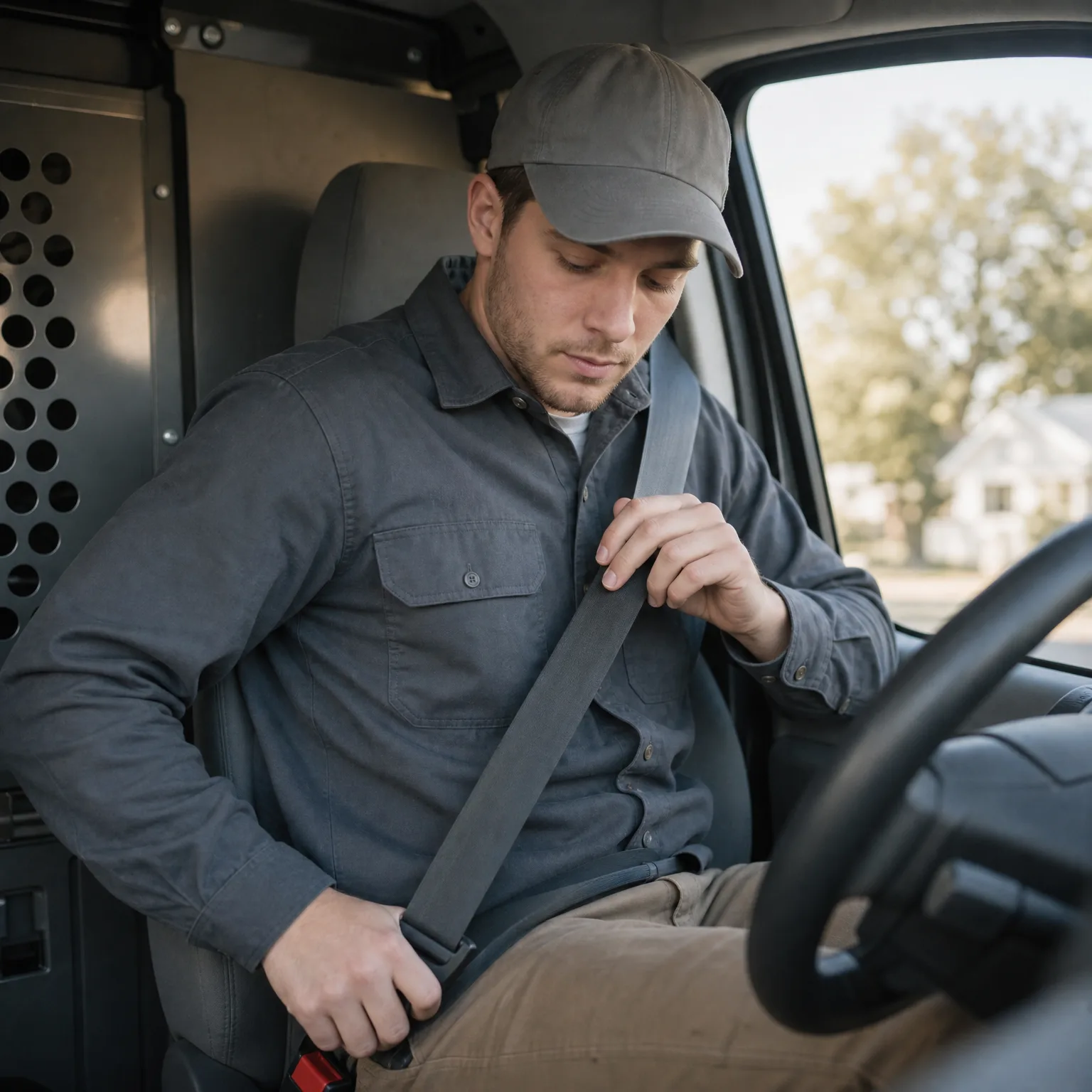
The fastest reinstatement path requires coordinating three separate timelines. First, obtain certified court clearance documentation the same day you resolve your warrant—most circuit court clerks can provide this immediately for an additional fee. Second, submit that documentation to ALEA within 48 hours, either in person or via overnight certified mail. Third, if SR-22 is required, contact an Alabama-authorized insurer and initiate your policy before ALEA processes your clearance so the SR-22 filing posts to their system simultaneously with your fee payment.
Most college students lose 2 to 4 weeks by treating these steps as sequential rather than parallel. They clear the warrant, wait to hear from the court, then contact ALEA, then start shopping for insurance. By running all three processes simultaneously, you compress total reinstatement time from 30-45 days to 10-15 days in most cases.
ALEA will not process your reinstatement fee payment until all clearance conditions show satisfied in their system. If you pay the $275 fee before your court documentation posts, your payment sits in pending status and does not restore your license. Verify clearance posting first by checking your driver record online or calling the Driver License Division, then submit payment once your record shows eligible for reinstatement. This sequence prevents payment processing delays and ensures your license restores the same business day your fee clears.
Frequently Asked Questions
Does Alabama automatically reinstate my license after I clear a failure-to-appear warrant?
No. Alabama courts do not automatically notify ALEA when you clear an FTA warrant. You must submit court-certified proof of disposition to ALEA's Driver License Division and pay the $275 reinstatement fee before your license is restored. Processing takes 10 to 30 days depending on submission method.
Can I drive in Alabama while waiting for ALEA to process my court clearance?
No. Your license remains suspended until ALEA processes your clearance documentation and you pay the reinstatement fee. Driving during this verification window is driving under suspension, which carries additional penalties including possible jail time and extended suspension periods.
Do I need SR-22 insurance to reinstate my license after an FTA warrant in Alabama?
It depends on the underlying charge. If your FTA warrant stemmed from a DUI, reckless driving, or uninsured motorist violation, Alabama requires SR-22 filing for 3 years. If the warrant was for unpaid tickets or non-driving offenses, SR-22 is typically not required.
How long does ALEA take to process court clearance documentation for FTA warrants?
In-person submissions at ALEA examining offices typically process within 5 to 10 business days. Mailed submissions take 15 to 30 days depending on current workload. ALEA does not send confirmation—you must check your eligibility status online or by phone.
Can Alabama college students get a restricted license after clearing an FTA warrant?
Possibly. Alabama offers court-petitioned restricted licenses that allow limited driving to work, school, or medical appointments during specified hours. You petition the circuit court in the county where the warrant was issued, and the judge has full discretion to approve or deny based on your circumstances.
What happens if I pay the Alabama reinstatement fee before ALEA processes my court clearance?
Your payment sits in pending status and does not restore your license. ALEA will not process reinstatement fees until all clearance conditions show satisfied in their system. Verify clearance posting first by checking your driver record online before submitting payment.
Related Articles

Alabama Failure-to-Appear SR-22 Timing for Students
5/3/2026
Alabama Warrant Clearance to ALEA Processing Time
5/3/2026

Alabama CDL Warrant Suspension: Court vs ALEA Timing
5/3/2026

Alabama Unpaid Tickets: Court Clearance & DMV Timing
5/3/2026

Alabama DUI Reinstatement: Court & ALEA Timing
5/3/2026

Alabama Failure-to-Appear Reinstatement for Rideshare
5/3/2026