
Alabama CDL Reinstatement After Failure-to-Appear Warrant
Free to compare
Why Alabama Treats CDL Holders Differently for Failure-to-Appear Suspensions
Alabama imposes SR-22 filing requirements on commercial drivers license holders facing failure-to-appear warrant suspensions, regardless of whether the underlying charge involved alcohol or drugs. Passenger-vehicle drivers suspended for the same failure-to-appear warrant typically reinstate without SR-22 unless the original charge was DUI-related. The distinction stems from federal motor carrier safety regulations that require states to maintain higher financial responsibility standards for CDL holders.
ALEA (Alabama Law Enforcement Agency) administers all driver licensing functions and enforces this tiered approach. When a circuit court issues a failure-to-appear warrant and ALEA suspends your CDL, the reinstatement pathway splits based on license class. The base reinstatement fee is $275, but CDL holders must add SR-22 filing costs and maintain coverage for three years from the reinstatement date.
Most CDL holders discover this requirement when they attempt to clear the warrant at the courthouse and receive a clearance notice that references SR-22 filing. The court does not automatically notify ALEA when you resolve the warrant. You must submit the court's clearance documentation to ALEA's Driver License Division separately, along with proof of SR-22 filing from an Alabama-authorized insurer.
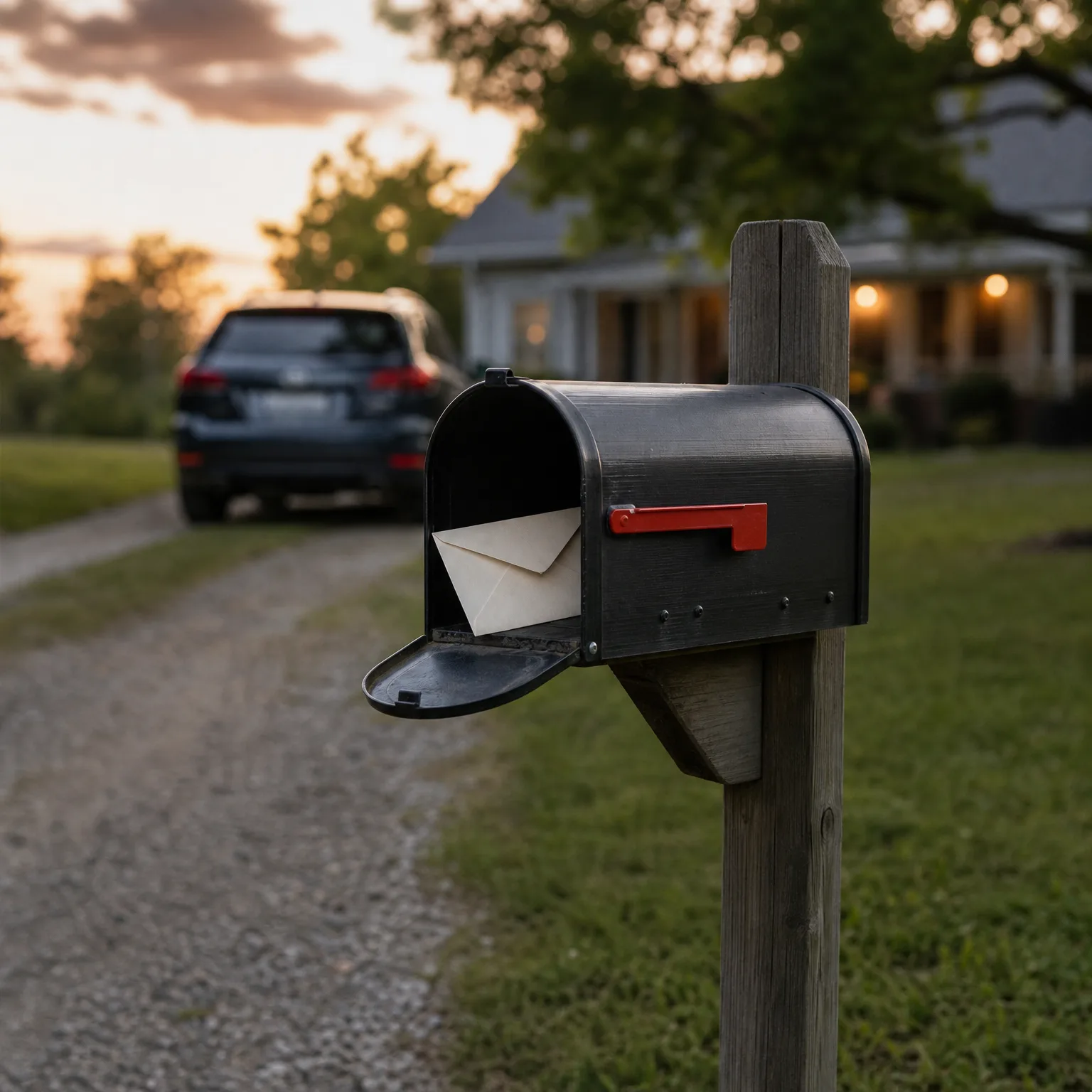
The Court Clearance and ALEA Submission Gap CDL Holders Miss
Alabama's failure-to-appear warrant suspension operates on a dual-track system. The circuit court that issued the warrant controls the criminal or traffic matter. ALEA controls your driving privilege. Resolving one does not automatically clear the other.
When you appear in court and settle the underlying charge or pay the required fees, the court clerk issues a clearance or satisfaction notice. This document proves the warrant is lifted. Most CDL holders assume the court transmits this information to ALEA electronically. It does not. You must physically submit the court clearance notice to ALEA, along with your SR-22 certificate and the $275 reinstatement fee, before ALEA will process your reinstatement.
The processing gap between court clearance and ALEA reinstatement typically runs 30 to 45 days if you submit all documentation simultaneously. If you wait for ALEA to receive the court's notice independently, the suspension continues indefinitely. ALEA's system flags the suspension as active until you provide proof the warrant is cleared. Alabama does not operate a centralized court-to-DMV notification system for failure-to-appear cases.

SR-22 Filing Timing: Before or After Court Clearance
Filing SR-22 before you clear the warrant at court wastes money. SR-22 coverage costs approximately $140 to $190 per month for CDL holders with clean driving records in Alabama. If you file SR-22 today and then wait two weeks to resolve the court matter, you pay for two weeks of coverage ALEA cannot yet process.
The correct sequence: appear in court, obtain the clearance or satisfaction notice, then contact an Alabama-authorized insurer to file SR-22. Most insurers can file SR-22 electronically with ALEA within 24 to 48 hours. Once the insurer confirms filing, gather the court clearance notice, the SR-22 certificate (your insurer provides this), and payment for the $275 reinstatement fee. Submit all three to ALEA simultaneously.
ALEA will not process your CDL reinstatement until all three documents appear in their system: court clearance, SR-22 filing, and payment. Missing any single piece restarts the processing clock. If your SR-22 lapses during the three-year maintenance period after reinstatement, ALEA re-suspends your CDL immediately and you repeat the entire reinstatement process.
Restricted License Availability for CDL Holders During Suspension
Alabama offers a restricted license program that allows limited driving during suspension, but the program's design creates complications for commercial drivers. The restricted license (Alabama's term for hardship licenses) permits travel between home and work, school, or medical appointments within court-defined hours.
CDL holders cannot use a restricted license to operate commercial vehicles. Federal motor carrier safety regulations prohibit states from issuing hardship or restricted commercial driving privileges for most suspension types. You can petition the circuit court for a restricted license that allows you to drive a personal vehicle to and from work, but you cannot drive the semi, bus, or delivery truck that constitutes your employment.
The restricted license petition process in Alabama is court-driven and varies by county. You file a petition with the circuit court that issued the warrant, not with ALEA. Required documentation typically includes proof of employment or essential need, the court clearance notice showing the warrant is resolved, an SR-22 certificate, and payment of court fees. Alabama judges have wide discretion to approve or deny petitions. If your employment requires operating a commercial vehicle, the restricted license does not solve the problem. You need full CDL reinstatement.

Line Up Coverage Before Your License Comes Back
Get Back on the Road
Ignition Interlock Device Requirements for CDL Restricted Licenses
Alabama requires ignition interlock device installation for most restricted licenses, including those issued to CDL holders suspended for failure-to-appear warrants stemming from alcohol-related charges. If the underlying charge that triggered the warrant involved DUI, refusal to submit to a chemical test, or any alcohol-related offense, the circuit court will require IID installation before approving your restricted license petition.
The IID requirement applies even when the warrant suspension itself is administrative. Alabama Code § 32-5A-191 governs ignition interlock mandates and applies to any driver seeking restricted driving privileges after an alcohol-related suspension. CDL holders pay the same installation, monthly monitoring, and removal fees as passenger-vehicle drivers: approximately $75 to $125 for installation, $60 to $90 per month for monitoring, and $50 to $75 for removal.
You must install the IID in the personal vehicle you plan to drive under the restricted license. The IID provider submits installation verification to ALEA electronically. The circuit court will not approve your restricted license petition without proof the IID is installed and active. If the underlying charge was not alcohol-related, the IID requirement does not apply, but SR-22 filing remains mandatory for CDL holders.

What Full Reinstatement Requires Beyond Paying the Fee
Full CDL reinstatement in Alabama after a failure-to-appear warrant suspension requires coordinating three separate steps: court clearance, SR-22 filing, and ALEA fee payment. None of these steps automatically triggers the others.
Court clearance proves the warrant is resolved. You obtain this by appearing in court, paying fines or completing required actions, and requesting a written clearance or satisfaction notice from the clerk. SR-22 filing proves financial responsibility. You obtain this by contacting an Alabama-authorized insurer and requesting SR-22 coverage, which the insurer files electronically with ALEA. Fee payment proves compliance with reinstatement conditions. You submit the $275 fee to ALEA along with the court clearance notice and SR-22 certificate.
ALEA processes all three documents together. If you submit the fee and court clearance but your SR-22 has not yet posted to ALEA's system, reinstatement stalls. If your SR-22 posts but you have not submitted the court clearance, reinstatement stalls. Most CDL holders extend their suspension by 30 to 60 days by assuming one agency notifies the other. Alabama does not coordinate these processes automatically as of current state procedures.
Non-Owner SR-22 Policies for CDL Holders Without Personal Vehicles
Many CDL holders do not own a personal vehicle and drive only commercial vehicles owned by their employer. Alabama accepts non-owner SR-22 policies for reinstatement in these situations. A non-owner policy provides liability coverage when you drive a vehicle you do not own, and the SR-22 filing attached to that policy satisfies ALEA's financial responsibility requirement.
Non-owner SR-22 premiums in Alabama typically run $50 to $85 per month for CDL holders with no DUI on record. If the underlying charge that triggered the warrant was alcohol-related, premiums increase to approximately $110 to $160 per month. The policy does not cover commercial vehicles. It covers personal-use driving only.
If you drive a commercial vehicle as part of your employment and your employer carries the required commercial liability coverage, you do not need a separate commercial policy. The non-owner SR-22 satisfies ALEA's requirement for personal driving privileges. Once reinstated, you can operate commercial vehicles under your employer's coverage. Verify with your employer that their policy lists you as an authorized driver before resuming commercial work.
Frequently Asked Questions
Does Alabama require SR-22 for all CDL holders with failure-to-appear warrants?
Yes. Alabama requires SR-22 filing for CDL reinstatement after failure-to-appear warrant suspensions, even when the underlying charge was not DUI-related. Passenger-vehicle drivers suspended for the same reason typically reinstate without SR-22 unless the original charge involved alcohol. The SR-22 requirement for CDL holders stems from federal motor carrier safety regulations that impose higher financial responsibility standards on commercial drivers.
Can I file SR-22 before I clear the warrant in court?
You can, but it wastes money. ALEA will not process your reinstatement until you submit the court clearance notice, SR-22 certificate, and $275 fee together. Filing SR-22 before you resolve the court matter means paying premiums for coverage ALEA cannot yet apply to your reinstatement. The correct sequence is: clear the warrant at court, obtain the clearance notice, then file SR-22 and submit all documents to ALEA simultaneously.
Will the court notify ALEA automatically when I clear the warrant?
No. Alabama courts do not automatically transmit failure-to-appear clearance notices to ALEA. You must submit the court's clearance or satisfaction notice to ALEA's Driver License Division yourself, along with your SR-22 certificate and reinstatement fee. Most CDL holders extend their suspension by 30 to 60 days by assuming the court and ALEA coordinate electronically. They do not.
Can I drive a commercial vehicle with an Alabama restricted license?
No. Alabama's restricted license allows limited personal-vehicle driving for work, school, or medical appointments, but federal motor carrier safety regulations prohibit states from issuing hardship or restricted commercial driving privileges for most suspension types. If your job requires operating a semi, bus, or delivery truck, you need full CDL reinstatement, not a restricted license.
How long do I have to maintain SR-22 after CDL reinstatement in Alabama?
Three years from the reinstatement date. If your SR-22 lapses at any point during the three-year maintenance period, ALEA re-suspends your CDL immediately and you must repeat the entire reinstatement process, including paying the $275 fee again. Maintain continuous coverage for the full three years without interruption.
Do I need a commercial insurance policy or will a non-owner SR-22 work?
A non-owner SR-22 policy satisfies ALEA's reinstatement requirement for CDL holders who do not own a personal vehicle. The non-owner policy covers personal-use driving only and does not extend to commercial vehicles. If you drive a commercial vehicle for work, your employer's commercial liability policy covers that vehicle. The non-owner SR-22 reinstates your CDL privilege, and you operate commercially under your employer's coverage.
Does Alabama require an ignition interlock device for restricted licenses after failure-to-appear suspensions?
Only if the underlying charge involved alcohol. If the failure-to-appear warrant stemmed from a DUI, refusal, or any alcohol-related offense, Alabama requires ignition interlock device installation before the circuit court will approve your restricted license petition. If the underlying charge was not alcohol-related, the IID requirement does not apply, but SR-22 filing remains mandatory for CDL holders.
Related Articles

Alabama CDL Reinstatement After Failure-to-Appear
5/3/2026

Alabama CDL Warrant Suspension: Court vs ALEA Timing
5/3/2026

Alabama Failure-to-Appear Reinstatement Costs
5/3/2026

Alabama CDL Reinstatement After Insurance Lapse
5/3/2026
Alabama Failure-to-Appear: SR-22 Timing for Parents
5/3/2026

Alabama Failure-to-Appear SR-22 Timing for Students
5/3/2026