
Reinstating Your License After Failure to Appear in El Paso
Free to compare
Why El Paso failure-to-appear suspensions lock you into a multi-agency clearance process
Texas DPS suspends your license when El Paso Municipal Court or an El Paso County Justice of the Peace court reports a failure to appear on a traffic citation. The suspension remains active until DPS receives electronic clearance confirmation from the issuing court, which only happens after you resolve the underlying ticket and the court transmits the clearance code through the Texas OmniBase system.
El Paso processes failure-to-appear cases through three separate entities: the municipal court system for city violations, justice of the peace courts for county violations, and the El Paso County Clerk for warrant releases. Each operates on independent timelines. Most drivers resolve their ticket at the court window but assume reinstatement is automatic. DPS requires a separate reinstatement application and fee after court clearance is received, which adds 7–10 business days if filed online or 14–21 days if filed by mail.
The entire sequence from warrant lift to valid license typically runs 21–45 days depending on court processing speed and whether you file reinstatement online versus by mail. Budget $304–$429 total: court fines vary by violation type, warrant fees run $30–$50, the DPS reinstatement fee is $100, and SR-22 filing (if required for your violation type) adds $15–$25 plus higher insurance premiums.
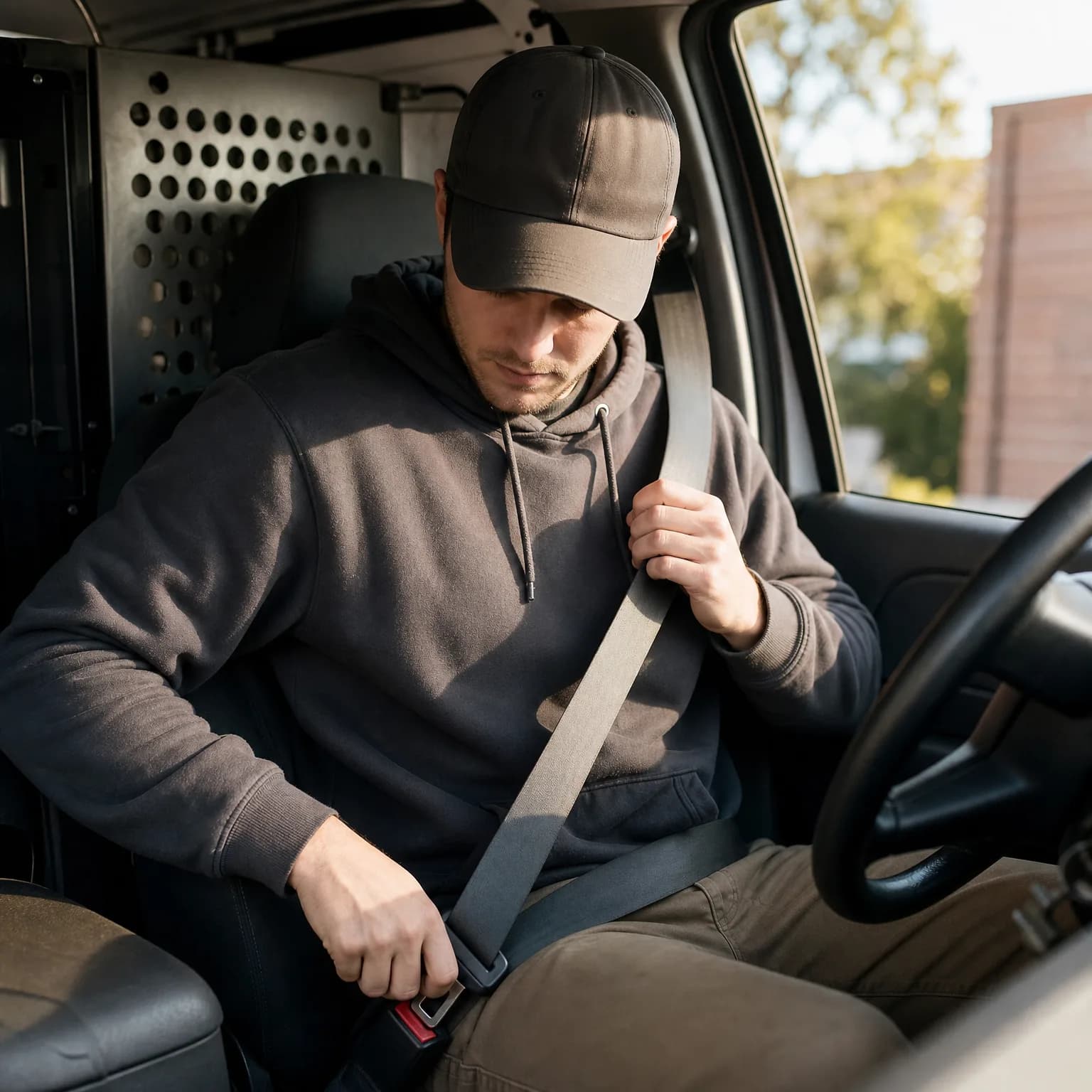
What happens at the court window when you clear a failure-to-appear warrant
You must appear in person at the court that issued the original citation. Bring photo ID, the citation number if you have it, and payment method for the full fine amount plus warrant fees. El Paso Municipal Court is located at 300 E. Campbell Street and handles city traffic violations. County violations go through the justice of the peace court in the precinct where the violation occurred.
The clerk will lift the warrant and allow you to resolve the ticket by paying the fine in full, requesting deferred disposition if eligible, or setting a court date if you plan to contest. Failure-to-appear cases typically lose eligibility for deferred adjudication and defensive driving dismissal, so expect to pay the base fine. Warrant lift fees are added on top of the ticket fine and vary by court: municipal court typically charges $30, justice courts charge $40–$50.
Request written confirmation that the warrant has been lifted and the case is resolved. The court transmits clearance to DPS electronically through OmniBase, but transmission delays happen. Having dated proof from the court protects you if DPS records don't update within 5–7 business days. Do not assume your license is valid the moment you pay. DPS maintains the suspension until you file for reinstatement and pay the reinstatement fee separately.


How long DPS takes to receive court clearance and process your reinstatement
El Paso courts typically transmit failure-to-appear clearances to DPS within 3–5 business days after you resolve the ticket. DPS posts the clearance to your driving record within 24–48 hours of receipt. You can verify clearance status by checking your driving record online at Texas DPS or calling the DPS Enforcement and Compliance Division at 512-424-2600.
Once clearance appears on your record, you must file a reinstatement application. Online filing through the DPS website processes in 7–10 business days. Mail filing to the Austin headquarters adds 14–21 days. The reinstatement fee is $100 regardless of filing method. DPS will not process reinstatement until all clearances are posted, so filing before court clearance arrives triggers an automatic rejection and you must refile.
If your underlying violation was for no insurance, DPS requires SR-22 filing before reinstatement. You must purchase an auto insurance policy or non-owner policy that includes SR-22 endorsement, and your insurer files the SR-22 certificate electronically with DPS. SR-22 filing adds 2–3 business days to DPS processing. Texas requires SR-22 for 2 years from the reinstatement date for no-insurance violations. Letting SR-22 lapse during that period triggers a new suspension and resets the filing clock to zero.
What you'll pay in court fees, fines, and reinstatement costs
El Paso Municipal Court traffic fines range from $104 for minor violations like expired registration to $304 for speeding 25+ mph over the limit or running a red light. Warrant lift fees add $30. Justice of the peace courts in El Paso County charge similar base fines with warrant fees of $40–$50. Payment is due in full unless you qualify for a payment plan, which requires a down payment of 25–50% and extends the clearance timeline by 30–90 days depending on plan length.
DPS charges a mandatory $100 reinstatement fee once court clearance is confirmed. This is separate from the court payment and non-refundable. If SR-22 filing is required, insurers charge $15–$25 to file the certificate, and your premium increases by 40–70% on average for the SR-22 endorsement period. Non-owner SR-22 policies for drivers without a vehicle run $25–$60/month in El Paso.
Total out-of-pocket to go from suspended to reinstated: $234–$429 depending on your violation severity and whether SR-22 is required. This does not include increased insurance costs over the 2-year SR-22 period. Court payment plans delay DPS clearance until the balance is paid in full, so paying upfront shortens your timeline by 4–12 weeks.

Line Up Coverage Before Your License Comes Back
Get Back on the Road
Why most El Paso drivers add 3–6 weeks by filing reinstatement too early
DPS rejects reinstatement applications filed before court clearance appears in their system. The rejection notice arrives by mail 10–14 days after filing, and you must refile from scratch. This single mistake adds 3–6 weeks depending on whether you filed online or by mail originally.
Drivers assume paying the ticket is sufficient and file reinstatement the same day. Courts transmit clearances on independent schedules. El Paso Municipal Court typically clears within 3 business days, but justice courts in precincts 1, 4, and 6 have reported delays of 7–10 days during high-volume periods. Always verify clearance appears on your DPS driving record before submitting reinstatement.
The second common error is assuming SR-22 filing is optional. If your violation included no insurance or financial responsibility, DPS will not process reinstatement without an active SR-22 on file. The system flags your application as incomplete, sends a rejection letter, and restarts the clock. SR-22 must be filed by your insurer and confirmed in DPS records before you submit reinstatement. Check your eligibility letter from DPS or call 512-424-2600 to confirm whether SR-22 is required for your specific case.

Whether you need insurance while your license is still suspended
Texas does not require you to carry active auto insurance during a suspension period if you do not own a vehicle and are not driving. If you own a registered vehicle, you must maintain liability coverage or file for non-use affidavit to avoid a separate no-insurance suspension stacking on top of your failure-to-appear suspension.
If your suspension includes an SR-22 requirement, you must obtain and maintain SR-22 coverage before DPS will process reinstatement, even if you are not yet driving. Non-owner SR-22 policies exist specifically for this situation. They provide state-minimum liability coverage without requiring vehicle ownership and satisfy DPS SR-22 filing requirements. El Paso non-owner policies with SR-22 endorsement cost $25–$60/month depending on your violation history.
Do not drive on a suspended license to purchase insurance or attend court. Texas treats driving while suspended as a Class C misdemeanor for a first offense, with fines up to $500 and potential extension of your suspension period. Arrange transportation through family, rideshare, or El Paso's Sun Metro bus system, which serves the downtown court area and most residential zones.
How to verify your license is actually valid after reinstatement
DPS mails a reinstatement confirmation letter to the address on file 7–10 business days after processing your application. This letter confirms your driving privileges are restored and includes your reinstatement effective date. Do not assume you are reinstated until you receive this letter or verify status online.
Check your license status in real time through the Texas DPS online driver record system. Log in with your driver license number and the last four digits of your Social Security number. The record will show "eligible" status once reinstatement is complete. Print a copy of this record and carry it in your vehicle for 30 days after reinstatement in case of traffic stops where officer systems have not yet updated.
If you required SR-22 filing, verify your insurer transmitted the certificate and DPS received it by checking your online record under the financial responsibility section. The record should show an active SR-22 filing with your insurer's name and the filing date. Missing or lapsed SR-22 during your required 2-year period triggers automatic re-suspension with no advance notice. Set a calendar reminder 30 days before your SR-22 end date to confirm continuous coverage.
Frequently Asked Questions
How long does it take to reinstate a suspended license after failure to appear in El Paso?
The full timeline runs 21–45 days from when you resolve the ticket at court to when DPS processes your reinstatement. Court clearance transmission takes 3–10 business days, and DPS reinstatement processing adds 7–21 days depending on whether you file online or by mail. Filing before court clearance appears in DPS records triggers rejection and adds 3–6 weeks.
Can I get a hardship license in Texas while suspended for failure to appear?
Texas does not offer occupational or hardship licenses for failure-to-appear suspensions. You must complete the full reinstatement process: resolve the underlying ticket, wait for court clearance to reach DPS, file for reinstatement, and pay the $100 reinstatement fee. SR-22 filing is required if your violation included no insurance.
Do I need SR-22 insurance to reinstate my license after a failure to appear in El Paso?
SR-22 is required only if your underlying violation involved no insurance or financial responsibility. Failure to appear on a speeding or equipment violation does not trigger SR-22. Check your DPS eligibility letter or call 512-424-2600 to confirm. If required, you must file SR-22 before DPS will process reinstatement, and Texas requires 2 years of continuous SR-22 from your reinstatement date.
What happens if I drive in El Paso while my license is still suspended?
Driving while suspended is a Class C misdemeanor in Texas with fines up to $500 for a first offense. A conviction extends your suspension period and may trigger additional SR-22 requirements. Use public transit, rideshare, or arrange transportation until you receive written reinstatement confirmation from DPS.
Related Articles

Reinstate DUI License in El Paso: SR-22 & Interlock Steps
4/29/2026
TX Warrant Suspension: Court, DPS & SR-22 Cost Stack
5/3/2026

Reinstate License After FTA in Colorado Springs
4/29/2026
Texas Failure-to-Appear Reinstatement Cost for Students
5/3/2026

Reinstate License After Failure to Appear in Laredo TX
4/29/2026

Reinstate Dallas License After Failure to Appear
4/29/2026