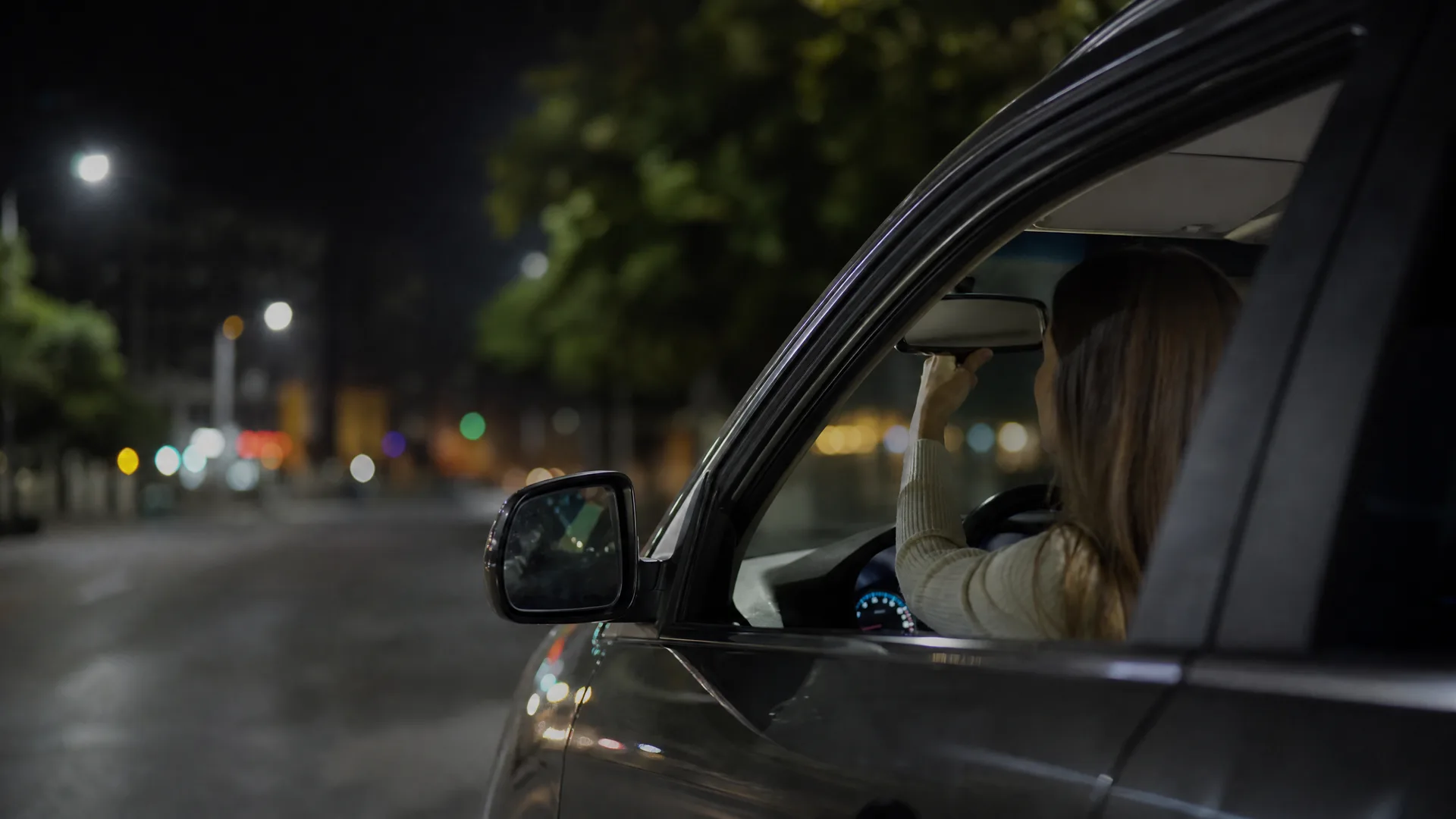
Washington DUI Reinstatement: Court vs DMV Clearance Timing
Free to compare
Why Your Court Clearance Doesn't Automatically Reinstate Your Washington License
Washington operates two separate DUI suspension systems that run on independent timelines. The court imposes criminal penalties and tracks your completion of sentencing requirements like community service, fines, and DUI education classes. The Department of Licensing (DOL) administers the administrative suspension triggered by your BAC test or refusal under implied consent law (RCW 46.20.308). Completing your court obligations does not automatically notify DOL that you are eligible for reinstatement.
Most college students assume that once the judge signs off on their completion paperwork, their driving privileges restore automatically. That assumption costs 30-45 days. The court clerk must manually transmit your completion status to DOL's Driver Records Division, and DOL processes that notification in batches. Until DOL receives and posts the court clearance to your driver record, your reinstatement application will be rejected even if you have paid all fees and obtained SR-22 insurance.
This dual-track system creates three common failure points for Washington college students reinstating after a DUI. You complete court requirements but miss the separate DOL administrative suspension period. You file for reinstatement before DOL receives court clearance. You install an ignition interlock device but don't submit the DOL-required IID provider certificate. Each mistake restarts the timeline.

The Specific Documents DOL Requires Before Processing Your Reinstatement
Washington DOL will not process your reinstatement application until your driver record shows completion of four distinct requirements, each verified by a separate agency or vendor. Court clearance is only one of the four. You must also provide proof of SR-22 insurance filing from a licensed Washington carrier, a certificate of ignition interlock device installation from a DOL-approved IID provider, and completion documentation from a DOL-approved Alcohol/Drug Information School or treatment program.
The IID installation requirement trips up college students most often. Washington requires ignition interlock installation for all DUI-related reinstatements under RCW 46.20.720, and the device must remain installed for a period that varies by your BAC level and conviction count. If this is your first DUI with a BAC under 0.15, the IID period is typically one year from reinstatement. If your BAC was 0.15 or higher, or this is a second offense, the period extends to two years or more. The IID provider must submit installation verification directly to DOL. You cannot submit this yourself, and DOL will not accept a receipt or invoice as proof.
SR-22 insurance filing is required for three years from your conviction date. Your carrier files the SR-22 certificate electronically with DOL, but it can take 3-5 business days for the filing to post to your driver record after your policy activates. If you apply for reinstatement before the SR-22 posts, DOL will reject your application and you will need to resubmit after the filing appears in their system.


How the Ignition Interlock License Works While You Wait for Full Reinstatement
Washington replaced traditional occupational or hardship licenses with the Ignition Interlock License (IIL) system for DUI suspensions. The IIL allows you to drive anywhere at any time, with no route or time-of-day restrictions, as long as you are operating a vehicle equipped with a DOL-approved ignition interlock device. This is a critical difference from the old system: you are not limited to school, work, and medical appointments. You can drive to social events, grocery shopping, or weekend trips, but only in an IID-equipped vehicle.
You can apply for an IIL immediately after your DUI suspension begins in most cases, particularly if your suspension was triggered by a BAC test failure rather than a refusal. The application fee is $100, and you must provide proof of IID installation and SR-22 insurance at the time of application. If your suspension was triggered by refusing the breath test, you face a longer administrative suspension period before IIL eligibility, typically one year. Most first-offense test-failure cases allow IIL eligibility from day one.
The IIL remains in effect throughout your required IID installation period, which runs concurrently with your SR-22 filing requirement but on a different timeline. Once your IID installation period ends and your provider notifies DOL that the device has been removed, you can apply for full license reinstatement. At that point you still owe the remainder of your three-year SR-22 filing period, but you no longer need the interlock device. Missing this timing coordination is common: students assume SR-22 ends when the IID comes out, or that the IID can be removed once SR-22 is filed. Neither is correct.
The Court-to-DOL Notification Gap College Students Miss Most Often
When you complete your court-ordered DUI requirements, the court clerk is responsible for notifying DOL that you have satisfied sentencing conditions. This notification is not automatic and does not happen the day you finish your last requirement. Court clerks batch-transmit completion records to DOL weekly or biweekly depending on county caseload. Once transmitted, DOL processes the records and posts them to individual driver files in another 10-15 business days. The total gap between your completion date and the date DOL's system shows you as court-compliant is typically 30-45 days.
College students planning around academic calendars consistently underestimate this gap. You finish community service and your last DUI class two weeks before fall quarter starts, assuming you can reinstate immediately and drive back to campus. You apply for reinstatement, pay the $75 fee, and receive a rejection notice because DOL's system still shows pending court requirements. You have now lost two weeks and need to reapply, which triggers another processing cycle.
The solution is to verify court clearance has posted to your DOL driver record before submitting your reinstatement application. You can check your driver record status online through the Washington DOL website or by calling the Driver Records Division directly. If court clearance has not posted yet, wait until it does. Applying early does not reserve your place in line or accelerate processing. It wastes your time and creates confusion in your record.

Line Up Coverage Before Your License Comes Back
Get Back on the Road
What Happens If You Drive on a Suspended License While Waiting for Clearance
Driving on a suspended license in Washington is a criminal offense under RCW 46.20.342, classified as a misdemeanor for first and second violations. Conviction carries mandatory penalties including jail time (up to 90 days for a first offense, up to one year for subsequent offenses), additional fines, and an extended suspension period. If you are stopped driving while your DUI suspension is still active, even if you have completed all court requirements and are waiting only for DOL processing, you will be charged.
College students frequently rationalize short trips during the clearance gap, particularly if they need to return to campus for orientation, job training, or housing deadlines. The risk calculation is simple: a single traffic stop during this window converts a procedural delay into a new criminal charge that extends your suspension by months and creates a second conviction on your record. Insurance carriers view a driving-while-suspended charge as a higher risk factor than the original DUI in many cases, which raises your SR-22 premium significantly when you do reinstate.
If you absolutely must drive during the clearance gap, the only legal option is the Ignition Interlock License. The IIL application process takes 7-10 business days from submission to approval, but once approved you are legally authorized to drive any IID-equipped vehicle without route or time restrictions. Students who need to return to campus before full reinstatement posts should apply for the IIL at the beginning of their suspension period, not as a last-minute solution.

How to Coordinate SR-22 Filing with Your College Student Budget
SR-22 filing adds approximately $85-$140 per month to your insurance premium in Washington, depending on your age, county, and whether you own a vehicle. College students often face the worst rate impact because carriers price young drivers in the high-risk pool more aggressively than older drivers with similar violations. If you do not currently own a vehicle, non-owner SR-22 policies cost significantly less than standard policies, typically $40-$70 per month, because they provide liability coverage only and do not insure a specific vehicle.
Non-owner SR-22 is the correct product for college students living on campus without a car, students who rely on public transit or rideshare, and students whose vehicle is titled in a parent's name. The non-owner policy satisfies Washington's SR-22 filing requirement and allows you to drive any vehicle you have permission to use, including rental cars and vehicles borrowed from friends or family. You cannot use a non-owner policy if you live in a household with a registered vehicle, because the state assumes regular access.
SR-22 filing is continuous, meaning your coverage cannot lapse at any point during the three-year filing period. If your policy cancels for non-payment or you switch carriers without maintaining continuous coverage, your current carrier notifies DOL electronically and your license is re-suspended immediately. Reinstatement after an SR-22 lapse requires paying the $75 reinstatement fee again, filing new SR-22 proof, and waiting for DOL to process the reinstatement. Students on tight budgets should prioritize SR-22 payment over discretionary expenses to avoid this cycle.
When Court and DOL Clearances Are Finally Synchronized
Once DOL's system shows court clearance, SR-22 filing, IID installation, and DUI program completion all as satisfied, you can submit your reinstatement application. The application requires the $75 reinstatement fee, which you can pay online, by mail, or in person at any DOL licensing office. Processing takes 5-10 business days from the date DOL receives your payment, assuming no additional holds or errors in your record.
You will not receive a new physical license immediately upon reinstatement. Washington issues an interim driving permit that allows you to drive legally while your permanent license is produced and mailed. The interim permit is valid for 60 days and serves as proof of licensure if you are stopped. Your permanent license arrives by mail within 2-3 weeks in most cases. If you have moved since your suspension began, update your address with DOL before applying for reinstatement to ensure the license reaches you.
After reinstatement, your SR-22 filing obligation continues for the remainder of the three-year period measured from your conviction date, not your reinstatement date. If you were convicted in January 2023 and reinstated in September 2024, you owe SR-22 filing until January 2026. Your ignition interlock period is separate and measured from your reinstatement date, so coordinate with your IID provider to understand when removal is legally permitted. Removing the device early triggers a violation and re-suspension.
Frequently Asked Questions
Can I apply for Washington reinstatement before my court clearance posts to DOL?
No. DOL will reject your reinstatement application if their system does not show court clearance, even if you have completed all court requirements and have documentation proving it. Court clerks transmit completion records to DOL in batches, which creates a 30-45 day gap between your completion date and the date DOL posts clearance to your record. Verify clearance has posted by checking your driver record online or calling DOL before submitting your application.
How long does Washington require SR-22 filing after a DUI reinstatement?
Washington requires SR-22 insurance filing for three years from your DUI conviction date, not from your reinstatement date. If you were convicted in March 2023 and reinstated in October 2024, you owe SR-22 filing until March 2026. The ignition interlock device period is separate and measured from your reinstatement date, so the two requirements run on different timelines.
What is the difference between an Ignition Interlock License and full reinstatement in Washington?
An Ignition Interlock License allows you to drive anywhere at any time with no route or time restrictions, but only in a vehicle equipped with a DOL-approved ignition interlock device. Full reinstatement removes the IID requirement and allows you to drive any vehicle, but you still must maintain SR-22 insurance for the remainder of your three-year filing period. The IIL is available immediately after suspension in most first-offense cases; full reinstatement requires completing your IID installation period.
Can I use a non-owner SR-22 policy if I don't have a car in Washington?
Yes. Non-owner SR-22 policies satisfy Washington's filing requirement and cost significantly less than standard policies, typically $40-$70 per month. They provide liability coverage when you drive vehicles you do not own, including rentals and borrowed cars. You cannot use a non-owner policy if you live in a household with a registered vehicle, because the state assumes regular access to that vehicle.
What happens if my SR-22 insurance lapses during the three-year filing period?
Your carrier notifies DOL electronically the day your policy cancels, and DOL re-suspends your license immediately. Reinstatement after an SR-22 lapse requires paying the $75 reinstatement fee again, filing new SR-22 proof of insurance, and waiting for DOL to process the reinstatement. There is no grace period. Maintaining continuous SR-22 coverage for the full three-year period is mandatory.
How do I verify that court clearance has posted to my Washington DOL record?
Check your driver record status online through the Washington DOL website or call the Driver Records Division directly at the number listed on the DOL licensing services page. Court clearance appears as a status update in the administrative actions section of your record. If it has not posted yet, wait until it does before submitting your reinstatement application to avoid rejection and processing delays.
Can I remove my ignition interlock device as soon as I reinstate my license?
No. Washington requires ignition interlock installation for a period measured from your reinstatement date, typically one year for a first DUI with BAC under 0.15, or two years or more for higher BAC levels or repeat offenses. Your IID provider must notify DOL when the required period ends before you can legally remove the device. Removing it early triggers a violation and immediate re-suspension.
Related Articles

WA DUI Reinstatement: Court Clearance & DMV Timing
5/3/2026
DC DUI Reinstatement Timing: Court vs DMV Clearance
5/3/2026
WA CDL Reinstatement After DUI: Court & DOL Timing
5/3/2026
WA DUI Reinstatement for Rideshare: Court & DOL Timing
5/3/2026
WA Insurance Lapse Reinstatement: Court & DOL Timing
5/3/2026

WA Unpaid Tickets: Court Clearance vs. DOL Timing Gap
5/3/2026