
Vermont DUI Reinstatement for Rideshare Drivers: SR-22 Timing
Free to compare
Why Vermont's Interlock Removal Date Controls Your TNC Approval Window
Vermont requires ignition interlock device installation for all first-offense DUI convictions with BAC ≥0.08%, and the device must remain installed for a minimum of six months from your reinstatement date. You can file SR-22 and reinstate your license as soon as your suspension period ends, but Uber and Lyft run continuous background monitoring that flags active IID requirements as disqualifying violations.
The documentation gap appears because Vermont DMV issues a fully valid operator's license at reinstatement—your plastic license shows no restriction or notation about the interlock device. Rideshare platforms don't check your physical license; they pull your driving record directly from the state database, where the IID requirement remains active and visible until your removal date. Most drivers discover the block only after completing onboarding and attempting to go online for the first time.
Your SR-22 filing must remain active for three years from your reinstatement date under Vermont statute Title 23 VSA §4116, but the interlock requirement operates on a separate timeline that starts the day DMV processes your reinstatement. Filing SR-22 earlier does not accelerate your IID removal eligibility—the six-month period is mandatory and non-waivable for first offenses.
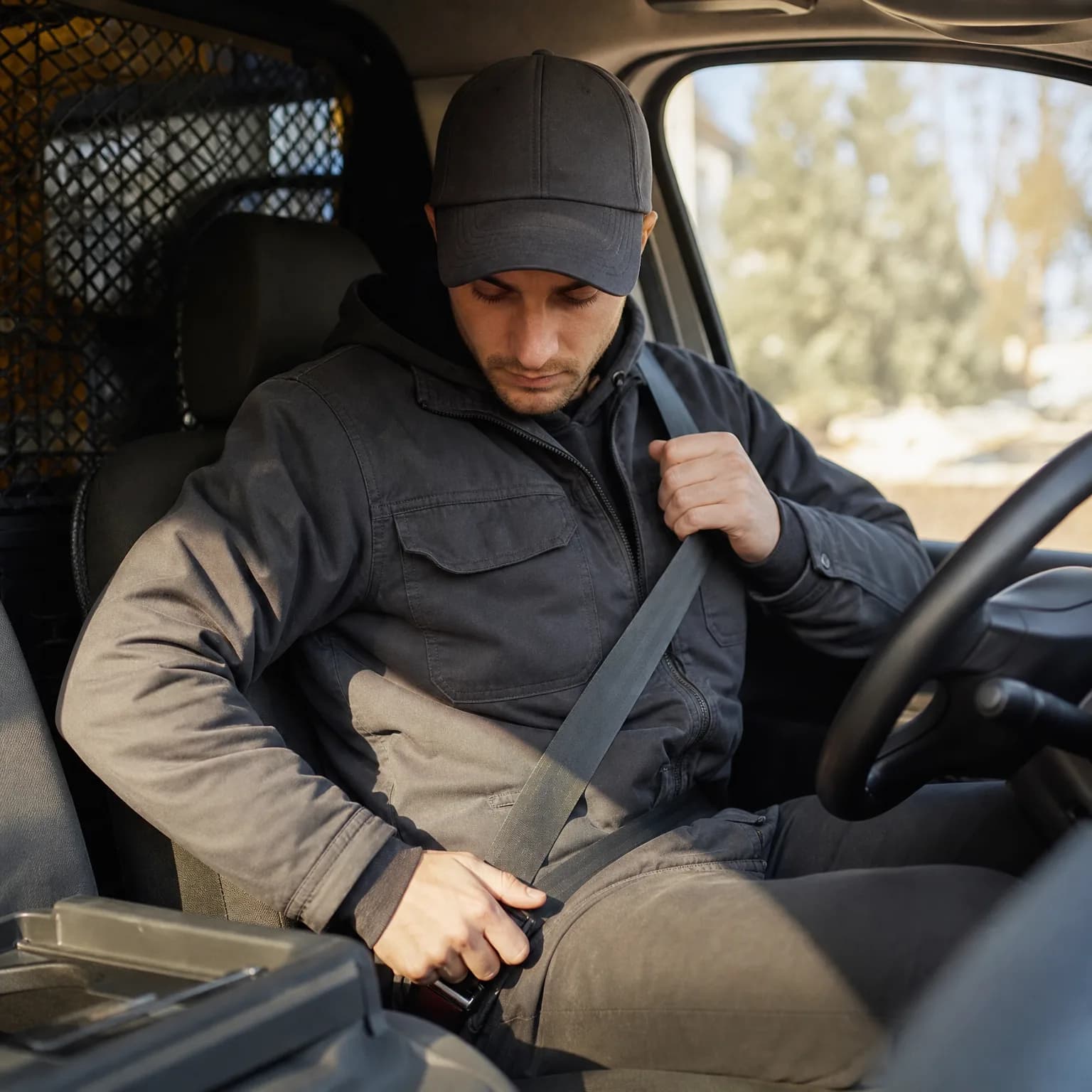
What Happens When You File SR-22 Before Interlock Removal in Vermont
Vermont accepts SR-22 filing on the same day you apply for reinstatement. Most carriers issue the SR-22 certificate within 24 hours and transmit it electronically to Vermont DMV. You pay the $186 reinstatement fee, receive your license, and assume you're clear to drive for income—but the TNC background check returns a hard rejection because your MVR still shows an active IID mandate.
The rejection notice typically states "driving privileges restricted" or "special equipment required," which confuses drivers who hold a full unrestricted license. The issue is not your license class or your SR-22 status—it's the administrative flag in Vermont's driver database that marks you as subject to interlock monitoring. This flag does not clear until your IID service provider submits final removal verification to DMV, which happens only after your six-month compliance period ends and you schedule a removal appointment.
Appealing the TNC decision accomplishes nothing during this window. Uber and Lyft do not grant exceptions for active IID requirements regardless of how long you've been compliant or whether you've completed all other reinstatement conditions. The platforms treat interlock mandates as binary disqualifiers until the requirement fully terminates in the state system.


How to Coordinate SR-22 Filing With Your IID Removal Date
You cannot avoid the six-month interlock period, but you can time your SR-22 filing and TNC application to minimize the gap between reinstatement and platform approval. The optimal sequence is: complete your suspension period, file SR-22 and reinstate immediately, begin your six-month IID compliance period, and apply to rideshare platforms only after your removal appointment is scheduled and your provider has confirmed they will submit removal verification to DMV within 48 hours.
Vermont requires monthly IID monitoring reports throughout your compliance period. Missing a single monitoring appointment or violating lockout parameters—failed breath tests, circumvention attempts, missed rolling retests—can extend your IID requirement by 30 to 90 days or trigger full license re-suspension. Track your compliance calendar carefully: your removal eligibility date is exactly six months from your reinstatement date, not from the date you installed the device or the date of your conviction.
Once your IID provider submits removal verification, Vermont DMV typically updates your driving record within three to five business days. Request a certified copy of your MVR from Vermont DMV after removal to confirm the IID flag has cleared before submitting your TNC application. The $25 MVR fee is refundable against wasted onboarding time if you apply prematurely and face rejection.

Line Up Coverage Before Your License Comes Back
Get Back on the RoadNon-Owner SR-22 Options for Rideshare Drivers Without Personal Vehicles
Many rideshare drivers do not own a personal vehicle and rent through TNC rental partners like Hertz or HyreCar. Vermont accepts non-owner SR-22 policies to satisfy reinstatement requirements, but you must maintain continuous coverage for the full three-year filing period even if you never drive outside of rideshare platform hours.
Non-owner policies provide liability coverage when you drive vehicles you do not own. Monthly premiums for non-owner SR-22 in Vermont with a DUI conviction typically run $95 to $155 per month depending on your age, violation details, and coverage limits. This is substantially lower than standard auto policies post-DUI, which average $220 to $340 monthly in Vermont for drivers under 35 with recent alcohol violations.
If you later purchase a vehicle or switch to a personal car for rideshare driving, you must convert your non-owner policy to a standard auto policy and notify your carrier immediately. Failing to update your policy type creates a coverage gap that can trigger SR-22 lapse notification to Vermont DMV, which results in immediate license re-suspension. Your carrier will not proactively remind you of this requirement—you are responsible for reporting vehicle acquisition within 30 days.

What SR-22 Lapse Does to Your Rideshare Reinstatement Timeline
Vermont DMV receives electronic notification within 24 hours when your SR-22 policy lapses due to non-payment or cancellation. The state suspends your license immediately with no grace period and no advance warning letter. You lose your rideshare platform approval the same day because TNCs run continuous MVR monitoring and automatically deactivate drivers whose licenses enter suspended status.
Reinstatement after SR-22 lapse requires filing a new SR-22 certificate, paying a $186 re-reinstatement fee, and restarting your three-year SR-22 filing period from the new reinstatement date—not from your original conviction date. If the lapse occurs during your six-month interlock period, Vermont may extend your IID requirement or mandate a new compliance period depending on how long your license remained suspended.
Preventing lapse is simpler than recovering from it. Set up automatic payment with your carrier and request email confirmation each month when your SR-22 policy renews. If you need to switch carriers, overlap coverage by at least three business days to ensure the new SR-22 posts to Vermont DMV before the old policy cancels. Gaps of even one day trigger the lapse-suspension sequence.

How to Handle TNC Background Check Delays After IID Removal
Even after your IID requirement clears from Vermont's system, rideshare background checks can take seven to fourteen days to reflect the update. Uber and Lyft use third-party screening vendors—Checkr for Uber, Sterling for Lyft—that pull MVR data on a delayed cycle, not in real time. Applying the day after your IID removal often results in rejection because the vendor's database has not yet synced with Vermont DMV's updated records.
Request a certified MVR from Vermont DMV showing your IID requirement as terminated before you submit your TNC application. Upload this document proactively during the application process in the "additional documentation" section if the platform allows it. If you receive a rejection after IID removal, dispute the decision through the platform's support channel and attach your certified MVR as evidence. Most disputes resolve within 48 to 72 hours when you provide state-issued proof that contradicts the background check findings.
Vermont statute requires DMV to maintain accurate real-time records, but third-party vendors operate on batch update schedules that can lag by up to two weeks. The lag is not Vermont DMV's fault and not your carrier's fault—it is an artifact of how commercial background check companies refresh their databases. Waiting an extra week after IID removal before applying saves you a dispute cycle and accelerates your actual start date.
Frequently Asked Questions
Can I drive for Uber in Vermont immediately after reinstating my license following a DUI?
No. Vermont requires a six-month ignition interlock device compliance period for DUI convictions, and rideshare platforms reject drivers with active IID requirements. You can reinstate your license and file SR-22 right away, but you cannot pass TNC background checks until your IID removal date and the state updates your driving record to remove the device mandate.
Does Vermont require SR-22 filing for the entire time I have an ignition interlock device installed?
Vermont requires SR-22 for three years from your reinstatement date, and the interlock device for six months minimum from reinstatement. The SR-22 period is longer and continues well after your IID is removed. Both requirements run simultaneously but on different timelines with different end dates.
What happens if my SR-22 insurance lapses while I'm driving for Lyft in Vermont?
Vermont DMV suspends your license immediately when your SR-22 lapses, and Lyft deactivates your account within 24 hours through continuous background monitoring. Reinstatement requires a new SR-22 filing, a $186 fee, and restarts your three-year filing period from the new reinstatement date.
Can I use a non-owner SR-22 policy if I rent a car through a rideshare rental program in Vermont?
Yes. Vermont accepts non-owner SR-22 policies for reinstatement even if you never own a vehicle. Non-owner policies cost approximately $95 to $155 per month with a DUI conviction and cover you when driving rented or borrowed vehicles, including TNC rental fleet cars.
How long does it take for Vermont DMV to update my record after my interlock device is removed?
Vermont DMV typically updates your driving record within three to five business days after your IID provider submits removal verification. Third-party background check companies used by rideshare platforms may take an additional seven to fourteen days to sync their databases, so expect up to three weeks total before your TNC application clears.
Will Uber or Lyft make an exception if I've been compliant with my interlock device for five months?
No. Rideshare platforms treat active ignition interlock requirements as automatic disqualifiers with no exceptions for partial compliance or time served. Appeals are denied until the IID mandate fully terminates in Vermont's state database and your MVR reflects the removal.
Related Articles

Vermont DUI Rideshare Reinstatement: Court-DMV Gap
5/3/2026

Idaho DUI SR-22 for Rideshare: IID Timing & Lapse Gaps
5/3/2026

Vermont DUI Reinstatement Costs for Rideshare Drivers
5/3/2026

NH DUI Reinstatement for Rideshare Drivers: SR-22 Timing
5/3/2026

RI DUI Reinstatement for Rideshare Drivers: SR-22 Timing
5/3/2026

Montana DUI Reinstatement for Rideshare: SR-22 Timing
5/3/2026