
Reinstating a DUI Suspension in Vermont: Real Cost Breakdown
Free to compare
Vermont Runs Two Parallel DUI Suspension Tracks, Each With Its Own Fee Structure
Vermont imposes both a civil administrative suspension through the DMV and a separate criminal suspension through Superior Court after a DUI arrest. You cannot reinstate your license by satisfying just one track—both must be resolved independently before you regain full driving privileges.
The civil suspension triggers automatically under 23 V.S.A. § 1205 when you refuse a breath test (6-month suspension for first offense) or fail the test (90-day suspension for first offense). The criminal suspension comes from your court conviction under 23 V.S.A. § 674. Each pathway requires separate documentation, separate fees, and separate SR-22 filings if you're seeking early reinstatement through a Civil Suspension License.
Most college students pay the $71 DMV reinstatement fee after completing court-mandated DUI education, assuming they're done. Then they discover the civil suspension hasn't been addressed—adding another $71 charge, SR-22 filing fees, and potential court petition costs they never budgeted for. The dual-track system creates a cost stack aggregators don't warn you about because they treat Vermont like a single-pathway state.
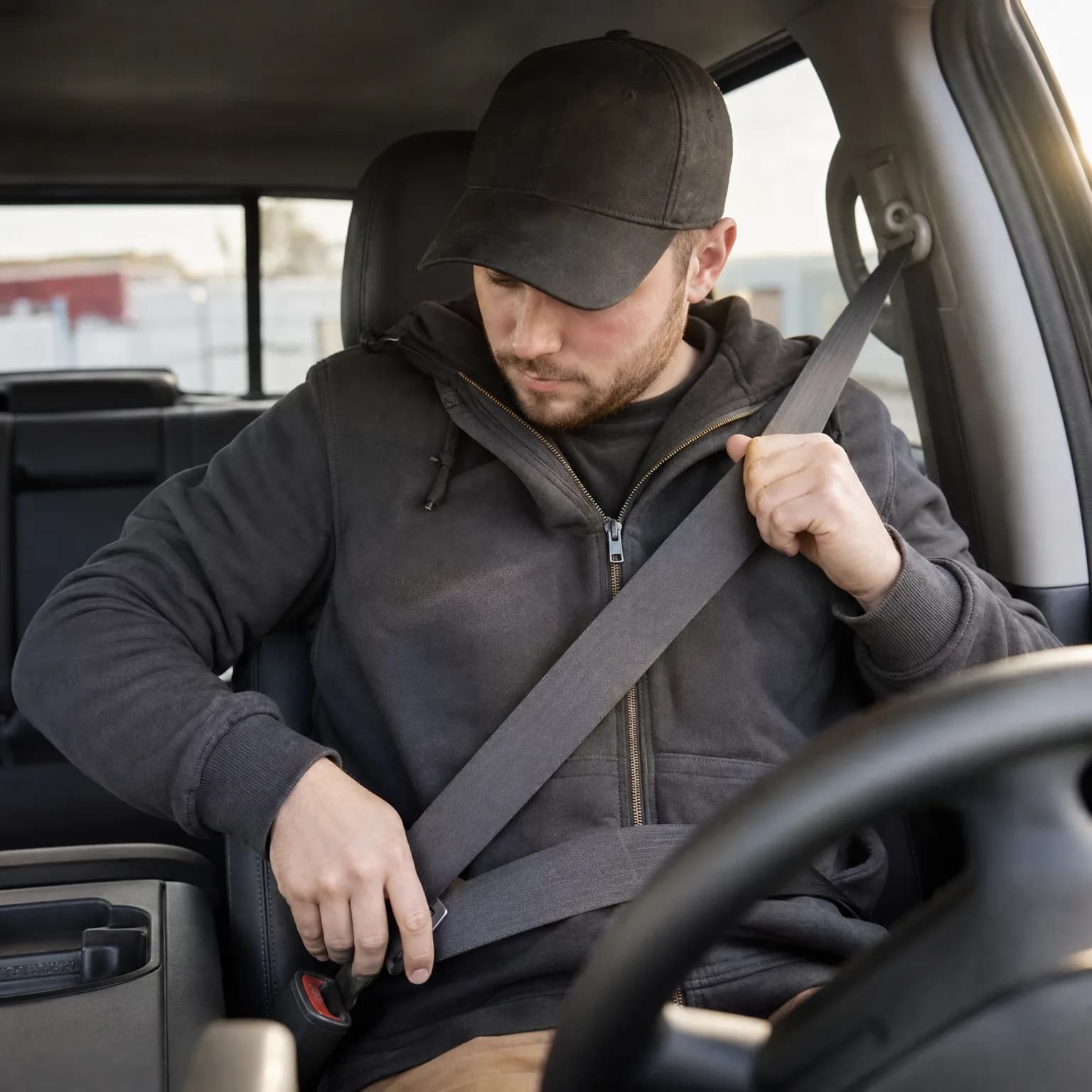
What You'll Actually Pay to Reinstate After a First-Offense DUI in Vermont
Start with the $71 base reinstatement fee the Vermont DMV charges to restore your license after the suspension period ends. This fee applies to both the civil and criminal suspension tracks, so if you're resolving both simultaneously, expect $142 in DMV charges alone.
SR-22 filing adds $15-$35 per year depending on your carrier, and Vermont requires the filing for 3 years from your reinstatement date. Over the full compliance period, SR-22 filing costs $45-$105. Your actual liability insurance premium will increase significantly—Vermont high-risk drivers typically pay $140-$190/month for minimum liability coverage after a DUI, compared to $85-$110/month for clean-record drivers. Over the 3-year SR-22 period, you're looking at roughly $2,000-$3,500 in elevated premiums.
If you're seeking early reinstatement through a Civil Suspension License (Vermont's hardship license equivalent), add court filing fees. Vermont Superior Court charges vary by county, but petition fees typically range $50-$150. You'll also need to prove hardship with documentation—employer affidavits, school enrollment verification, or medical necessity letters—which may require notarization or attorney assistance.
Ignition interlock device installation is mandatory for DUI reinstatement in Vermont under 23 V.S.A. § 1213. Installation runs $75-$150, monthly monitoring fees are $60-$90, and removal costs another $50-$75. For a first-offense DUI with a 90-day hard suspension followed by interlock-restricted driving, total IID costs over 12-18 months range $900-$1,700. Vermont won't accept your SR-22 filing until your IID provider submits installation verification to the DMV, so coordinate the timing or you'll delay your reinstatement by weeks.


How the Civil Suspension License Works for College Students Still Enrolled
Vermont's Civil Suspension License allows limited driving during your suspension period for employment, education, medical care, and essential household needs. The license is court-granted, not DMV-issued—you petition Vermont Superior Court under 23 V.S.A. § 674, not the DMV directly.
For a first-offense DUI, Vermont imposes a mandatory 90-day hard suspension before you're eligible to petition for a Civil Suspension License. You cannot drive at all during this period, even to class or work. After 90 days, you can file a hardship petition with the court, but approval is not automatic—you must prove specific need and demonstrate compliance with all court-ordered DUI education, treatment, and ignition interlock installation.
The court defines your allowed routes, hours, and purposes. Most judges approve education-related driving for enrolled college students, but you'll need to submit your class schedule, campus address, and any off-campus internship or work-study documentation. The court will not grant open driving privileges—expect restrictions like "residence to campus, Monday-Friday 8am-6pm only" or similar narrow windows.
Violating your Civil Suspension License terms triggers automatic revocation and extends your full suspension period. Vermont DMV does not offer grace periods or warnings—drive outside your approved hours or routes once and you're back to zero driving privileges. Most students lose their hardship license by stopping at a convenience store between campus and home, assuming "on the way" counts as permitted. It does not.

Line Up Coverage Before Your License Comes Back
Get Back on the RoadSR-22 Filing Timing Matters More Than Most Carriers Tell You
Vermont requires SR-22 filing for DUI-related reinstatements, and the 3-year compliance period starts from your reinstatement date, not your conviction date or suspension start date. If you file SR-22 too early—before completing your hard suspension and court requirements—the clock doesn't start, and you may end up paying for an extra year of high-risk premiums without realizing it.
The best timing: file SR-22 immediately before your DMV reinstatement appointment, once all court compliance milestones are complete and your IID installation verification has posted to the DMV system. This ensures the 3-year clock starts the day you regain legal driving privileges, not months earlier while you're still suspended.
Some carriers push immediate SR-22 filing at policy purchase, framing it as a required first step. That approach costs you money. Vermont DMV won't process your reinstatement until your court clearance, IID verification, and SR-22 all show active compliance simultaneously—filing one component early doesn't shorten the overall timeline, it just extends the period you're paying elevated premiums.
If your carrier lapses or cancels your SR-22 filing at any point during the 3-year period, Vermont DMV suspends your license again immediately and restarts the clock. Most students switch carriers mid-compliance to save money without confirming the new carrier filed SR-22 correctly—creating a gap that triggers re-suspension even if you maintained continuous liability coverage. Confirm your new carrier filed the SR-22 with Vermont DMV before canceling your old policy.

What Happens If You Miss a Court Deadline or IID Monitoring Appointment
Vermont's DUI reinstatement process involves multiple agencies—Superior Court, DMV, your IID provider, and your insurance carrier—with separate deadlines that don't sync automatically. Missing one milestone doesn't just delay that component, it can reset your entire timeline or trigger new penalties.
If you miss a required DUI education class or treatment session ordered by the court, your criminal case compliance resets and the court notifies DMV to extend your suspension. You'll need to petition the court for reinstatement of your hardship license eligibility, which adds court appearance time and potentially another petition fee. Most judges require you to restart the education program from the beginning, not just make up the missed session.
IID monitoring appointments are monthly or bi-monthly depending on your device provider. Miss one appointment and your provider reports the violation to Vermont DMV within 48 hours. Your Civil Suspension License is revoked immediately, and you cannot petition for reinstatement until you've completed the full remaining suspension period without any driving privileges.
If you're enrolled in college out-of-state but your DUI occurred in Vermont, coordinate your IID monitoring and court check-ins carefully. Vermont does not allow remote compliance for DUI-related suspensions—you must return to Vermont for in-person IID calibration, court appearances, and DMV reinstatement processing. Budget travel costs and plan academic calendar gaps around these requirements or you'll miss deadlines that extend your suspension by months.

How to Get Back on the Road Without Owning a Vehicle
Many college students don't own a car but still need to satisfy Vermont's SR-22 requirement to reinstate their license. A non-owner SR-22 policy provides the state-mandated liability coverage and SR-22 filing without insuring a specific vehicle.
Non-owner policies in Vermont typically cost $45-$75/month for drivers with a DUI on record, significantly less than standard auto policies. The coverage follows you as a driver, not a specific car—meaning you're covered when you borrow a friend's vehicle, rent a car, or use a campus car-share program.
Vermont DMV accepts non-owner SR-22 filings for license reinstatement as long as the policy meets the state's minimum liability limits: 25/50/10 (meaning $25,000 per person for bodily injury, $50,000 per accident for bodily injury, and $10,000 for property damage). Most non-owner policies automatically include these minimums, but confirm before purchasing.
If you later buy or register a vehicle in Vermont, you must switch from a non-owner policy to a standard auto policy and ensure the new carrier files SR-22 with the DMV before canceling your non-owner coverage. A gap of even one day between policies triggers automatic license suspension and restarts your 3-year SR-22 compliance clock.
Frequently Asked Questions
Can I get a Civil Suspension License in Vermont if I'm enrolled in college out-of-state?
Yes, but you must return to Vermont for your court petition hearing, IID installation, and all monitoring appointments. Vermont does not allow remote compliance for DUI-related hardship licenses. You'll need to submit proof of out-of-state enrollment and demonstrate that limited Vermont driving is necessary for periodic travel home or family obligations.
Does Vermont require SR-22 for the full suspension period or just after reinstatement?
Vermont requires SR-22 filing for 3 years starting from your reinstatement date, not your conviction or suspension start date. If you file SR-22 early while still suspended, the compliance clock doesn't start until you regain legal driving privileges. Time the filing to coincide with your reinstatement appointment to avoid paying for extra months of high-risk premiums.
What happens if my SR-22 lapses during my 3-year compliance period in Vermont?
Vermont DMV suspends your license immediately and restarts the 3-year SR-22 compliance clock from zero. Even a one-day gap between carriers triggers re-suspension. Always confirm your new carrier has filed SR-22 with Vermont DMV before canceling your old policy.
Can I use a non-owner SR-22 policy to reinstate my Vermont license if I don't have a car?
Yes. Vermont DMV accepts non-owner SR-22 policies for reinstatement as long as the policy meets the state's 25/50/10 minimum liability limits. Non-owner policies cost $45-$75/month for DUI drivers and provide coverage when you borrow or rent vehicles.
How long is the hard suspension period before I can apply for a Civil Suspension License in Vermont?
Vermont imposes a mandatory 90-day hard suspension for first-offense DUI before you're eligible to petition for a Civil Suspension License. You cannot drive at all during this period. Repeat offenses carry longer hard suspension periods before hardship eligibility begins.
Do I need to pay the $71 reinstatement fee twice if I have both civil and criminal DUI suspensions in Vermont?
Yes. Vermont's civil administrative suspension and criminal court suspension are separate legal processes, each requiring its own $71 DMV reinstatement fee. If you're resolving both tracks simultaneously, expect $142 in DMV charges plus separate SR-22 filings and court petition fees.
Can I get my Vermont license reinstated without installing an ignition interlock device?
No. Vermont mandates ignition interlock installation for all DUI reinstatements under 23 V.S.A. § 1213. The DMV will not accept your SR-22 filing or process your reinstatement until your IID provider submits installation verification. Expect to pay $900-$1,700 for installation, monitoring, and removal over 12-18 months.
Related Articles

Vermont Student License Reinstatement: Real Costs
5/3/2026
Vermont DUI Reinstatement Costs: SR-22 Markup Breakdown
5/3/2026

Vermont CDL DUI Reinstatement Costs: Full Fee Stack
5/3/2026

Vermont CDL DUI Reinstatement: Court & DMV Process
5/3/2026

Vermont DUI Reinstatement Costs for Rideshare Drivers
5/3/2026

Vermont DUI Reinstatement: Court vs DMV Timeline
5/3/2026