DUI Reinstatement in Utah: SR-22 Timing and Lapse Gaps for Students
Free to compare
Why Utah's Limited License Revokes Without Warning After SR-22 Lapse
Utah's Driver License Division revokes your limited license immediately when your carrier notifies them of an SR-22 lapse, with no advance warning sent to you. Most students discover the revocation only after being pulled over or attempting to use their limited license for a documented purpose like attending class.
The state uses an electronic insurance verification system that receives real-time lapse notifications from carriers. Your limited license status changes from valid to revoked within 48 hours of your carrier filing the SR-22 cancellation notice, but the DLD does not mail you a separate revocation letter before the status change takes effect.
This creates a documentation gap students rarely anticipate. You might drive to campus for three weeks after your SR-22 lapses before discovering your limited license is no longer valid. Utah Code § 41-12a-301 authorizes registration suspension for insurance lapse, and courts extend this authority to limited license revocation because the SR-22 filing is a condition of the court order granting limited driving privileges.
How Academic Calendar Gaps Trigger SR-22 Lapse for College Students
Most Utah college students lose SR-22 coverage during semester transitions when they change their campus address, switch from a parent's policy to their own, or temporarily move home between academic terms. Each of these events creates a gap where the old SR-22 cancels before the new one files.
Your carrier files an SR-22 cancellation notice with the DLD when you request a policy change, move to a different address requiring policy rewrite, or transfer coverage from a parent's policy to your own name. The new carrier files a new SR-22 when your policy activates, but these two events rarely occur on the same day. The gap between cancellation and new filing is what revokes your limited license.
Utah requires continuous SR-22 coverage for three years from your DUI conviction date under state statute. A single-day lapse restarts the three-year clock and triggers immediate limited license revocation. Students moving from Provo to Salt Lake City for an internship, switching from their parents' Orem address to an on-campus dorm in Logan, or transferring from a family policy to their own renter's policy all face the same lapse risk if they don't coordinate SR-22 filing timing with their carrier before making the change.

What Documentation the Court Requires to Prove You Didn't Drive During the Lapse
When you petition the court to reinstate your limited license after an SR-22 lapse, the judge will require documentation proving you did not operate a vehicle during the lapse period. Most students assume their word is sufficient. It is not.
Acceptable documentation includes: a signed affidavit from your employer or academic advisor confirming your work or class attendance schedule with corresponding public transit receipts, Uber or Lyft ride history showing you used rideshare for all travel during the gap, or timestamped parking lot entry logs from your apartment complex showing your vehicle remained parked continuously. The court does not accept retroactive statements from friends or family.
Utah courts exercise broad discretion in limited license petitions because the limited license program is entirely court-controlled, not DMV-administered. A judge in Salt Lake County may accept different evidence than a judge in Utah County for the same factual scenario. If you cannot provide third-party documentation of non-driving during the lapse, most judges deny the reinstatement petition and require you to serve the remaining suspension period without limited license privileges.
The $30 base reinstatement fee applies only after the court grants your petition and issues a new limited license order. If the court denies your petition, you pay the court filing fee but do not reach the DLD reinstatement step.
How to Coordinate SR-22 Filing When Switching Policies Between Semesters
Call your new carrier before canceling your current policy and request same-day SR-22 filing with an effective date matching your new policy's start date. Provide the DLD filing confirmation number from your new carrier to your old carrier before authorizing cancellation of the old SR-22.
Most carriers file SR-22 electronically within 24 hours of policy activation, but some still mail paper filings that take 5-7 business days to process. If your new carrier uses paper filing, delay your old policy cancellation until you receive written confirmation from the DLD that the new SR-22 is on file. The DLD confirmation letter includes a filing date and policy number—verify both match your new carrier's information before proceeding.
Students moving between academic housing during summer break should maintain continuous coverage even if they will not drive during the transition. A non-owner SR-22 policy costs $25-$45/month in Utah and satisfies the continuous filing requirement without requiring you to own or insure a specific vehicle. If you sell your car at the end of spring semester and won't purchase another until fall, switch to a non-owner policy rather than canceling coverage entirely.

Line Up Coverage Before Your License Comes Back
Get Back on the Road
Why Ignition Interlock Installation Timing Affects Your SR-22 Filing Window
Utah requires ignition interlock device installation for all DUI-related limited licenses, and the SR-22 filing must remain active for the entire period your IID is installed. Most students misunderstand this requirement and file SR-22 only until their limited license expires, not until their IID removal date.
Your IID provider submits installation verification to the DLD before the court will approve your limited license petition. The court order specifies an IID installation period based on your BAC level and conviction count—typically 18 months for a first offense under 0.16% BAC, longer for higher BAC or second offenses. Your SR-22 filing must continue until the IID provider submits removal verification to the DLD, plus an additional period specified in your court order.
If you remove the IID early or cancel your SR-22 before the court-ordered period ends, the DLD revokes your limited license immediately and you restart the reinstatement process from the beginning. Students who complete their DUI education classes, pay all court fees, and serve their restricted driving period still lose their limited license if they cancel SR-22 coverage before the IID removal verification processes through the DLD system.
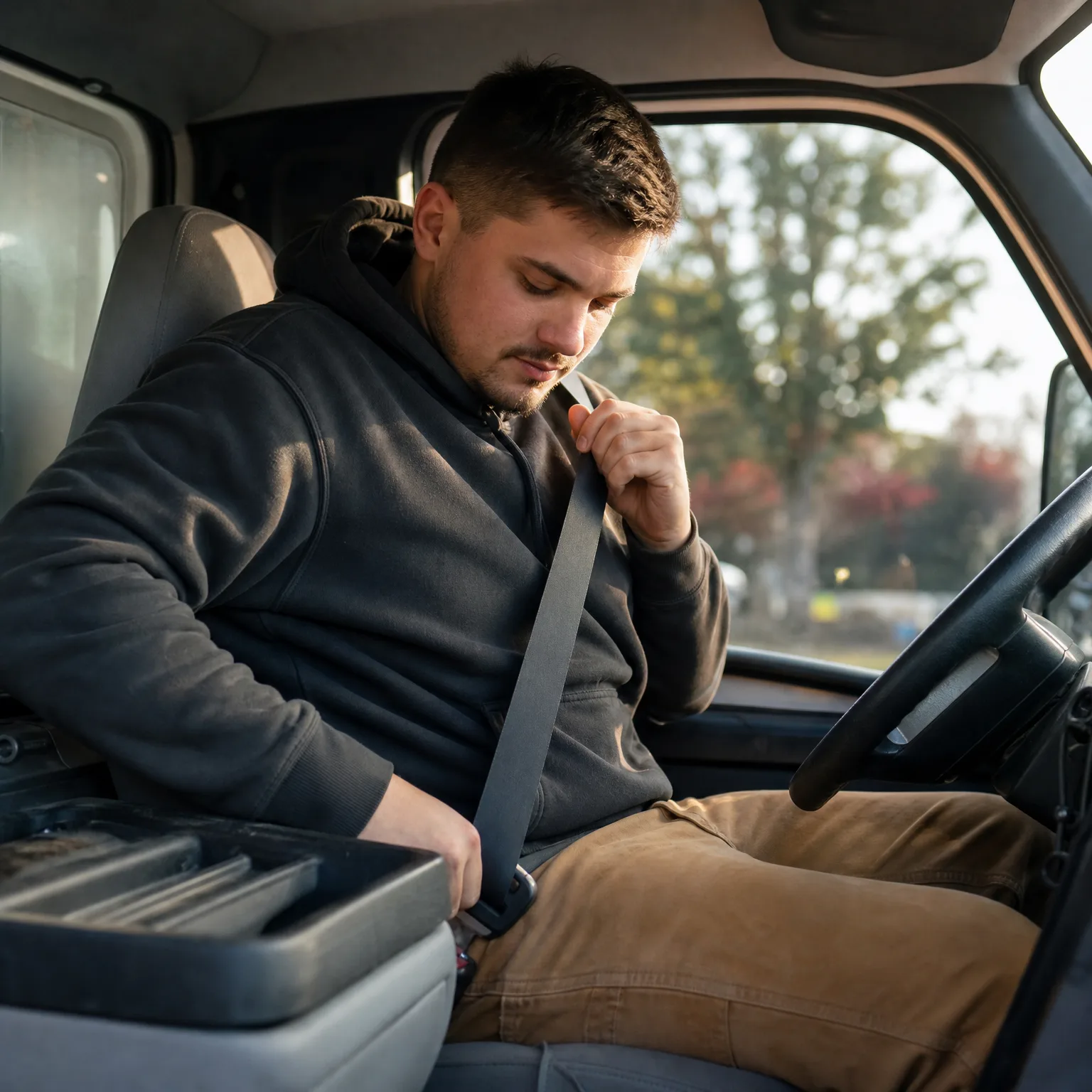
What Happens If You're Caught Driving on a Revoked Limited License
Utah treats driving on a revoked limited license as a separate criminal offense under Utah Code § 53-3-227, punishable by up to six months in jail and fines up to $1,000. The offense also extends your underlying suspension period and disqualifies you from future limited license petitions.
Most students discovered driving on a revoked limited license receive an additional 90-day suspension on top of their original DUI suspension. The court that issued your limited license will schedule a show-cause hearing to determine whether to hold you in contempt for violating the terms of the court order. Judges rarely grant second limited license petitions to drivers who violated the terms of their first one.
If you discover your SR-22 lapsed and your limited license was revoked, stop driving immediately. Contact your carrier to reinstate SR-22 coverage, obtain written confirmation of the new filing from the DLD, and file a petition with the court that issued your original limited license order. Do not assume you can continue driving until the court hearing—your limited license is not valid during the petition process.
How to Find SR-22 Coverage That Accommodates Student Address Changes
Not all carriers offer portable SR-22 policies that transfer easily between Utah addresses or from a parent's policy to your own name. Students attending college in a different county from their legal residence need a carrier that files SR-22 in Utah regardless of where the vehicle is garaged during the academic year.
Look for carriers that allow mid-term address changes without policy rewrite. Policy rewrites trigger SR-22 cancellation and refiling, creating the lapse gap that revokes your limited license. Carriers offering endorsement-based address updates file an SR-22 amendment rather than canceling and refiling, which maintains continuous coverage through the DLD's verification system.
If you're on a parent's policy and need to establish your own coverage, request overlapping effective dates. Have your new policy start on the 1st of the month and cancel your parent's policy on the 2nd, ensuring both SR-22 filings show active in the DLD system simultaneously for at least one day. The DLD's electronic verification system flags gaps, not overlaps.
Frequently Asked Questions
Can I get a limited license in Utah if I'm a college student living on campus?
Yes, Utah courts grant limited licenses to college students for essential travel including class attendance, required campus activities, and employment. Your petition must include your class schedule, campus address, and documentation of your need to drive rather than use campus transit or rideshare. Courts define essential travel narrowly, so off-campus housing and part-time work strengthen your petition more than on-campus dorm residence.
How long does SR-22 filing take to process in Utah after I buy a policy?
Electronic SR-22 filings process through the Utah Driver License Division within 24-48 hours after your carrier submits them. Paper filings take 5-7 business days. You can verify your SR-22 is on file by calling the DLD at 801-965-4437 or checking your driving record online. Do not assume filing is complete until you receive written confirmation showing your policy number and filing date.
What happens to my Utah limited license if I move to a different state for school?
Your Utah limited license is not valid in other states, and most states will not issue you a license or limited license while you hold a Utah DUI suspension. You must maintain your Utah SR-22 filing for the full three-year period even if you establish residency elsewhere for school. Some states allow you to transfer your suspension and petition for a restricted license in the new state, but this requires court approval in both jurisdictions.
Can I use my parents' car insurance for SR-22 filing in Utah?
Yes, you can be listed on your parents' policy as a covered driver with SR-22 filing, but the SR-22 must be filed in your name showing you as the certificate holder. The policy can be in your parents' names, but the SR-22 certificate itself must identify you as the person required to maintain proof of financial responsibility. If you're removed from your parents' policy or the policy cancels, your SR-22 cancels immediately.
How much does SR-22 insurance cost for a college student in Utah?
SR-22 insurance for Utah college students with a DUI typically costs $140-$220/month depending on your age, vehicle type, and county. The SR-22 filing fee itself is $15-$35, but your premium increases substantially because the DUI conviction classifies you as high-risk. Students under 25 pay higher rates than older drivers. Non-owner SR-22 policies cost $25-$45/month if you don't own a vehicle.
Does Utah require ignition interlock for all DUI limited licenses?
Yes, Utah requires ignition interlock device installation for all DUI-related limited licenses regardless of your BAC level or whether it's your first offense. The installation period varies by BAC and conviction count, typically 18 months for a first offense. Your SR-22 filing must remain active for the entire IID installation period plus any additional time specified in your court order.
What is the fastest way to reinstate my Utah license after an SR-22 lapse?
File new SR-22 coverage immediately, obtain written DLD confirmation of the filing, and petition the court that issued your original limited license for reinstatement. The court will schedule a hearing within 2-4 weeks. Bring documentation proving you did not drive during the lapse period. If the court approves your petition, pay the $30 reinstatement fee at the DLD. Total timeline is typically 3-5 weeks from petition filing to license reinstatement.
Related Articles
Utah Lapse Suspension: SR-22 Timing for College Students
5/3/2026
Utah Unpaid Tickets: SR-22 Timing for Students
5/3/2026
Utah Lapse Reinstatement Costs for College Students
5/3/2026
Utah SR-22 After Insurance Lapse: Single Parents
5/3/2026
Utah DUI Reinstatement for Single Parents: SR-22 Gaps
5/3/2026
Utah CDL Lapse Suspension: SR-22 Filing Order & Timeline
5/3/2026