Utah DUI Reinstatement Costs for College Students: Full Stack
Free to compare
Why Utah's DUI reinstatement costs hit college students hardest
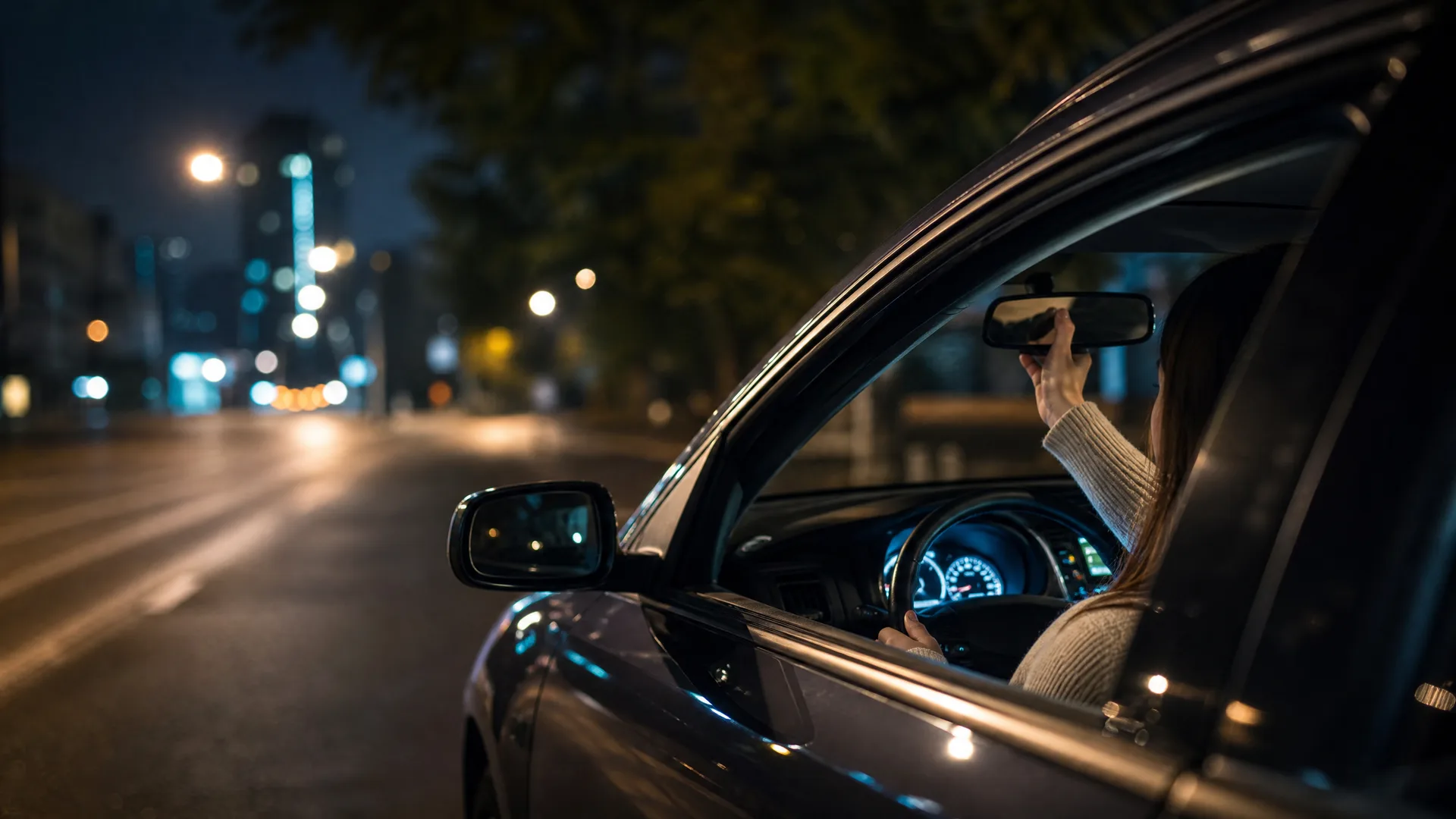
College students face the same DUI suspension rules as every other Utah driver, but the cost structure creates disproportionate financial barriers because most undergrads operate on fixed financial aid disbursement schedules that don't align with Utah's multi-stage reinstatement timeline. You complete probation in May, but you need $800-$1,200 upfront in June to file for a Limited License, install an ignition interlock device, and activate SR-22 coverage before fall semester starts.
Utah Code § 41-6a-502 sets the state's 0.05% BAC threshold, the lowest in the nation, which means more college-age drivers trigger DUI administrative suspensions from consumption levels that wouldn't register as impaired in other states. The Driver License Division (DLD) suspends your license administratively within 10 days of arrest regardless of court outcome, and that administrative track runs parallel to any criminal proceedings.
The financial pressure compounds because Utah's Limited License program routes through district court petition rather than DLD administrative application. Courts set petition fees county-by-county with no statewide published schedule, so you can't budget accurately until you file. Salt Lake County typically charges $50-$75 for the petition filing; smaller counties like Cache or Washington may charge $35-$50, but these are not statutory fixed amounts.
The four-part cost structure Utah doesn't publish as a single stack
Utah structures DUI reinstatement costs across four separate payment channels that never appear together on any single state webpage or court document. The DLD publishes the $30 reinstatement fee. The court sets the Limited License petition fee locally. Your SR-22 carrier invoices the filing fee and premium separately. The ignition interlock provider bills installation and monthly rental independently. You discover the total only after engaging all four.
Court petition filing fee: $35-$75 depending on county. This is the fee to submit your Limited License petition to district court and does not guarantee approval. Denied petitions are not refunded.
DLD reinstatement fee: $30 flat, paid when you present court-approved Limited License order and SR-22 proof to the Driver License Division to restore driving privileges.
SR-22 filing fee: $15-$35 one-time charge by the carrier to file the SR-22 certificate electronically with the DLD. This is separate from the premium and non-refundable.
SR-22 premium markup: College-age DUI drivers in Utah typically see $140-$210/mo for minimum liability coverage with SR-22 endorsement, compared to $85-$120/mo for identical coverage without SR-22. Utah requires 3-year SR-22 filing from conviction date for DUI suspensions, so total SR-22 premium impact over the filing period is $1,980-$3,240 above standard rates.
Ignition interlock device: Installation $75-$150, monthly rental $70-$90, monthly calibration $10-$20. Utah requires IID installation as a condition of Limited License approval for DUI cases. Most college students budget for installation but miss the recurring monthly cost, which runs $80-$110/mo for the duration of the Limited License period and often extends beyond it depending on BAC level and conviction count.

What the Limited License petition process actually costs in time and documentation
Utah's court-controlled Limited License system creates costs beyond filing fees because judges require documentation college students often don't maintain in usable form. You need an employer letter on company letterhead specifying work address, shift hours, and supervisor contact information. If you're asking for school-related driving privileges, you need official enrollment verification from the registrar, a course schedule showing class locations and times, and sometimes a parking permit or campus map proving the need for vehicle access.
Most petitions are denied on first submission because route documentation is incomplete. The court wants a written justification for each approved destination with specific addresses, days of the week, and time windows. Generic requests like "driving to work and school" get rejected. You need: "Monday/Wednesday/Friday 7:00-7:30 AM from 450 East 200 South, Salt Lake City to 1400 East campus, University of Utah; return 4:00-4:30 PM same route. Tuesday/Thursday 5:00-5:30 PM from residence to 3300 South workplace, return 11:00-11:30 PM."
Court processing time in Utah varies by county and judge availability. Salt Lake and Utah counties typically schedule Limited License hearings 30-45 days after petition filing. Smaller counties may process faster but have fewer hearing dates available. If your petition is denied, you refile with corrections and wait another 30-45 days, which extends your suspension period and delays your ability to reinstate for work or school commuting.
The court does not automatically notify the DLD when your Limited License is approved. You receive a signed court order, then you personally deliver that order plus proof of SR-22 filing and ignition interlock installation verification to a DLD office to complete reinstatement. This coordination gap creates a 7-14 day window most college students miss, during which they assume approval equals immediate driving privileges but are still legally suspended.
How SR-22 filing interacts with student health insurance and parental policies
College students suspended for DUI in Utah face a coverage coordination problem most insurance agents don't surface clearly. If you're listed on a parent's auto policy and that policy covers the vehicle you'll drive under your Limited License, the SR-22 certificate must be filed on the parent's policy with you listed as the driver requiring the filing. The parent's carrier will apply the SR-22 surcharge to the entire policy premium, not just your portion, which often doubles the family's total auto insurance cost.
Many college students respond by removing themselves from the parent's policy and purchasing standalone non-owner SR-22 coverage for $90-$150/mo. This satisfies Utah's financial responsibility requirement and allows Limited License reinstatement without impacting the parent's premium. The downside: if you later need to drive a family vehicle occasionally, you're not covered unless the parent's policy includes permissive-use language that extends to SR-22 drivers, which most carriers exclude after a DUI.
Utah is a no-fault state requiring $3,000 personal injury protection minimum in addition to liability coverage. Your SR-22 policy must meet both liability and PIP minimums or the DLD will reject the filing. Some budget SR-22 carriers meet liability minimums but fail to include compliant PIP, which only surfaces when you attempt reinstatement and the DLD's electronic verification system flags the deficiency.
Line Up Coverage Before Your License Comes Back
Get Back on the Road
Ignition interlock timing mistakes that reset your entire reinstatement timeline
Utah requires ignition interlock device installation before the DLD will process your Limited License reinstatement, but the court order approving your Limited License does not trigger automatic IID installation. You schedule installation separately with a state-approved provider, wait 3-7 days for the appointment, then wait another 24-48 hours for the provider to electronically submit installation verification to the DLD.
Most college students file SR-22 coverage immediately after court approval, then discover the DLD won't accept the SR-22 until IID installation verification posts to their system. The SR-22 filing sits in pending status, your coverage is active and billing, but reinstatement doesn't complete because the two requirements aren't coordinated. You're paying for coverage you can't use yet.
The correct sequence: (1) obtain court-approved Limited License order, (2) schedule and complete IID installation within 5 business days, (3) confirm installation verification posted to DLD system by calling the Driver License Division directly at 801-965-4437, (4) file SR-22 coverage with your carrier, (5) present court order, SR-22 proof, and IID verification to DLD in person to complete reinstatement. Filing SR-22 before IID verification posts adds 7-10 days to your timeline because you're waiting on backend system coordination the DLD doesn't expedite.
IID rental is a recurring monthly cost most college students miss when budgeting reinstatement. Installation is $75-$150 one-time. Monthly device rental is $70-$90. Monthly calibration (required every 30 days) is $10-$20. If your Limited License is approved for 12 months, total IID cost is $1,035-$1,470 beyond the initial installation fee, and Utah law requires the device remain installed for the full Limited License period plus any additional time the court orders based on your BAC level and offense history.
What happens when you can't afford the full stack upfront
Utah offers no fee waiver program for DUI-related reinstatement costs. The court may waive the Limited License petition filing fee if you submit an affidavit of indigency and supporting financial documentation, but this does not extend to SR-22 premiums, ignition interlock costs, or DLD reinstatement fees. Most college students qualify for fee waiver on the petition filing but still face $800-$1,200 in unavoidable costs within the first 30 days of reinstatement.
If you can't afford SR-22 coverage and ignition interlock installation simultaneously, prioritize IID installation first. The court-approved Limited License order expires if you don't complete reinstatement within a specific timeframe (typically 90 days, but this varies by judge and county). Missing that window means refiling the entire petition, paying another filing fee, and waiting another 30-45 days for a new hearing.
Some SR-22 carriers allow monthly payment plans that spread the annual premium across 12 installments, but they still require first month's premium plus filing fee upfront. Budget carriers serving high-risk drivers in Utah include Bristol West, The General, and Acceptance Insurance. Non-owner SR-22 policies typically cost $90-$150/mo and satisfy the state's filing requirement if you don't own a vehicle, making them the most affordable path for college students who only need coverage to reinstate and will rely on campus transit or rideshare after reinstatement.
Failing to maintain SR-22 coverage or missing an IID calibration appointment during your Limited License period triggers automatic revocation. The court doesn't send a warning. Your driving privileges terminate immediately and you restart the entire petition process from the beginning, including new filing fees, new hearing wait times, and potential denial if the judge views the compliance failure as evidence you're not ready for limited driving privileges.
Finding SR-22 coverage that doesn't assume you own a car
Most college students suspended for DUI in Utah don't own a vehicle but still need SR-22 filing to satisfy reinstatement requirements and qualify for a Limited License. Standard auto insurance requires listing a specific vehicle on the policy, which creates a coverage gap for students who will borrow a parent's car occasionally or rely primarily on campus transportation but need proof of financial responsibility to restore their license.
Non-owner SR-22 policies solve this. You're buying liability and PIP coverage that applies when you drive any vehicle you don't own, and the carrier files the SR-22 certificate with the DLD on your behalf. Premiums run $90-$150/mo for minimum Utah limits, significantly lower than owner policies because the carrier isn't insuring a specific vehicle's collision or comprehensive risk.
Non-owner policies don't cover vehicles you own, vehicles registered in your name, or vehicles available for your regular use (which includes a parent's car kept at your apartment). If you later purchase a vehicle or move home and drive a family car daily, you need to convert to a standard owner policy with SR-22 endorsement or risk coverage denial on any claim. Misrepresenting vehicle access to maintain cheaper non-owner rates is grounds for policy rescission, which terminates your SR-22 filing and triggers a new DLD suspension for failure to maintain required financial responsibility.
When comparing quotes, confirm the policy explicitly includes Utah's $3,000 PIP minimum. Some out-of-state carriers offer non-owner liability-only policies that meet minimum limits in other states but don't satisfy Utah's no-fault PIP requirement, and the DLD's electronic verification system will reject the SR-22 filing even though the carrier submitted it. Non-owner SR-22 policies are the most cost-effective reinstatement path for college students without a vehicle, but only if the policy is structured to meet Utah's specific no-fault coverage requirements from day one.
Frequently Asked Questions
Can I get a Limited License in Utah before my DUI court case is resolved?
Yes, Utah's administrative suspension process runs separately from criminal court proceedings. The Driver License Division suspends your license within 10 days of arrest if your BAC was 0.05% or higher, and you can petition for a Limited License through district court while criminal charges are still pending. Court approval depends on demonstrating essential need and completing required SR-22 filing and ignition interlock installation, not on criminal case resolution.
Does Utah's $30 reinstatement fee cover the Limited License petition filing?
No, these are separate charges paid to different agencies. The Limited License petition filing fee ($35-$75 depending on county) is paid to district court when you submit your petition. The $30 reinstatement fee is paid to the Driver License Division when you present your court-approved Limited License order, SR-22 proof, and ignition interlock verification to complete the reinstatement process.
Will my SR-22 filing count toward the 3-year requirement if I file it before my conviction date?
No, Utah's 3-year SR-22 filing period for DUI suspensions starts on your conviction date, not your filing date. Filing SR-22 coverage early to satisfy Limited License requirements doesn't shorten the total filing duration. If you're convicted 6 months after your initial suspension and SR-22 filing, you still owe 3 years of continuous SR-22 coverage from the conviction date forward.
Can I use a parent's car under my Limited License if they have their own insurance?
Only if the SR-22 certificate is filed on the parent's policy with you listed as the covered driver requiring the filing, or if you carry your own non-owner SR-22 policy and the parent's policy allows permissive use by SR-22 drivers. Most carriers exclude SR-22 permissive-use coverage after a DUI, so clarify this with both your carrier and the parent's carrier before assuming you're covered.
What happens if I miss an ignition interlock calibration appointment during my Limited License period?
Your Limited License is automatically revoked with no warning. Utah law requires monthly IID calibration, and missing an appointment constitutes a compliance violation that terminates your driving privileges immediately. You must petition the court again for a new Limited License, pay another filing fee, and demonstrate why the violation occurred and why you should be granted a second chance.
Do I need a lawyer to file a Limited License petition in Utah?
No, Utah allows self-represented petitioners to file for a Limited License without an attorney. The district court clerk provides petition forms and basic filing instructions. However, petition denials are common when documentation is incomplete or route justifications are too vague, and many college students hire attorneys ($500-$1,200 flat fee) to draft the petition and represent them at the hearing to increase approval odds on first submission.
Can I get non-owner SR-22 insurance if I'm still listed on my parents' policy?
Technically yes, but it creates overlapping coverage that serves no purpose and wastes money. If you're listed on a parent's policy covering a vehicle you have access to, you need the SR-22 filed on that policy. Non-owner SR-22 is only appropriate if you're fully removed from the parent's policy, don't own a vehicle yourself, and will only drive borrowed vehicles occasionally.
Related Articles

Utah DUI Reinstatement Costs: Single Parent Breakdown
5/3/2026
Utah CDL DUI Reinstatement Costs: Fees, SR-22 & IID
5/3/2026
Utah Lapse Reinstatement Costs for College Students
5/3/2026
Utah Child Support Reinstatement Costs: Full Breakdown
5/3/2026
Utah DUI Reinstatement Costs for Rideshare Drivers
5/3/2026
Utah Unpaid Tickets Suspension: Real Reinstatement Costs
5/3/2026