
Texas DUI Reinstatement: Real Cost Stack for Single Parents
Free to compare
Why Your Texas DUI Reinstatement Costs More Than the $125 DPS Fee
The Texas Department of Public Safety charges $125 for reinstatement after a DWI suspension, but that figure appears nowhere near the total you'll actually pay. Texas operates a three-agency cost structure: DPS processes your license reinstatement, the county or district court issues your Occupational Driver License (ODL) petition, and your insurance carrier files and maintains your SR-22 certificate of financial responsibility. Each agency collects separately. None coordinates billing with the others.
Single parents hit this hardest because the court petition process front-loads costs during the suspension period when income is already constrained by limited driving access. You pay the court filing fee, the ODL issuance fee, and often an attorney consultation fee before DPS ever processes your reinstatement. By the time you reach the $125 reinstatement charge, you've already spent $400-$600.
SR-22 carrier markup runs independently on a 24-month clock. Texas Transportation Code §601.153 requires SR-22 filing for two years from reinstatement date for most DWI and liability-related suspensions. Carriers assess this as a monthly premium increase, not a one-time fee. Budget $15-$30 per month for the filing itself, plus the underlying high-risk policy premium increase of $40-$90 per month compared to standard rates.

Court Petition Costs for an Occupational Driver License in Texas
Texas requires drivers to petition a county or district court for an Occupational Driver License during suspension. DPS does not independently grant ODLs. You file with the court, the court issues an order defining your essential-need routes and time restrictions, and then you present that order to DPS to receive the physical license.
Court filing fees vary by county because Texas does not standardize ODL petition fees statewide. Travis County charges approximately $280 for the petition filing. Harris County runs closer to $320. Smaller rural counties may charge $180-$220. These are court administrative fees, distinct from the DPS reinstatement charge and separate from any legal representation costs.
Most single parents also pay for ignition interlock device installation at this stage. Texas law mandates ignition interlock for alcohol-related suspensions, and the court will not issue the ODL order until your IID provider submits installation verification to DPS. Installation runs $75-$150. Monthly calibration and monitoring fees add $60-$90 per month for the duration the device remains installed, typically 6-12 months for a first offense. Budget $500-$800 total for IID costs on top of court filing fees before you reach the DPS reinstatement step.


SR-22 Filing Markup and How Carriers Bill It
SR-22 is a certificate your carrier files with Texas DPS certifying you maintain continuous liability coverage. The filing itself costs $15-$30, billed as a one-time processing fee when the carrier first submits the form. Carriers then assess a monthly high-risk premium increase for maintaining the SR-22 on file.
That monthly increase ranges from $40 to $90 per month depending on your county, age, and whether you carry a non-owner policy or own a vehicle. Non-owner SR-22 policies run $50-$85 per month total in most Texas metro areas. If you own a vehicle and need full coverage, expect $140-$210 per month during the SR-22 period compared to $85-$120 per month for a clean-record driver with equivalent coverage.
Texas requires SR-22 for two years from your reinstatement date, not from your suspension date or conviction date. If you delay reinstatement by six months, your SR-22 clock does not start until you complete reinstatement. Over 24 months, the SR-22 markup alone totals $960-$2,160 beyond standard premium costs. Add the $125 DPS reinstatement fee, $280-$320 court filing fee, and $500-$800 ignition interlock cost, and total first-year reinstatement expenses run $1,800-$3,400 for a single parent managing ODL and SR-22 simultaneously.
Timing the Reinstatement Process to Control Costs
Texas DWI suspensions under the Administrative License Revocation program carry a mandatory hard suspension period before you can petition for an ODL. First-offense ALR suspensions run 90 days. You cannot file for an ODL during that window. Use those 90 days to compare SR-22 carriers and secure a non-owner policy quote before court costs begin.
Once the hard suspension period ends, file your ODL petition immediately. The court process in urban counties takes 30-45 days from petition filing to order issuance. Delays extend the period you're paying for childcare or rideshare without legal driving access. Rural counties process faster, often 15-20 days, but require in-person hearings more frequently than metro jurisdictions.
Do not file SR-22 until your court order is issued and your IID is installed. DPS will not process your SR-22 filing until court records show ODL compliance and IID installation verification posts to their system. Filing SR-22 early adds 45-60 days to your timeline because DPS queues the SR-22 until prerequisites clear. Coordinate with your carrier to submit SR-22 the same week your court order is signed and your IID provider confirms installation to DPS.

Line Up Coverage Before Your License Comes Back
Get Back on the Road
Non-Owner SR-22 Policies for Single Parents Without a Vehicle
Many single parents do not own a vehicle post-suspension and rely on borrowed cars, family vehicles, or planned future purchases. Texas allows non-owner SR-22 policies to satisfy reinstatement requirements even if you do not currently own or regularly drive a car.
Non-owner policies provide liability coverage when you drive a vehicle you do not own. They meet Texas minimum liability requirements of $30,000 per person, $60,000 per incident, and $25,000 property damage. Premiums run $50-$85 per month in Dallas, Houston, and San Antonio for drivers with recent DWI convictions. Add the $15-$30 SR-22 filing fee at policy inception.
Non-owner policies do not cover a vehicle you own, lease, or have regular access to. If your household includes a vehicle titled to a spouse, partner, or family member and you drive that vehicle more than occasionally, most carriers require a named-driver endorsement on the owner's policy instead of issuing a separate non-owner policy. Verify this with your carrier before purchasing. Misrepresenting vehicle access voids SR-22 filings and triggers a new suspension cycle.
What Happens If You Let SR-22 Lapse During the Filing Period
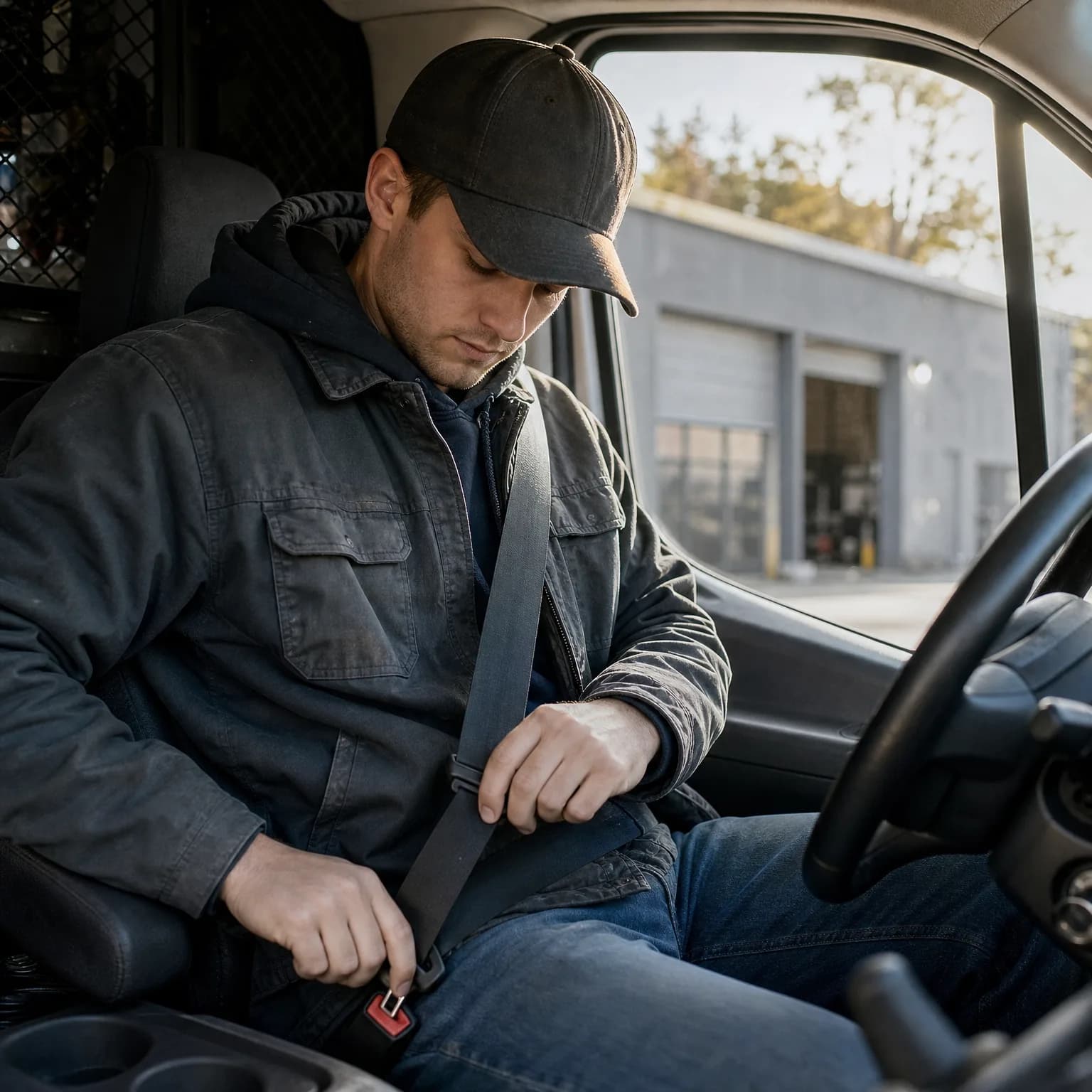
Texas requires continuous SR-22 coverage for the full two-year period. If your carrier cancels your policy for non-payment or you voluntarily drop coverage, the carrier notifies DPS electronically within 10 days. DPS suspends your license immediately upon receiving the lapse notice.
Reinstatement after an SR-22 lapse requires filing a new SR-22 certificate, paying a new $125 reinstatement fee, and in many cases restarting the two-year SR-22 clock from the new filing date. Travis County and Harris County courts frequently extend ODL restrictions or deny renewal petitions after SR-22 lapses, particularly for repeat offenders.
Single parents managing tight budgets should prioritize SR-22 premium payments above collision or comprehensive coverage if choices must be made. Texas does not require physical damage coverage for reinstatement. Liability and SR-22 filing are non-negotiable. Collision and comprehensive are optional unless a lienholder requires them. If you own an older vehicle outright, dropping physical damage coverage to maintain SR-22 is the correct financial decision during the filing period.
Finding Coverage That Meets Your Filing Requirement
Not all carriers write SR-22 policies in Texas, and those that do price them differently based on suspension cause and county. Bristol West, Dairyland, The General, and Progressive write non-standard SR-22 policies statewide. State Farm and Allstate write SR-22 endorsements for existing customers but rarely issue new policies to DWI-suspended drivers.
Compare quotes from at least three carriers before filing. Monthly premium differences of $30-$50 are common for identical coverage limits. Over 24 months, that variance totals $720-$1,200. Request quotes for both non-owner and standard auto policies if you plan to purchase a vehicle within the SR-22 period. Some carriers offer better non-owner rates; others price standard auto policies more competitively.
Ask each carrier how they bill the SR-22 filing fee. Some assess it as a one-time $25 charge at policy inception. Others spread it across the first six monthly payments as a $4-$5 surcharge. The total cost is identical, but the payment structure affects your first-month out-of-pocket expense when court fees and IID installation costs are also due.
Frequently Asked Questions
How much does an Occupational Driver License cost in Texas?
Court filing fees for an ODL petition in Texas range from $180 in rural counties to $320 in Harris County, plus $75-$150 for ignition interlock installation and $60-$90 per month for IID monitoring. Total first-year ODL costs run $900-$1,400 before DPS reinstatement fees and SR-22 expenses.
Can I get SR-22 insurance without owning a car in Texas?
Yes. Texas allows non-owner SR-22 policies that provide liability coverage when you drive a vehicle you do not own. Premiums run $50-$85 per month in most metro areas for drivers with recent DWI convictions, plus a $15-$30 one-time SR-22 filing fee.
What happens if I miss an SR-22 payment during my filing period?
Your carrier notifies Texas DPS within 10 days of policy cancellation. DPS suspends your license immediately. Reinstatement requires a new SR-22 filing, a new $125 reinstatement fee, and in most cases restarting the two-year SR-22 clock from the new filing date.
Do I need SR-22 insurance before applying for an Occupational Driver License?
Yes. Texas courts require proof of SR-22 filing before issuing an ODL order. However, do not file SR-22 until your ignition interlock device is installed, because DPS will not process the SR-22 until IID installation verification posts to their system.
How long does Texas require SR-22 after a DUI reinstatement?
Texas requires SR-22 for two years from your reinstatement date under Transportation Code §601.153. The clock starts when DPS processes your reinstatement, not from your suspension date or conviction date. Delays in reinstatement extend the total SR-22 duration.
Can I drop collision coverage and keep my SR-22 valid?
Yes. Texas requires only liability coverage for SR-22 compliance. Collision and comprehensive are optional unless a lienholder requires them. If you own an older vehicle outright, dropping physical damage coverage to reduce premiums during the SR-22 period will not affect your filing status.
Related Articles
Texas DUI Reinstatement Costs for College Students
5/3/2026
TX Reinstatement Costs for Single Parents: Full Stack
5/3/2026

Texas CDL DUI Reinstatement Costs: Full Breakdown
5/3/2026
Texas DUI Reinstatement Costs for Rideshare Drivers
5/3/2026

Unpaid Ticket Suspension TX: Real Costs for Students
5/3/2026

Texas Lapse Suspension Reinstatement Costs (Real Numbers)
5/3/2026