
DUI Reinstatement Costs in SC for Students: Real Numbers
Free to compare
The Three-Part Cost Structure South Carolina Uses for DUI Reinstatement
South Carolina assesses reinstatement costs across three separate systems that don't coordinate billing or payment. The SCDMV charges a $100 base reinstatement fee payable only after you complete ADSAP (Alcohol and Drug Safety Action Program), satisfy court requirements, and submit SR-22 proof of insurance. The Route Restricted License—South Carolina's hardship license option—carries its own $100 application fee paid directly to SCDMV before any restricted driving privilege is granted. Your insurance carrier adds a separate SR-22 filing fee of $15-$35 upfront, then applies a monthly high-risk premium increase for the entire 3-year filing period South Carolina mandates for DUI convictions.
Most college students focus on the visible $200 in state fees and miss the compounding insurance cost. A clean-record liability policy in South Carolina runs approximately $85-$110/month for drivers under 25. The same policy with an SR-22 endorsement typically costs $140-$190/month due to high-risk classification. Over 36 months, that $55-$80 monthly difference totals $1,980-$2,880 in additional premium costs beyond what you'd pay without the DUI.
South Carolina requires ignition interlock device installation as a condition of any restricted driving privilege for DUI offenses under Emma's Law. IID installation runs $75-$150, monthly monitoring fees add $60-$90/month, and removal costs another $50-$100. If you maintain the device for the minimum 6-month period most first offenses require, total IID costs add $435-$790 to your reinstatement stack. These charges are paid to the interlock provider, not SCDMV, and are non-negotiable for college students hoping to drive to class or work during suspension.

Why the Route Restricted License Application Fee Catches Students Off Guard
The Route Restricted License is South Carolina's mechanism for allowing limited driving during a DUI suspension, but it requires a separate $100 application submitted to SCDMV after a mandatory 30-day hard suspension with no driving privilege. Most students assume the reinstatement fee covers hardship licensing, but South Carolina treats these as distinct processes with separate fees.
Your Route Restricted License limits you to court-approved or SCDMV-approved routes for work, school, medical appointments, and ADSAP program attendance. The license specifies exact routes and time windows—typically tied to your class schedule or employment hours—and driving outside those parameters triggers automatic revocation and extends your suspension. Eligibility requires proof of enrollment or employment, SR-22 insurance already on file with SCDMV, and ignition interlock device installation confirmation from your provider.
The application processing timeline is not clearly documented in SCDMV materials, but students report 2-4 week waits between submission and license issuance in most counties. You cannot legally drive during that waiting period, even with SR-22 filed and IID installed, which creates a coordination problem for students trying to maintain attendance or employment. Budget the $100 application fee as a separate line item from your $100 reinstatement fee—paying one does not satisfy the other.


How SR-22 Filing Fees Stack Across the 3-Year Mandatory Period
South Carolina requires SR-22 insurance certification for 3 years following a DUI conviction, measured from the conviction date, not the filing date. Your carrier charges a one-time filing fee of $15-$35 to submit the SR-22 certificate electronically to SCDMV, then applies a monthly premium increase that persists for the entire 36-month period.
The filing fee itself is negligible. The premium markup is where cost accumulates. Carriers classify SR-22 drivers as high-risk and adjust rates accordingly. For college students under 25 already paying elevated premiums due to age, adding an SR-22 endorsement typically increases monthly costs by $55-$80 over comparable clean-record rates. A student paying $110/month for liability coverage before the DUI might see rates jump to $165-$190/month with SR-22 filed.
If you let your SR-22 policy lapse for non-payment during the 3-year requirement, SCDMV suspends your license immediately and you restart the SR-22 clock from zero. Most carriers do not prorate reinstatement—if you lapse 30 months into your filing period, you owe the full 36 months again once coverage is reinstated. This coordination failure is common among college students managing tight budgets across semesters and summer breaks. Automatic payment enrollment prevents most lapse scenarios.

Line Up Coverage Before Your License Comes Back
Get Back on the RoadADSAP Completion Costs and Timeline South Carolina Mandates Before Reinstatement
South Carolina requires completion of the Alcohol and Drug Safety Action Program as a mandatory condition of DUI reinstatement. ADSAP is a state-specific education and assessment program distinct from generic DUI school, and SCDMV will not process your reinstatement application until your ADSAP provider submits completion certification.
ADSAP costs vary by county and provider but typically range from $350-$550 for the assessment, education sessions, and completion documentation. The program requires in-person attendance for most components, which creates scheduling conflicts for college students balancing class schedules and campus location. Most providers offer evening sessions, but availability is limited and waitlists in high-population counties like Richland (Columbia) and Greenville can push start dates 4-8 weeks out.
ADSAP completion timelines depend on your BAC at arrest and prior offense history. First offenses with BAC under 0.15% typically require 16-20 hours of education spread across 8-10 weeks. Higher BAC levels or second offenses trigger longer programs with therapy components that extend timelines to 12-16 weeks. You cannot apply for Route Restricted License or full reinstatement until ADSAP submits completion certification to SCDMV, which means program enrollment delays directly extend your suspension period.
Ignition Interlock Device Costs South Carolina Requires for Any Restricted Driving
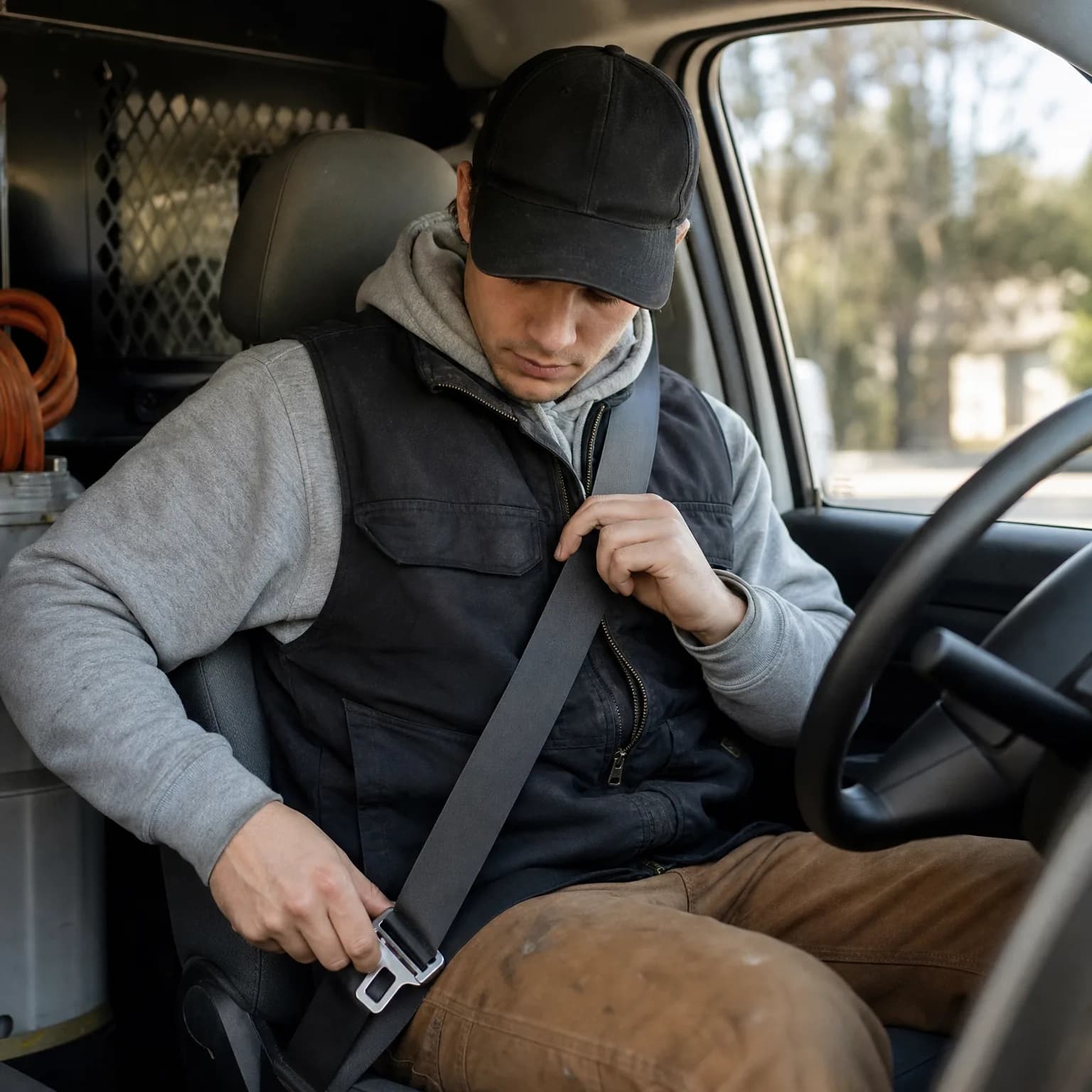
Emma's Law mandates ignition interlock devices for all DUI offenders seeking any form of restricted driving privilege in South Carolina, including first offenses. The device prevents your vehicle from starting if it detects alcohol on your breath, and monthly data reports go directly to SCDMV to verify compliance.
Installation costs run $75-$150 depending on vehicle type and provider. Monthly monitoring and calibration fees add $60-$90/month for as long as the device remains installed. Removal at the end of your interlock period costs another $50-$100. First offenses typically require 6 months of interlock use, which totals $435-$790 in device costs before removal.
South Carolina will not issue a Route Restricted License until your interlock provider submits installation verification to SCDMV. Most students try to file SR-22 and apply for the restricted license simultaneously, but the application will be rejected at the SCDMV hardship hearing if IID installation isn't already confirmed in the system. Coordinate device installation first, SR-22 filing second, then Route Restricted License application third—processing out of sequence adds 2-4 weeks to your timeline.
What College Students Actually Pay to Get Back on the Road in South Carolina
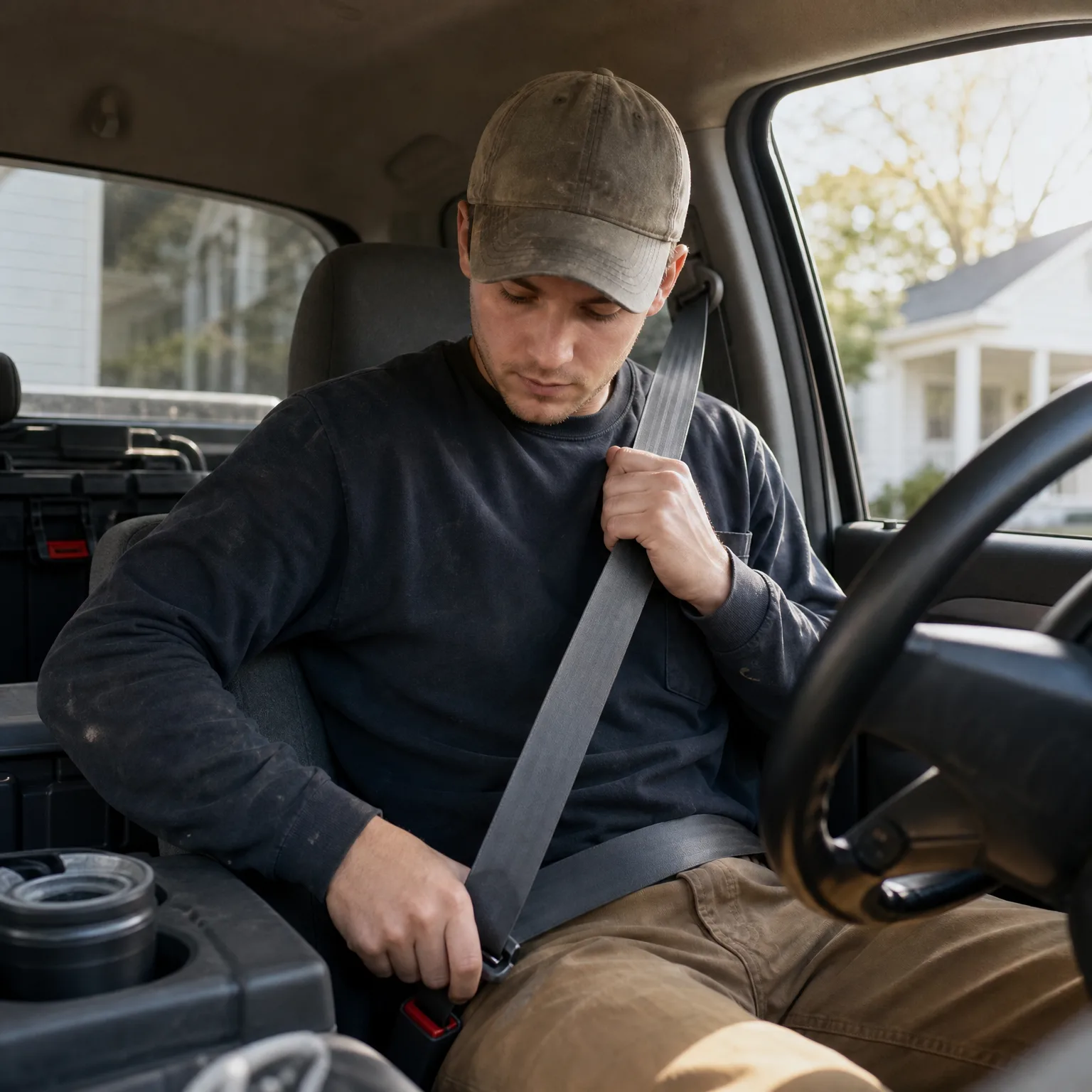
Add the components: $100 SCDMV reinstatement fee, $100 Route Restricted License application, $15-$35 SR-22 filing fee, $350-$550 ADSAP program costs, $435-$790 ignition interlock device costs for 6 months, and $1,980-$2,880 in elevated insurance premiums over the 3-year SR-22 period. Total reinstatement costs for a first-offense DUI in South Carolina range from $2,980 to $4,455 for students maintaining the minimum required coverage and device installation periods.
That estimate assumes no lapses, no violations of Route Restricted License terms, and completion of ADSAP and interlock requirements on the minimum timeline. Missing two ADSAP classes restarts program enrollment in most counties. Driving outside your approved route or time window on a Route Restricted License triggers automatic revocation and extends your suspension. Each extension adds months of SR-22 premium costs and delays the start of your 3-year filing countdown.
Most college students underestimate total cost by focusing on the visible $200 in state fees and ignoring the insurance markup that compounds monthly. If you're budgeting for reinstatement, treat the $3,000-$4,500 range as realistic for a first offense with no complications. Courts, ADSAP providers, and SCDMV do not coordinate billing—you'll receive separate invoices from each entity at different points in the process.
Frequently Asked Questions
Can I get a Route Restricted License in South Carolina immediately after a DUI arrest?
No. South Carolina requires a mandatory 30-day hard suspension with no driving privilege before you can apply for a Route Restricted License following a DUI conviction. You must also complete ignition interlock device installation and file SR-22 insurance before SCDMV will process your restricted license application.
Does South Carolina's SR-22 filing requirement end when my suspension ends?
No. South Carolina requires SR-22 insurance certification for 3 years from the conviction date, which typically extends well beyond your suspension period. If your license is suspended for 6 months but you're convicted of DUI, you'll maintain SR-22 filing for 30 additional months after reinstatement.
What happens if I can't afford the ignition interlock device South Carolina requires?
South Carolina does not waive the ignition interlock requirement for financial hardship under Emma's Law. Some counties offer reduced-cost interlock programs for low-income drivers, but eligibility and availability vary. Without IID installation, you cannot obtain a Route Restricted License or full reinstatement after a DUI.
Can I use a Route Restricted License to drive anywhere in South Carolina or just approved routes?
Route Restricted Licenses limit you to court-approved or SCDMV-approved routes for work, school, medical appointments, and ADSAP attendance only. Driving outside those routes or time windows triggers automatic revocation and extends your suspension. The license specifies exact routes and hours you're permitted to drive.
Do I need to pay the $100 reinstatement fee and the $100 Route Restricted License fee separately in South Carolina?
Yes. South Carolina treats reinstatement and hardship licensing as separate processes with separate fees. The $100 Route Restricted License application is paid before limited driving privileges are granted. The $100 reinstatement fee is paid after you complete ADSAP, satisfy court requirements, and are ready for full license restoration.
What happens to my SR-22 requirement if I move out of South Carolina before the 3-year period ends?
Your SR-22 filing obligation follows you to your new state. South Carolina will not clear the filing requirement early if you move, and most states honor out-of-state SR-22 mandates. You'll need to transfer your SR-22 to a carrier licensed in your new state and maintain it for the remaining duration of South Carolina's 3-year requirement.
Related Articles

SC DUI Reinstatement Costs for Single Parents
5/3/2026

SC CDL DUI Reinstatement Cost Breakdown
7/13/2026
SC Student Insurance Lapse Costs: Fees + SR-22 Stack
5/3/2026

SD DUI Reinstatement Costs: Full Stack for Students
5/3/2026

CA DUI Reinstatement Costs for Students: Full Stack
5/3/2026
SD CDL DUI Reinstatement Costs: Fees, SR-22, IID Breakdown
5/3/2026