
PA CDL DUI Suspension: SR-22 Timing and Lapse-Gap Documentation
Free to compare
Why Your CDL Reinstatement Takes Longer Than Your Personal License
Pennsylvania separates CDL disqualification from personal license suspension after a DUI, even when both stem from the same conviction. Your personal non-commercial license requires SR-22 filing with PennDOT and a $50 restoration fee. Your CDL requires separate FMCSA clearance documentation that PennDOT processes through a different division entirely—the Bureau of Driver Licensing's commercial driver section.
Most CDL holders complete their personal license reinstatement first because the SR-22 filing process is faster and carriers can issue certificates within 24 hours of payment. The commercial disqualification clearance requires additional steps: completion of the Alcohol Highway Safety School specific to commercial drivers, submission of FMCSA medical certification if it lapsed during suspension, and proof that your employer has been notified of your driving record status if you were convicted while holding a CDL.
The two timelines don't communicate. PennDOT will reinstate your personal license once SR-22 posts and fees clear, but your CDL remains disqualified until the commercial division receives all FMCSA-required documentation. Drivers who assume personal reinstatement triggers automatic CDL restoration discover the gap when they attempt to return to commercial driving and find their CDL status still shows disqualified in the National Driver Register.
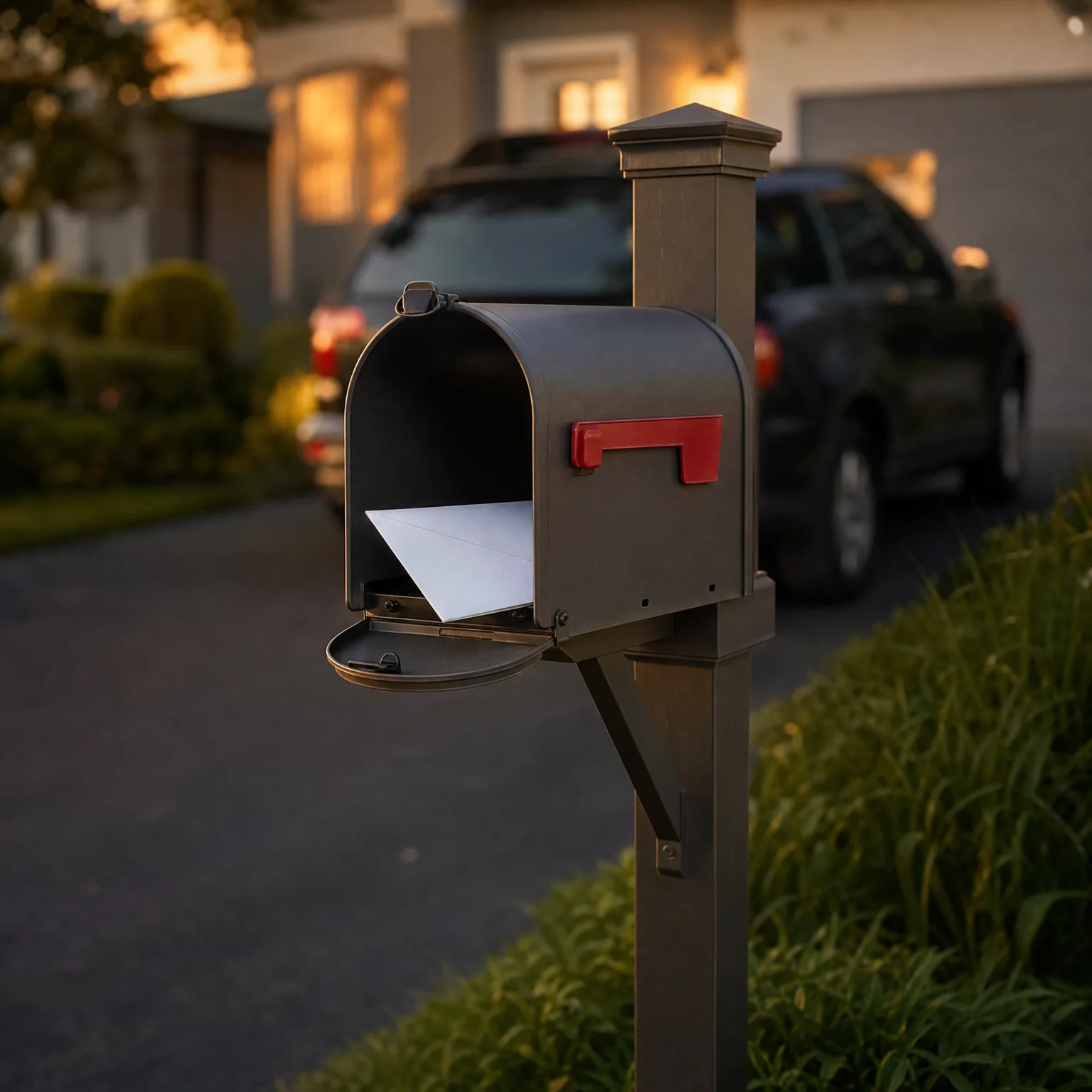
SR-22 Filing Requirement After a Personal-Vehicle DUI
Pennsylvania requires 3 years of continuous SR-22 filing after any DUI conviction, regardless of whether the violation occurred in your personal vehicle or a commercial vehicle. The filing period starts from your conviction date, not your reinstatement date. If you were suspended for 12 months and waited 6 months after eligibility to reinstate, you still owe 3 years of SR-22 from conviction—meaning 2.5 years remain at reinstatement.
SR-22 certificates cost between $15 and $35 as a one-time filing fee, but the underlying liability insurance policy driving that certificate will carry high-risk premiums throughout the filing period. Expect monthly costs between $140 and $190 for minimum liability coverage during the SR-22 period, compared to $85 to $110 for standard-risk drivers. Estimates based on available industry data; individual rates vary by driving history, vehicle, coverage selections, and location.
Your SR-22 must remain active and continuous. If your carrier cancels your policy for non-payment or you voluntarily drop coverage, PennDOT receives electronic notification within 48 hours and will re-suspend your license immediately. The 3-year clock does not pause during re-suspension—you must refile SR-22, pay a new restoration fee, and continue from where the original filing period left off.

Lapse-Gap Documentation for CDL Holders With No Current Vehicle
CDL holders who sold their personal vehicle during suspension or who drive only employer-owned commercial vehicles face a specific documentation problem: Pennsylvania still requires proof of financial responsibility to reinstate your personal license, but you have no vehicle to insure. The solution is a non-owner SR-22 policy.
Non-owner SR-22 provides liability coverage when you drive a vehicle you don't own—exactly the situation CDL holders face when operating employer-owned trucks. The policy satisfies PennDOT's SR-22 filing requirement without requiring you to insure a personal vehicle you no longer have. Monthly premiums for non-owner SR-22 in Pennsylvania typically run $90 to $150 during the high-risk filing period, slightly lower than standard owner policies because the insurer assumes lower annual mileage exposure.
If you had a coverage lapse before suspension and PennDOT flagged the gap, you'll need to address it during reinstatement even if the lapse occurred years ago. PennDOT's Financial Responsibility Reporting system retains lapse records indefinitely. Bring proof of current SR-22 filing and be prepared to explain the lapse period—whether you had sold the vehicle, were deployed, or were incarcerated. Documentation proving you had no vehicle registered in your name during the lapse period helps, but does not automatically excuse the lapse under 75 Pa. C.S. § 1786.
Ignition Interlock Device Requirement and CDL Conflict
Pennsylvania requires ignition interlock device installation for most DUI convictions, including first-offense high-BAC and all second or subsequent offenses. The IID requirement applies to your personal vehicle, but creates a procedural conflict for CDL holders who no longer own a personal vehicle or whose only vehicle is an employer-owned commercial truck.
PennDOT will not accept an exemption request simply because you sold your vehicle or drive only commercial equipment. The Ignition Interlock Limited License program under 75 Pa.C.S. § 3805 requires device installation as a condition of reinstatement eligibility. CDL holders in this situation have three options: purchase or lease a personal vehicle solely to install the IID, request a compliance-based restricted license that does not require IID but extends your suspension period, or delay reinstatement until the full suspension term expires and pursue full reinstatement without the IILL pathway.
If you install an IID in a personal vehicle, you cannot drive any commercial vehicle during the IILL period unless the commercial vehicle is also equipped with an approved IID. Most employers will not install interlock devices in fleet vehicles, which means IILL eligibility functionally ends your ability to work in commercial driving until the device period concludes. Verify your employer's policy and your ability to return to work before committing to the IILL pathway.

Line Up Coverage Before Your License Comes Back
Get Back on the Road
Coordination Between PennDOT Personal License Division and Commercial Driver Section
PennDOT processes personal license reinstatement through its standard restoration unit, which handles SR-22 filing verification, fee payment, and conviction record review. CDL reinstatement flows through the commercial driver licensing section, which coordinates with FMCSA and applies federal commercial disqualification rules on top of Pennsylvania's state-level requirements.
The two divisions do not share a unified case management system. Completing personal reinstatement does not trigger automatic CDL review. You must separately contact the commercial driver section, submit FMCSA medical certification if required, provide proof of Alcohol Highway Safety School completion specific to commercial drivers, and request CDL status review. Processing times vary by county—Allegheny and Philadelphia county processing centers average 15 to 25 business days for CDL reinstatement review after personal license clears, while rural counties with lower case volume sometimes complete review in under 10 days.
Because OLL petitions are filed with the court of common pleas in your county of residence, procedural requirements and processing times vary by county. There is no statewide uniform fee or timeline. Drivers in counties with high case volume should plan for 45 to 60 days between personal license clearance and final CDL reinstatement.
Occupational Limited License Eligibility for CDL Holders
Pennsylvania offers two restricted-driving programs: the court-issued Occupational Limited License under 75 Pa.C.S. § 1553 and the PennDOT-issued Ignition Interlock Limited License under 75 Pa.C.S. § 3805. These are distinct instruments with different application paths. DUI offenders typically interact with the IILL, not the OLL, but CDL holders face unique eligibility barriers under both programs.
The OLL requires a petition to the court of common pleas, proof of employment or occupational necessity, proof of financial responsibility through SR-22 insurance, and payment of court costs. Driving is limited to occupational, vocational, or therapeutic purposes—commuting to work, medical appointments, school, or other court-approved activities. The court defines specific route and time restrictions. Ignition interlock device installation is required for DUI-based OLL petitions.
For DUI-based OLL petitions, the mandatory hard suspension period must be fully served before the court will consider granting an OLL. Hard suspension length varies by DUI tier—BAC level and prior offense count. A first-offense general impairment DUI may carry no hard suspension, while high BAC or refusal triggers 12 months with a minimum hard period that must expire before OLL eligibility opens. Verify your specific tier and waiting period with the court clerk before filing your petition.
What Happens If You Drive Commercially Before CDL Reinstatement Clears
Operating a commercial vehicle while your CDL is disqualified—even if your personal non-commercial license has been reinstated—is a federal offense under FMCSA regulations and triggers an additional 1-year commercial disqualification on top of your existing DUI disqualification. Pennsylvania treats this as a separate and subsequent violation, not an extension of the original suspension.
Employers who allow a driver with a disqualified CDL to operate a commercial vehicle face federal compliance penalties and potential loss of their operating authority. Most fleet management systems flag disqualified drivers automatically through National Driver Register queries, but smaller operators relying on manual record-keeping sometimes miss CDL disqualification status if the driver's personal license shows reinstated.
If you returned to work driving commercially before your CDL cleared and were stopped or involved in an incident, contact an attorney immediately. The additional disqualification period is mandatory under federal law and Pennsylvania has no discretion to waive it. Your best path forward is full transparency with your employer, immediate cessation of commercial driving, and completion of all outstanding reinstatement requirements before the additional disqualification compounds further.
Frequently Asked Questions
Can I get a CDL hardship license in Pennsylvania after a DUI?
Pennsylvania does not issue hardship or occupational limited licenses that permit commercial driving. The Occupational Limited License restricts you to non-commercial driving only—commuting to work, medical appointments, and court-approved purposes in a personal vehicle. Your CDL remains disqualified during the OLL period and you cannot operate commercial vehicles until full CDL reinstatement clears through PennDOT's commercial driver section.
Do I need SR-22 insurance if I only drive my employer's truck?
Yes. Pennsylvania requires SR-22 filing to reinstate your personal non-commercial license, which is a prerequisite for CDL reinstatement. Even if you have no personal vehicle, you must carry a non-owner SR-22 policy that provides liability coverage when driving vehicles you don't own. The SR-22 filing period is 3 years from your DUI conviction date.
How long does Pennsylvania suspend a CDL for a first DUI?
FMCSA imposes a minimum 1-year commercial disqualification for a first DUI, regardless of whether the violation occurred in a personal or commercial vehicle. Pennsylvania applies this federal standard. Your personal non-commercial license faces a separate 12-month suspension for high-BAC or refusal cases, or no suspension for low-tier general impairment first offenses—but the CDL disqualification applies in all DUI cases.
What happens if my SR-22 lapses during my CDL reinstatement process?
PennDOT will re-suspend your personal license immediately upon receiving electronic notification from your carrier that coverage lapsed. The re-suspension halts your CDL reinstatement process because personal license reinstatement is a prerequisite for commercial reinstatement. You must refile SR-22, pay a new $50 restoration fee, and restart the coordination process with PennDOT's commercial driver section.
Can I install an ignition interlock device in my employer's commercial truck?
Most employers will not install IID units in fleet vehicles due to cost, liability, and the administrative burden of managing device calibration and reporting. If your employer refuses installation, you cannot drive that vehicle during your Ignition Interlock Limited License period. Your options are to install IID in a personal vehicle and suspend commercial driving until the device period ends, or delay reinstatement and pursue full license restoration after your suspension term expires.
Does completing Alcohol Highway Safety School reinstate my CDL automatically?
No. Completing the required DUI education program satisfies one reinstatement requirement but does not trigger automatic CDL restoration. You must also file SR-22, pay the $50 restoration fee, submit current FMCSA medical certification if it lapsed, and request CDL status review from PennDOT's commercial driver section. The two reinstatement tracks—personal and commercial—run in parallel and require separate completion steps.
How much does non-owner SR-22 insurance cost in Pennsylvania for CDL holders?
Monthly premiums for non-owner SR-22 policies in Pennsylvania typically range from $90 to $150 during the 3-year high-risk filing period after a DUI. Rates vary based on your specific BAC level, prior violations, age, and county. Non-owner policies cost slightly less than standard owner policies because insurers assume lower annual mileage exposure when you don't own a vehicle.
Related Articles
PA CDL DUI Reinstatement: Court & PennDOT Timing
5/3/2026
PA CDL Reinstatement After Failure-to-Appear Warrant
5/3/2026
PA CDL DUI Reinstatement Costs: Fees & SR-22 Breakdown
5/3/2026
IL CDL DUI Reinstatement: SR-22 Timing & Gap Docs
5/3/2026

PA CDL Lapse Suspension: SR-22 Timing & Reinstatement
5/3/2026
PA CDL Unpaid Tickets: SR-22 Filing & Reinstatement
5/3/2026