Oklahoma DUI SR-22 Filing for College Students: Timing & Lapse Gaps
Free to compare
Why Oklahoma SR-22 Lapses Hit College Students Harder Than Other Reinstatement Steps
Oklahoma requires continuous SR-22 filing for 3 years after a DUI conviction under 47 O.S. § 6-205.1. Most college students complete their court requirements, pay their reinstatement fees, and install an ignition interlock device without incident. The SR-22 filing is where the system catches them.
A lapse happens when your carrier cancels your policy and notifies Oklahoma DPS that your SR-22 certificate is no longer active. DPS does not send you a warning letter. Your license suspension reinstates immediately, and the 3-year SR-22 clock resets to day one, measured from the lapse date, not your original conviction.
College students lapse more frequently than other driver groups because their insurance needs change mid-semester. You sell your car before studying abroad. Your parents drop you from their policy when you move off-campus. Your carrier non-renews your policy during summer break and you miss the notification at your campus address. Oklahoma's Uninsured Vehicle Identification System reports the cancellation to DPS within 10 days, and your Modified Driver License becomes invalid before you realize the gap occurred.
The 3-year filing period starts over completely. If you lapsed 2 years and 11 months into your original filing requirement, you now owe 3 full years from the new lapse date. DPS does not prorate. The statute treats every lapse as a separate failure to maintain financial responsibility, which is why the clock resets instead of pausing.
How Oklahoma Modified License Timing Interacts With SR-22 Filing Windows
Oklahoma's Modified Driver License program allows restricted driving after a mandatory 30-day hard suspension for first-offense DUI under Egan's Law. The Modified License requires ignition interlock device installation by a DPS-certified provider and proof of SR-22 filing before DPS will approve your application.
Most college students assume the SR-22 filing and Modified License approvals happen simultaneously. They do not. You must file SR-22 with a carrier first, wait for the carrier to transmit the certificate to DPS electronically, then submit your Modified License application with proof of IID installation and the SR-22 confirmation number. If you file your Modified License application before DPS receives your SR-22 certificate electronically, your application will be denied and you will restart the approval timeline from the beginning.
The SR-22 filing must remain active for the entire duration of your Modified License period plus the remainder of your suspension. For a first-offense DUI with a 6-month suspension, you will hold the Modified License for approximately 5 months after the 30-day hard period. Your SR-22 filing must cover all 6 months of suspension plus an additional 3 years post-reinstatement. The total SR-22 filing obligation is approximately 3.5 years from conviction, assuming no lapses.
If your SR-22 lapses while you hold a Modified License, DPS revokes the Modified License immediately and you return to full suspension status. You cannot reapply for a new Modified License until you cure the lapse, refile SR-22, and wait for DPS to process the new certificate. That processing window typically adds 7-10 business days, during which you cannot drive legally under any circumstances.
What Counts as Documentation of a Lapse Gap for Oklahoma DPS Reinstatement
Oklahoma DPS requires specific documentation to cure an SR-22 lapse and reinstate your driving privileges. You cannot simply refile SR-22 and assume your license becomes valid again. DPS treats the lapse as a new suspension event, which means you must go through the full reinstatement process a second time.
You need proof that your new SR-22 filing is active and will remain active for the required 3-year period. Your carrier must file the SR-22 certificate electronically with DPS. You will receive a confirmation number from your carrier, but DPS processing takes 3-7 business days before the filing shows as active in their system. Until DPS confirms receipt, your license remains suspended.
You must pay a $125 reinstatement fee to DPS for each lapse event, separate from your original reinstatement fee. If you lapsed twice during your 3-year filing period, you owe $125 for each lapse, plus the original $125 reinstatement fee from your DUI conviction. These fees are non-refundable and must be paid before DPS will process your new SR-22 filing.
College students moving between Oklahoma and another state during their filing period create a documentation problem DPS does not handle efficiently. If you establish residency in another state, Oklahoma's SR-22 requirement does not transfer automatically. You must maintain an Oklahoma SR-22 filing even if you hold an out-of-state license, or formally transfer your DUI compliance obligation to the new state through that state's DMV. Most students do neither, which creates a lapse gap Oklahoma DPS discovers only when you attempt to return and reinstate your Oklahoma license.

Line Up Coverage Before Your License Comes Back
Get Back on the RoadSR-22 Carrier Options That Work With Intermittent College-Student Vehicle Ownership
Most college students do not own a vehicle continuously during their 3-year SR-22 filing period. You sell your car before studying abroad. You share a vehicle with roommates. Your parents own the car you drove when you received your DUI. Oklahoma allows non-owner SR-22 policies that maintain your filing requirement without insuring a specific vehicle.
A non-owner SR-22 policy provides liability coverage when you drive a vehicle you do not own. The policy costs significantly less than standard auto insurance because it covers only your liability exposure, not vehicle damage. Monthly premiums for non-owner SR-22 in Oklahoma typically range from $40 to $75 per month for college-age drivers with a single DUI, compared to $140 to $220 per month for standard SR-22 auto insurance.
You cannot hold both a non-owner SR-22 policy and a standard auto insurance policy simultaneously. If you purchase a vehicle mid-semester, you must cancel your non-owner policy and immediately replace it with a standard SR-22 auto policy covering the new vehicle. The transition must happen the same day to avoid creating a lapse gap. Most carriers will not process same-day cancellation and new-policy issuance unless you call them directly and confirm both transactions verbally.
Not all carriers offer non-owner SR-22 policies in Oklahoma. Progressive, The General, and Bristol West write non-owner SR-22 policies for Oklahoma DUI filers. State Farm and GEICO do not offer non-owner SR-22 in Oklahoma as of current underwriting guidelines. If your current carrier does not write non-owner policies, you must switch carriers to avoid a lapse when you sell your vehicle.
How to Avoid Restarting Your SR-22 Clock During Summer Break or Study Abroad
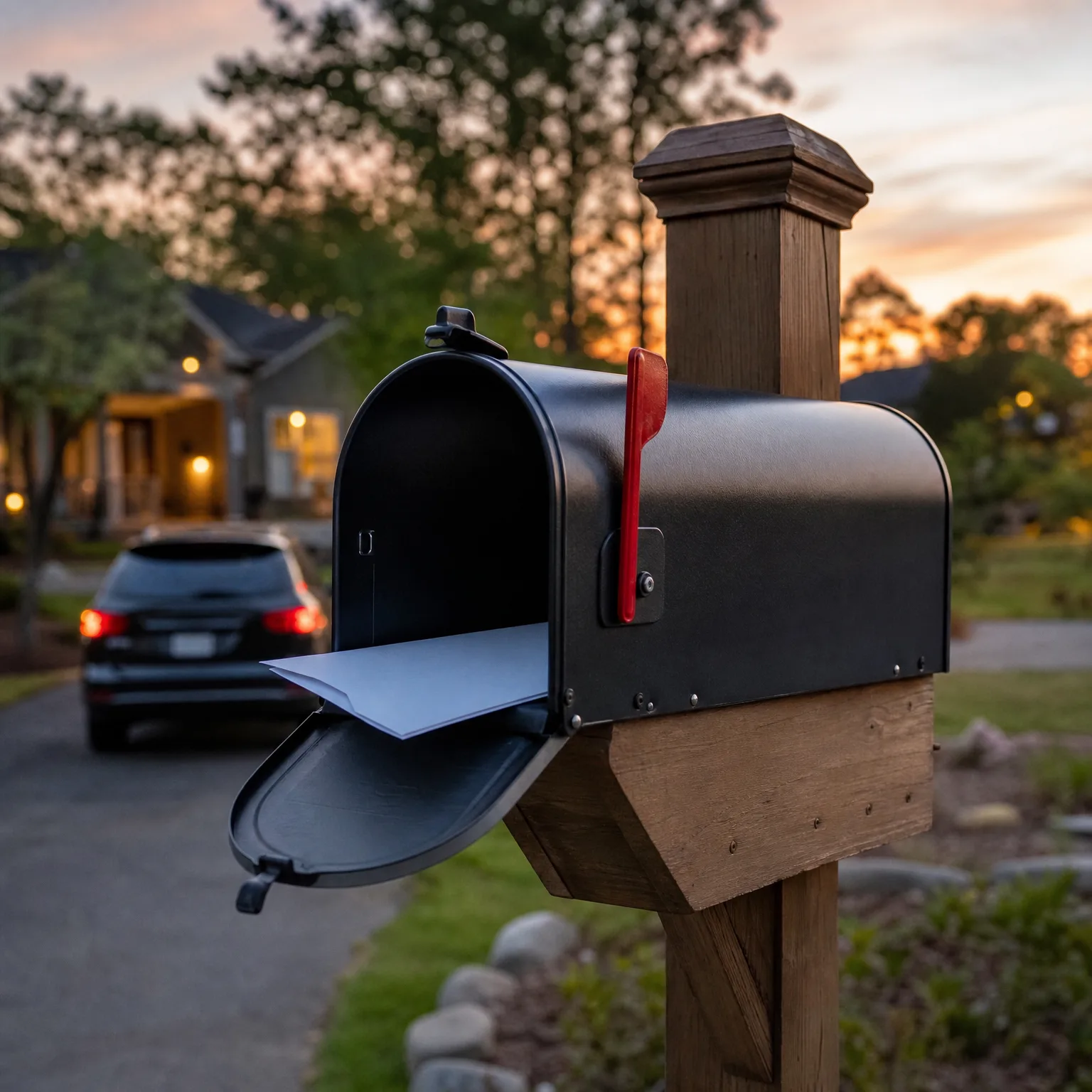
College students lapse most frequently during summer break and study-abroad semesters when their vehicle ownership status changes and their mailing address becomes unreliable. Oklahoma carriers mail policy cancellation notices to your address on file 30 days before non-renewal. If that address is your campus apartment and you have already moved out for the summer, you will not receive the notice.
Update your mailing address with your carrier before every semester break. Use your parents' permanent address or another stable address where you will receive mail year-round. Confirm the address change in writing via email and request written confirmation from your carrier that the update has been processed. Most carriers allow address updates through their mobile app, but app-based updates do not always generate confirmation documentation you can reference if a lapse dispute arises later.
Set a calendar reminder 45 days before your policy renewal date every 6 months. Call your carrier directly to confirm your policy will renew automatically and that your SR-22 certificate will remain active through the renewal. Do not assume auto-pay guarantees renewal. Carriers can non-renew your policy for underwriting reasons unrelated to payment, and they are required to notify you only 30 days in advance.
If you plan to study abroad or leave Oklahoma for more than 60 days, contact your carrier before you leave and confirm whether your policy remains active while you are out of state. Some carriers will cancel your policy if you notify them you are leaving the country, which creates an immediate lapse. Other carriers will maintain your policy as long as the vehicle remains garaged in Oklahoma. The correct approach depends on your carrier's underwriting rules, which is why you must ask the question explicitly before you travel.
What Happens to Your SR-22 Requirement If You Transfer to an Out-of-State College
Oklahoma's SR-22 filing requirement does not automatically transfer when you establish residency in another state. You must either maintain your Oklahoma SR-22 filing for the full 3-year period regardless of where you live, or formally transfer your DUI compliance obligation to your new state of residence through that state's DMV.
If you establish legal residency in another state by obtaining a new driver's license, most states will require you to file SR-22 in that state if they discover your Oklahoma DUI conviction through the National Driver Register. You cannot satisfy Oklahoma's SR-22 requirement by filing in another state unless Oklahoma DPS formally releases you from the filing obligation, which they will not do until your 3-year period expires.
This creates a dual-filing scenario most college students do not anticipate. You may owe SR-22 filing in both Oklahoma and your new state of residence simultaneously. Oklahoma will suspend your Oklahoma license if you let your Oklahoma SR-22 lapse, even if you hold a valid out-of-state license with active SR-22 filing in that state. Your new state may suspend your new license if you fail to disclose your Oklahoma DUI conviction when you apply for the out-of-state license.
The cleanest path forward is maintaining your Oklahoma license and Oklahoma SR-22 filing for the full 3-year period, even if you live out of state. You can hold an Oklahoma license as a legal resident of another state as long as you do not obtain a new license in that state. Most college students remain legal residents of their home state for tuition and voting purposes, which allows them to maintain their home-state license throughout their college enrollment.
Frequently Asked Questions
Does Oklahoma restart my SR-22 filing period if my policy lapses for only one day?
Yes. Oklahoma DPS resets your entire 3-year SR-22 filing requirement from the lapse date, regardless of how long the gap lasted. A 1-day lapse and a 90-day lapse receive identical treatment under 47 O.S. § 6-205.1. You owe 3 full years from the date you refile SR-22 after curing the lapse.
Can I keep my Oklahoma Modified Driver License if I move to another state for college?
No. Oklahoma Modified Driver Licenses are valid only while you maintain Oklahoma residency and an Oklahoma mailing address. If you establish legal residency in another state by obtaining a new driver's license, your Oklahoma Modified License becomes invalid immediately. You must maintain Oklahoma residency to keep the Modified License active.
What happens if my parents drop me from their insurance policy while I'm at college in Oklahoma?
Your SR-22 filing lapses immediately when your parents' carrier removes you from their policy, even if you were not the named policyholder. You must purchase your own SR-22 policy before the removal date to avoid a lapse gap. Most carriers require 24-48 hours to process a new SR-22 filing and transmit it to DPS electronically.
Does Oklahoma DPS send a warning before suspending my license for an SR-22 lapse?
No. Oklahoma DPS does not send advance notice when your carrier reports an SR-22 cancellation. Your license suspension reinstates automatically the day DPS receives the electronic lapse notification from your carrier. You will not receive a warning letter or grace period to cure the lapse before suspension takes effect.
Can I use a non-owner SR-22 policy to satisfy Oklahoma's Modified License requirement?
Yes. Oklahoma DPS accepts non-owner SR-22 policies for Modified Driver License eligibility as long as the policy provides minimum liability coverage of 25/50/25. The policy does not need to cover a specific vehicle. You must provide proof of the non-owner SR-22 filing when you submit your Modified License application.
How long does it take Oklahoma DPS to process a new SR-22 filing after a lapse?
DPS typically processes new SR-22 filings within 3-7 business days after your carrier transmits the certificate electronically. Your license remains suspended during this processing window. You cannot legally drive until DPS confirms receipt of the new SR-22 filing in their system, even if your carrier issues you a policy confirmation immediately.
Do I owe a second reinstatement fee to Oklahoma DPS if my SR-22 lapses?
Yes. Oklahoma charges a $125 reinstatement fee for each SR-22 lapse event, separate from your original DUI reinstatement fee. If you lapse twice during your 3-year filing period, you will pay $375 total in reinstatement fees: $125 for the original DUI suspension, $125 for the first lapse, and $125 for the second lapse.
Related Articles

Oklahoma Lapse Suspension for Students: SR-22 Timing
5/3/2026

Texas DUI Reinstatement for Students: SR-22 Lapse Gaps
5/3/2026

Oklahoma Lapse Suspension: SR-22 Timing for Parents
5/3/2026

DC DUI Reinstatement: SR-22 Timing for College Students
5/3/2026

NV DUI Reinstatement: SR-22 Lapse Rules for Students
5/3/2026

Oklahoma Lapse Suspension: Court + DPS Timing Gap
5/3/2026