
ND DUI Reinstatement Cost Stack for College Students
Free to compare
Why the $50 Reinstatement Fee Is Only the First Charge
North Dakota's base reinstatement fee is $50, administered by the North Dakota Department of Transportation Driver License Division. That fee clears the administrative suspension on NDDOT's system. It does not restore your driving privileges.
Before the state processes your reinstatement, you must submit proof of SR-22 financial responsibility insurance and proof of ignition interlock device installation. Each of these carries separate costs. Most college students budget for the $50 state fee and discover at the NDDOT counter that their application is incomplete because the IID provider hasn't submitted installation verification yet.
North Dakota operates a dual-track system for DUI reinstatement. The court handles your criminal case and any treatment requirements. NDDOT handles your license reinstatement independently. Clearing one does not automatically clear the other. The $50 fee is due to NDDOT when all other requirements have been met—it's the final step, not the first.
What SR-22 Filing Actually Costs in North Dakota
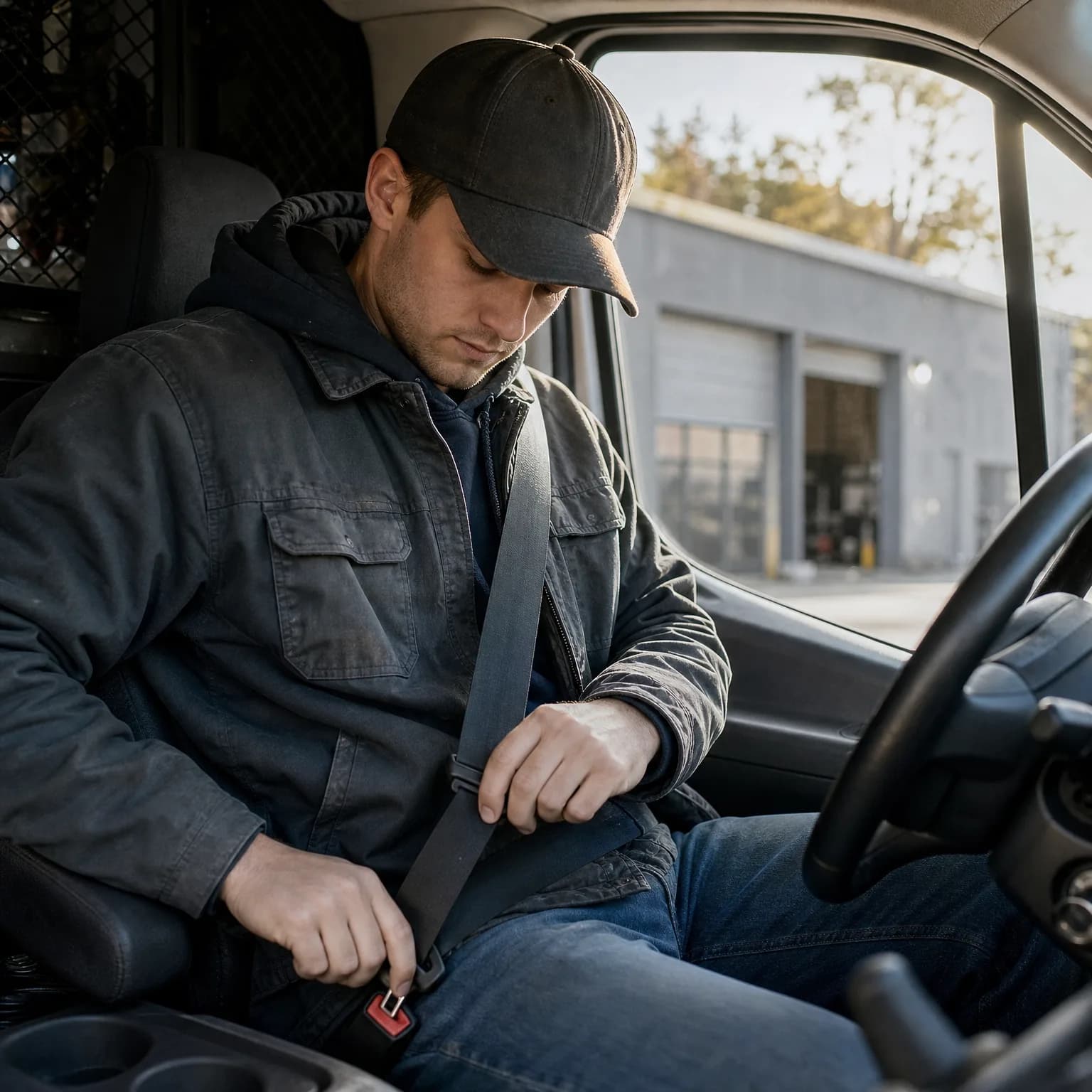
SR-22 is not a separate insurance policy. It is a certificate your carrier files with NDDOT certifying that you carry at least North Dakota's minimum liability coverage plus mandatory personal injury protection. North Dakota is a no-fault state, meaning PIP coverage is legally required. A liability-only policy that omits PIP will not satisfy the SR-22 requirement.
Carriers charge a one-time filing fee to submit the SR-22 certificate on your behalf. In North Dakota, filing fees range from $15 to $35 depending on the carrier. This is separate from your premium. Your monthly premium will increase because you now fall into the high-risk insurance tier.
North Dakota requires SR-22 filing for 3 years following a DUI revocation under NDCC 39-16.1. If your SR-22 lapses at any point during that 3-year period—because you miss a payment, switch carriers without coordinating the transfer, or cancel your policy—NDDOT receives an automatic electronic notification and your license is re-suspended immediately. There is no grace period. Most college students underestimate the total cost because they calculate the filing fee alone and ignore the premium increase over 36 months.

How Ignition Interlock Device Costs Break Down
North Dakota requires ignition interlock device installation for first-offense DUI cases after the first 30 days of the mandatory 91-day suspension under NDCC 39-08-01. The IID requirement is not negotiable. You cannot file SR-22 or apply for reinstatement until the device is installed and your provider submits installation verification to NDDOT.
IID costs have three components: installation fee, monthly monitoring fee, and removal fee. Installation fees in North Dakota typically range from $70 to $150. Monthly monitoring fees run $60 to $90, depending on the provider and whether you select standard or advanced calibration schedules. Removal fees range from $50 to $100. Over a 6-month IID period, total costs run approximately $500 to $700. Over 12 months, $800 to $1,200.
Most college students assume IID is installed the day they request it. Installation scheduling typically takes 7 to 14 days after your initial provider appointment. The provider does not submit verification to NDDOT until after installation is complete and you attend your first calibration appointment. If you file SR-22 before that verification posts, NDDOT will not process your reinstatement application. You will wait until the IID verification appears in their system, which adds 30 to 45 days to your timeline because the verification and SR-22 are not automatically coordinated.

Line Up Coverage Before Your License Comes Back
Get Back on the RoadWhat a Temporary Restricted License Adds to the Timeline
North Dakota offers a Temporary Restricted License under NDCC 39-06-36 after the first 30 days of your DUI suspension. The TRL allows you to drive to essential destinations: work, school, medical appointments, and other court-approved activities. Route and time restrictions are defined at issuance. You cannot use the TRL for social trips, errands, or recreation.
Before you can apply for a TRL, you must install an ignition interlock device and file SR-22 insurance. The TRL application is handled by the NDDOT Driver License Division. Application fees and processing timelines are not published on a universal statewide schedule—expect 10 to 20 business days after submitting your application with proof of IID installation and SR-22 filing.
Violating TRL restrictions triggers automatic revocation. If you are stopped outside your approved routes or times, your TRL is revoked and you return to full suspension with no hardship option for the remainder of your original suspension period. Most college students apply for TRL eligibility before completing the IID installation step, which delays their application and extends their non-driving window unnecessarily.

How to Sequence the Filing Steps Without Adding Delays
Schedule your IID installation appointment first. Do not wait until after your 30-day hard suspension ends. Installation takes 7 to 14 days from your first provider contact to actual installation. Your provider will not submit verification to NDDOT until you complete installation and attend your first calibration appointment, which is typically scheduled 30 days after installation.
Once installation is complete and your calibration appointment is on the books, contact an SR-22 carrier. Provide proof of IID installation when you request the SR-22 filing. The carrier files your SR-22 electronically with NDDOT. Filing posts within 24 to 48 hours in North Dakota's system.
After both IID verification and SR-22 filing appear in NDDOT's system, apply for your Temporary Restricted License or full reinstatement, depending on where you are in your suspension timeline. Submit the $50 reinstatement fee at this stage. Filing the fee before IID and SR-22 are verified accomplishes nothing—NDDOT will not process your reinstatement application until all prerequisites are met.
College students who file SR-22 first, then schedule IID installation, then apply for reinstatement discover at the NDDOT office that their IID verification has not posted yet. The application is rejected and they wait another 30 to 45 days for the verification cycle to complete.

What Happens If You Miss a Step or Let Coverage Lapse
If your SR-22 lapses during the 3-year filing period, your carrier notifies NDDOT electronically within 24 hours. NDDOT re-suspends your license immediately. You must refile SR-22, pay a new $50 reinstatement fee, and restart the 3-year SR-22 clock from the date of the new filing. North Dakota does not credit time served under a lapsed SR-22.
If you fail to attend a required IID calibration appointment, your device will enter lockout mode. Most providers allow a 5-day grace period before lockout. Once locked out, you cannot start your vehicle until you attend a calibration appointment and the provider resets the device. If you miss two consecutive calibration appointments, your provider notifies NDDOT and your TRL or reinstated license is revoked.
If you move out of state during your SR-22 filing period, North Dakota's 3-year SR-22 requirement does not transfer automatically. Your new state may have its own SR-22 or FR-44 requirement with a different filing period. You must maintain continuous SR-22 filing with NDDOT for the full 3 years even if you no longer live in North Dakota. Verify current requirements with your new state's DMV and coordinate with your carrier to ensure dual-state compliance where necessary.
Frequently Asked Questions
Can I get a temporary restricted license in North Dakota while my DUI suspension is still active?
Yes, North Dakota allows a Temporary Restricted License after the first 30 days of your DUI suspension under NDCC 39-06-36. You must install an ignition interlock device and file SR-22 insurance before applying. The TRL restricts you to essential travel only: work, school, medical appointments, and court-approved activities.
How long does North Dakota require SR-22 filing after a DUI?
North Dakota requires SR-22 filing for 3 years following a DUI revocation under NDCC 39-16.1. The 3-year period begins on your conviction date, not your filing date. If your SR-22 lapses at any point during that period, you must refile and restart the 3-year clock from the new filing date.
What happens if I file SR-22 before installing the ignition interlock device in North Dakota?
NDDOT will not process your reinstatement application until both SR-22 filing and IID installation verification appear in their system. If you file SR-22 first, you will wait 30 to 45 days for IID installation and calibration verification to post before your reinstatement can move forward. Install the IID first, then file SR-22.
Does North Dakota's $50 reinstatement fee cover SR-22 filing and ignition interlock costs?
No. The $50 fee clears the administrative suspension on NDDOT's record. SR-22 filing fees range from $15 to $35 and are paid to your insurance carrier. Ignition interlock device costs run $500 to $700 over 6 months, paid to your IID provider. These are three separate charges to three separate entities.
Can I apply for a North Dakota TRL if I don't own a car?
Yes. You can satisfy the SR-22 requirement with a non-owner SR-22 policy, which provides liability coverage when you drive a vehicle you do not own. Once your non-owner SR-22 is filed and your IID is installed in the vehicle you will drive, you can apply for a TRL.
What happens to my North Dakota SR-22 requirement if I move to a different state during the 3-year filing period?
You must maintain continuous SR-22 filing with North Dakota for the full 3 years even after moving out of state. Your new state may impose its own SR-22 or FR-44 requirement with a different timeline. Coordinate with your carrier to ensure dual-state compliance and verify requirements with both states' DMVs.
Related Articles
ND DUI Reinstatement Costs for Single Parents
5/3/2026
North Dakota CDL DUI Reinstatement Costs | Full Stack
5/3/2026

ND DUI Reinstatement Costs for Rideshare Drivers
5/3/2026
ND Lapse Suspension Costs for College Students
5/3/2026
ND Warrant Reinstatement Costs: Fees, SR-22 & Timeline
5/3/2026

SD CDL DUI Reinstatement Costs: Fees, SR-22, IID Breakdown
5/3/2026