
NY DUI Reinstatement for Uber/Lyft: SR-22 Timing & Lapse Rules
Free to compare
Why New York's Restricted Use License Won't Clear You for Rideshare Work
New York issues a Restricted Use License (RUL) for DUI suspensions, allowing limited driving to work, school, medical appointments, and other DMV-approved essential activities. Commercial driving for Uber, Lyft, or any gig platform is categorically excluded from RUL-approved purposes. The license restricts you to specific routes and purposes defined at the time of approval—rideshare work requires unrestricted driving authority within service areas, which conflicts with the core RUL framework.
Most drivers discover this incompatibility only after completing the Impaired Driver Program, installing an ignition interlock device, paying the $25 application fee, and receiving RUL approval. Uber and Lyft both require proof of unrestricted licensure for driver reactivation. An RUL with documented route restrictions triggers automatic account suspension or denial during background check updates.
The path to rideshare-compliant reinstatement requires full license restoration, not conditional or restricted driving privileges. For DUI-related revocations in New York, that means completing the mandatory revocation period, finishing the Impaired Driver Program, maintaining ignition interlock installation for the court-ordered duration (typically 6–12 months for first offenses under Leandra's Law), and applying for a new license through DMV. Gig platforms verify license status through DMV databases and third-party background check providers—conditional licenses show as restricted in those systems.
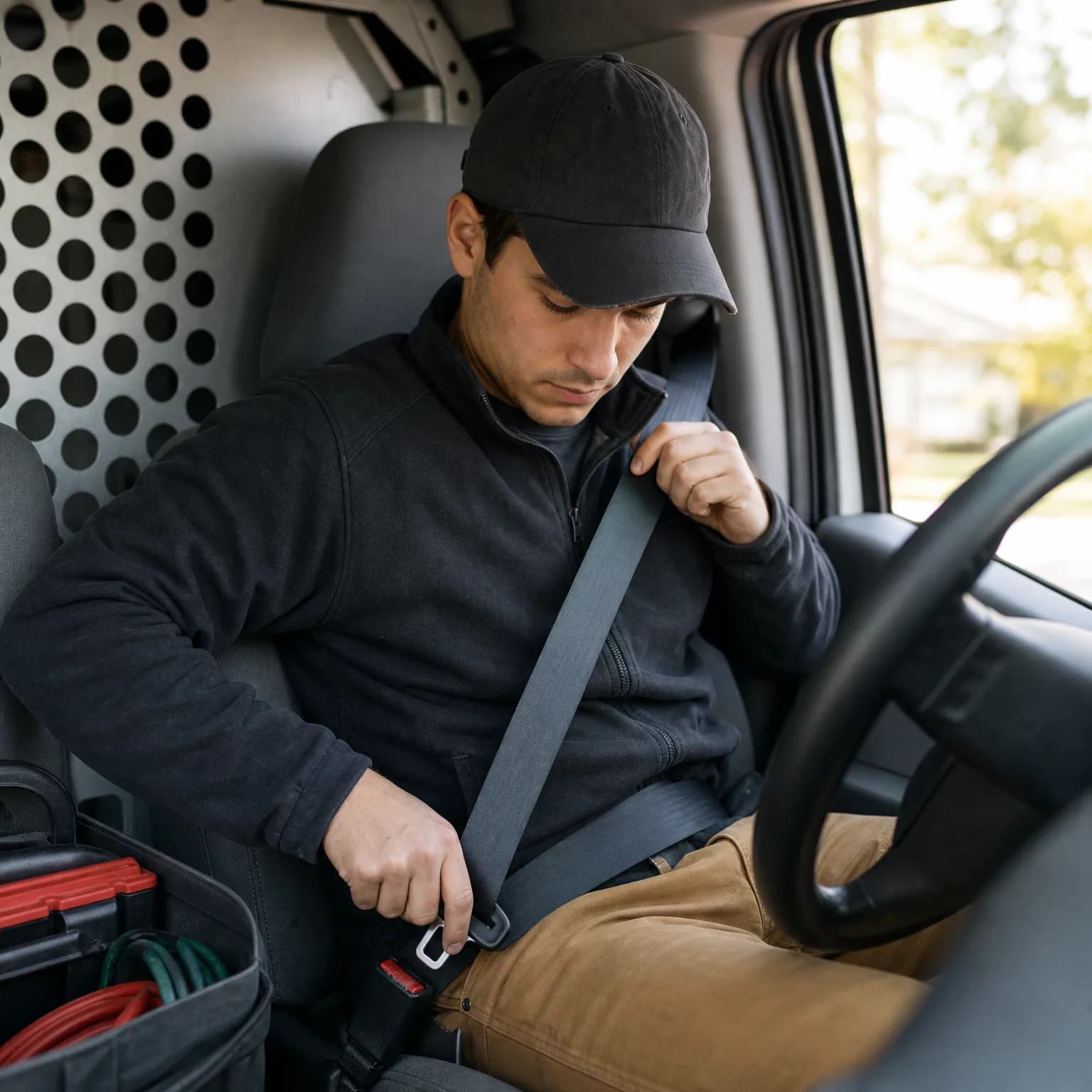
How New York's IIES System Replaces SR-22 Filing (and Why That Matters for Continuous Coverage)
New York does not use SR-22 certificates. Financial responsibility verification runs through the Insurance Information and Enforcement System (IIES), a real-time electronic database where admitted carriers report policy issuance, cancellations, and lapses directly to DMV. When you purchase a policy from a New York-admitted carrier, coverage posts to IIES within 24–48 hours. When your carrier cancels or non-renews your policy, that termination triggers an automatic DMV suspension notice under Vehicle and Traffic Law §319.
For rideshare drivers, this creates a exposure window most other states don't have. If you let your personal auto policy lapse while your license is suspended—even briefly—DMV treats that lapse as a separate suspension trigger. You'll face dual penalties: the original DUI suspension timeline AND a new suspension for insurance lapse, which carries a civil penalty of $750 for a first lapse (up to 90 days), $1,500 for a second lapse within 36 months, plus a $50 suspension termination fee. These stack on top of your DUI reinstatement fees.
Rideshare drivers who don't currently own a vehicle should maintain a non-owner liability policy throughout the suspension and reinstatement period. Non-owner policies satisfy New York's continuous coverage requirement, prevent lapse-triggered suspensions, and keep you insurable when you're ready to return to platform driving. The IIES system verifies non-owner coverage the same way it verifies standard policies—your carrier reports it electronically, and DMV's database reflects active coverage status.

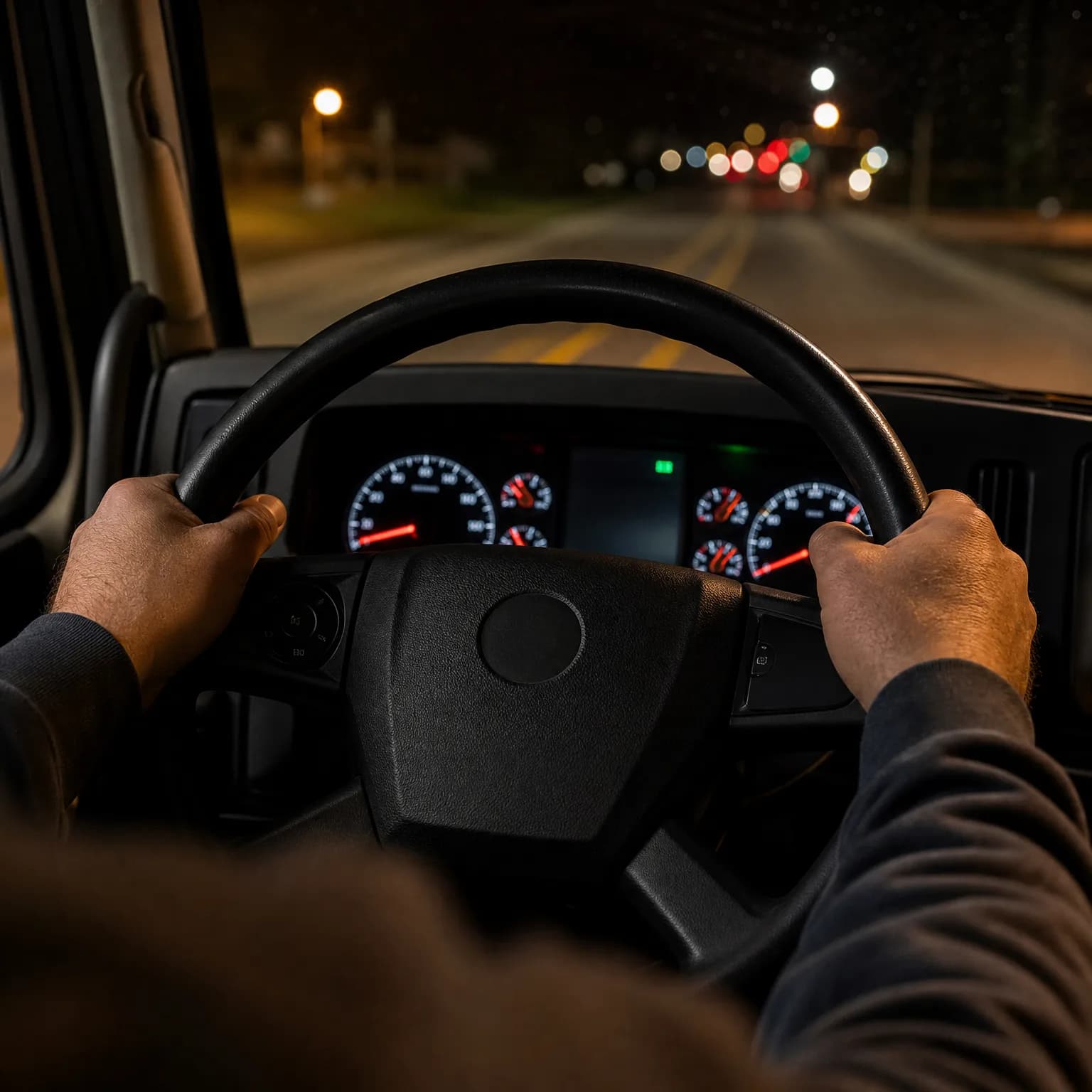
Ignition Interlock Installation Timing and Platform Compliance Documentation
Leandra's Law (NY VTL §1198) mandates ignition interlock device installation for all DWI/DUI convictions, including as a condition of any Restricted Use License issued during the interlock period. Installation must occur before DMV will process your RUL application or full reinstatement. Your IID provider submits installation verification directly to DMV—you cannot file for reinstatement or conditional driving privileges until that verification posts to your DMV record.
For rideshare drivers, the interlock requirement creates a platform-compliance problem most other violation types don't trigger. Uber and Lyft both prohibit drivers from operating vehicles equipped with ignition interlock devices, even if the device is court-ordered and legally compliant. This policy appears in driver agreement terms and is enforced through periodic background checks and vehicle inspection protocols in some markets. Installing an IID to satisfy New York's reinstatement requirements will prevent you from driving for gig platforms until the device is removed.
The interlock mandate typically runs 6 months for a first DUI offense, 12 months for a second offense within 25 years, and longer for aggravated cases or refusal convictions. The clock starts from installation date, not conviction date or suspension start date. Most drivers underestimate this timeline by 60–90 days because they assume the suspension period and interlock period run concurrently—they don't. Your revocation must end, your interlock period must complete, your IID provider must submit removal verification to DMV, and only then can you apply for full unrestricted license reinstatement. Until that sequence completes, you cannot legally drive for Uber or Lyft in New York.

Line Up Coverage Before Your License Comes Back
Get Back on the RoadMulti-Tier Reinstatement: Court Clearance, DMV Processing, and Carrier Verification Sequencing
New York DUI reinstatements require coordinating three separate entities in sequence: the convicting court, the DMV, and your insurance carrier. Filing steps out of order adds 30–60 days to your reinstatement timeline because each agency waits for the prior step to post to its system before processing the next.
The correct sequence: (1) Complete all court-ordered requirements—fines, surcharges, Impaired Driver Program enrollment, community service, probation terms. Request a court clearance certificate or compliance letter. (2) Wait for court clearance to post to DMV's record system. This is not automatic in all counties—some require manual submission of the court's compliance documentation to your regional DMV office. (3) Once DMV shows court compliance, apply for reinstatement and pay all applicable fees: base reinstatement fee (typically $50–$100 depending on offense), DMV assessment fees, and any outstanding penalties. (4) Install ignition interlock device and wait for provider's installation verification to reach DMV. (5) Verify your insurance carrier has reported active coverage through IIES. (6) Submit reinstatement application with all supporting documents.
Most rideshare drivers skip step 2 and assume court compliance automatically clears them for DMV reinstatement. It doesn't. DMV operates on its own record system, and court data synchronization varies by county. If you apply for reinstatement before court clearance posts to DMV, your application will be rejected and your timeline resets. Call your regional DMV office to confirm court compliance appears in their system before submitting reinstatement paperwork.
Carrier verification through IIES is the final gate. Even if you've paid all fees and completed all mandates, DMV will not issue your reinstated license until an admitted carrier reports active coverage under your name. For drivers returning to rideshare work, this means securing a personal auto policy or maintaining the non-owner policy you carried during suspension. TLC-plated vehicles and rideshare-specific commercial policies do not satisfy DMV's personal liability insurance requirement for license reinstatement—you need a standard personal auto or non-owner policy reporting through IIES first.
What Rideshare Platforms Actually Verify (and When Restricted Licenses Trigger Account Suspension)
Uber and Lyft run continuous background checks that pull DMV records every 6–12 months for active drivers and at every account reactivation attempt for suspended accounts. When your license status changes—from valid to suspended, from suspended to conditional, from conditional to fully reinstated—those changes appear in the platforms' verification systems within days. A Restricted Use License shows as a conditional or restricted license in background check databases, not as full unrestricted driving authority.
Platform policies prohibit conditional licenses, restricted licenses, hardship licenses, and any other limited-purpose driving credential. The verification system flags these automatically. Most drivers learn their RUL won't clear platform requirements only when they attempt to reactivate their account and receive a rejection notice citing "ineligible license status." Customer support cannot override this—it's a category exclusion written into driver agreements and enforced through automated compliance checks.
Ignition interlock devices trigger a separate flag. Both platforms maintain prohibited-equipment lists that include IIDs, regardless of whether the device is court-ordered or voluntarily installed. Vehicle inspection protocols in New York City and other major markets now include visual checks for interlock devices during TLC inspections and periodic platform audits. Installing an IID to satisfy DMV reinstatement requirements will disqualify you from rideshare driving until the device is removed and removal verification is submitted to DMV.
Full unrestricted license reinstatement is the only credential that clears both checks. This requires completing your revocation period in full, finishing all IID obligations, and receiving a standard Class D or Class E license with no restrictions noted. The reinstatement certificate DMV issues after payment of all fees is what updates your record in the databases Uber and Lyft query. Until that certificate is issued and your unrestricted license status posts to third-party verification systems, your account will remain suspended or ineligible.

Insurance After Reinstatement: How DUI Pricing Affects Rideshare Viability
New York carriers treat DUI convictions as high-risk events that trigger significant premium increases for 3–5 years after conviction. Expect personal auto liability premiums to increase 80–150% compared to your pre-conviction rate. For rideshare drivers, this base rate increase compounds with the additional commercial coverage required for TLC plating or platform-specific endorsements in New York City.
A standard personal auto policy in New York for a driver with a DUI conviction typically runs $190–$280/month for state minimum liability coverage (25/50/10). Adding rideshare endorsement coverage or upgrading to a TLC-eligible commercial policy adds another $120–$200/month depending on the carrier and your borough. Combined, rideshare-compliant insurance after DUI reinstatement can cost $310–$480/month in the New York metro area.
These rates reflect the mandatory Personal Injury Protection (PIP) coverage New York requires as a no-fault state, which already inflates base premiums compared to most other states. The DUI surcharge sits on top of that baseline. Carriers determine your rate based on conviction date, not reinstatement date—a DUI from 2 years ago prices differently than one from 6 months ago, even if both drivers are reinstating now.
For drivers who don't yet own a vehicle and maintained a non-owner policy during suspension, transitioning to a standard or rideshare-compliant policy requires shopping carefully. Not all carriers that offer non-owner policies also write rideshare endorsements or TLC-eligible commercial coverage. If you've maintained continuous coverage through a non-owner policy and stayed claims-free during your suspension, some carriers will treat that as a mitigating factor when pricing your reinstated policy. Most won't. Expect to compare quotes from 4–6 carriers to find coverage that fits the economics of returning to gig work.
Frequently Asked Questions
Can I drive for Uber or Lyft with a New York Restricted Use License after a DUI?
No. Uber and Lyft prohibit drivers from operating with restricted, conditional, or hardship licenses of any kind. A Restricted Use License limits you to DMV-approved routes and purposes—commercial rideshare driving is excluded. Both platforms verify license status through background checks that flag RULs as ineligible. You must complete full license reinstatement to return to platform driving.
Does New York require SR-22 filing for DUI reinstatement?
No. New York does not use SR-22 certificates. Financial responsibility verification runs through the Insurance Information and Enforcement System (IIES), where carriers report coverage directly to DMV electronically. You must maintain continuous insurance coverage reported through IIES, but no SR-22 form is filed or required for reinstatement.
How long does ignition interlock installation last for a first DUI in New York?
New York mandates ignition interlock installation for 6 months minimum for a first DUI offense under Leandra's Law (VTL §1198). The clock starts from installation date, not conviction or suspension date. Uber and Lyft prohibit drivers from operating vehicles equipped with IIDs, so you cannot return to rideshare work until the device is removed and removal verification posts to DMV.
What happens if my insurance lapses while my license is suspended in New York?
DMV will impose a separate suspension for the lapse under VTL §319, triggering a $750 civil penalty for a first lapse (up to 90 days) or $1,500 for a second lapse within 36 months, plus a $50 suspension termination fee. These penalties stack on top of your DUI reinstatement fees. Maintaining a non-owner policy during suspension prevents this.
How much does rideshare insurance cost after DUI reinstatement in New York?
Expect $310–$480/month for rideshare-compliant coverage in the New York metro area after DUI reinstatement. This includes base liability coverage at post-DUI rates ($190–$280/month) plus rideshare endorsement or TLC-eligible commercial coverage ($120–$200/month). Rates vary by carrier, borough, and time since conviction.
Can I apply for a Restricted Use License before my ignition interlock is installed?
No. DMV will not process your RUL application until your ignition interlock provider submits installation verification to DMV's system. Installation must occur first. Attempting to file for RUL or full reinstatement before IID installation verification posts will result in application rejection and timeline delays of 30–60 days.
Do I need to notify Uber or Lyft when my license is suspended for DUI?
Platform terms require drivers to report license status changes, but suspension information typically reaches Uber and Lyft through automated DMV record checks within days of the suspension posting. Your account will be deactivated automatically once the suspension appears in background check databases. You cannot hide a suspension—verification systems pull updated DMV records continuously.
Related Articles
NY DUI Reinstatement for Rideshare: Court Clearance
5/3/2026

NY DUI Reinstatement Costs for Rideshare Drivers
5/3/2026

RI DUI Reinstatement for Rideshare Drivers: SR-22 Timing
5/3/2026

NY Child Support Suspension Reinstatement Costs
5/3/2026
NY Rideshare Lapse Reinstatement: Real Cost Stack
5/3/2026
RI DUI Reinstatement for Rideshare: Court & DMV Timing
5/3/2026