Reinstating a DUI Suspension in New Mexico as a Rideshare Driver
Free to compare
Why New Mexico's Dual-Agency IID Process Delays Rideshare Reinstatement
New Mexico requires both court approval and MVD interlock program enrollment before you can legally drive for Uber or Lyft after a DUI suspension. The court grants the restricted license under NMSA 1978 § 66-5-33. The MVD administers the actual ignition interlock device installation and monitoring under the Ignition Interlock Licensing Act (NMSA 1978 §§ 66-5-503 to 66-5-523). These are separate processes run by separate agencies with no automatic coordination.
Most rideshare drivers petition the court first, assume approval means they can immediately file SR-22 and start driving again, then discover MVD won't process their reinstatement until the IID provider submits installation verification to the state database. This creates a 30–60 day gap between court approval and actual driving eligibility that aggregators and law firm pages never surface.
The court does not notify MVD when it grants your restricted license. You must take your court order to an approved IID vendor, schedule installation (typically 7–14 business days out in Albuquerque and Santa Fe), wait for the vendor to electronically report installation to MVD, then wait for MVD to update your driver record. Only after all four steps complete does your eligibility to file SR-22 begin.
When the SR-22 Filing Clock Actually Starts in New Mexico
New Mexico requires SR-22 filing for 3 years following DUI conviction, measured from the date your restricted license becomes active — not from your petition date, not from your conviction date, and not from the date you first purchase the policy. If you file SR-22 before the court grants your restricted license and before your IID installation is verified by MVD, you are paying high-risk premiums for a filing period that has not legally begun.
The typical sequence for rideshare drivers looks like this: DUI conviction triggers 6-month mandatory revocation. You petition the court for a restricted license. The court approves your petition and issues an order allowing restricted driving with an interlock device. You schedule IID installation with an approved vendor. The vendor installs the device and electronically reports installation to MVD. MVD updates your driver record to reflect interlock compliance. Only at this final step does your 3-year SR-22 filing requirement officially begin.
Most drivers file SR-22 immediately after court approval because they assume that is the triggering event. It is not. Filing early does not shorten your total obligation — it extends the calendar period during which you are paying elevated premiums. Coordinate SR-22 filing with IID installation verification to avoid paying for months that do not count toward your 3-year requirement.

Why Rideshare Driving Complicates New Mexico's Restricted License Terms
New Mexico courts issue restricted licenses with purpose-specific limitations. The court order typically specifies driving for work, school, medical appointments, and other court-approved purposes. Rideshare driving occupies an ambiguous category because you are not driving to a fixed worksite — you are driving continuously during your shift, picking up passengers at variable locations throughout Albuquerque or Santa Fe metro areas.
Some New Mexico judges interpret rideshare work as qualifying employment driving and approve it explicitly in the restricted license order. Others do not, viewing it as commercial passenger transport that exceeds the scope of a restricted license intended for minimal essential driving. The interpretation varies by judge and by county. You cannot assume approval.
When you petition for a restricted license, you must list rideshare driving specifically in your employment documentation. Submit a letter from Uber or Lyft on company letterhead confirming your driver status, your intended service area, and typical hours worked. Include a written statement explaining why rideshare income is necessary for meeting financial obligations during suspension. Courts are more likely to approve when the petition demonstrates genuine economic necessity rather than preference. If your petition does not explicitly request and justify rideshare driving, the court may approve a restricted license for traditional employment only — which would prohibit rideshare work even after you install the IID and file SR-22.
How Lapse-Gap Documentation Affects Your Rideshare Reinstatement Timeline
New Mexico operates a Mandatory Insurance Continuous Coverage program under NMSA 1978 §§ 66-5-205 through 66-5-239. Carriers electronically report policy issuance, cancellation, and lapses to MVD. If your insurance lapses at any point during your suspension — even if you are not legally allowed to drive — MVD flags your driver record and extends your reinstatement timeline.
Rideshare drivers face higher lapse risk than traditional drivers because Uber and Lyft require commercial rideshare endorsements or separate commercial policies that cost more than standard personal auto coverage. Many drivers cancel their personal policy during suspension to save money, intending to reinstate coverage when their restricted license becomes active. This triggers a lapse flag in the MVD system even though you were not driving during the coverage gap.
To reinstate after a lapse-triggered extension, you must show proof of current insurance and pay an additional reinstatement fee. The specific fee amount is not published in a single canonical MVD source but typically ranges from $25 to $100 depending on lapse duration and prior violation history. More importantly, the lapse creates a processing delay of 15–30 business days while MVD verifies your new policy and clears the lapse flag from your record.
If you maintained continuous coverage through your suspension period using a non-owner SR-22 policy, you avoid the lapse flag entirely. Non-owner policies cost $40–$80 per month in New Mexico and satisfy the state's continuous coverage requirement without requiring you to own or insure a vehicle. This is the most cost-effective path for rideshare drivers who do not own a personal vehicle or who want to avoid insuring a vehicle they cannot legally drive during suspension.

Line Up Coverage Before Your License Comes Back
Get Back on the Road
What Happens If Your IID Installation Is Delayed or Your SR-22 Lapses Mid-Period
New Mexico's ignition interlock program requires continuous compliance. If your IID vendor reports a violation — failed breath test, missed rolling retest, tampering attempt, or skipped calibration appointment — MVD can extend your interlock period or revoke your restricted license without prior warning. Most rideshare drivers do not realize that a single missed calibration appointment (typically required every 30–60 days) triggers an automatic compliance flag that MVD treats as a program violation.
SR-22 lapses create similar consequences. If your carrier cancels your policy or you switch carriers without filing a new SR-22 certificate before the old one expires, MVD receives an electronic cancellation notice and immediately re-suspends your license. The re-suspension is automatic and does not require a hearing. You must file a new SR-22, pay a reinstatement fee, and restart the 3-year filing clock from the date of reinstatement — not from your original restricted license date.
For rideshare drivers, an SR-22 lapse during your restricted license period also triggers immediate deactivation by Uber and Lyft because their systems monitor your driver record in real time. You lose rideshare driving privileges the same day MVD processes the lapse, which typically occurs 3–7 business days after your carrier notifies the state. Reactivation requires submitting proof of new SR-22 filing to both MVD and the rideshare platform, which adds another 10–15 business days to your timeline.
How to Coordinate IID Installation, SR-22 Filing, and MVD Compliance in the Right Sequence
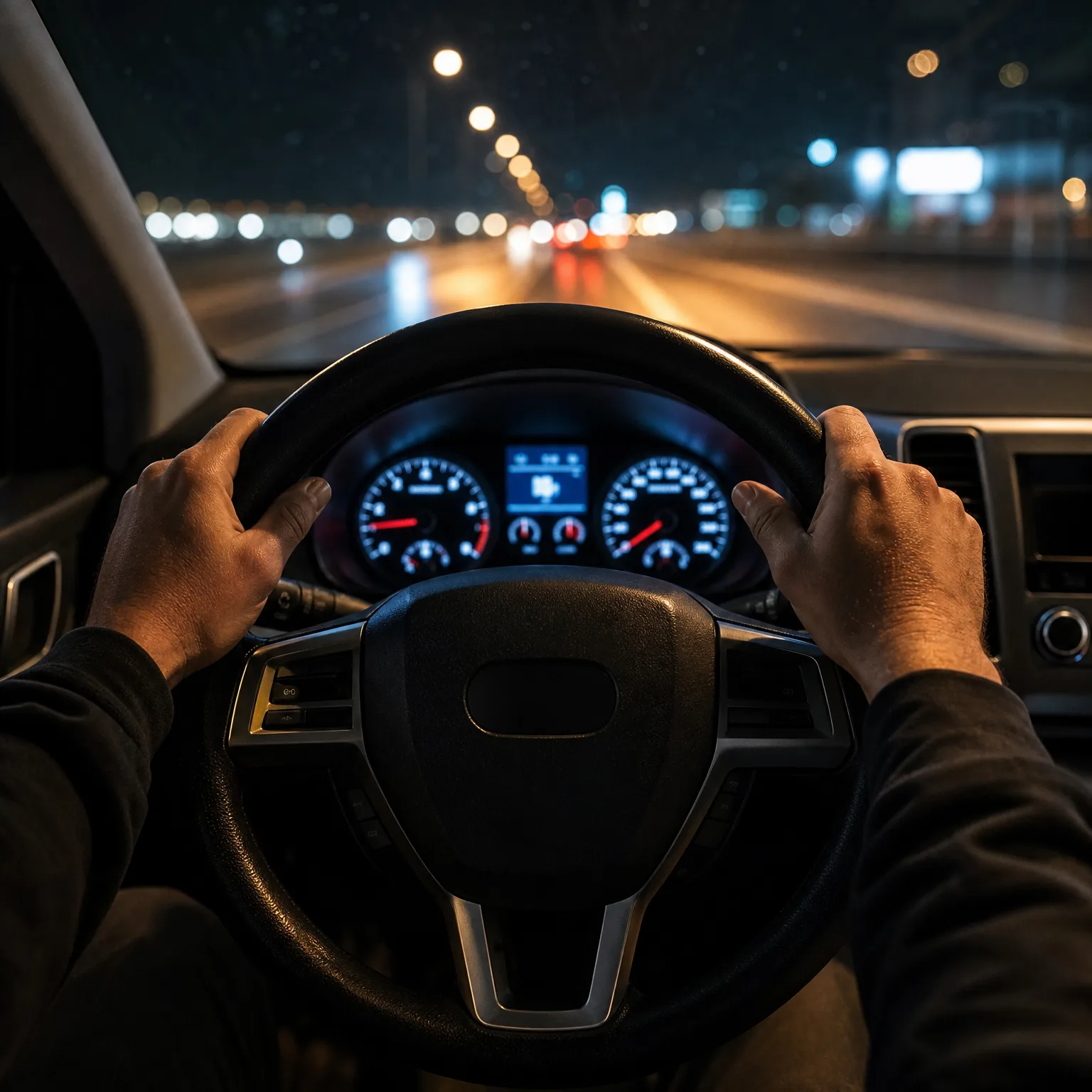
The correct reinstatement sequence for New Mexico rideshare drivers after DUI conviction is: petition the court for a restricted license with rideshare-specific employment documentation. Wait for court approval and obtain the signed order. Contact an approved IID vendor and schedule installation. Install the device and confirm the vendor has submitted installation verification to MVD electronically. Wait 5–10 business days for MVD to update your driver record. Contact a carrier willing to file SR-22 for restricted license holders and purchase coverage. The carrier files SR-22 electronically with MVD. Pay the $25 base reinstatement fee at MVD. Verify your driver record shows active interlock compliance and active SR-22 filing. Submit updated insurance and driver record documentation to Uber or Lyft for reactivation.
Most delays occur because drivers reverse steps four and six — they file SR-22 before MVD has updated their record to reflect IID installation. When MVD receives an SR-22 filing for a driver whose record does not yet show interlock compliance, the filing is rejected or placed in pending status. The carrier is not always notified of the rejection. Drivers assume coverage is active and the 3-year clock has started when in fact MVD has not processed the filing.
To avoid this, request written confirmation from your IID vendor that installation has been electronically reported to MVD. Wait one full week after receiving that confirmation before contacting carriers to file SR-22. This ensures MVD has processed the installation data and your record is eligible to receive the SR-22 filing without rejection or delay.
What Rideshare SR-22 Coverage Actually Costs in New Mexico
SR-22 filing fees in New Mexico range from $15 to $35, paid once at the time of filing. This is separate from your insurance premium. Monthly premiums for SR-22 policies after DUI conviction typically range from $140 to $220 per month for minimum liability coverage in Albuquerque and Santa Fe metro areas. Estimates are based on available industry data; individual rates vary by age, prior violation count, coverage selections, and whether you own the vehicle you are insuring.
Rideshare drivers face higher premiums because most carriers classify restricted license holders as high-risk even if you are only driving for employment purposes. Adding a rideshare endorsement to an SR-22 policy increases monthly premiums by an additional $40–$90 per month depending on carrier and anticipated rideshare hours per week. Not all carriers offer rideshare endorsements to restricted license holders — State Farm, Progressive, and Farmers are the most common carriers willing to combine SR-22 and rideshare coverage in New Mexico as of current underwriting guidelines.
If you do not own a vehicle but need SR-22 to satisfy reinstatement requirements, a non-owner SR-22 policy costs $40–$80 per month. This satisfies New Mexico's SR-22 filing requirement and allows you to drive a vehicle you do not own — including rideshare platform vehicles if the platform's insurance policy permits restricted license drivers. Verify with Uber or Lyft before assuming your restricted license qualifies you for reactivation.
Frequently Asked Questions
Can I drive for Uber or Lyft in New Mexico with a restricted license after a DUI?
You can drive for Uber or Lyft with a restricted license only if your court order explicitly approves rideshare driving as qualifying employment. The court order must list rideshare work as an approved purpose, and you must install an ignition interlock device and maintain SR-22 filing for 3 years. Uber and Lyft also impose their own eligibility rules for drivers with restricted licenses — contact the platform directly to confirm you meet their requirements before installing the IID.
Do I need to own a car to file SR-22 after a DUI suspension in New Mexico?
You do not need to own a car to file SR-22 in New Mexico. A non-owner SR-22 policy satisfies the state's filing requirement and costs $40–$80 per month. This allows you to meet MVD reinstatement conditions without insuring a vehicle you do not own or cannot legally drive during suspension.
What happens if my SR-22 lapses while I have a restricted license in New Mexico?
MVD automatically re-suspends your license within 3–7 business days after your carrier notifies the state of policy cancellation. You must file a new SR-22, pay a reinstatement fee, and restart your 3-year filing clock from the reinstatement date. Uber and Lyft will deactivate your driver account the same day MVD processes the lapse.
How long does it take to get a restricted license approved in New Mexico after a DUI?
Court approval typically takes 30–60 days from petition filing to signed order, depending on court calendar availability and whether your petition includes complete employment documentation. After court approval, you must schedule IID installation (7–14 business days), wait for the vendor to report installation to MVD (5–10 business days), then file SR-22 and pay reinstatement fees. Total timeline from petition to legal driving is typically 60–90 days.
Can I switch SR-22 carriers in New Mexico without restarting my 3-year filing requirement?
You can switch carriers without restarting your 3-year requirement as long as your new carrier files SR-22 before your old policy expires. The new SR-22 must be active in the MVD system before the old one cancels — even a one-day gap triggers re-suspension and restarts the clock. Coordinate the switch date carefully with both carriers.
Does New Mexico require ignition interlock for first-offense DUI restricted licenses?
New Mexico requires ignition interlock installation even for first-offense DUI restricted licenses under the Ignition Interlock Licensing Act (NMSA 1978 §§ 66-5-503 to 66-5-523). The device must remain installed for the duration specified by the court, typically 1 year minimum for first offense. SR-22 filing is required for 3 years, which extends beyond the interlock period.
What is the reinstatement fee for a DUI suspension in New Mexico?
The base reinstatement fee is $25, but additional fees apply if you had a lapse in insurance coverage during suspension or if you missed court-ordered program milestones. Total reinstatement costs including IID installation, SR-22 filing fees, and administrative fees typically range from $300 to $600 depending on your violation history and compliance record.
Related Articles
NM DUI Reinstatement for Rideshare: Court & DMV Timing
5/3/2026

Reinstate DUI License Albuquerque: SR-22 & Interlock Steps
4/29/2026

NM DUI Reinstatement for Rideshare: Real Costs & Timelines
5/3/2026
NM CDL DUI Reinstatement Costs: Fees & SR-22 Explained
5/3/2026

NH DUI Reinstatement for Rideshare Drivers: SR-22 Timing
5/3/2026

AZ Rideshare DUI: SR-22 Filing Timing After Suspension
5/3/2026