
NH DUI Reinstatement Costs for Rideshare: SR-22 + IID + IDCMP Stack
Free to compare
Why rideshare drivers face a three-layer cost structure in New Hampshire
New Hampshire's DUI reinstatement process requires three separate vendors charging fees at the same time: an SR-22 insurance filing, an ignition interlock device (IID) provider, and the state-mandated Impaired Driver Care Management Program (IDCMP). Most drivers assume these costs are sequential — complete one, then pay for the next. They're not.
IDCMP enrollment begins immediately after conviction or license suspension, even during the hard suspension period before you're eligible for restricted driving. The IID must be installed before you can petition for a Restricted Driving Privilege under RSA 265-A:36. SR-22 filing becomes required at reinstatement and must continue for three years from conviction date. All three costs overlap for most of the reinstatement timeline.
Rideshare platforms like Uber and Lyft require a valid license and vehicle inspection before reactivating your driver account. The stack of simultaneous fees creates a cash-flow barrier most NH drivers underestimate when planning their return to gig work.
What the base $100 NH DMV reinstatement fee actually covers
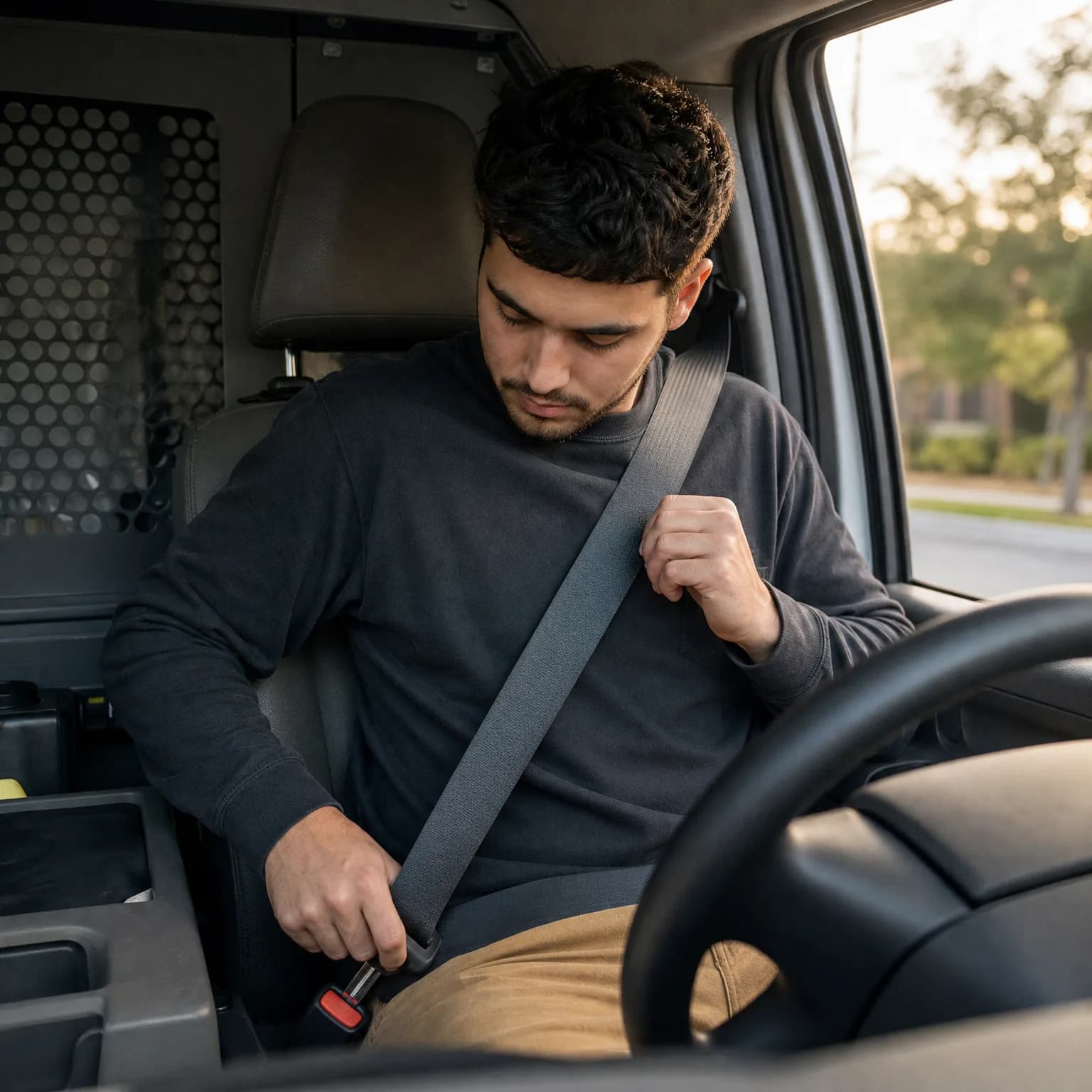
New Hampshire charges a $100 base reinstatement fee under RSA 263:42 when you petition to restore your license after a DUI suspension. This fee covers administrative processing at the Division of Motor Vehicles and does not include any other program costs, court fines, or insurance filings.
The reinstatement fee is paid once, at the end of your suspension period, when you submit your petition for license restoration. You cannot pay it early. You cannot apply it toward IDCMP fees, IID rental, or SR-22 filing costs. It is a separate DMV transaction processed only after you've completed all court-ordered requirements and program milestones.
Most rideshare drivers miss this distinction and assume the $100 fee is the total cost to get back on the road. It's the smallest line item in the actual cost stack.

How IDCMP enrollment fees stack on top of reinstatement charges
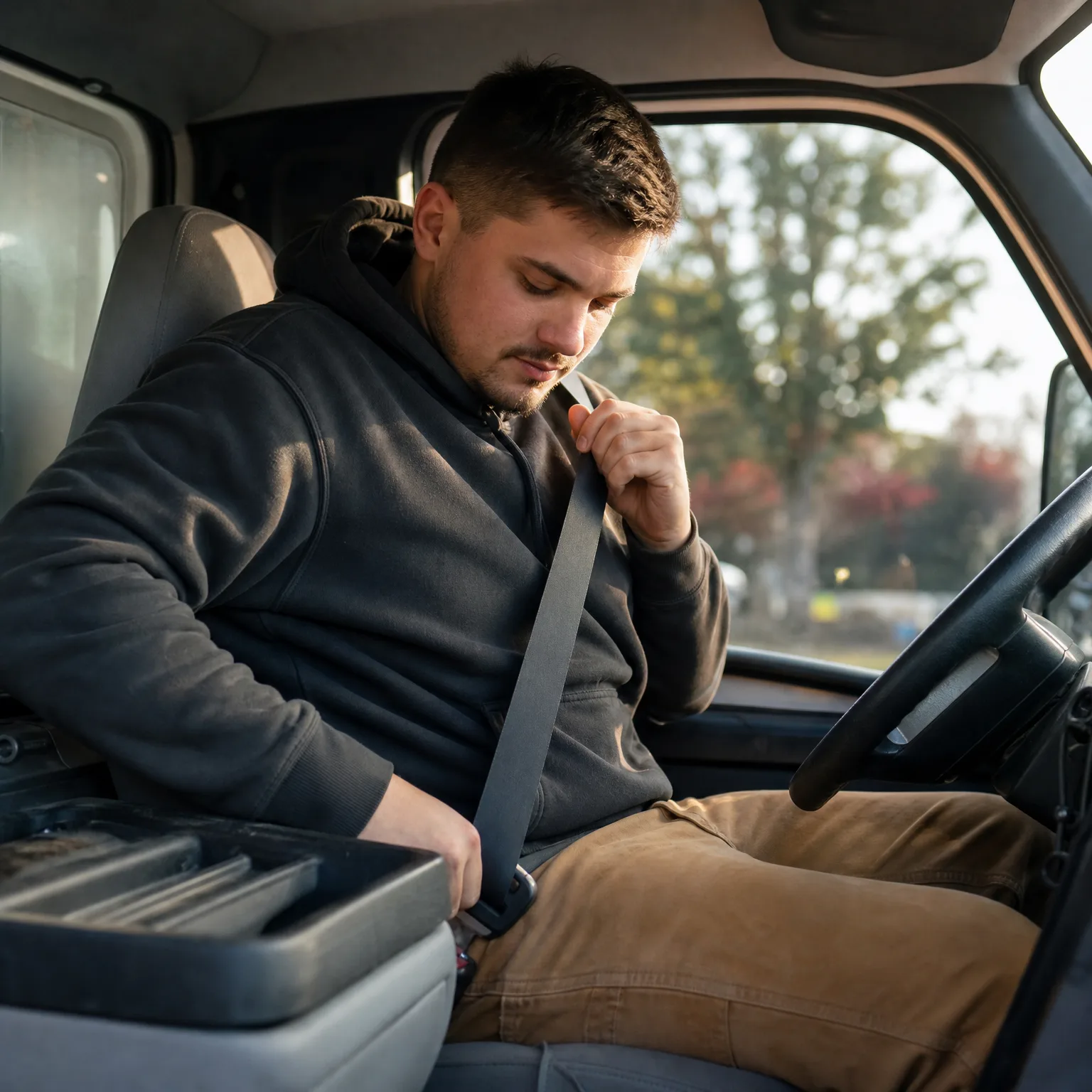
The Impaired Driver Care Management Program (IDCMP) is a multi-phase assessment and treatment program required for DUI reinstatement in New Hampshire. Clearance from IDCMP is a prerequisite to license restoration, not a concurrent optional program.
IDCMP costs vary by provider and phase but typically range from $400 to $800 total for assessment, enrollment, and program completion. First-time offenders generally complete a shorter track; repeat offenders face extended requirements and higher cumulative costs. Payment schedules vary by provider — some require upfront enrollment fees, others bill monthly during active participation.
You must enroll in IDCMP during your hard suspension period, before you're eligible to drive at all. Most rideshare drivers in Manchester or Nashua assume they can delay IDCMP enrollment until they're ready to reinstate. You cannot. The DMV will not process your reinstatement petition without IDCMP completion documentation, and the program itself takes months to complete even when you pay on time.
What ignition interlock device rental adds to your monthly budget
New Hampshire mandates ignition interlock device (IID) installation for DUI offenders as a condition of reinstatement, even after the hard suspension period ends under RSA 265-A:36. First-time offenders must maintain the device for a minimum period set by the court; repeat offenders face extended installation requirements.
IID costs break into three components: installation (typically $75–$150), monthly rental and monitoring fees (typically $70–$100/month), and removal fees (typically $50–$75). Most providers require a service visit every 30–60 days for calibration and data download, billed as part of the monthly fee.
The IID must be installed before you can file for a Restricted Driving Privilege. You cannot drive to work, to IDCMP sessions, or for rideshare gigs until the device is in your vehicle and the installation provider has submitted verification to the DMV. Most drivers budget for IID costs starting at reinstatement — the actual timeline starts weeks or months earlier, during the restricted-privilege application window.

Line Up Coverage Before Your License Comes Back
Get Back on the Road
SR-22 filing fees and the three-year carrier markup for rideshare drivers
New Hampshire requires SR-22 financial responsibility filing for three years from the DUI conviction date. Because New Hampshire does not mandate auto insurance at baseline, the SR-22 filing serves as proof you're maintaining coverage as a condition of reinstatement.
The SR-22 filing fee itself is minimal: $15 to $35 as a one-time charge from your insurance carrier. The actual cost impact is the high-risk premium markup carriers apply to DUI drivers. Monthly premiums for liability coverage post-DUI in New Hampshire typically range from $140 to $250/month, compared to $85 to $140/month for clean-record drivers.
Rideshare drivers face an additional cost layer: both Uber and Lyft require higher liability limits than New Hampshire's statutory minimums. Most gig platforms mandate 100/300/100 coverage while driving passengers, which pushes monthly premiums into the $180–$300 range for DUI drivers maintaining the three-year SR-22 filing. The filing period clock starts at conviction, not at reinstatement, so drivers who delay reinstatement by months still owe three full years of SR-22 once they restore their license.

How the three costs overlap and what that means for your first 90 days
The first 90 days after your hard suspension period ends create the highest cash-flow burden. You're paying IDCMP monthly fees, IID rental, and SR-22 insurance premiums simultaneously while waiting for DMV approval of your Restricted Driving Privilege petition.
A typical first-90-day cost stack for a rideshare driver in New Hampshire: IDCMP enrollment and first-phase fees ($200–$400), IID installation and two months of rental ($220–$350), SR-22 insurance premiums for three months ($420–$750), and the $100 DMV reinstatement fee once approved. Total: $940 to $1,600 before you're cleared to drive a single rideshare trip.
Most drivers assume they can stagger these costs by completing one requirement at a time. New Hampshire's process does not allow staggering. The DMV will not approve your Restricted Driving Privilege petition without active IID installation. Uber and Lyft will not reactivate your account without a valid license and proof of higher-limit coverage. IDCMP clearance will not be issued until you've completed all program phases, which cannot begin until you enroll and pay.
What happens if you miss an IID payment or IDCMP session during the overlap period
Missing an ignition interlock device service appointment or monthly rental payment triggers a violation report to the DMV. Your IID provider is required to notify the state when your device shows tampering, missed calibration windows, or lapsed payment. The DMV treats these violations as grounds for immediate revocation of your Restricted Driving Privilege.
Missing two consecutive IDCMP sessions without prior approval results in program termination and a restart of your enrollment timeline. The DMV will not process your reinstatement petition until IDCMP shows active compliance again, which requires re-enrollment fees and a new completion timeline.
Rideshare drivers operating under a Restricted Driving Privilege face an additional enforcement layer: gig platforms audit driver records periodically and will deactivate accounts if your license status changes mid-period. A single IID violation that revokes your restricted privilege triggers immediate platform suspension, even if you've already scheduled rides.
Frequently Asked Questions
Can I drive for Uber or Lyft in New Hampshire with a Restricted Driving Privilege after a DUI?
Yes, but only if your Restricted Driving Privilege specifically authorizes employment-related driving and you maintain the higher liability limits Uber and Lyft require (typically 100/300/100). New Hampshire courts issue restricted privileges for work, medical, and essential purposes under RSA 265-A:30, and rideshare driving qualifies as employment if listed on your petition. Your ignition interlock device must remain installed and functional during all platform trips.
Does the three-year SR-22 filing period start when I reinstate my license or when I was convicted?
The three-year SR-22 filing period in New Hampshire starts from your DUI conviction date, not your reinstatement date. If you delay reinstatement by six months, you still owe three full years of SR-22 from conviction, meaning your total filing obligation extends 3.5 years from the day you restore your license. Delaying reinstatement does not shorten your SR-22 timeline.
Can I complete IDCMP online or do I need to attend in-person sessions in New Hampshire?
New Hampshire IDCMP providers offer both in-person and telehealth options depending on your phase and county, but initial assessments typically require in-person attendance. Program format varies by provider and offense count. Verify your assigned provider's telehealth policy before assuming you can complete all sessions remotely.
What happens to my ignition interlock device if I stop driving rideshare mid-reinstatement?
You must maintain your ignition interlock device for the full court-ordered period regardless of whether you're actively driving for rideshare platforms. Removing the device early or allowing the account to lapse triggers a violation report to the DMV and revokes your Restricted Driving Privilege. Monthly rental fees continue until the court-ordered installation period ends.
How long does it take to get a Restricted Driving Privilege approved in New Hampshire after a DUI?
New Hampshire DMV processing times for Restricted Driving Privilege petitions vary by county and current workload, but most approvals take 15 to 45 days after submission. You cannot submit the petition until your ignition interlock device is installed and verified. For first-time DUI offenders, a 9-month hard suspension typically must be served before restricted privilege eligibility under RSA 265-A:30.
Do I need to tell Uber or Lyft that I have a Restricted Driving Privilege in New Hampshire?
Yes. Rideshare platforms conduct periodic background checks and license verifications that will show your restricted status. Most platforms allow driving under a restricted privilege as long as employment-related driving is authorized and your ignition interlock device is installed. Failure to disclose the restriction when prompted during account reactivation can result in permanent deactivation.
Can I get SR-22 insurance without owning a car if I drive a rental or platform-provided vehicle for rideshare?
Yes. A non-owner SR-22 policy provides the financial responsibility filing New Hampshire requires without insuring a specific vehicle you own. This works for rideshare drivers using rental cars or platform-provided vehicles, but you must verify the rental company or platform allows non-owner policies before signing contracts.
Related Articles
NH CDL DUI Reinstatement Costs: Real Fee Breakdown
5/3/2026

NH DUI Reinstatement Costs: Single Parents' Budget
5/3/2026

NH DUI Reinstatement Costs for College Students
5/3/2026
NH Rideshare Reinstatement Costs: SR-22 & TNC Markup
5/3/2026

NM DUI Reinstatement for Rideshare: Real Costs & Timelines
5/3/2026
NJ DUI Reinstatement Cost for Rideshare Drivers
5/3/2026